
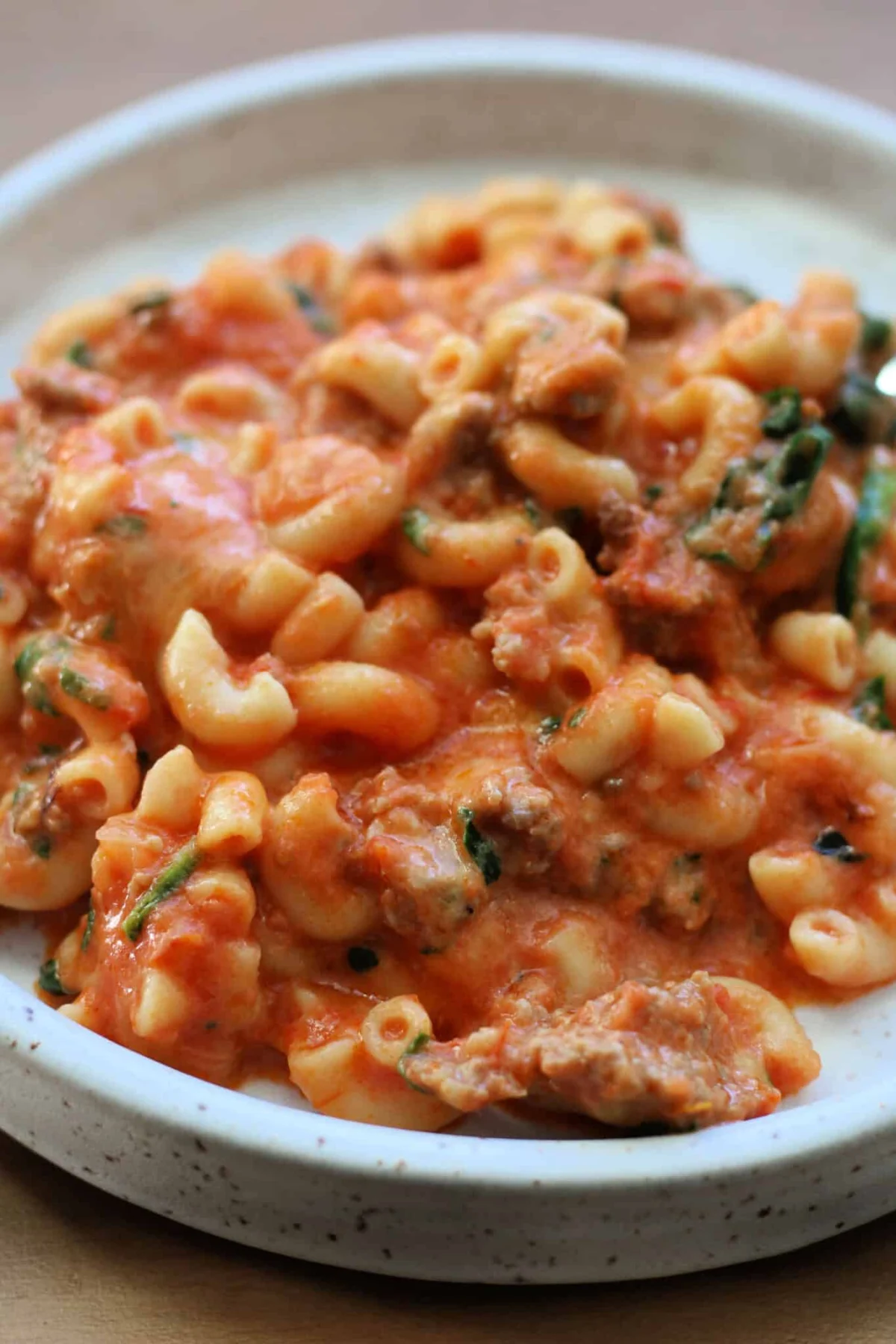
The culinary landscape of the 21st century has been significantly reshaped by the integration of high-pressure cooking technology into the domestic kitchen. Central to this evolution is the "one-pot" meal, a concept that prioritizes efficiency without compromising the complex flavor profiles traditionally associated with slow-cooked stews and braises. Among the rising stars of this genre is a dish known as Mrs. Watson’s Wiggle, a comforting Instant Pot pasta assembly that utilizes Italian sausage, tomatoes, spinach, and sharp cheddar cheese. This dish represents a broader trend in American home cooking: the revitalization of mid-century casserole concepts through the lens of modern appliance efficiency.
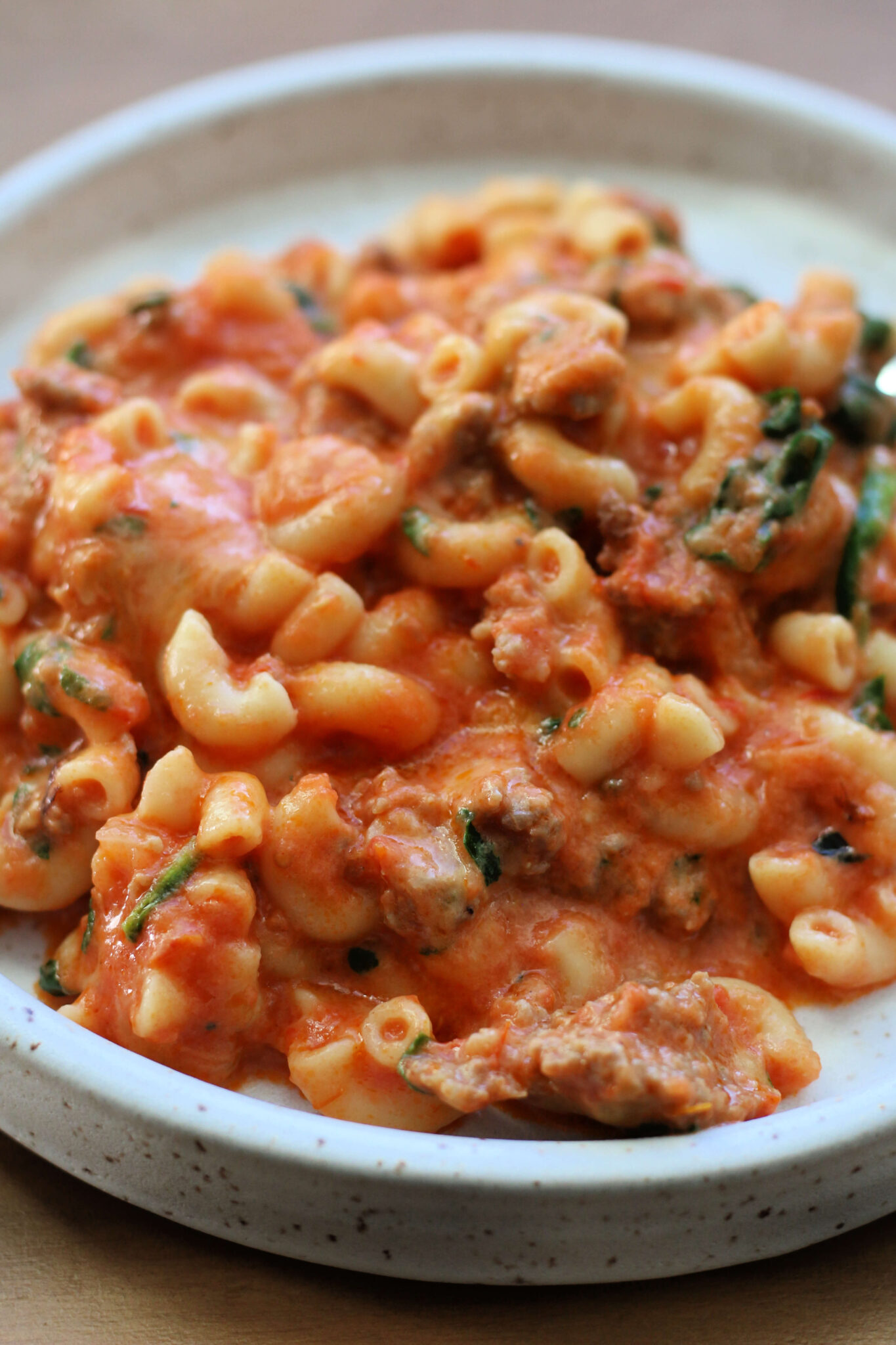
The Evolution of the One-Pot Casserole
The origins of dishes like Mrs. Watson’s Wiggle can be traced back to the regional community cookbooks of the mid-20th century, where names like "Wiggle," "Goulash," or "Slumgullion" denoted hearty, noodle-based meals designed to stretch expensive proteins. The specific iteration of this recipe, popularized by digital culinary archives such as Just a Pinch, highlights the transition from oven-baked casseroles to pressure-cooked "dump-and-start" meals.
While the exact identity of the eponymous "Mrs. Watson" remains a matter of culinary folklore, the "Wiggle" suffix traditionally refers to the movement of the noodles within a creamy or saucy base. In historical contexts, "shrimp wiggle" was a common New England staple consisting of shrimp and peas in a white sauce served over toast or crackers. The modern adaptation substitutes seafood for Italian sausage and replaces the stovetop roux with a pressure-cooked emulsion of broth, pasta starch, and dairy.

Technical Chronology of Preparation
The execution of Mrs. Watson’s Wiggle follows a precise technical sequence designed to maximize the Maillard reaction while ensuring the structural integrity of the pasta. The process is divided into three distinct phases: the searing phase, the pressure phase, and the emulsification phase.
Phase I: Searing and Aromatics
The procedure begins with the Instant Pot’s sauté function. High-quality Italian sausage is introduced to the stainless-steel inner pot, where it is broken down and browned for approximately five minutes. During this stage, finely diced onions are added to translucentize in the rendered fat of the pork. This step is critical for developing the foundational umami of the dish. Experts note that draining excess grease after this stage is essential to prevent the final sauce from becoming overly oily. Garlic powder is introduced at the end of this phase to avoid the bitterness associated with burnt aromatics.

Phase II: Deglazing and Pressure Cooking
Once the base is established, a deglazing liquid—typically beef or chicken broth—is added. This serves a dual purpose: it releases the fond (browned bits) from the bottom of the pot to prevent the "burn" warning and provides the necessary moisture for the pressure-cooking cycle. The elbow macaroni is layered evenly across the liquid, followed by a layer of canned tomatoes. A key rule in pressure-cooker pasta is the avoidance of stirring after the noodles are added; keeping the tomatoes on top prevents them from scorching against the heating element. The unit is then sealed and set to high pressure for a duration of four minutes.
Phase III: Finishing and Tempering
Following the completion of the pressure cycle, a five-minute natural release period allows the internal temperature to stabilize, preventing the pasta from exploding under a sudden pressure drop. After the remaining steam is vented, the lid is removed. The final stage involves tempering half-and-half (introducing small amounts of the hot liquid to the cold dairy before mixing) to ensure a smooth, curd-free sauce. Fresh spinach and shredded cheddar cheese are folded in, utilizing the residual heat to wilt the greens and melt the dairy.

Culinary Chemistry: The Role of Acidity and Fat
A defining characteristic of Mrs. Watson’s Wiggle is the recommendation of a "splash of balsamic vinegar" at the conclusion of the cooking process. From a gastronomic perspective, this addition is a calculated move to balance the heavy fats present in the Italian sausage and cheddar cheese.
Balsamic vinegar provides acetic acid and complex sugars that "wake up" the palate. In a rich, starch-heavy dish, the human tongue can quickly become desensitized to flavor—a phenomenon known as sensory-specific satiety. The acidity cuts through the lipid coating on the taste buds, allowing the herbal notes of the Italian sausage (typically fennel and sage) to remain prominent throughout the meal.

Market Trends and Economic Implications
The rise in popularity of recipes like Mrs. Watson’s Wiggle is not merely a matter of taste but is deeply rooted in current economic realities. As of 2024, global food inflation has significantly impacted the purchasing power of the average household. Pasta, as a shelf-stable and low-cost carbohydrate, has seen a resurgence in meal planning.
According to data from market research firms, the "multicooker" market—led by brands like Instant Pot—is expected to maintain a steady compound annual growth rate (CAGR) as consumers look for ways to reduce energy consumption compared to traditional oven use. One-pot meals reduce water usage for cleanup and minimize the need for multiple heat sources, aligning with a broader consumer move toward sustainable and economical domestic management.

Furthermore, the inclusion of spinach in a kid-friendly pasta format addresses a persistent challenge in pediatric nutrition: the "vegetable gap." By incorporating nutrient-dense leafy greens into a high-palatability cheesy sauce, home cooks are able to increase the micronutrient density of the meal without the resistance often encountered with standalone vegetable side dishes.
Nutritional Profile and Dietary Considerations
While Mrs. Watson’s Wiggle is categorized as "comfort food," its nutritional composition can be adjusted based on ingredient selection. A standard serving provides a significant amount of protein from the pork sausage and calcium from the cheddar cheese. However, the dish is inherently high in sodium and refined carbohydrates.

Substitution Analysis:
- Protein: For a leaner profile, ground turkey or chicken sausage can be substituted for pork, though this may require the addition of olive oil during the sauté phase to compensate for the lower fat content.
- Gluten-Free: The recipe is adaptable for those with celiac disease or gluten sensitivity. However, gluten-free pasta typically requires a shorter pressure-cooking time (often 0 to 1 minute) to avoid turning into a paste.
- Dairy-Free: Nutritional yeast and coconut milk can be used to mimic the creaminess of the original, though the flavor profile shifts significantly toward a more savory, nutty base.
Sociological Context: The Digital Recipe Community
The dissemination of this recipe through platforms like Just a Pinch and various culinary blogs highlights the democratization of cooking in the digital age. Unlike the gatekept culinary secrets of professional kitchens, the "Wiggle" belongs to the realm of "crowdsourced" cooking. These platforms allow for a feedback loop where thousands of users can provide "Notes and Tips," such as the importance of scraping the bottom of the pot to avoid the "burn" sensor or the preference for sharp versus mild cheddar.

This community-driven refinement ensures that the recipe remains "fail-proof," a vital quality for the target demographic: busy parents and working professionals. The "W-factor" mentioned in original source material—referring to the "Win" of using Italian sausage for built-in seasoning—reflects a modern vernacular that prizes efficiency and high-yield flavor.
Broader Impact on Home Dining Habits
The legacy of Mrs. Watson’s Wiggle lies in its ability to bridge the gap between the "slow food" movement’s emphasis on flavor and the "fast food" reality of modern life. By utilizing the Instant Pot, a process that would traditionally take 45 minutes to an hour of active stovetop monitoring is compressed into 15 minutes of active labor.

As we look toward the future of domestic science, the "one-pot" methodology is likely to expand into even more complex cuisines. However, the core appeal of the "Wiggle"—the combination of melty cheese, savory meat, and tender pasta—remains a universal constant in the American diet. It is a testament to the enduring power of the casserole, reimagined for a generation that values its time as much as its traditions.
In conclusion, Mrs. Watson’s Wiggle is more than a simple weeknight dinner; it is a microcosm of modern culinary trends. It combines technological precision with regional heritage and economic pragmatism. Whether one is drawn to the whimsy of its name or the efficiency of its preparation, the dish stands as a robust example of how the contemporary kitchen continues to adapt, ensuring that even in the fastest-paced environments, a comforting, home-cooked meal is never more than a few minutes away.
