
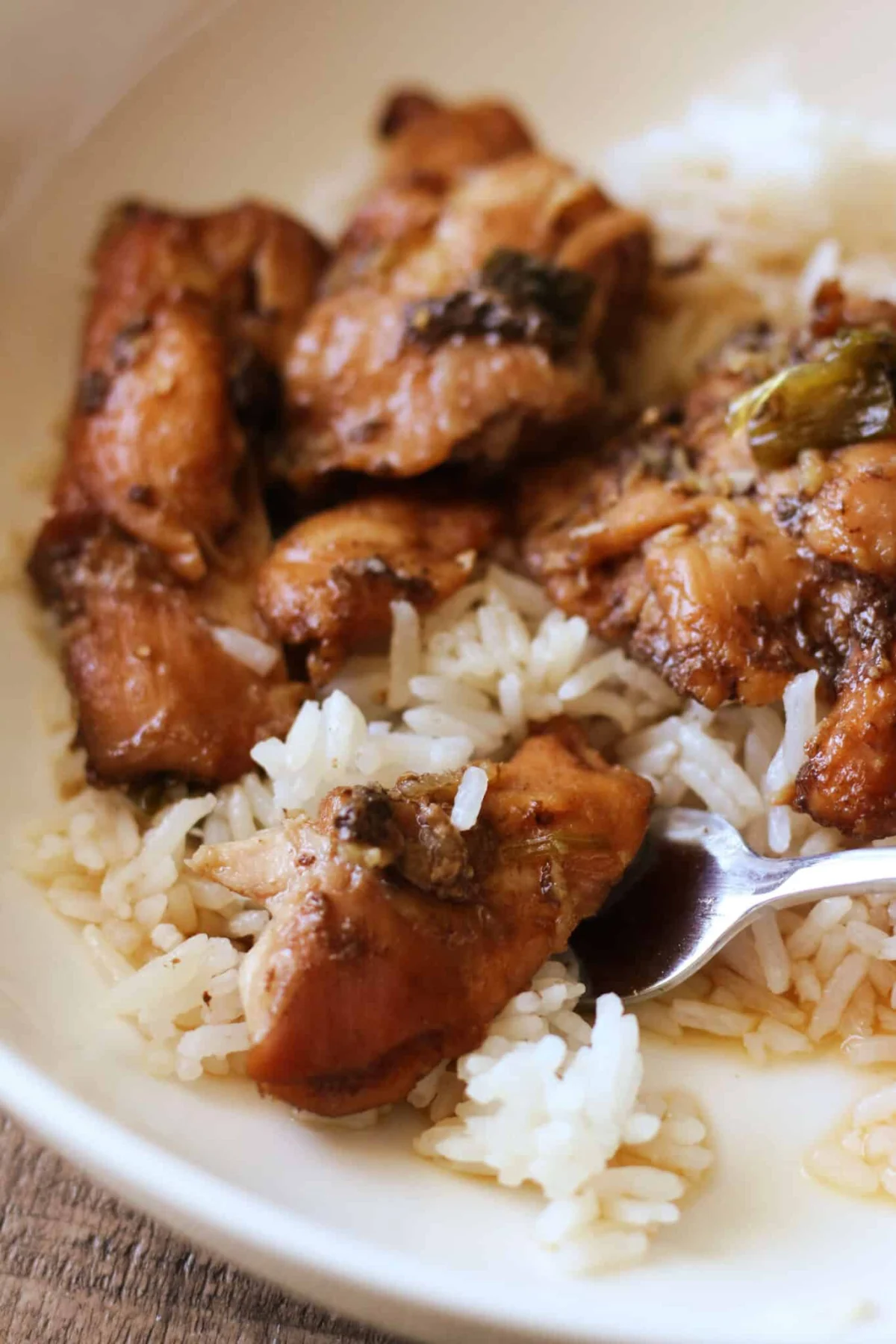
The emergence of simplified, home-based culinary techniques has revitalized interest in regional staples, particularly the Hawaiian Shoyu Chicken, a dish that exemplifies the fusion of East Asian flavors with Pacific Island traditions. This preparation, characterized by chicken thighs simmered in a structured marinade of soy sauce, ginger, garlic, and sugar, has transitioned from a localized plantation-era meal to a globally recognized comfort food. In contemporary domestic settings, the utilization of the slow cooker—or Crockpot—has become the preferred method for replicating the deep, braised textures historically achieved through hours of stovetop monitoring. This evolution in cooking methodology reflects broader shifts in consumer behavior, where the demand for high-quality, "takeout-style" meals at home intersects with the necessity for time-efficient preparation.
Historical and Cultural Context of Shoyu Chicken
To understand the significance of Shoyu Chicken, one must examine the socio-economic history of the Hawaiian Islands. The dish is a direct byproduct of the multi-ethnic plantation era of the late 19th and early 20th centuries. As laborers from Japan, China, the Philippines, and Korea arrived to work in the sugar cane and pineapple fields, they brought with them distinct culinary techniques and ingredients. "Shoyu" is the Japanese term for soy sauce, and its integration with local Hawaiian poultry resulted in a dish that satisfied both the nutritional needs and the diverse palates of the workforce.
Over decades, Shoyu Chicken became a cornerstone of the "plate lunch," a quintessential Hawaiian meal typically consisting of a protein, two scoops of white rice, and a scoop of macaroni salad. The dish’s transition into the modern slow cooker format represents a third wave of Hawaiian culinary evolution: the adaptation of traditional braising for the high-speed, technology-driven kitchen. Analysts in the food and beverage sector note that Hawaiian regional cuisine has seen a 25% increase in search volume over the past three years, driven largely by the "comfort food" trend and the accessibility of ingredients like ginger and soy sauce in mainstream supermarkets.
Technical Specifications and Ingredient Analysis
The efficacy of the Easy Hawaiian Shoyu Chicken recipe lies in its chemical balance. Unlike leaner cuts of poultry, the use of chicken thighs is scientifically advantageous for slow cooking. Thigh meat contains higher levels of connective tissue and fat; under the consistent, low-level heat of a slow cooker, the collagen in the connective tissue breaks down into gelatin. This process ensures the meat remains succulent and "fall-apart tender" even after several hours of heat exposure.
The marinade serves as both a flavoring agent and a preservative-style cooking medium. The soy sauce provides the essential salinity and "umami" (savory) profile, while the brown sugar introduces a caramelization element that offsets the salt. Aromatics such as fresh ginger and garlic are not merely flavor enhancers but contain enzymes and compounds—specifically gingerol and allicin—that contribute to the complexity of the sauce. From a nutritional perspective, the dish provides a high-protein yield, though culinary experts often suggest the use of low-sodium soy sauce for health-conscious consumers to manage the total salt intake per serving.
Chronological Preparation and Methodology
The preparation of this dish follows a strict chronological sequence designed to maximize flavor extraction while minimizing active labor. The process is divided into three distinct phases: the integration phase, the thermal processing phase, and the refinement phase.
Phase I: Integration and Emulsification
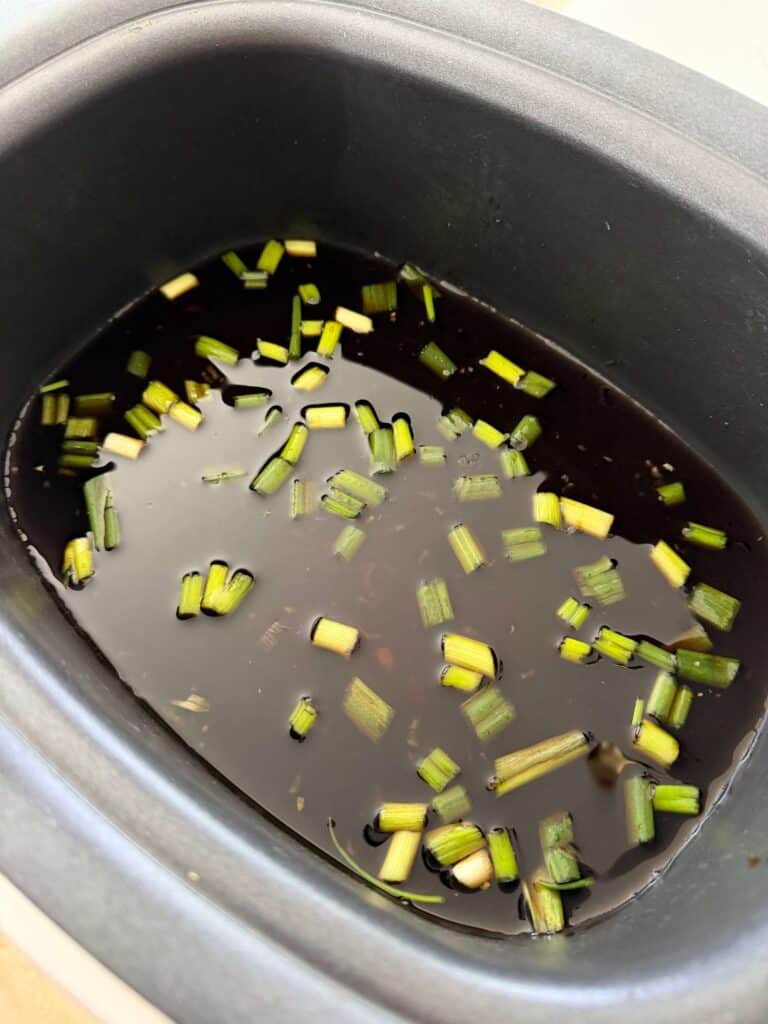
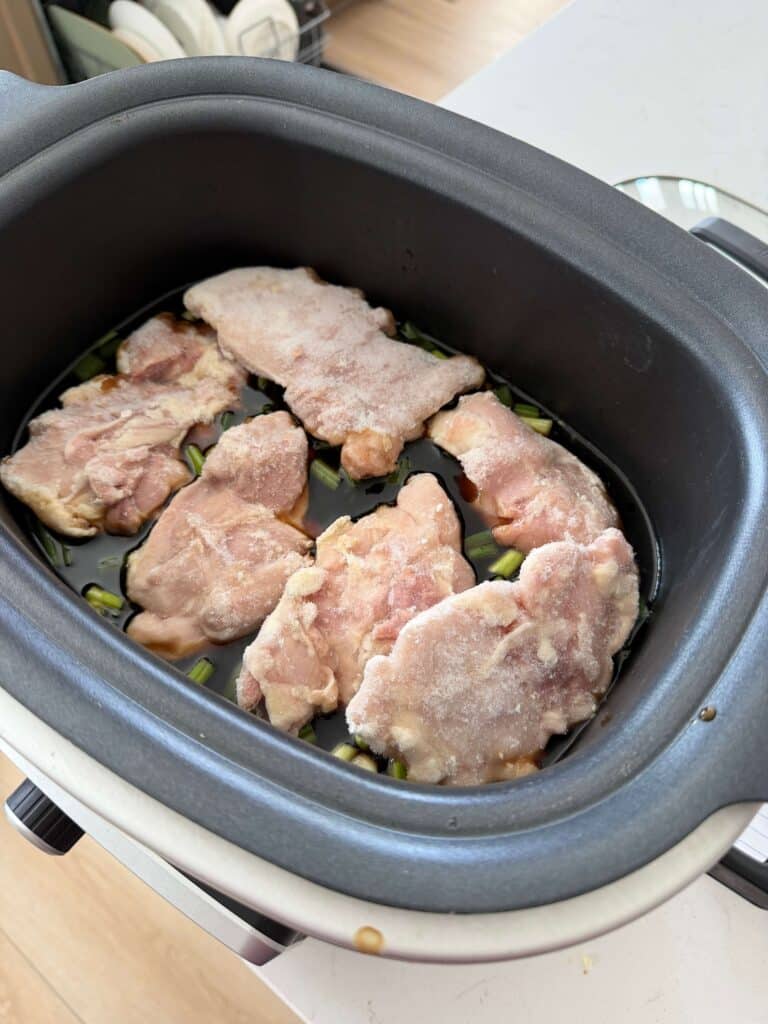
The process begins with the creation of the braising liquid. In the basin of the slow cooker, water is combined with soy sauce and brown sugar. To this mixture, minced garlic, grated fresh ginger, and chopped onions are added. A thorough whisking is required to ensure the sugar is fully dissolved and the aromatics are evenly distributed. This ensures that every piece of poultry is exposed to a uniform concentration of solutes during the cooking cycle.
Phase II: The Thermal Cycle
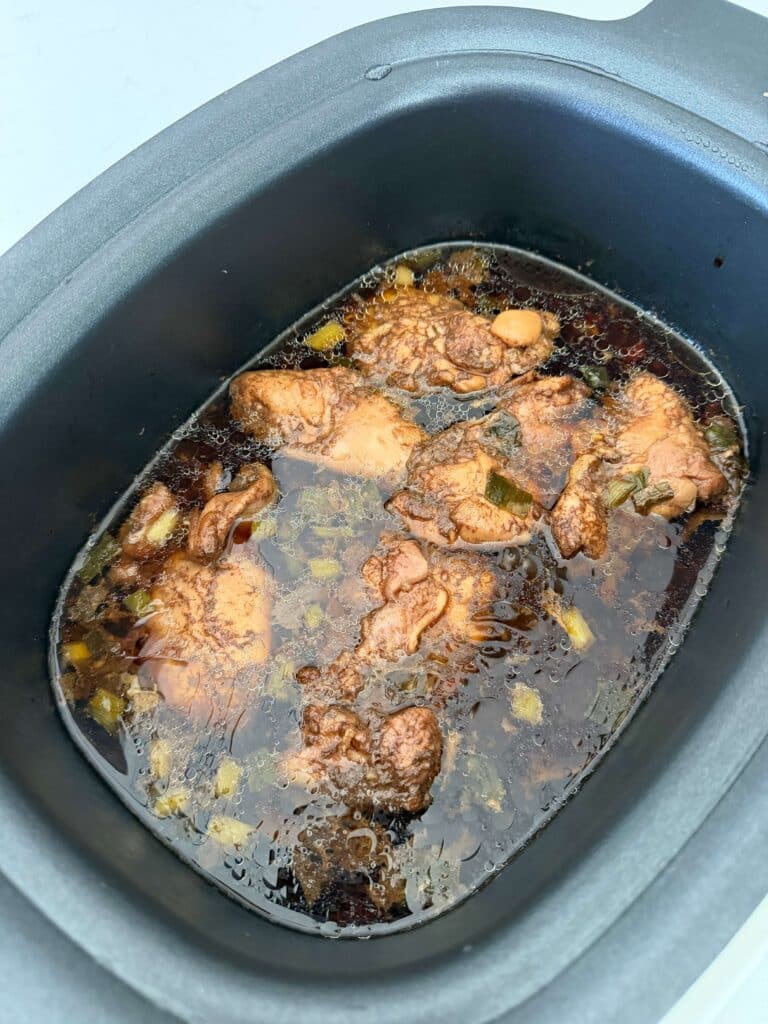
Once the base is established, the chicken thighs are "nestled" into the liquid. It is imperative that the poultry is submerged as much as possible to facilitate even heat distribution. The slow cooker is set to the "Low" heat function. The initial cooking period lasts for one hour, after which the chicken is manually inverted. This flipping of the meat ensures that both sides of the thighs absorb the darker pigments and concentrated flavors of the shoyu base. The second stage of the thermal cycle continues for an additional two hours, totaling a three-hour duration. This specific timeframe is optimized for the "Low" setting to prevent the over-processing of the muscle fibers, which can lead to a stringy texture.
Phase III: Structural Refinement and Serving
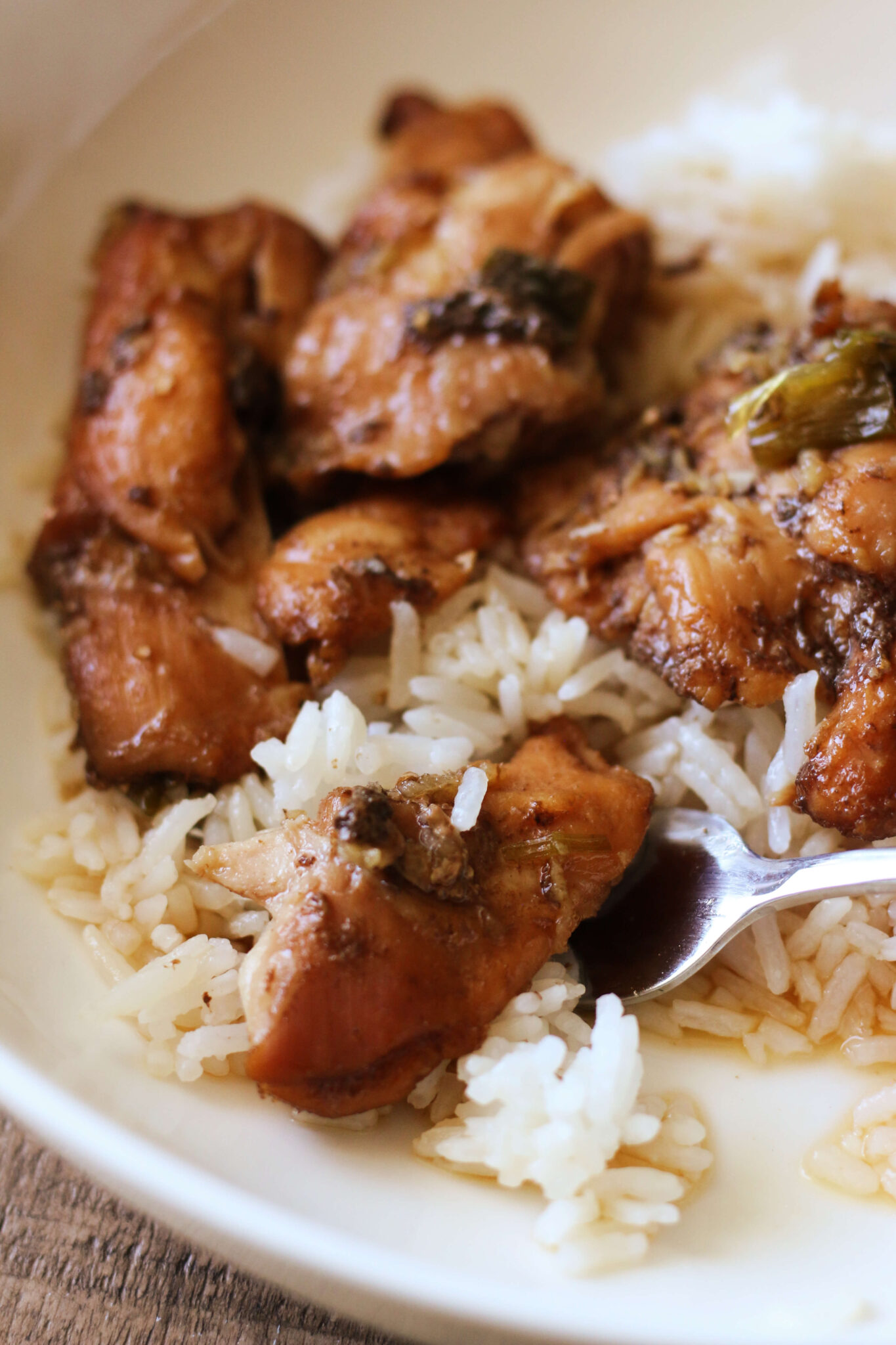
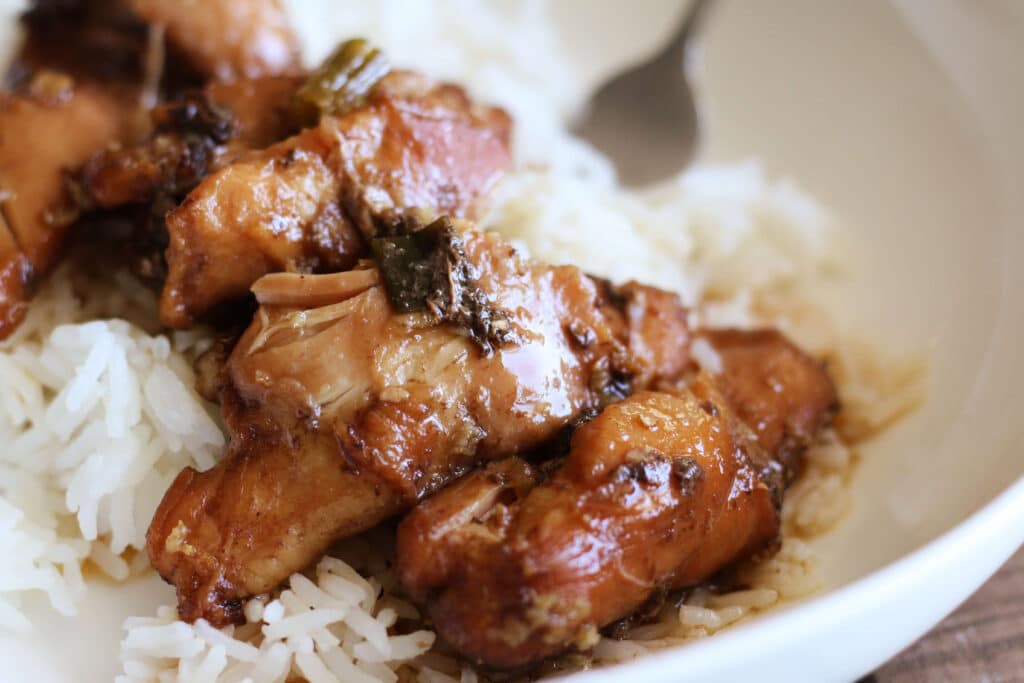
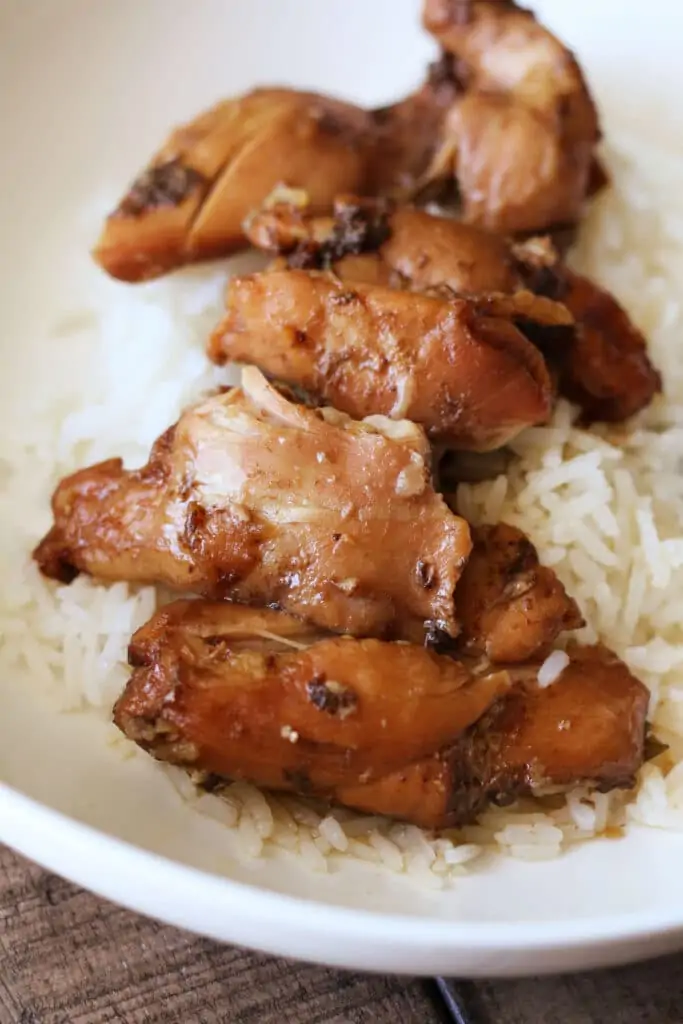
Upon completion of the heat cycle, the chicken is removed or broken apart directly within the vessel. This shredding process increases the surface area of the meat, allowing it to act as a sponge for the remaining sauce. The final product is traditionally served over hot white rice, which serves a functional purpose: the starch in the rice absorbs the excess liquid, ensuring that the nutrient-dense and flavorful sauce is consumed rather than discarded.
Economic Implications of Home-Based Hawaiian Cuisine
The rise in popularity of recipes like the Easy Hawaiian Shoyu Chicken is closely tied to current economic indicators. With the Consumer Price Index (CPI) for food away from home rising significantly in recent years, middle-income households are increasingly seeking "restaurant-quality" experiences within the domestic kitchen. Shoyu Chicken is an economically efficient meal; chicken thighs remain one of the most cost-effective protein sources per pound, and the secondary ingredients (onions, garlic, soy sauce) are shelf-stable staples with low per-use costs.
Market data suggests that the "slow cooker" category of small appliances has maintained steady growth, with a projected compound annual growth rate (CAGR) of 3.8% through 2028. This growth is fueled by the "set-it-and-forget-it" appeal that aligns with the schedules of dual-income households. By replicating a dish that traditionally requires the expertise of a professional "plate lunch" chef, consumers are effectively "insourcing" their culinary entertainment, leading to a shift in how regional cuisines are disseminated across the continental United States and beyond.
Expert Perspectives and Culinary Analysis
Culinary professionals often categorize Shoyu Chicken as a "gateway" dish for those unfamiliar with Pacific Islander flavor profiles. Chef and food historian perspectives suggest that the simplicity of the recipe is its greatest strength. While professional kitchens may use complex stocks or specialized aging processes for their shoyu, the slow cooker version democratizes the dish.
"The slow cooker mimics the low-and-slow braising pots of the plantation camps," notes one culinary analyst. "By allowing the ginger and garlic to steep in the soy-sugar solution over several hours, the home cook achieves a depth of flavor that is difficult to replicate in a high-heat stir-fry or a quick sauté."
Furthermore, the versatility of the recipe allows for various dietary adaptations. The substitution of tamari for soy sauce renders the dish gluten-free, while the use of honey or coconut aminos can cater to those seeking refined-sugar-free or soy-free alternatives. This adaptability ensures the dish remains relevant in a market increasingly focused on personalized nutrition.
Broader Impact and Global Reach
The globalization of Hawaiian cuisine, often referred to as "Hawaii Regional Cuisine" (HRC), has seen the migration of dishes like Shoyu Chicken from the islands to major metropolitan hubs such as Los Angeles, New York, and London. This movement is supported by the "Poke" boom of the mid-2010s, which introduced mainstream audiences to the concept of shoyu-based seasonings.
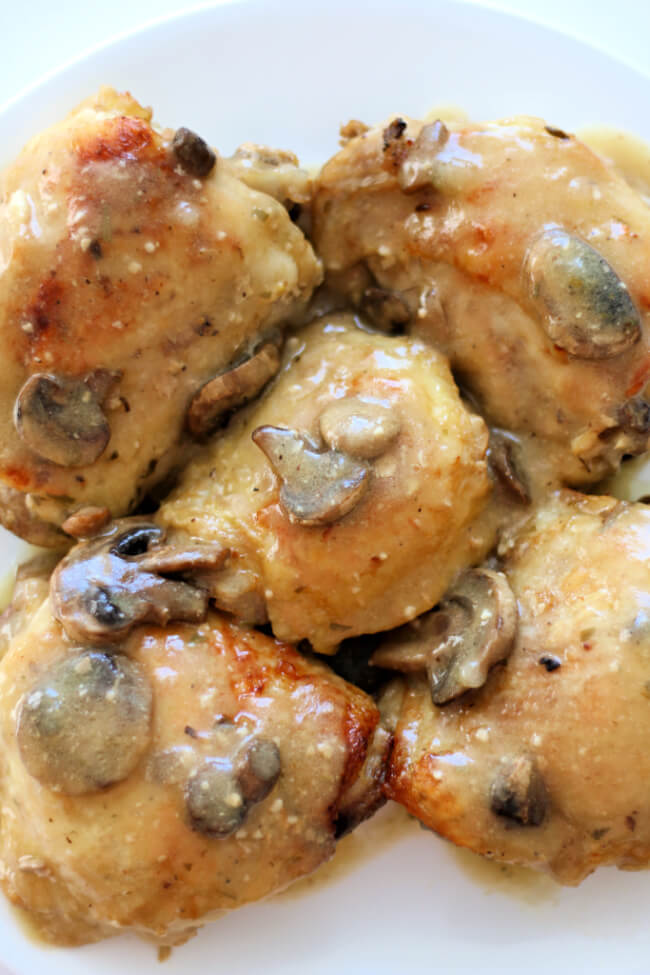
As international travel to Hawaii continues to recover post-pandemic, with visitor spending reaching record highs in recent quarters, the "souvenir appetite" is a documented phenomenon. Travelers returning from the islands seek to recreate the sensory experiences of their vacation, leading to a spike in the popularity of authentic-tasting recipes. The Easy Hawaiian Shoyu Chicken serves as a bridge between travel-based discovery and domestic routine.
In conclusion, the Easy Hawaiian Shoyu Chicken is more than a simple dinner solution; it is a manifestation of historical fusion, economic practicality, and modern culinary technology. Its ability to provide a high-value, flavor-dense meal with minimal manual intervention ensures its place as a staple in the contemporary global kitchen. As the trend toward slow-cooked, regional comfort foods continues to expand, the Shoyu Chicken remains a primary example of how traditional flavors can be successfully adapted for the modern age without losing their cultural essence.
