
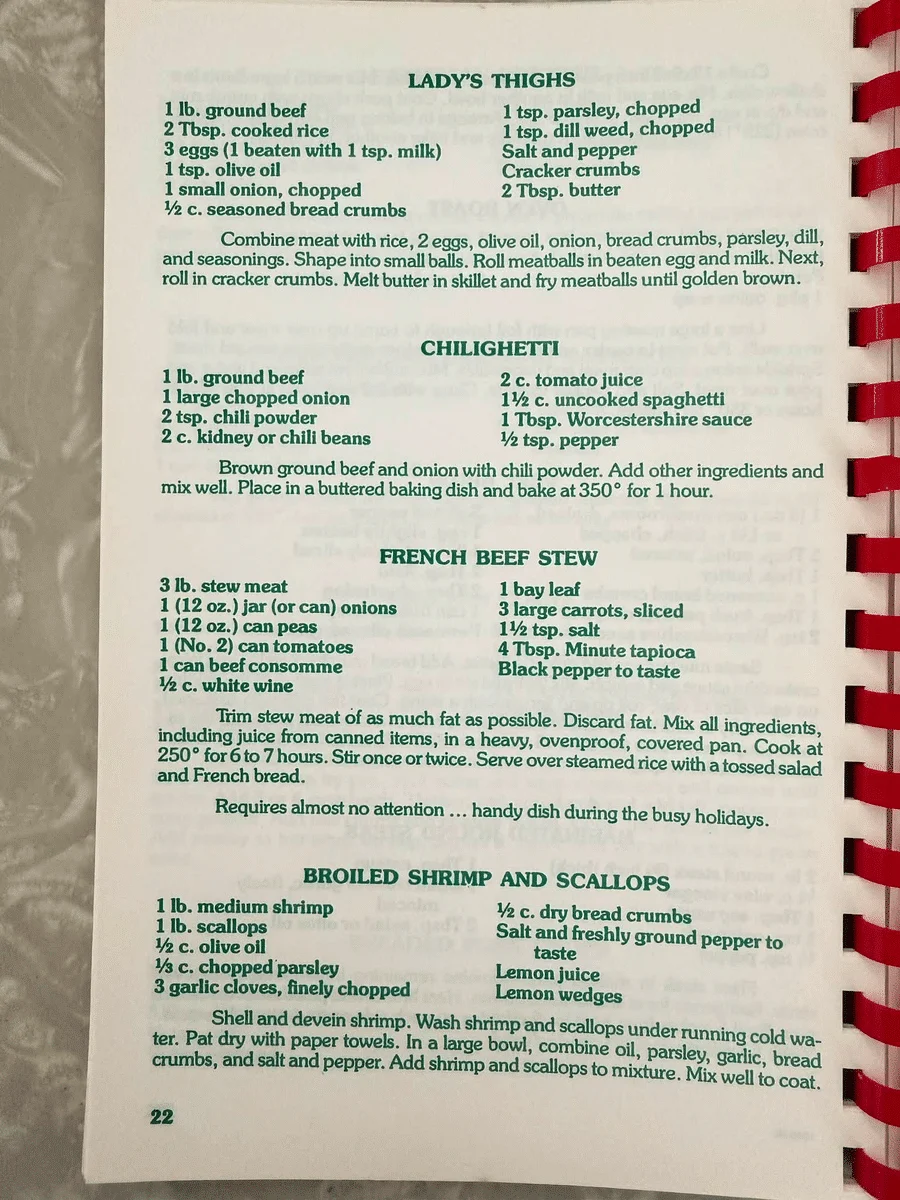
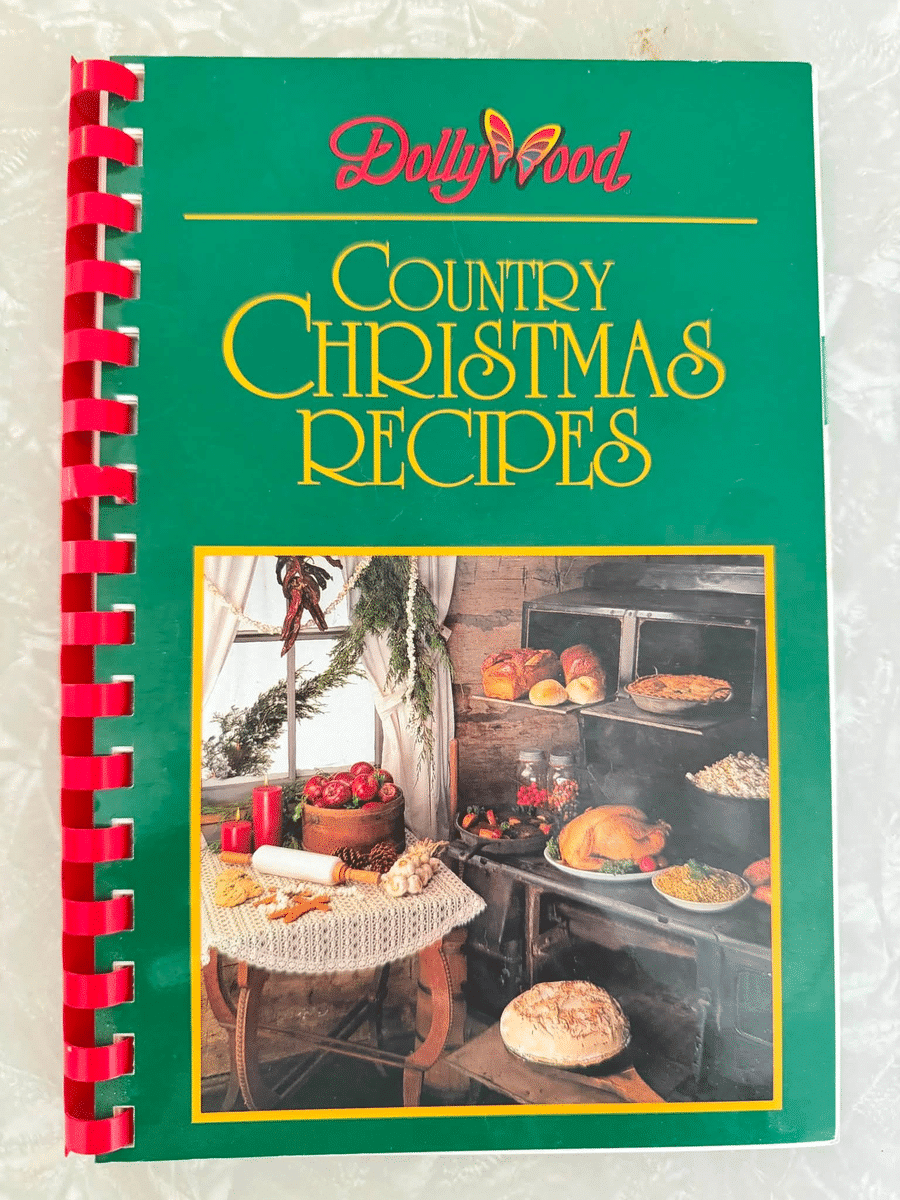
The culinary world often finds its most enduring treasures in unexpected places, and few collections are as culturally significant or as charmingly curated as the 1990 Dollywood Country Christmas Recipes cookbook. Among the many regional staples and comfort food classics housed within that volume, one recipe in particular—noted for its curious nomenclature—has recently resurfaced as a point of interest for home cooks and culinary historians alike: the Lady’s Thighs. This dish, a sophisticated take on a classic meatball preparation, serves as a bridge between Appalachian home cooking traditions and international culinary heritage.
Origins and Etymology: A Global Culinary Connection
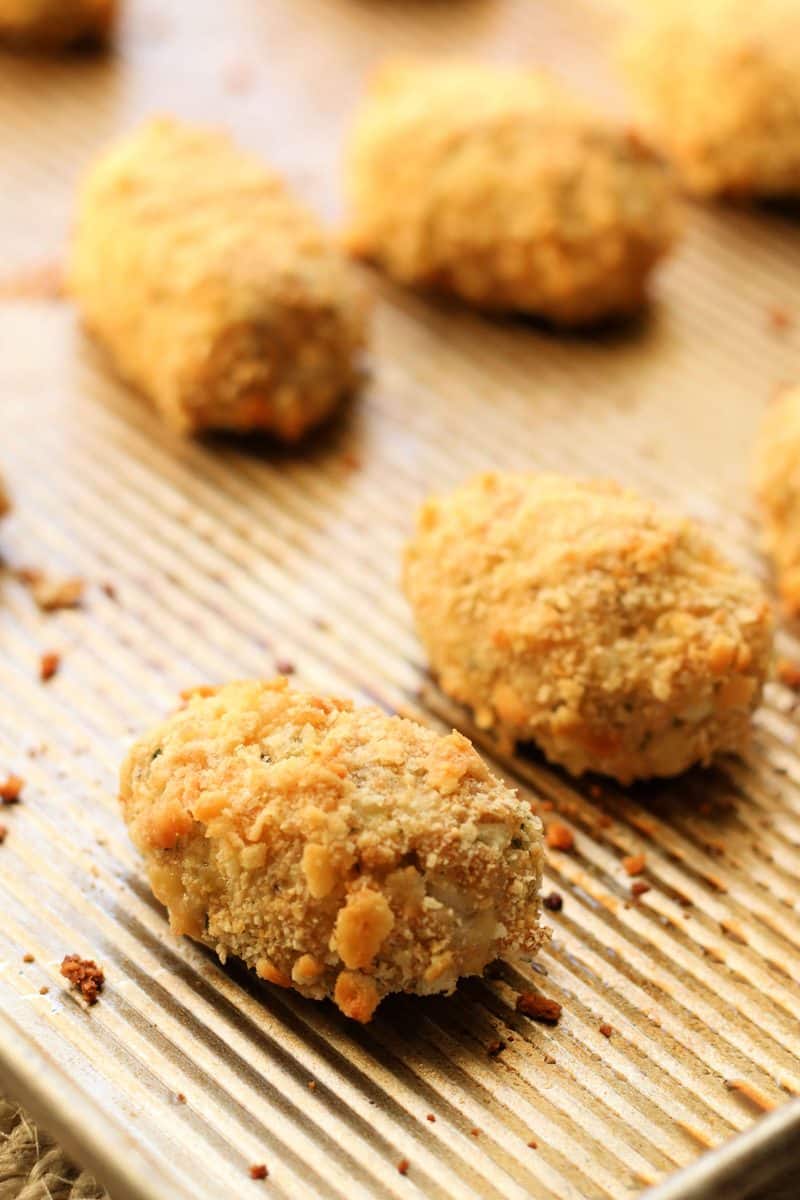
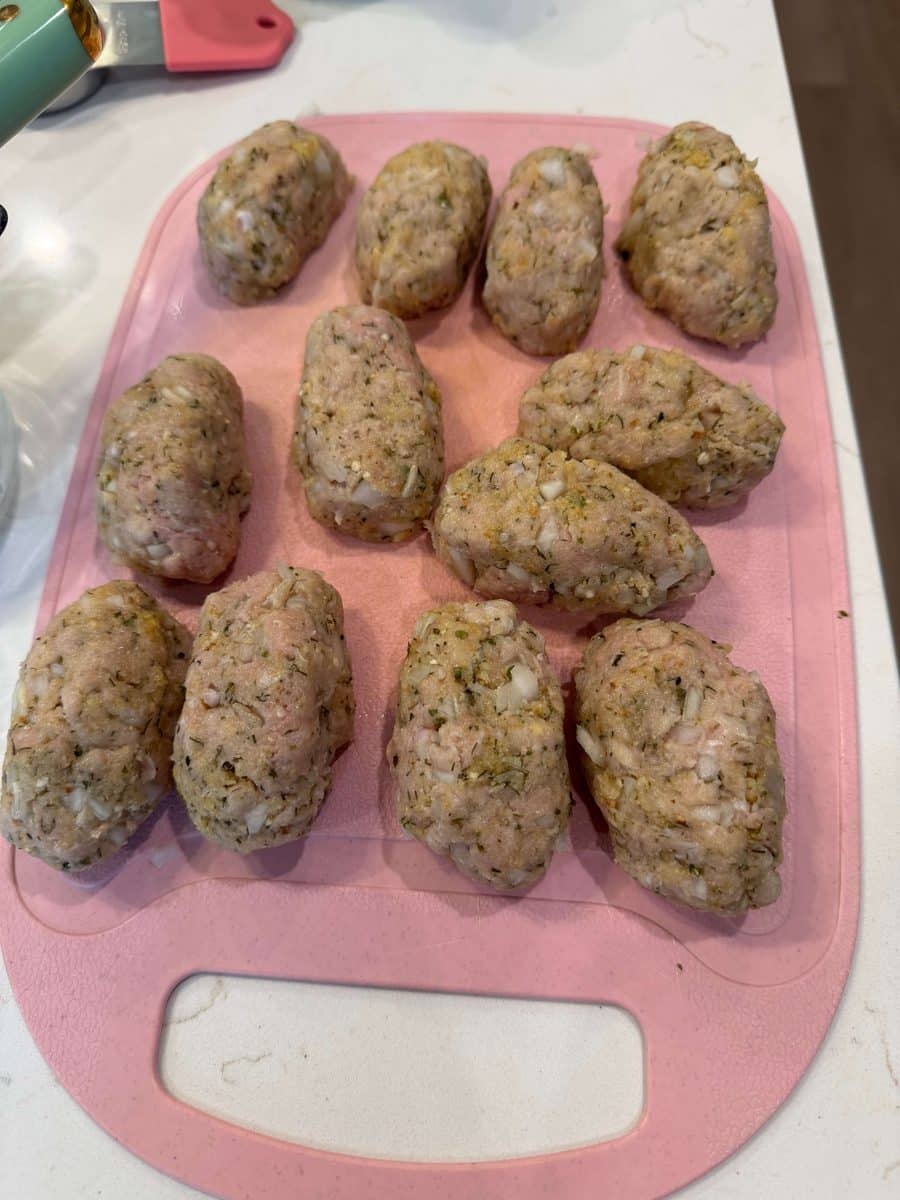
While the name "Lady’s Thighs" might elicit a chuckle from the uninitiated, its origins are rooted in a legitimate and historic Turkish dish known as Kadınbudu Köfte. In Turkish, the translation literally refers to "lady’s thigh meatballs." The nomenclature is derived from the distinct, elongated oval shape of the meatballs, which historically were thought to resemble the silhouette of a woman’s thigh.
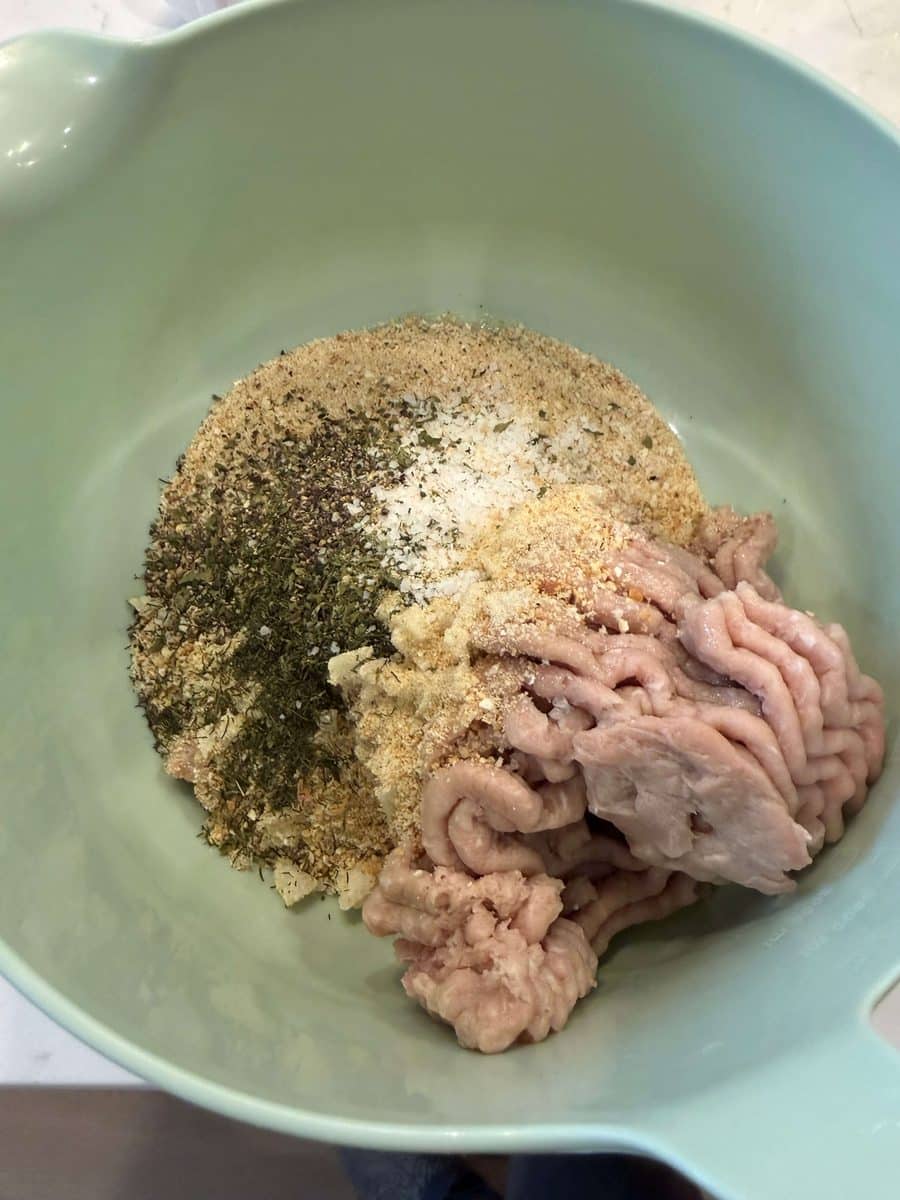
The dish is a traditional staple in Turkish cuisine, characterized by the unique inclusion of cooked white rice mixed directly into the ground meat—typically beef or lamb. This addition serves a functional purpose, creating a tender, moist interior that differentiates it from the denser, all-meat versions more commonly found in Western preparations. When the recipe was adapted for the American palate and featured in the 1990 Dollywood collection, it retained the structural integrity of the Turkish original while pivoting toward ingredients more accessible to the domestic kitchen, such as ground chicken and the quintessential American pantry staple: the Ritz cracker.
The Evolution of the Recipe: From Frying Pan to Oven
The transition of Kadınbudu Köfte from a stovetop-fried street food or home meal to the oven-baked, cracker-crusted version popularized in the Dolly Parton-inspired cookbook represents a common trend in mid-20th-century American recipe development. Traditional Turkish recipes often involve dredging the oval-shaped patties in flour and egg before pan-frying them in oil. This method creates a thin, savory crust.
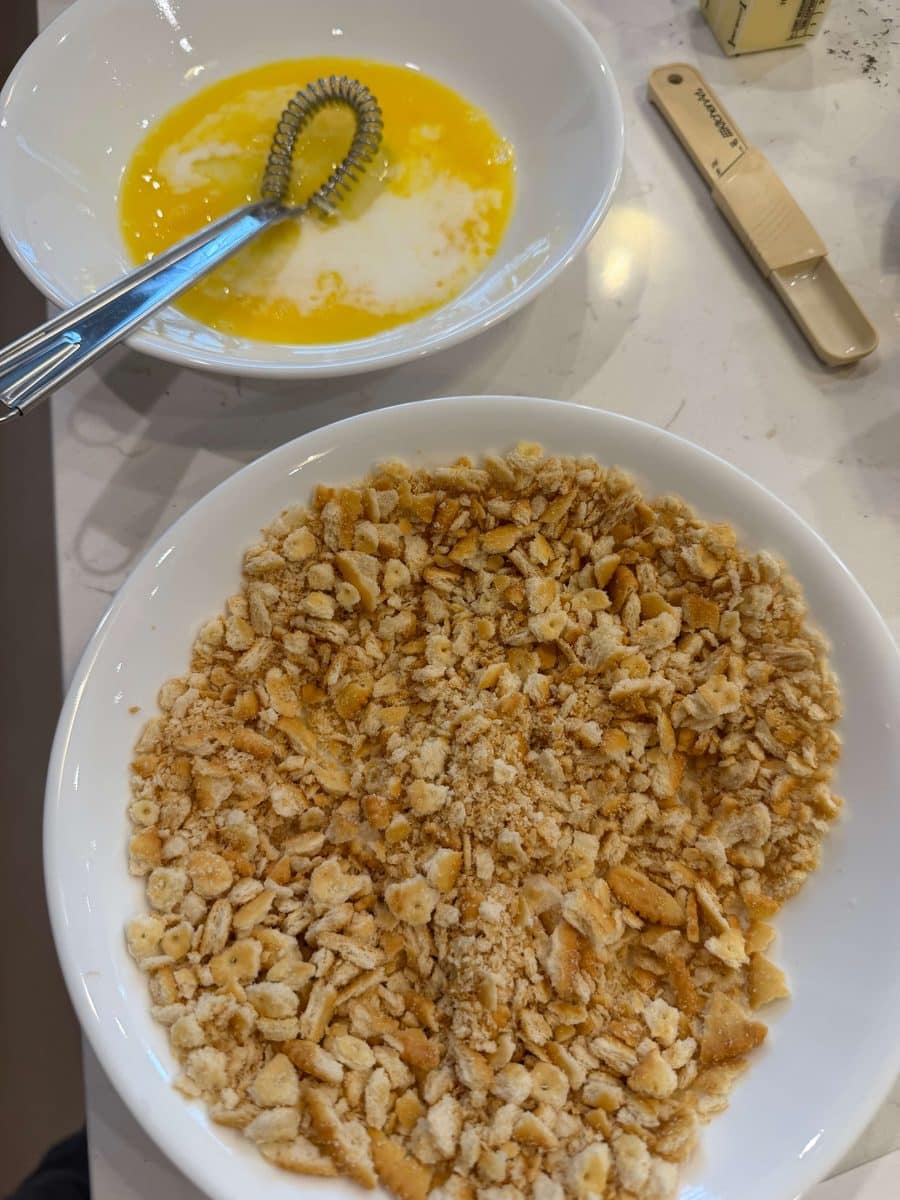
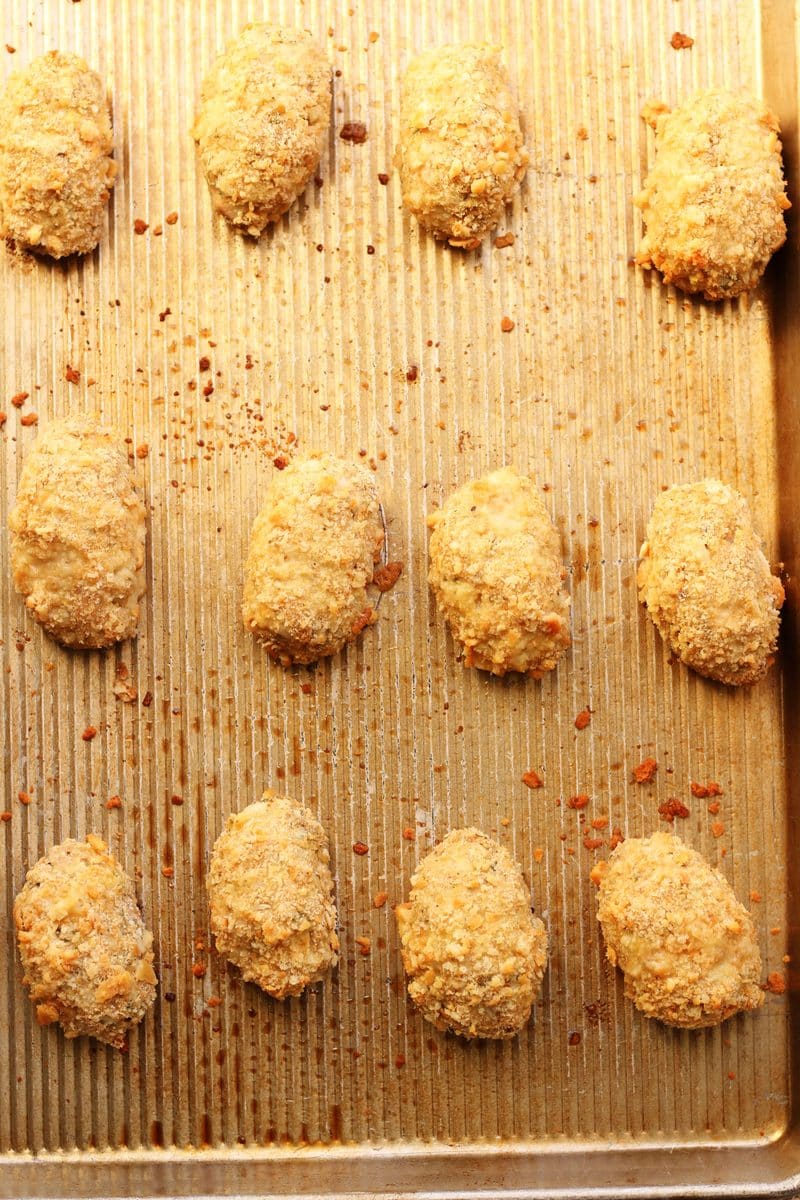
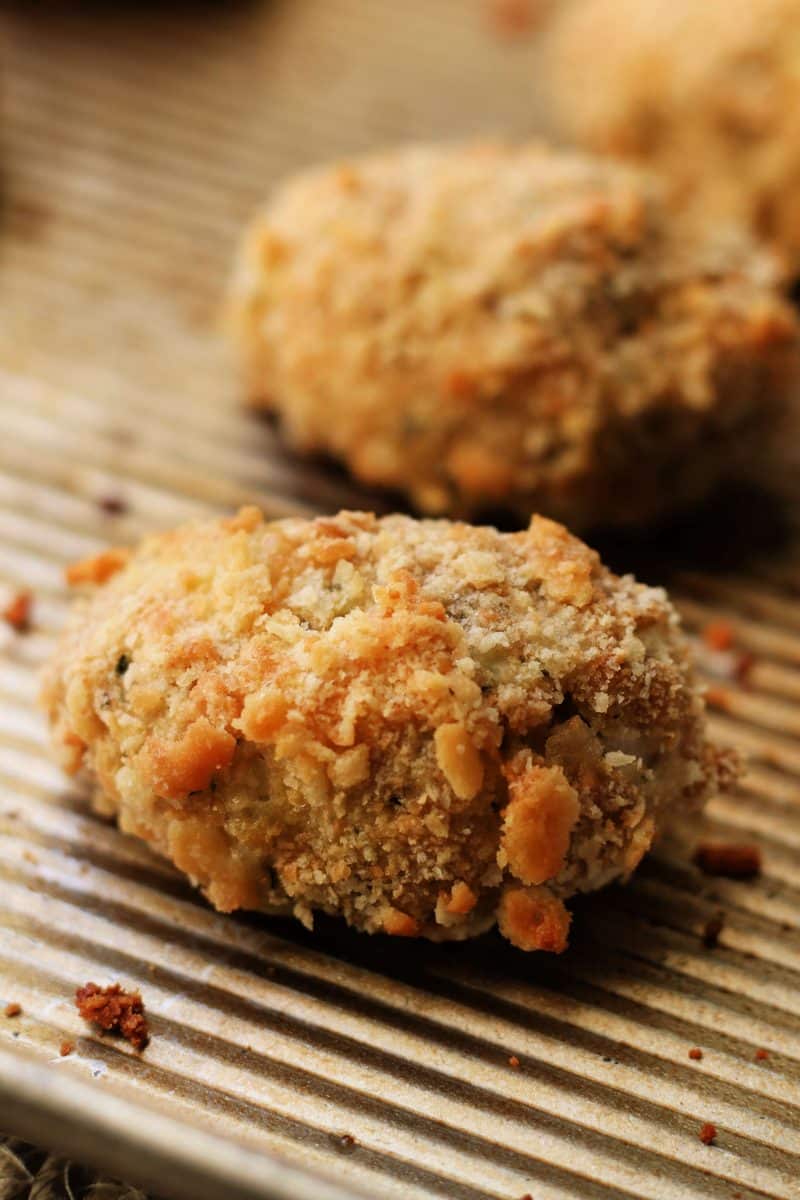
The version found in the Dollywood collection introduces a significant structural change: the use of buttery crushed crackers as a breading agent. By replacing traditional breadcrumbs or flour with pulverized Ritz crackers, the recipe achieves a superior level of crispness when baked in a high-heat oven (typically 400°F). This innovation not only simplifies the cooking process by removing the need for labor-intensive stove-top frying but also introduces a hallmark "buttery" profile that aligns with the comfort-food aesthetic often associated with the South.
Detailed Preparation and Culinary Techniques
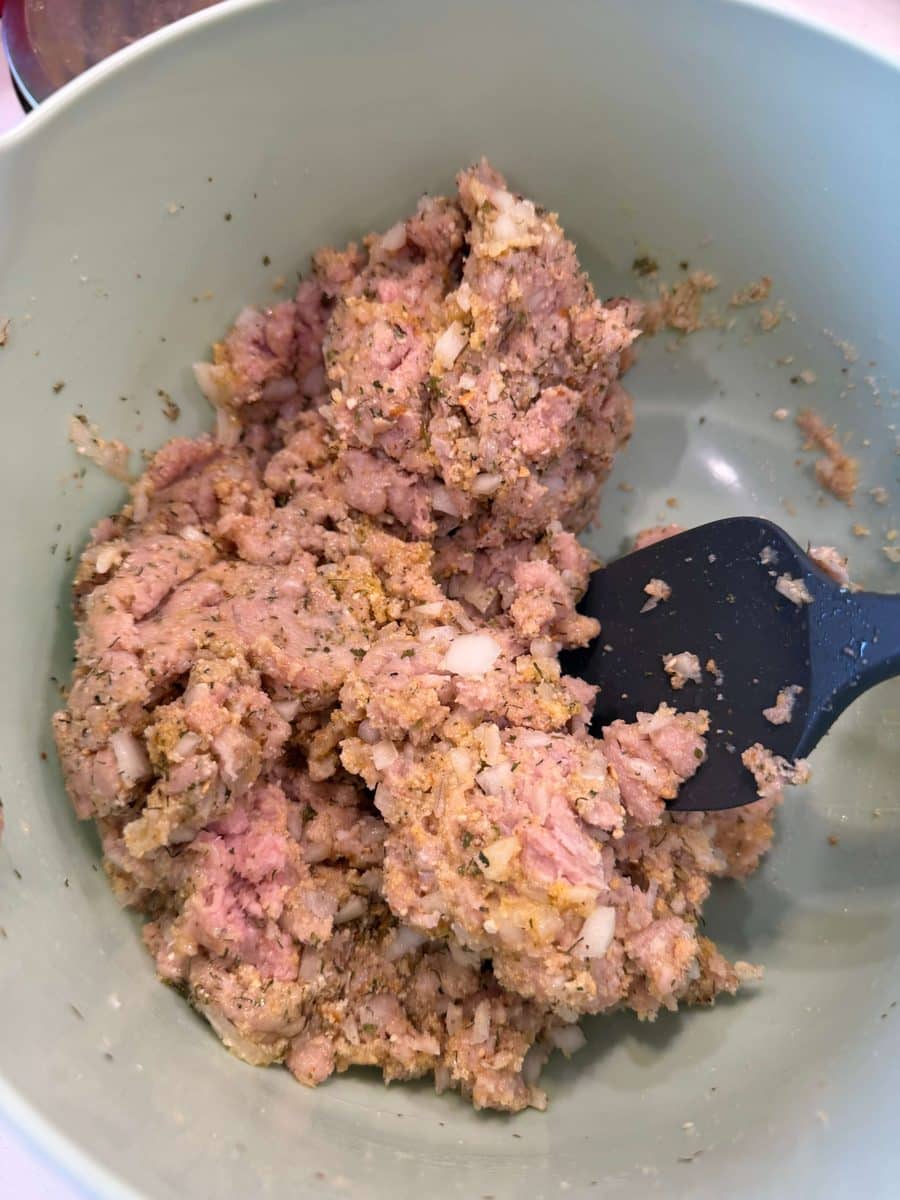
The modern interpretation of this recipe requires a precise balance of ingredients to ensure the meat does not become tough during the baking process. The following synthesis of traditional and adapted techniques outlines the current best practices for executing the dish:
- The Protein Base: Whether using ground chicken or lean beef, the protein serves as the foundation. The incorporation of cooked, cooled rice is the defining technical step. The starch in the rice prevents the meat from tightening too quickly under heat, ensuring a succulent final texture.
- Aromatic Integration: To elevate the flavor profile, finely minced onions, fresh parsley, and dill are typically folded into the mixture. The inclusion of dill is a nod to the Mediterranean roots of the dish, providing a bright, herbaceous contrast to the rich meat.
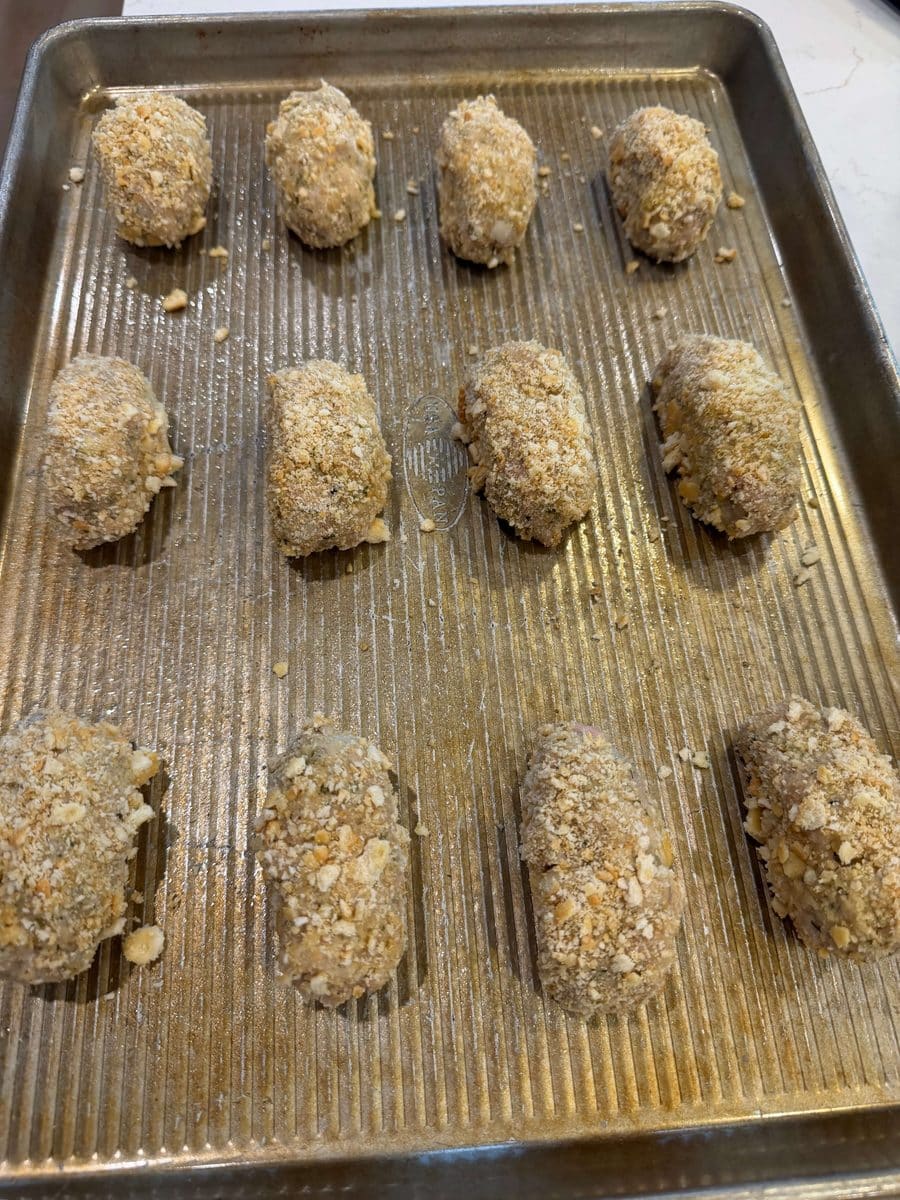
- The Shaping Process: Achieving the signature "lady’s thigh" shape requires damp hands. By shaping the mixture into 2.5-inch ovals that are approximately 1 inch thick, the cook ensures uniform heat distribution during the baking cycle.
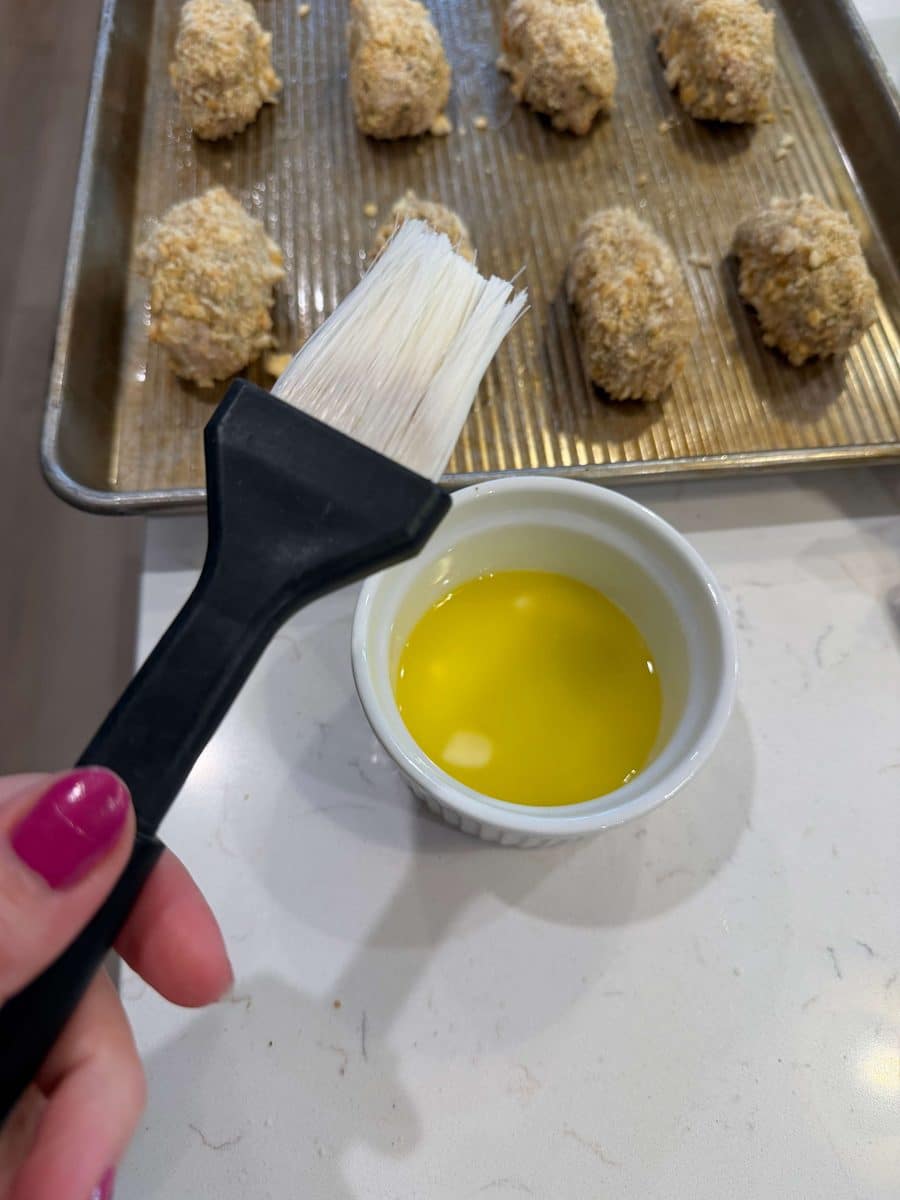
- The Breading and Binding: A two-stage coating process—dipping in an egg-and-milk wash followed by a thorough rolling in crushed crackers—is essential. The butter, which is brushed over the surface before baking, acts as a heat conductor, facilitating the Maillard reaction that turns the exterior a deep, golden brown.
Nutritional and Economic Implications
In the context of 1990s American home economics, this recipe was highly practical. Ground chicken and rice are economical pantry staples, and the use of crackers was a clever way to utilize snack items to enhance the texture of a main course.
From a nutritional standpoint, the shift from pan-frying to oven-baking represents a healthier alternative to the original Turkish method. By reducing the reliance on deep-frying oil, the calorie count is significantly lower while maintaining the desired "crunch" factor. For modern households looking to balance efficiency with flavor, this dish remains a viable candidate for weeknight dinners. It requires minimal active preparation time—typically 15 to 20 minutes—and offers a high yield, as 12 generous portions can be produced from a single batch.
Cultural Significance of Dolly Parton’s Culinary Legacy
Dolly Parton’s influence on American culture extends far beyond her music and philanthropy; her brand is synonymous with the warmth and hospitality of the Tennessee mountains. The inclusion of this recipe in the 1990 Dollywood cookbook underscores a deliberate effort to blend global inspiration with local accessibility.
Culinary sociologists have often noted that celebrities like Parton, who publish cookbooks, perform a vital service in preserving "culinary snapshots" of their era. These books are not merely collections of instructions; they are historical documents that illustrate what families were eating, what ingredients were available, and how global influences were integrated into the American domestic landscape at the end of the 20th century. The fact that Kadınbudu Köfte was selected for inclusion speaks to a broader appreciation for diverse, international flavors in the Southern culinary scene during that period.
Modern-Day Relevance and Future Outlook
In the current era, where "fusion" cooking is commonplace, the Lady’s Thighs meatball stands as an early, accidental example of successful cross-cultural culinary evolution. Today’s home cooks are increasingly turning to archives like the Dollywood collection to find recipes that are "from scratch" but do not require professional culinary training.
The continued popularity of this dish suggests that there is a lasting demand for recipes that possess a narrative history. When a cook prepares these meatballs, they are participating in a multi-generational chain: from the traditional markets of Turkey to the professional kitchens of a theme park in Pigeon Forge, and finally to the modern kitchen.
As food trends continue to oscillate between extreme complexity and minimalist "back-to-basics" cooking, dishes like this maintain their relevance. They provide a reliable, high-quality result that is visually distinct and flavorful. Whether served as a standalone main course with a side of roasted vegetables or as a high-end appetizer, the Lady’s Thighs recipe remains a testament to the fact that good food transcends geography. Its survival from the 1990 cookbook into the digital age—where it is now frequently shared, pinned, and adapted across social media platforms—ensures that the legacy of this dish will continue to evolve, one oven-baked batch at a time.

For those looking to recreate this specific historical iteration, the emphasis remains on the quality of the ingredients: the freshness of the herbs, the texture of the rice, and the crunch of the cracker coating. While the name may always provide a moment of amusement, the dish itself commands respect for its ingenious blend of global technique and local heart.
