
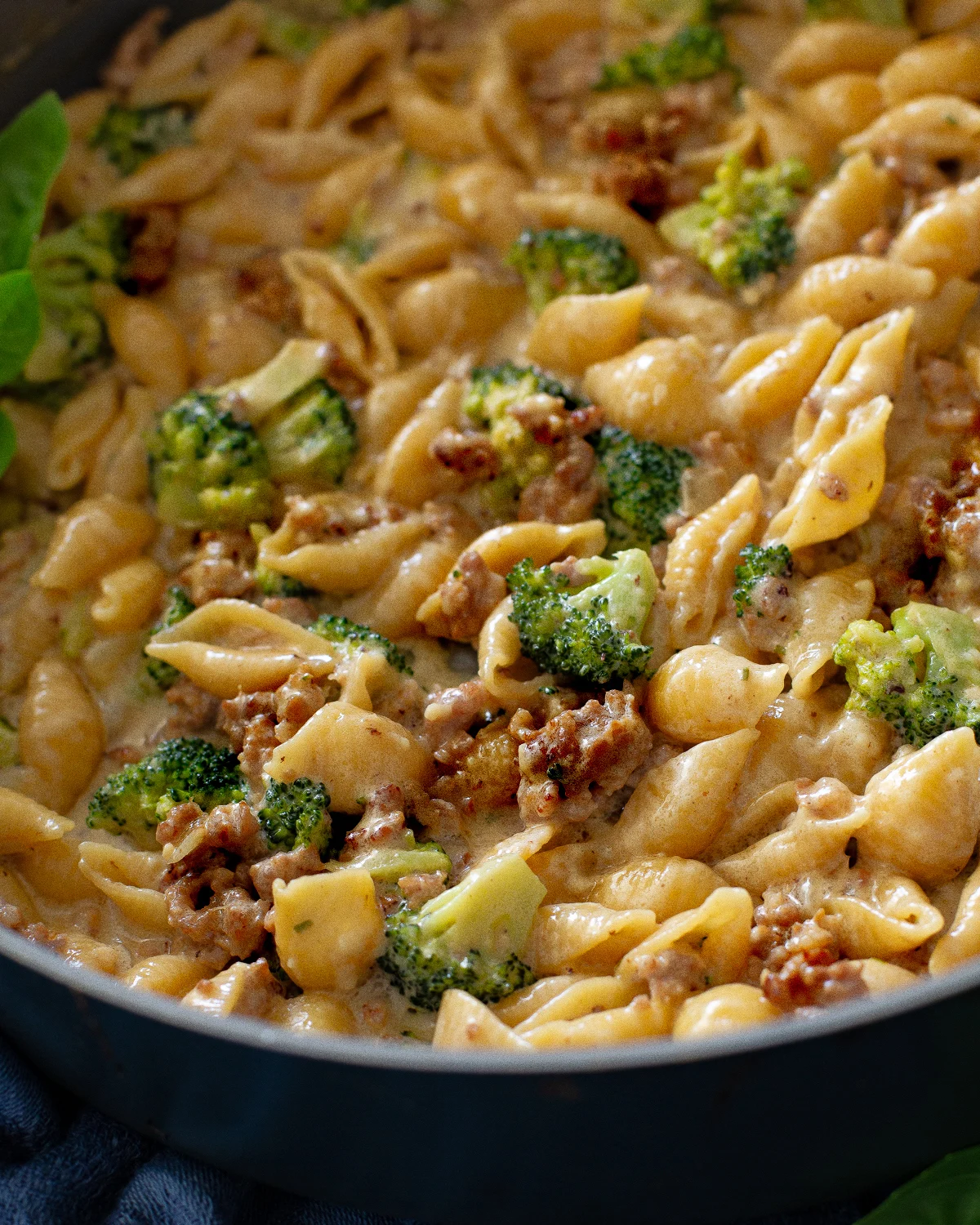
The Evolution of One-Pot Meal Preparation
The move toward single-vessel cooking is not merely a trend but a response to changing socio-economic factors. Modern data suggests that the average household spends significantly less time on meal preparation compared to the mid-20th century, yet the demand for high-quality, home-cooked nutrition remains elevated. The one-pot technique—where pasta, protein, and vegetables are cooked simultaneously in the same liquid—utilizes the starch released by the pasta during the boiling process to create a natural, creamy emulsion. This eliminates the need for flour-based roux or heavy additives, effectively reducing the complexity of the cooking process while maximizing flavor retention.
Historically, the technique of cooking pasta directly in its sauce or with its accompaniments is reminiscent of traditional Italian "risottata" methods. While standard culinary instruction traditionally dictates boiling pasta in copious salted water and draining it, the one-pot approach saves approximately 10 to 15 minutes of water-boiling time and reduces water waste, aligning with modern sustainability initiatives in the kitchen.
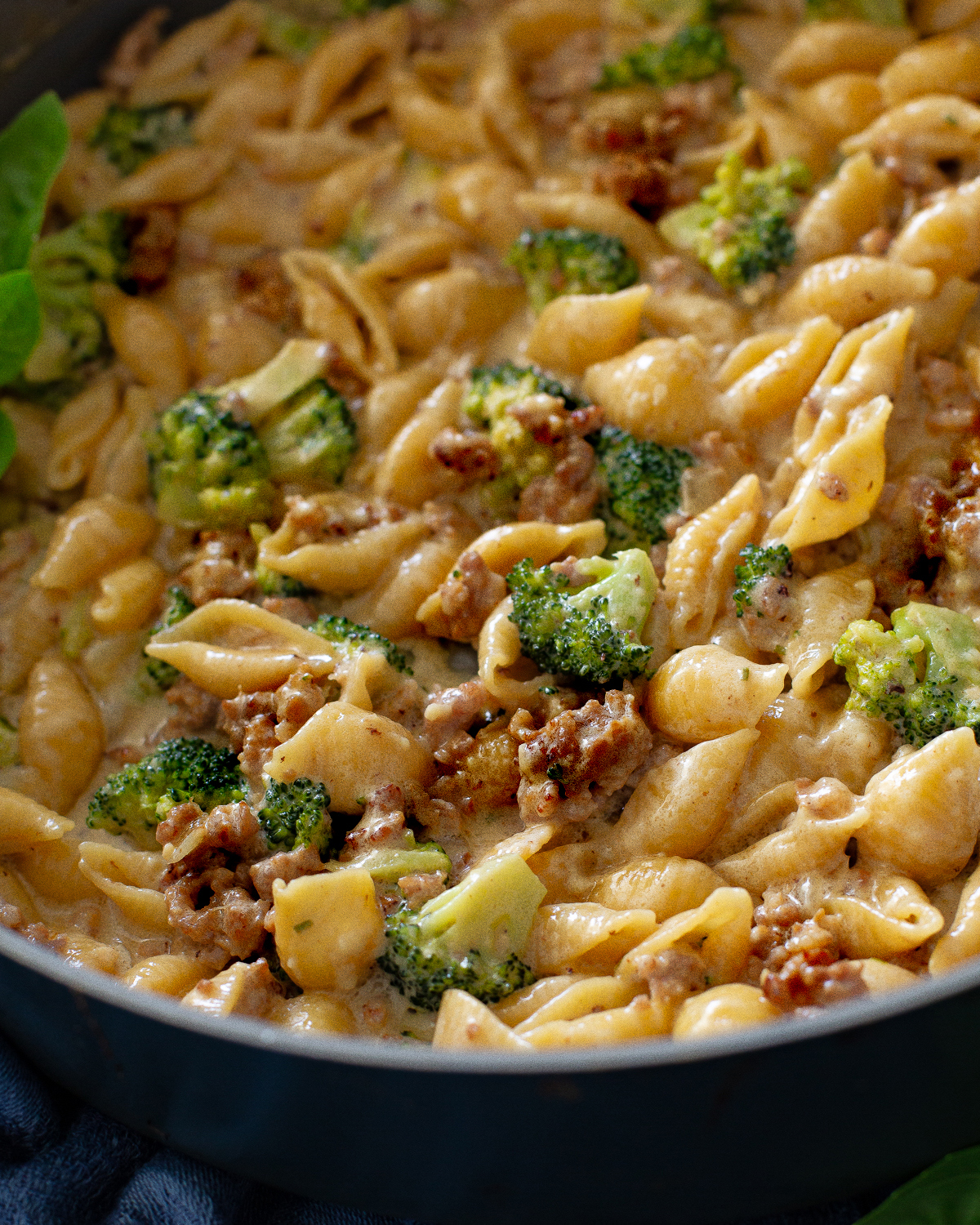
Nutritional Profile and Dietary Flexibility
A standard serving of this dish provides a comprehensive macronutrient profile. Analysis indicates that the combination of pork or turkey sausage provides essential amino acids and lipids, while broccoli contributes fiber, Vitamin C, and Vitamin K. For the health-conscious consumer, the adaptability of this recipe is a primary benefit.
Nutritional data for a single serving of this dish approximates 767 kcal, with 21 grams of protein and 38 grams of carbohydrates. However, the fat content—often derived from the sausage—can be modulated based on the type of meat selected. For instance, the transition from traditional pork Italian sausage to lean turkey sausage can reduce saturated fat intake by up to 30%, making it a versatile option for those monitoring cardiovascular health. The inclusion of broccoli is particularly notable; as a cruciferous vegetable, it is frequently cited by nutritionists as a cornerstone of a balanced diet, offering phytochemicals that support metabolic health.
Chronology of Preparation
The efficiency of the One-Pot Sausage Broccoli Pasta is centered on a strictly ordered assembly. The process typically adheres to a 30-minute timeline:

- Preparation (Minutes 0–5): Chopping the broccoli into uniform florets and prepping the sausage.
- Searing (Minutes 5–12): Browning the sausage in the base of the pot. This step is critical, as the "fond"—the browned bits of meat left at the bottom of the pan—provides the foundational depth of flavor for the entire dish.
- Assembly (Minutes 12–15): Adding the pasta, liquid (broth or water), and seasonings to the pot.
- Simmering (Minutes 15–25): The pasta absorbs the liquid and the starch creates a thickened sauce. The broccoli is introduced during the final stages of the simmer to ensure it retains a desirable, tender-crisp texture.
- Finishing (Minutes 25–30): Final seasoning adjustments and resting, allowing the pasta to reach the ideal al dente texture.
Industrial and Consumer Perspectives
Market researchers in the food and beverage sector have observed a growing demand for "complete meal" recipes that minimize the "kitchen friction" associated with cooking. Industry analysts note that households utilizing batch-cooking strategies often prioritize recipes that remain stable for 48 to 72 hours when refrigerated.
According to culinary experts, the stability of this dish as a leftover is high. Because the pasta is cooked in a controlled amount of liquid rather than drained, it retains a higher moisture content, which prevents the noodles from becoming overly dry or brittle when reheated. Culinary professionals recommend adding a minimal amount of additional liquid—such as vegetable broth or a splash of milk—during the reheating process to restore the viscosity of the sauce, which may thicken due to starch retrogradation during storage.
Broader Implications for Home Dining
The rise of one-pot recipes signals a broader shift in consumer behavior toward simplicity and functional cooking. As inflation impacts grocery prices, the ability to utilize bulk-purchased ingredients—such as large-format bags of broccoli florets—becomes a financial necessity. This dish specifically addresses the "Costco-sized" inventory issue, providing a reliable way to cycle through perishable produce before it expires.
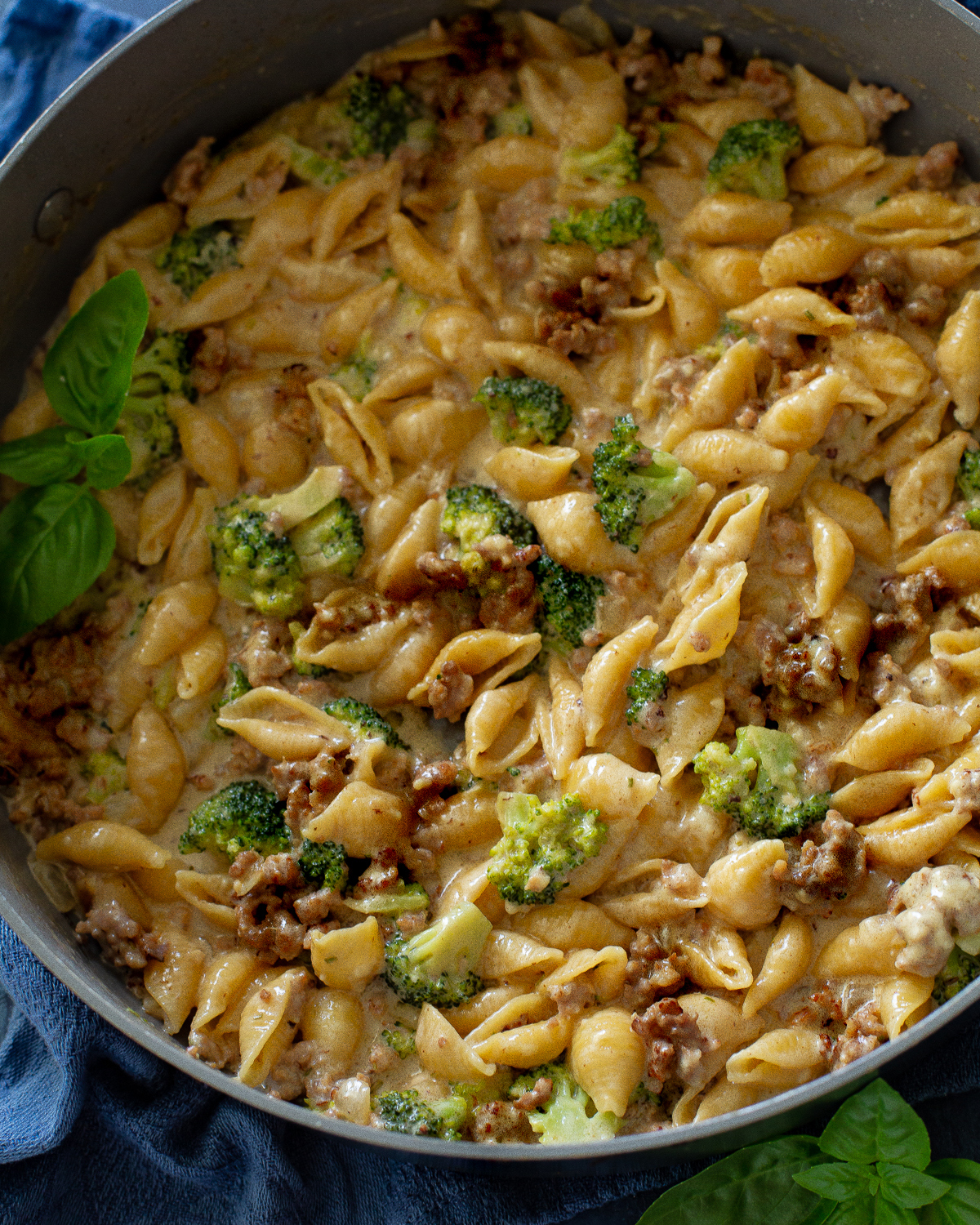
Furthermore, the social implication of such recipes is significant. By reducing the time spent in the kitchen, families are theoretically able to reclaim time for shared dining and leisure. The culinary shift toward the "one-pot" philosophy is essentially an optimization strategy, one that acknowledges the value of time as a limited resource in the contemporary professional household.
Expert Recommendations for Culinary Optimization
For those seeking to refine the preparation of this dish, experts suggest a few tactical adjustments:
- Texture Control: If a crunchier broccoli texture is desired, the timing of the introduction of the vegetable into the pot should be delayed until the final five minutes of the boiling process.
- Flavor Profiles: The use of high-quality, authentic Italian sausage—often seasoned with fennel, garlic, and paprika—provides a robust flavor base that minimizes the need for excessive salt or secondary spices.
- Liquid Ratios: The success of the one-pot method relies on the ratio of liquid to pasta. If the pasta appears to be absorbing liquid too quickly, adding small, incremental amounts of boiling water is preferred over large, sudden additions, which can dilute the sauce’s flavor.
Conclusion
One-Pot Sausage Broccoli Pasta stands as a definitive example of modern culinary engineering. By prioritizing efficiency, nutritional balance, and minimal cleanup, it addresses the fundamental challenges of the daily meal-planning cycle. As consumers continue to seek ways to balance the demands of a busy lifestyle with the necessity of preparing healthy, home-cooked meals, the integration of simplified, high-output cooking methods will likely remain a permanent feature of the domestic kitchen. Whether utilized as a weekly staple or an occasional solution for managing pantry stock, the dish remains a testament to the effectiveness of thoughtful, streamlined meal design. Through the careful selection of proteins and vegetables, and an adherence to the science of starch-based sauce thickening, home cooks can achieve restaurant-quality results in a fraction of the time typically required for traditional pasta preparation.
