
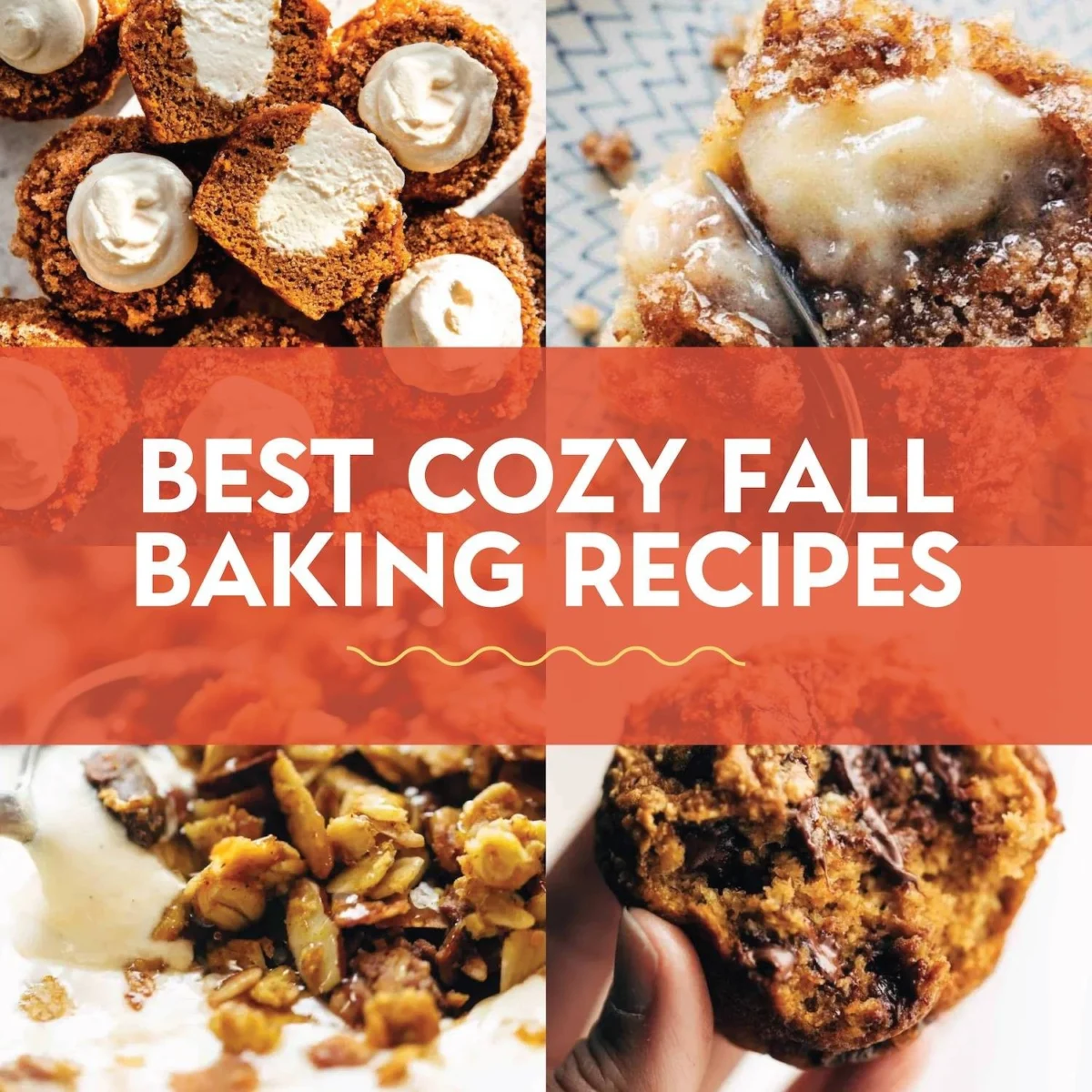
The arrival of the autumnal equinox serves as a definitive seasonal marker for the culinary industry, triggering a measurable surge in consumer interest regarding home baking, seasonal ingredient sourcing, and comfort-focused meal preparation. As temperatures decline across the Northern Hemisphere, market data consistently reflects a transition in household shopping habits, with a significant uptick in the procurement of seasonal staples such as pumpkins, apples, cinnamon, and various root vegetables. This shift represents more than a mere cultural tradition; it is a predictable economic phenomenon that drives retail traffic and shapes the editorial focus of food media organizations globally.
The Seasonal Shift in Consumer Behavior
Market analysis from the past decade indicates that the fall season accounts for a substantial percentage of annual baking ingredient sales. According to data from the National Grocers Association, the months of September through November consistently register the highest demand for shelf-stable pantry items such as flour, sugars, spices, and canned pumpkin purée. This trend is inextricably linked to the cultural significance of the harvest season, which historically provided a window for food preservation and the utilization of late-season produce.

Modern consumers are increasingly turning to heritage recipes that prioritize scratch-made preparations. This "back-to-basics" movement, which gained momentum during the early 2020s, continues to exert influence on current baking trends. The preference for items like apple crisp, pumpkin-based breads, and cinnamon-spiced muffins is driven by a desire for "culinary nostalgia"—the psychological comfort derived from traditional, sensory-rich food experiences.

Chronology of Autumnal Baking Traditions
The evolution of fall baking can be traced back to agrarian roots, where the end of the harvest necessitated the efficient use of surplus crops. In North America, the integration of indigenous ingredients like pumpkin with European pastry techniques formed the foundation of what is now considered standard American autumn cuisine.

- Mid-September: The onset of apple harvesting across temperate regions initiates the first wave of seasonal baking, focusing on fruit-forward desserts like crisps and cakes.
- Early October: As pumpkin yields reach their peak, market interest shifts toward squash-based recipes, ranging from dense breads to sophisticated pastries incorporating maple and cream cheese elements.
- Late October to November: The focus broadens to include spiced profiles, such as gingerbread and cinnamon-heavy brioche products, leading into the winter holiday season.
Nutritional Trends and Ingredient Innovation
While traditional baking remains popular, there has been a documented evolution in the composition of these recipes. Nutritional science and dietary shifts have compelled home bakers to experiment with alternative ingredients without sacrificing the structural integrity of the final product.

Current data suggests a rise in the use of high-fiber, lower-glycemic binders in baking. For example, the substitution of refined white flour with oat-based flours or quinoa in granolas and muffins is now a standard practice among health-conscious demographics. Furthermore, the use of heart-healthy fats—such as olive oil or nut butters—in place of traditional butter or hydrogenated oils has moved from niche culinary blogs to mainstream household practice.

The "Feel-Good" muffin segment, characterized by the inclusion of coconut, chia seeds, and maple syrup as a natural sweetener, reflects a broader trend toward functional food consumption. This does not necessarily signal a departure from indulgence, but rather an optimization of ingredients that satisfy both physiological needs and sensory cravings.

Economic and Industry Implications
The ripple effects of the fall baking season are felt across the supply chain, from agricultural cooperatives to retail grocery giants. The increased demand for specific produce—namely Honeycrisp apples and culinary-grade pumpkins—necessitates advanced inventory management. Retailers often front-load their stock of seasonal baking supplies as early as late August to capitalize on the anticipated consumer behavior.

Industry experts note that the "coziness factor"—a term used to describe the market appeal of comfort foods—has a measurable impact on brand loyalty. Companies that align their marketing and product development with these seasonal windows often see an increase in quarterly revenue. For instance, the proliferation of "pumpkin spice" as a marketing modifier across both beverage and bakery sectors has proven to be a highly successful strategy for driving consumer engagement during the fourth quarter.

Expert Perspectives on Home Culinary Education
Culinary historians argue that the resurgence of home baking is also a reaction to the increasing mechanization and industrialization of the food system. By engaging in the process of baking—measuring, mixing, and monitoring heat—consumers are reclaiming a sense of agency over their food sources.

"The act of baking is inherently therapeutic," notes Dr. Elena Vance, a food sociologist. "When people are faced with the instability of the external world, the controlled environment of a kitchen provides a structured, predictable outcome. The success of a simple cinnamon sugar apple cake or a loaf of pumpkin bread is a micro-victory that provides immediate psychological satisfaction."

Practical Applications for the Modern Home Baker
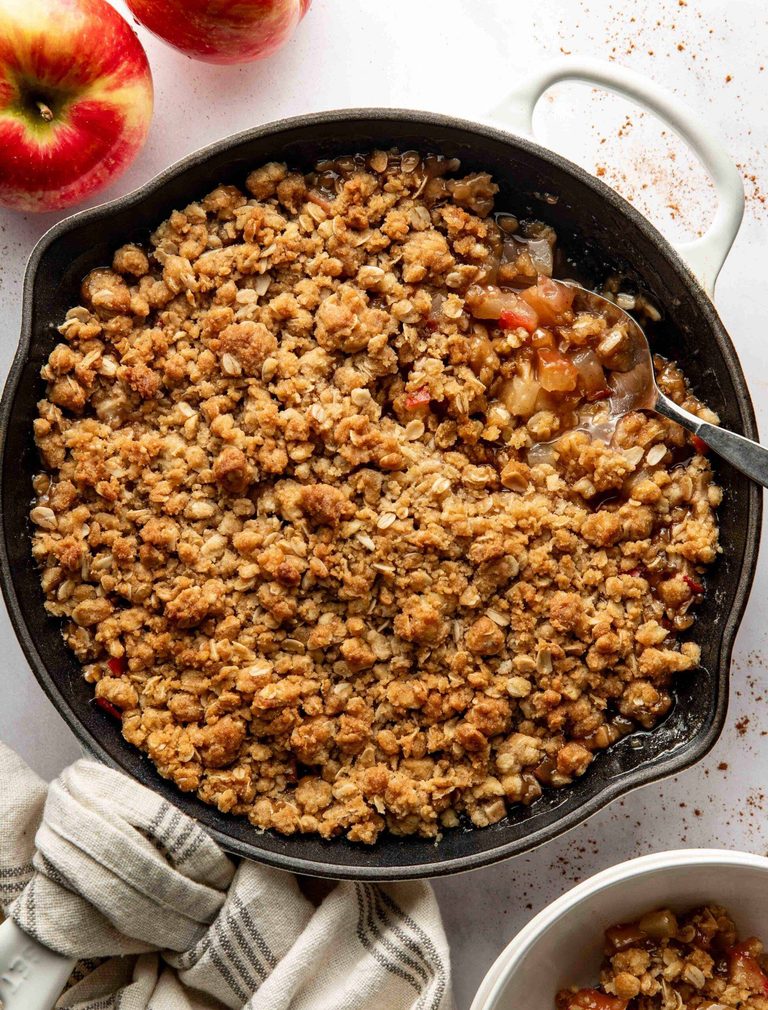
For those looking to optimize their autumnal culinary efforts, experts recommend a balanced approach to ingredient sourcing and technique. The success of a high-quality apple crisp, for instance, relies on the selection of apple varieties that retain their structure under heat, such as the Honeycrisp or Granny Smith.

Similarly, the technical execution of a monkey bread or a batch of cinnamon rolls requires an understanding of fermentation and temperature control. The use of brioche dough, while more labor-intensive than standard leavened doughs, provides a superior texture that is essential for high-quality pastry.

Regarding the storage of baked goods, professionals emphasize the importance of airtight preservation, particularly for items containing moist ingredients like pumpkin purée or cream cheese fillings. The shelf life of these items is notably shorter than that of dry goods, and refrigeration is essential to prevent microbial growth.

Future Projections
As we look toward the future of seasonal baking, it is clear that the integration of technology and tradition will continue to define the space. Digital platforms have democratized access to professional-level baking techniques, allowing home cooks to replicate complex recipes—such as dulce de leche-infused tiramisu or maple-glazed pumpkin biscuits—with high accuracy.

The trend toward sustainability is also expected to influence future baking habits. There is a growing interest in sourcing produce from local farmers’ markets rather than large-scale distributors, which reduces the carbon footprint associated with transportation and ensures a fresher product. Furthermore, the minimization of food waste through the creative use of leftover ingredients—such as using overripe bananas in muffin bases or stale bread in bread puddings—aligns with a global movement toward circular consumption.

Conclusion
The autumn baking season remains a vital component of the culinary calendar, serving as a convergence point for culture, commerce, and personal wellness. Whether one is preparing a simple single-serving apple crisp in a microwave or undertaking the multi-step process of crafting brioche cinnamon rolls, the objective remains the same: the creation of a tangible, nourishing experience. As we continue to navigate the demands of modern life, the ritual of the oven—and the warmth it provides—will undoubtedly persist as a foundational pillar of domestic life. By understanding the nutritional nuances, the historical context, and the economic drivers behind these traditions, the modern baker is better equipped to participate in a centuries-old practice that continues to evolve with the times.
