
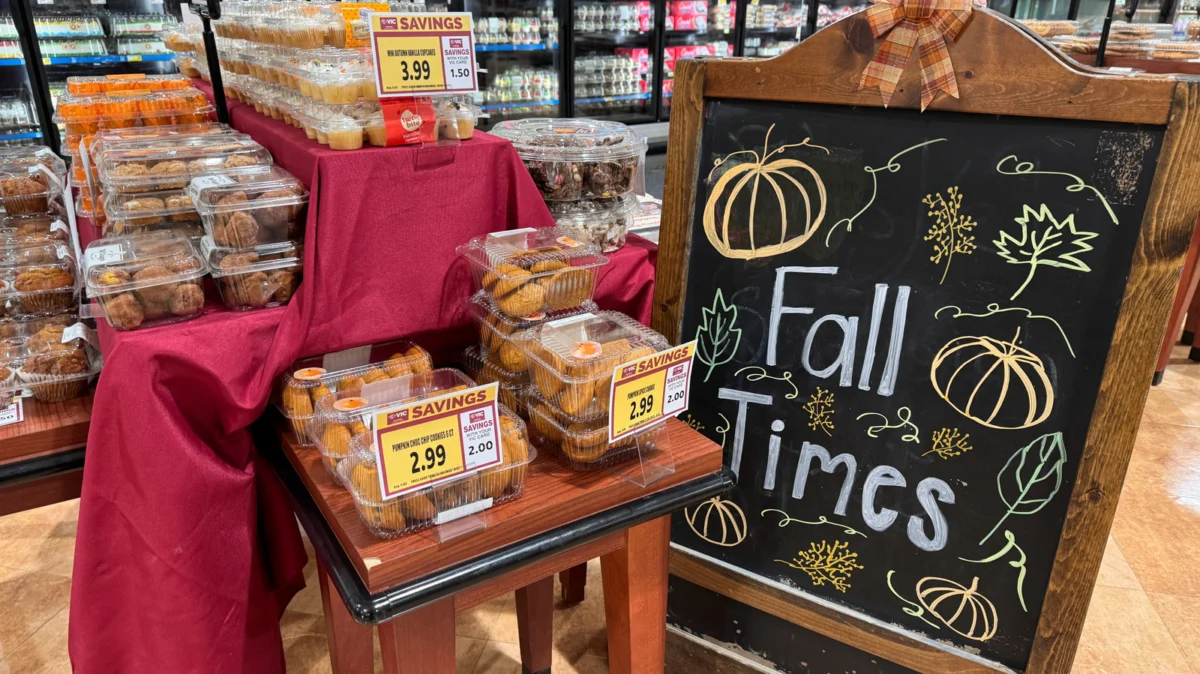
The seasonal obsession with pumpkin-flavored products has evolved from a niche autumn trend into a significant economic driver within the American grocery industry. As the calendar shifts toward the final quarter of the year, major retailers and food manufacturers intensify their production of pumpkin-spiced inventory, moving well beyond the traditional pumpkin pie. Market analysts observe that the "pumpkin spice" phenomenon now begins as early as late August, with consumer demand peaking in October. While scratch-made desserts remain a culinary staple, the current retail landscape offers a sophisticated array of store-bought alternatives that provide convenience without sacrificing the complex flavor profiles consumers expect.
The Evolution of Seasonal Retail Trends
Data from recent consumer reports indicates that the pumpkin flavor category generates hundreds of millions of dollars in annual sales. This growth is largely attributed to the diversification of products. Where retailers once relied solely on canned pumpkin puree and pre-made pies, the current market features high-end bakery items, artisanal-style frozen desserts, and specialized confectionery products. The shift reflects a broader consumer preference for "accessible luxury"—products that provide a high-quality, bakery-grade experience at a lower price point and with the convenience of a single grocery trip.
Curated Selections for the Autumn Palate
The following list evaluates 13 standout store-bought pumpkin desserts, selected based on ingredient quality, texture, and positive consumer reception across national retail chains.
Aldi Bake Shop Pumpkin Cookie Sandwiches
Aldi has effectively utilized its private-label strategy to capture seasonal market share. The Bake Shop Pumpkin Cookie Sandwiches ($4.99) represent a successful fusion of texture and spice. By utilizing a cinnamon cream cheese filling, the product avoids the common pitfall of being overly saccharine. Notably, the inclusion of a peanut- and tree nut-free formulation addresses growing consumer demand for allergen-conscious snack options, broadening the product’s reach in a competitive segment.
Pillsbury Grands! Pumpkin Spice Rolls
Pillsbury, a brand synonymous with shelf-stable convenience, continues to dominate the breakfast and dessert crossover market with its limited-edition Pumpkin Spice Rolls. The product’s success is bolstered by a strategic partnership with Cinnabon, which provides a familiar flavor architecture for consumers. Beyond the standard baking instructions, social media trends have encouraged consumers to adapt the product for air fryers or muffin tins, significantly extending the product’s lifecycle and utility.
Trader Joe’s Pumpkin Cream Cheese Croissants
Trader Joe’s seasonal release strategy remains a benchmark for retail FOMO (fear of missing out). The Pumpkin Cream Cheese Croissants, found in the bakery section, offer a high-quality pastry experience that mimics artisanal bakery standards. The precise balance of ginger, nutmeg, clove, and cinnamon within a buttery, flaky crust demonstrates a move toward more complex flavor profiles, steering away from one-dimensional sweetness.
Kirkland Signature Pumpkin Cheesecake with Whipped Topping
Costco’s bakery division has cultivated a reputation for high-volume, high-quality dessert offerings. The Kirkland Signature Pumpkin Cheesecake ($21.99) is a significant investment for a household, yet it consistently ranks high in consumer satisfaction. The mousse-like consistency of the pumpkin base provides a textural contrast to standard, denser cheesecakes, effectively positioning the product as a centerpiece for large-scale social gatherings.
Kirkland Signature Pumpkin Streusel Muffins
For consumers seeking a smaller, more frequent indulgence, the eight-count Pumpkin Streusel Muffin package offers a cost-effective alternative to the larger cheesecake format. The product highlights the importance of textural contrast in commercial baking; the addition of streusel provides a crunch that elevates the moist, spiced cake.
Alden’s Organic Pumpkin Spice Ice Cream
The premium ice cream market has increasingly adopted seasonal flavors as a staple. Alden’s Organic, available at health-conscious retailers like Sprouts, utilizes organic ingredients and natural extracts of clove, ginger, and nutmeg. This commitment to quality ingredients has allowed it to compete with traditional dairy brands, appealing to a demographic that prioritizes ingredient transparency alongside flavor.
Nestle Toll House Pumpkin Spice Cookies
Nestle Toll House maintains a strong presence in the home-baking category by simplifying the process for consumers. The inclusion of white chocolate chips in their pumpkin spice dough serves to mitigate the acidity of the spices, creating a balanced flavor profile. The ability to produce 20 cookies in under 15 minutes remains a primary driver for the product’s popularity among families.
bettergoods Pumpkin Chai Cheesecake
Walmart’s "bettergoods" line represents a strategic push into higher-end, complex flavor profiles. The Pumpkin Chai Cheesecake is a notable departure from traditional recipes, incorporating cardamom, black pepper, and anise. This multi-dimensional approach to spice reflects a more sophisticated consumer palate, signaling a maturation of the pumpkin-spice industry.
Entenmann’s Pumpkin Spice Donuts
Entenmann’s continues to leverage brand nostalgia, a powerful psychological driver in the food industry. The brand’s consistent ability to maintain a moist, tender texture in its glazed donuts sets it apart from shorter-shelf-life bakery items. The moderate application of glaze ensures that the pumpkin flavor remains the focal point, rather than the sugar content.
Favorite Day Frozen Pumpkin Spice Ice Cream Bites
Target’s Favorite Day brand has focused on presentation, producing dome-shaped ice cream bites that mimic high-end confectionery. The shell-and-filling construction offers a distinct sensory experience—the "snap" of the chocolate shell followed by the creamy, spiced ice cream—which appeals to the modern consumer’s desire for snackable, portion-controlled treats.
Member’s Mark New York Style Pumpkin Cheesecake
Sam’s Club provides a formidable competitor in the wholesale dessert space. The New York-style cheesecake, which utilizes a dense, cream-heavy base swirled with pumpkin, offers a classic flavor profile that resonates with traditionalists. The pre-cut portions enhance the utility of the product, particularly for event hosting, where convenience is as critical as taste.
Signature Select Pumpkin Coffee Cake Danish
Albertsons’ private-label efforts with the Pumpkin Coffee Cake Danish demonstrate the integration of bakery techniques into supermarket offerings. The use of malted barley flour provides a depth of flavor that is often absent in mass-market pastries. The product’s versatility, suitable for both breakfast and dessert, ensures high turnover in the bakery aisle.
Tate’s Bake Shop Pumpkin Spice Cookies
Tate’s Bake Shop is widely recognized for its unique, thin, and crisp cookie texture. By applying this signature style to a seasonal pumpkin flavor, the brand creates a product that feels distinct from the softer, cake-like cookies that dominate the category. This crunch-centric approach provides a different mouthfeel, catering to those who prefer a less dense dessert option.
Economic and Culinary Implications
The proliferation of these items reveals a permanent shift in how retailers approach seasonal inventory. Manufacturers have moved beyond the "pumpkin spice" gimmick, investing instead in complex spice blends and diverse textures. This trend suggests that the pumpkin category is no longer merely a trend but a foundational pillar of the fall retail calendar.
As supply chains become more adept at predicting the surge in demand for these goods, the consistency and quality of store-bought pumpkin desserts are expected to continue their upward trajectory. For the consumer, this means an expanded range of options that can satisfy a variety of dietary preferences, social settings, and culinary expectations, effectively challenging the long-standing dominance of the traditional homemade pumpkin pie. The future of the category lies in this blend of artisanal quality, accessible pricing, and the undeniable convenience of the modern retail experience.
