
The Origins and Evolution of the Apple Crisp
The history of the apple crisp dates back to the early 20th century, emerging as a simpler, more accessible alternative to the labor-intensive apple pie. While the apple pie requires the precise construction of a pastry crust, the crisp—a member of the "crumble" family—relies on a streusel-like topping of oats, flour, brown sugar, and butter. This evolution allowed home cooks to capitalize on the autumnal apple harvest with significantly less technical difficulty.
In recent years, the recipe has been refined through the use of specific apple varieties. Honeycrisp apples, developed by the University of Minnesota and released in 1991, have become the industry standard for this dish. Their balanced sugar-to-acid ratio and structural integrity under heat make them ideal for the "jammy" texture desired in a high-quality crisp. The movement toward using such specific varieties demonstrates the influence of modern agricultural advancements on domestic culinary outcomes.
Technical Composition and Preparation Methods
The structure of a successful apple crisp involves two distinct layers that must interact harmoniously during the baking process. The base layer consists of sliced or diced apples, typically tossed with sugar, cinnamon, and a thickening agent like flour. The topping, or "crumble," is composed of a mixture of oats, butter, and sweeteners.

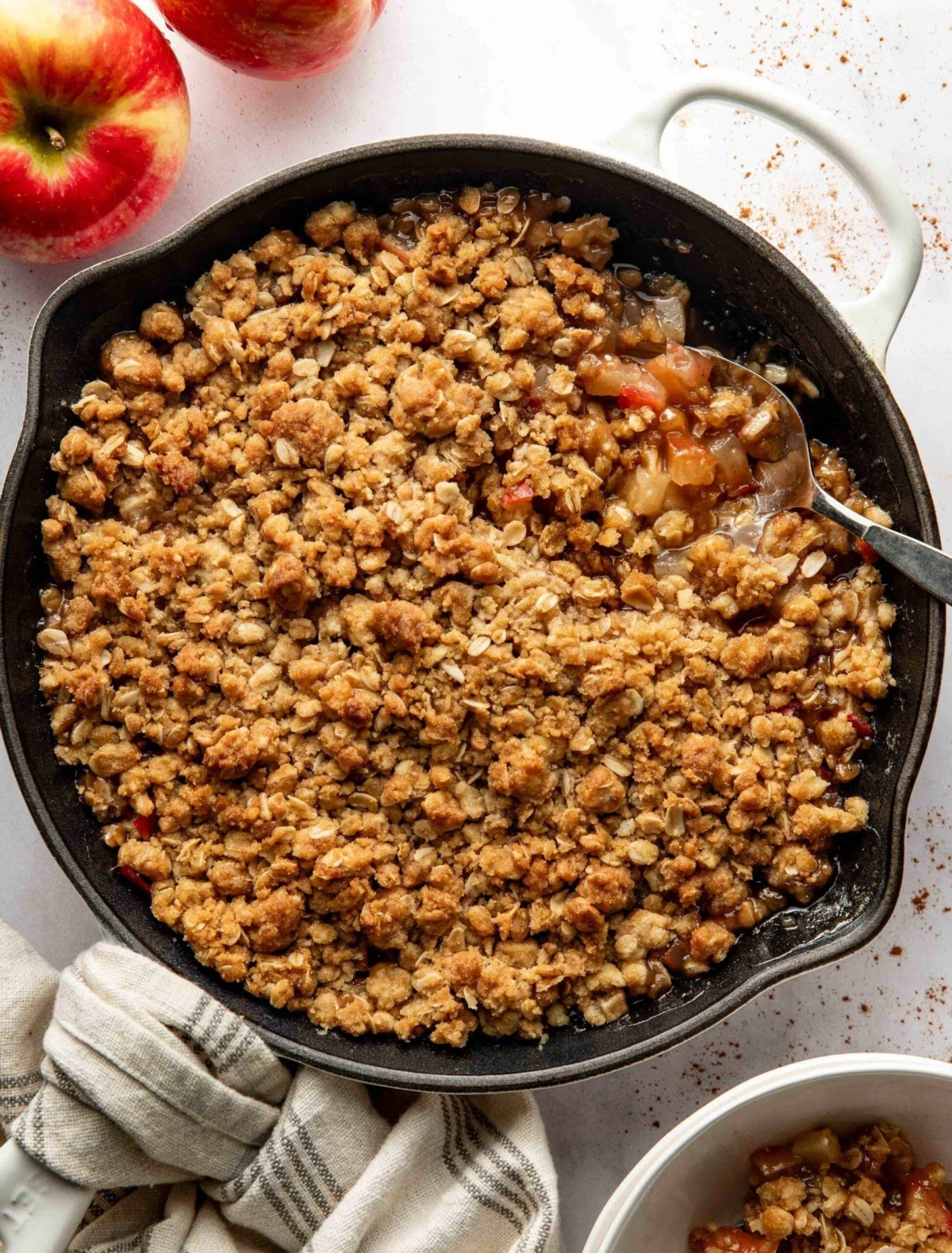
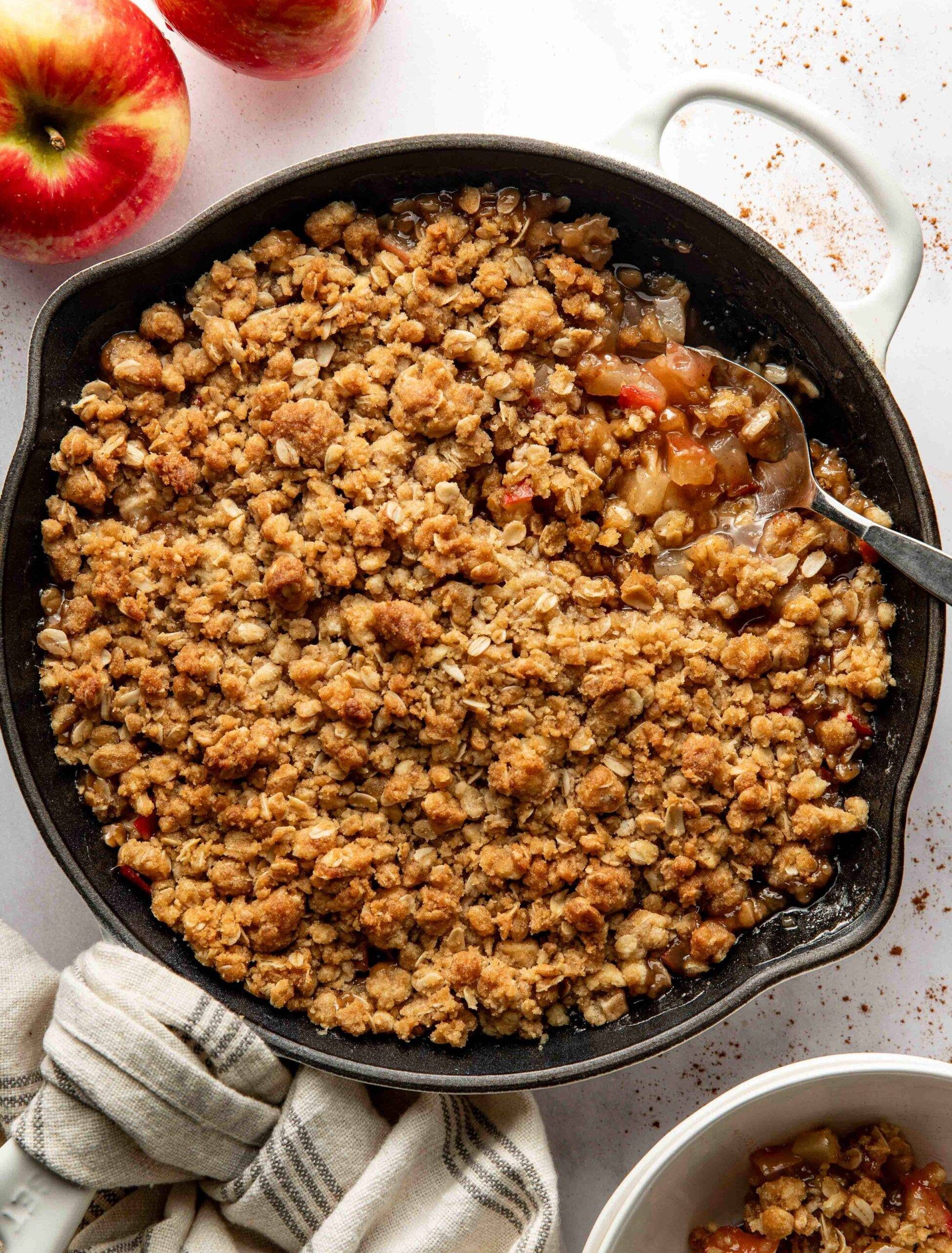
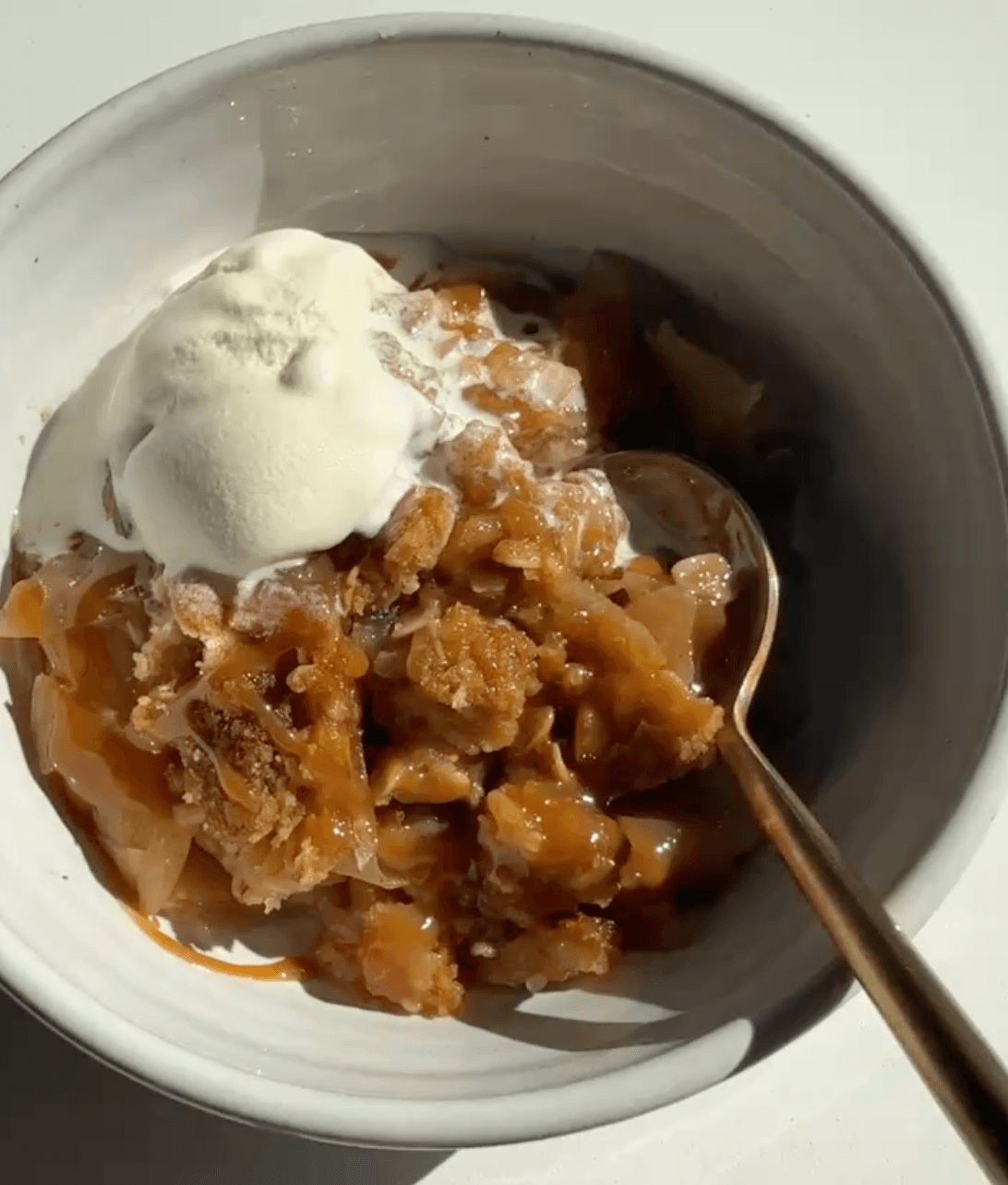
Professional culinary analysis suggests that the "magic" of the dish occurs at the interface of these two layers. As the apples release their pectin and juices, the moisture migrates upward into the oat-based topping. If the topping is formulated correctly, the butter and sugar create a barrier that caramelizes, resulting in a textural contrast between the soft, stewed fruit and the crunchy, golden-brown topping. The use of cast iron cookware, a common practice among home chefs, aids in this process; the high thermal mass of the iron allows for even heat distribution, which is essential for ensuring that the base does not become overly aqueous while the topping browns.
Data and Consumer Trends in Seasonal Baking
Market research indicates that interest in traditional baking recipes, particularly those featuring apples, spikes significantly between late September and mid-November. According to data from culinary analytics firms, search interest for "apple dessert recipes" typically sees a 300% increase during the first week of October. This trend aligns with the peak harvest season for major apple-producing states, including Washington, New York, and Michigan.
Furthermore, there is an observable shift in consumer preference toward "slow-food" and "rustic" preparation methods. The practice of preparing a dessert in a skillet, rather than a glass baking dish, has become a symbol of this trend, often associated with the desire to replicate heritage-style cooking. The choice to leave the apple skins on—a practice that preserves fiber and adds texture—reflects a move toward less processed, more sustainable home cooking.
Chronology of a Culinary Tradition
The lifecycle of this specific apple crisp recipe serves as a case study for the personal documentation of home cooking:

- The Conceptual Phase: The recipe originates as a digital note, allowing for consistent replication over several years.
- The Experimental Phase: Early iterations are tested in various settings, such as small dinner parties, where the scent of baking cinnamon and apples serves as an atmospheric element.
- The Standardization Phase: The recipe is refined to account for specific ratios of fruit to crumble, ensuring consistent results regardless of the oven or kitchen environment.
- The Social Integration Phase: The recipe is shared, effectively transitioning from a private kitchen document to a broader social resource, influencing the cooking habits of others.
Culinary Analysis: The Science of the Topping
The success of the topping depends on the "creaming" of the butter with the dry ingredients. When the butter is cold and mixed into the flour and oats, it creates small pockets of fat. As the dessert bakes, these pockets melt, causing the flour and sugar to crisp up. If the butter is too warm, the topping may become greasy rather than crumbly. The inclusion of oats—specifically old-fashioned rolled oats—provides a structural integrity that prevents the topping from collapsing into the fruit. This structural balance is a critical factor in the dish’s popularity, as it provides a satisfying mouthfeel that differentiates it from a cobbler or a baked apple compote.
Broader Cultural Implications
The enduring popularity of the apple crisp is a reflection of the "cozy" economy, a cultural phenomenon wherein individuals seek comfort in domestic activities during colder, darker months. The apple crisp acts as an anchor for this behavior. It is a dish that is inexpensive, utilizes seasonal ingredients, and requires minimal specialized equipment, making it highly democratic and accessible to cooks of all skill levels.
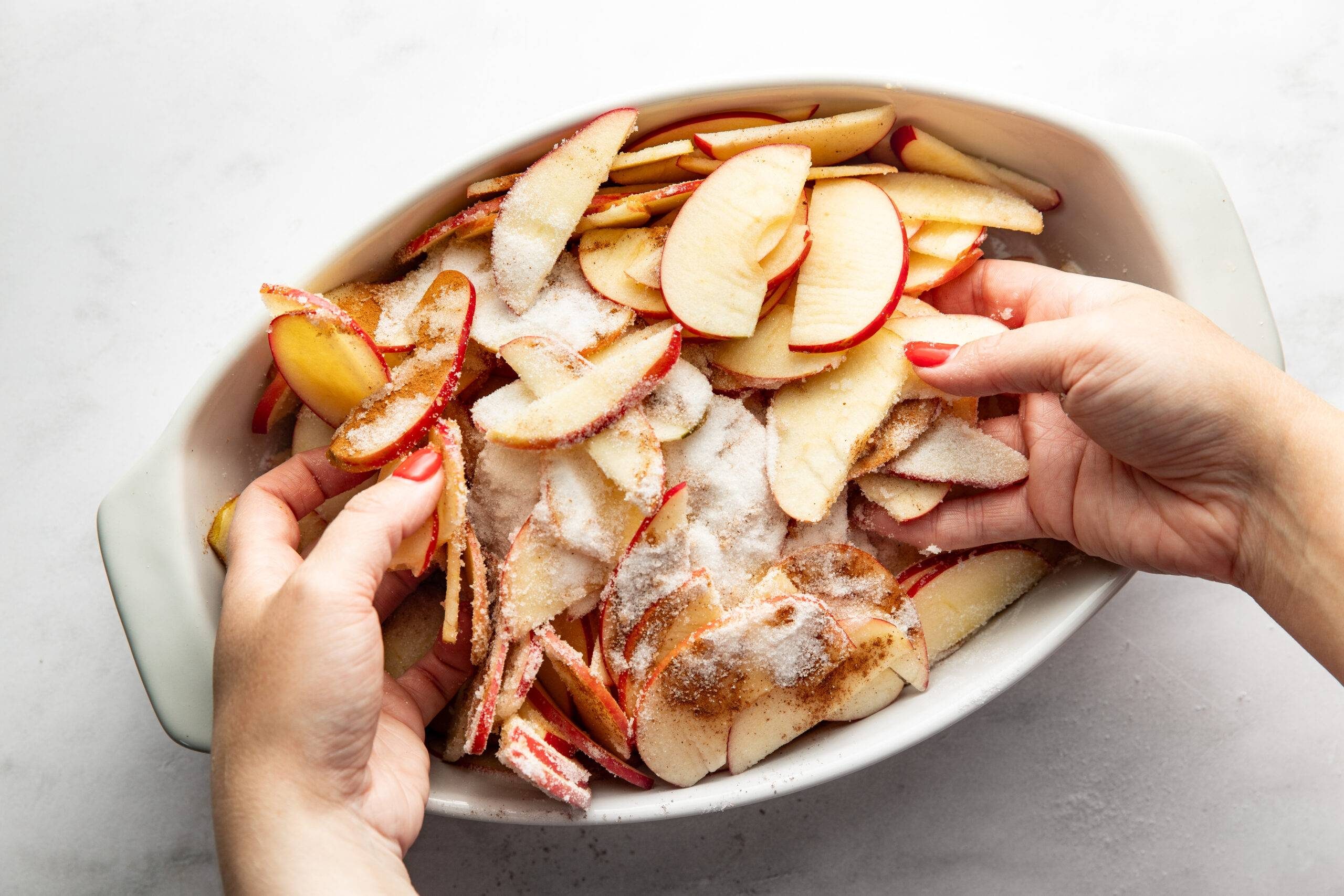
Industry experts observe that the "nostalgia factor" plays a significant role in the ongoing relevance of such recipes. In an era of rapid technological advancement and highly processed convenience foods, the act of slicing fresh apples and mixing a butter-and-oat crumble serves as a tangible connection to traditional domestic skills. This is not merely about dessert; it is a manifestation of the desire for mindfulness and slow-paced living during the transition into winter.
Conclusion: The Persistence of Simple Pleasures
While food trends often favor complex preparations and avant-garde techniques, the apple crisp remains a resilient and popular choice. Its success lies in its simplicity and the reliability of its results. By prioritizing high-quality ingredients and adhering to fundamental baking principles, the home cook can produce a result that consistently meets the high expectations of a seasonal treat. Whether prepared in a modern kitchen or a rustic cast iron skillet, the apple crisp continues to serve as an essential component of the autumn experience, bridging the gap between historical cooking traditions and contemporary culinary expectations. As the season turns, the reliance on such time-tested recipes reinforces the value of continuity and the simple, profound impact of a well-prepared, comforting meal.
