
The celebration of Halloween has evolved significantly from its ancient Celtic roots into a massive cultural and economic phenomenon. As October 31 approaches, the focus shifts toward a blend of traditional festivities and modern culinary creativity. For households, educators, and event planners, the challenge lies in balancing aesthetic appeal with nutritional value and logistical feasibility. This guide examines the essential categories of seasonal culinary preparations, providing a structural framework for executing high-quality Halloween-themed food service for various social settings.
Historical Context and Modern Cultural Evolution
Halloween, or All Hallows’ Eve, traces its origins back to the ancient festival of Samhain, where people would light bonfires and wear costumes to ward off ghosts. In contemporary society, the holiday has transitioned into a commercial powerhouse. According to the National Retail Federation (NRF), annual spending on Halloween-related goods—including costumes, decorations, and candy—frequently exceeds $10 billion in the United States alone.
Within this economic landscape, the culinary component occupies a significant share of consumer interest. The demand for “spooky” aesthetic food has grown alongside the popularity of social media platforms, where visual presentation often dictates the success of a culinary project. Whether for a classroom party, a residential trick-or-treat experience, or a large-scale social gathering, the preparation of thematic food has become a hallmark of late October productivity.
Strategic Planning for Holiday Catering
Effective event planning for Halloween requires a tiered approach to food preparation. Culinary professionals and seasoned home cooks alike emphasize the importance of “make-ahead” components. By focusing on recipes that allow for long-term storage or freezing—such as barks, cookies, and certain pastry-based appetizers—hosts can reduce the logistical burden on the day of the event.
Category I: Confections and Decorative Desserts
The dessert category remains the most accessible entry point for Halloween-themed culinary arts. Ingredients such as dark chocolate, candy corn, and edible glitters provide a high contrast and thematic color palette.
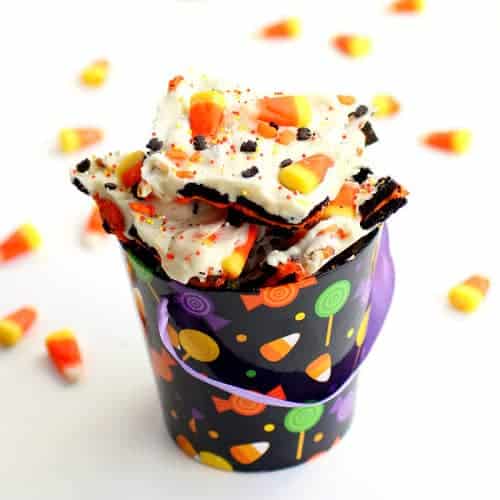
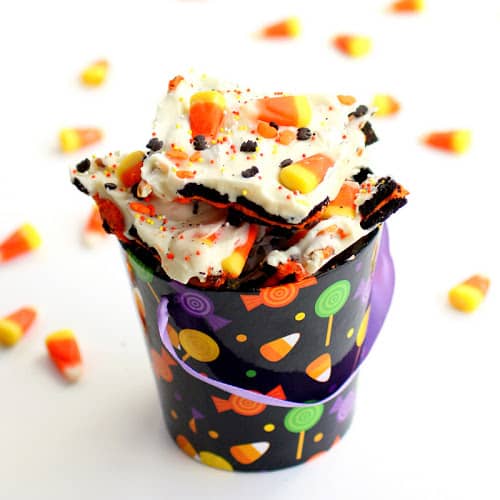
- Chocolate Bark: This preparation method involves tempering chocolate and incorporating inclusions such as dried fruits, nuts, or seasonal candies. Its popularity is largely due to the low barrier to entry and the ease of transport for large gatherings.
- Thematic Cookies: Incorporating molds or specific cutting techniques allows for high-volume production. From a logistical standpoint, these items are optimal for school-aged participants due to their durability and lack of required utensils.
Category II: Interactive and Child-Centric Snacks
When catering to younger demographics, the emphasis shifts toward "interactive" food. Treats such as "Dracula Dentures"—typically constructed using marshmallows, sliced apples, and nut butters—serve both as nourishment and a form of play. Data suggests that children are more likely to consume fruits and vegetables when they are presented in whimsical, non-traditional shapes. This psychological framing is a critical tool for parents and event planners aiming to provide healthier alternatives to mass-produced, high-sugar candy.
Category III: Savory Appetizers and Thematic Entrees
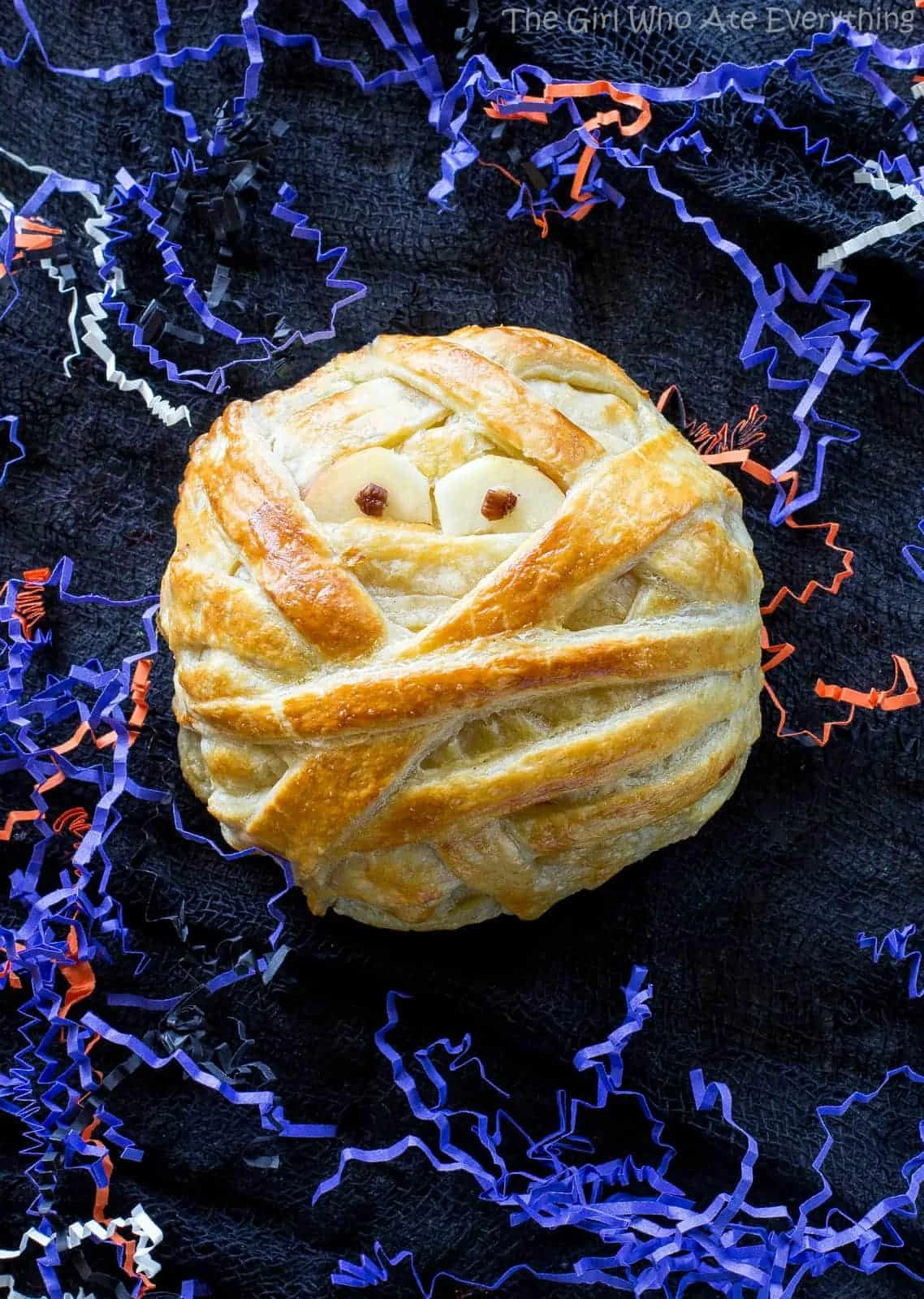
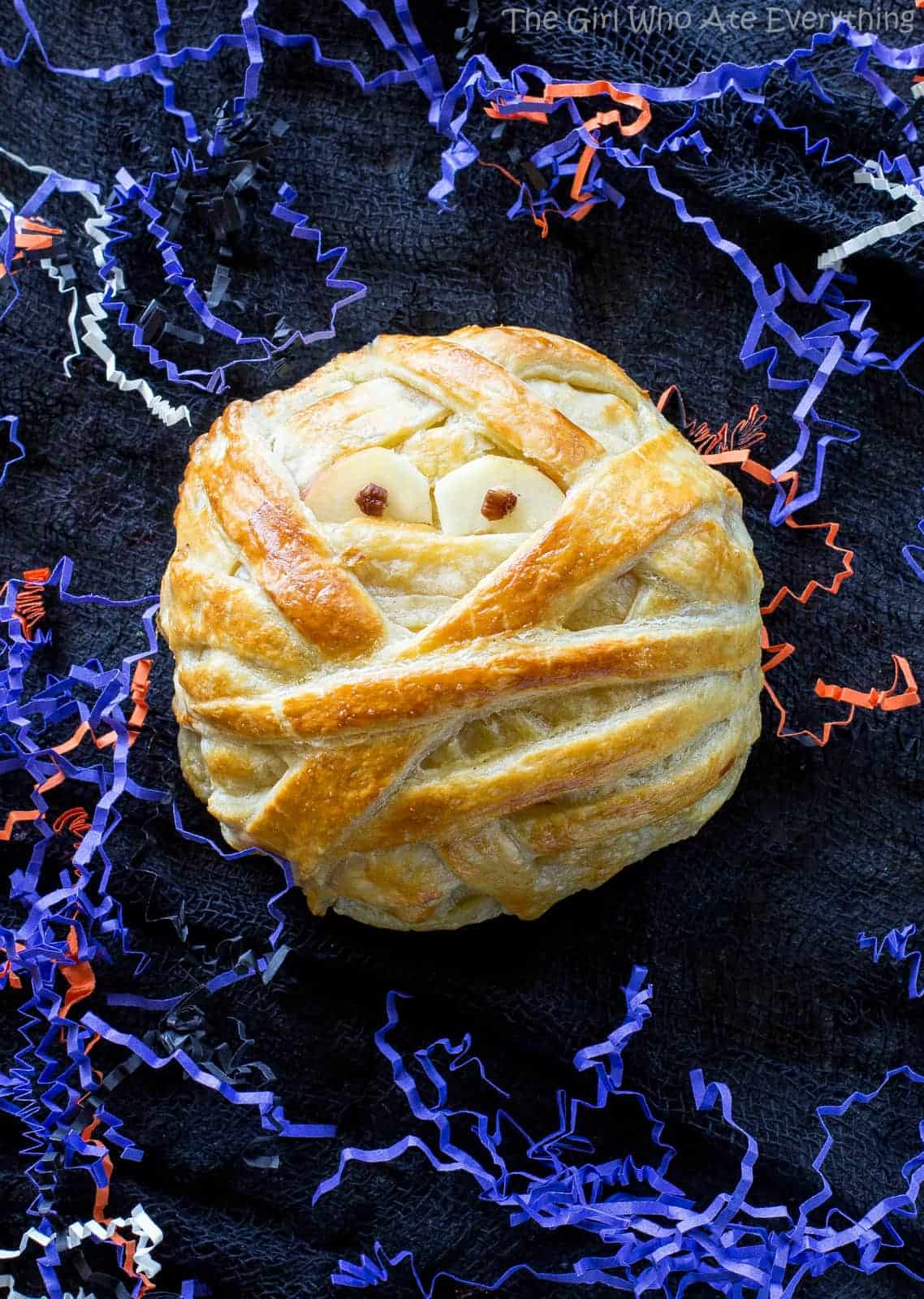
Moving beyond sweets, the "party table" often features savory centerpieces designed to mirror traditional horror iconography. A common example is the "Mummy Wrapped Brie," a preparation that utilizes puff pastry to encase high-fat, high-protein cheese. When baked, the pastry mimics the appearance of linen wrappings, providing a visual focal point that is both functional and on-theme.
Furthermore, dinner options like "Spooky Shepherd’s Pie" demonstrate the application of thematic presentation to standard family meals. By utilizing mashed potatoes as a canvas for creative piping or using vegetables to suggest macabre shapes, the standard nutritional profile of a dinner remains intact while the "festive" quotient is significantly heightened.
Supporting Data: Consumer Trends and Preferences
Research from the food and beverage industry indicates that seasonal flavors—specifically pumpkin, cinnamon, nutmeg, and apple—see a market penetration increase of over 40% during the final quarter of the year. Culinary experts note that the success of a Halloween dish is often predicated on its ability to integrate these classic fall profiles with visual "hooks."
Furthermore, as the weather shifts toward lower temperatures in the Northern Hemisphere, there is a measurable increase in the consumption of warm, comfort-based foods. The inclusion of soup recipes—particularly those utilizing seasonal squashes or root vegetables—serves as a necessary nutritional counterbalance to the excessive sugar intake typical of the holiday.
Institutional Responses and Safety Protocols
For educators and school administrators, the rise of food allergies has necessitated a change in how class parties are managed. There is a strong movement toward the use of allergen-conscious recipes, such as gluten-free flours or nut-free butter alternatives. Official guidelines from many school districts now mandate that all food brought into the classroom must be accompanied by a full ingredient list, prioritizing the safety of students with anaphylactic reactions.

In domestic settings, the focus remains on food safety during the preparation of complex dishes. When baking items that involve dairy or meat, such as the aforementioned Brie or Shepherd’s Pie, temperature control is essential to prevent foodborne illness, especially if these items are to be left out for buffet-style consumption during a party.
Broader Implications of Seasonal Cooking
The act of preparing food for holidays serves as a significant social catalyst. Anthropologists often point to the "commensality" of holiday eating—the act of eating together—as a vital component of social cohesion. By engaging in the labor of creating themed food, households participate in a ritual that reinforces community bonds.
From an economic perspective, the surge in demand for baking supplies and specialty ingredients during October supports a robust supply chain that bridges the gap between summer harvesting and the holiday season. The "Fall Favorites" category, which includes soup recipes and heartier stews, represents a transition in the consumer’s diet that aligns with agricultural cycles.
Analysis of Future Trends
As we look toward the future of seasonal culinary traditions, two primary trends are emerging:
- Sustainability: There is a growing consumer preference for sustainable packaging and ingredients, even in the context of Halloween. This includes the use of biodegradable serving platters and a reduction in the use of artificial food dyes, which have faced increased scrutiny from health organizations regarding their potential impact on child development.
- Digital Integration: The rise of video-based cooking tutorials has allowed amateur chefs to replicate complex designs that were previously the domain of professional pastry chefs. This democratization of culinary skill means that the standard for "home-cooked" holiday food is rising, as individuals can access step-by-step visual instructions for elaborate, photogenic dishes.
Conclusion: Maintaining the Balance
The ultimate success of a Halloween-themed culinary endeavor lies in the balance between the visual and the edible. While the aesthetic appeal of a "spooky" dish is what attracts the consumer’s attention, its long-term viability as a "classic" recipe is dependent on flavor and nutritional value.
By utilizing a mix of quick, 10-minute recipes for immediate consumption and more involved, pre-prepared items for larger events, hosts can create a stress-free environment that maximizes the joy of the season. As the tradition continues to grow in scale, the importance of these culinary preparations as a cornerstone of the Halloween experience remains unchallenged. Whether through the simple assembly of candy-based treats or the technical preparation of a savory baked center-piece, the kitchen serves as the primary stage for the modern celebration of this historic holiday. By adhering to sound preparation principles and focusing on quality ingredients, organizers can ensure that their Halloween offerings remain both memorable and safe for all participants.
