
The Anatomy of a Modern Seasonal Dessert
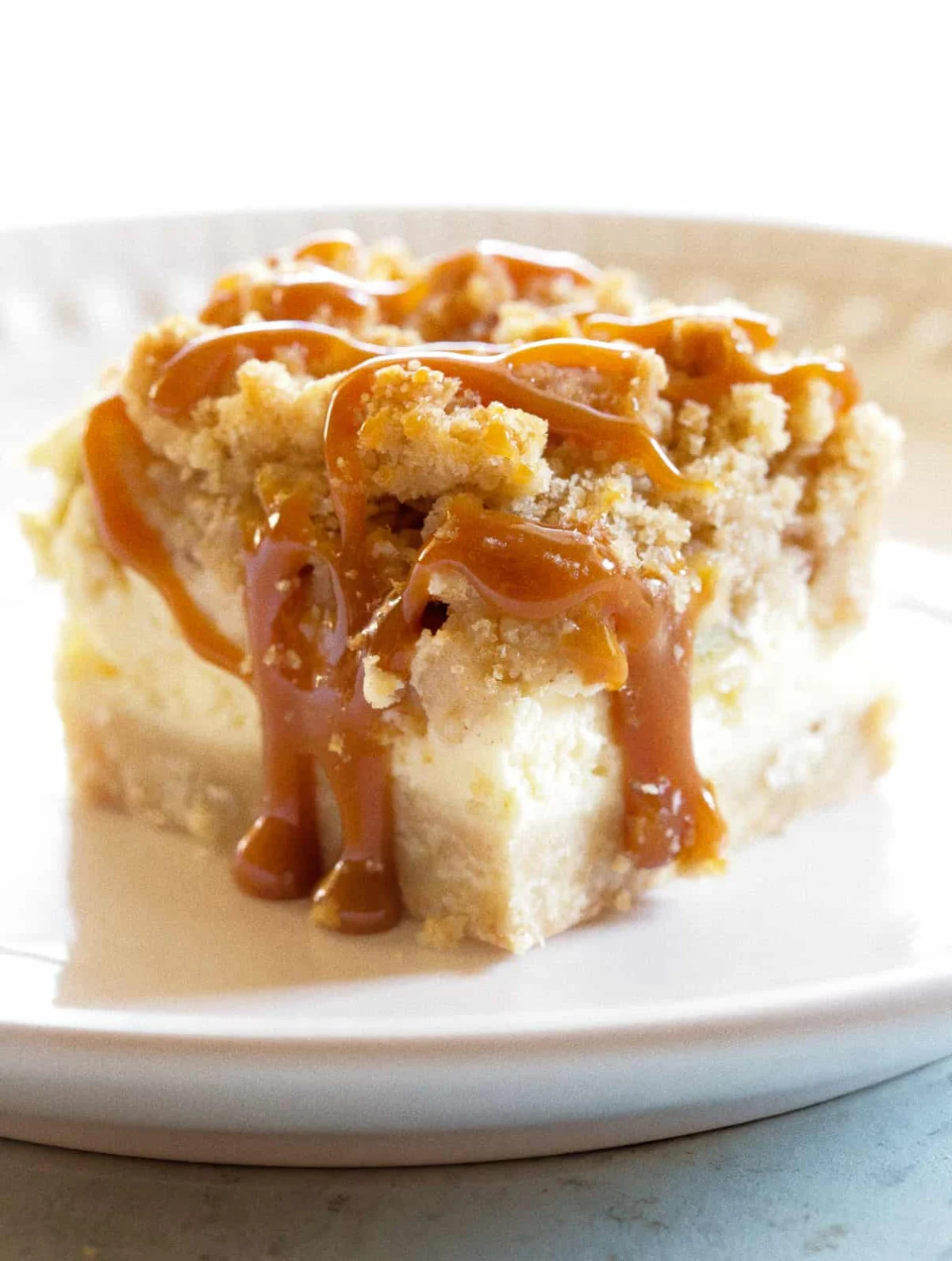
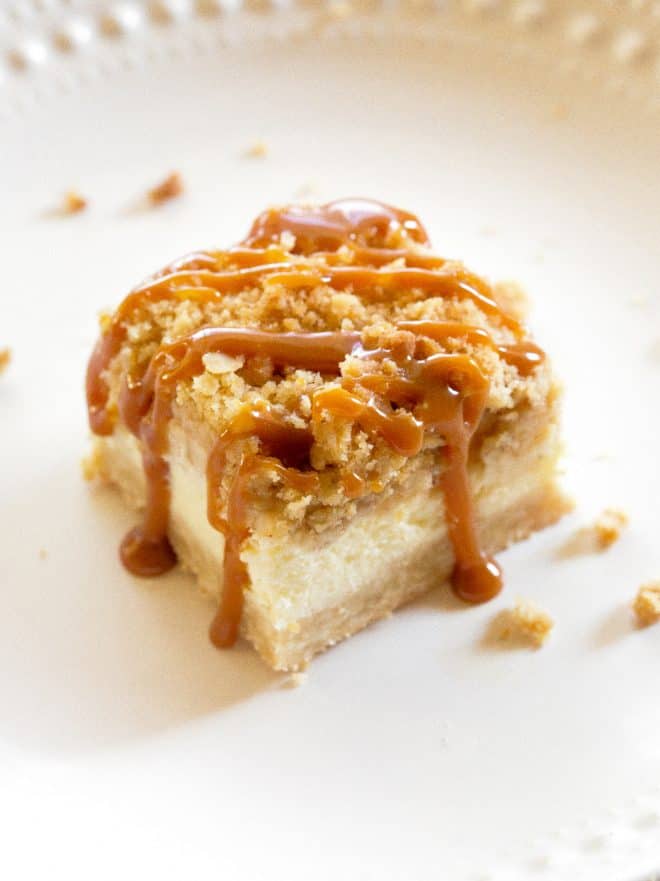
The composition of a Caramel Apple Cheesecake Bar relies on the structural integrity of its components. Unlike a standard cheesecake, which requires a springform pan and a delicate water bath, the "bar" format is engineered for efficiency and portability. The foundation consists of a shortbread crust, typically composed of high-fat butter, flour, and sugar. This crust serves as a stabilizer for the subsequent layers, preventing the moisture of the apples and the density of the cheesecake from compromising the texture.
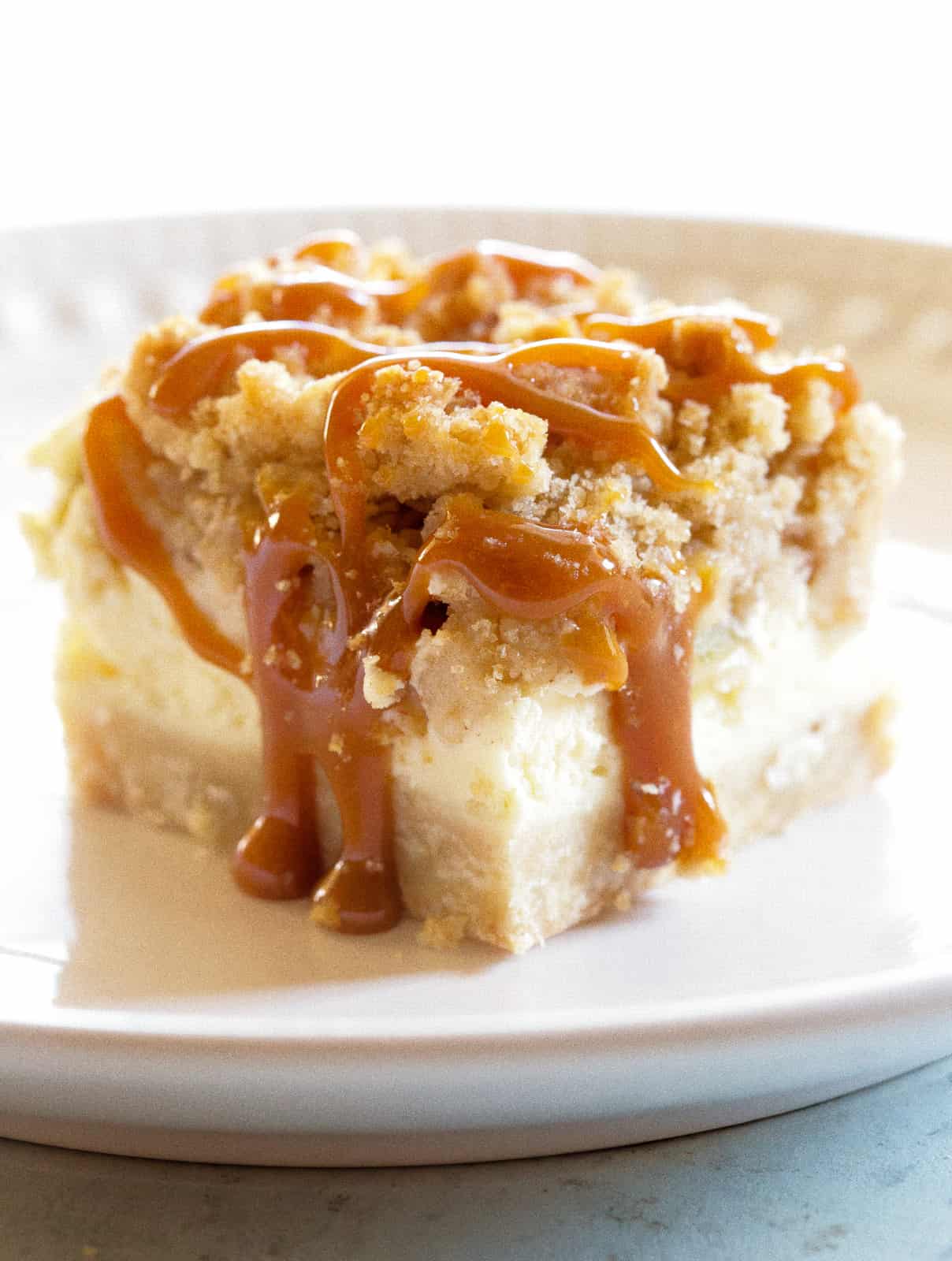
The cheesecake layer serves as the primary structural element, acting as a bridge between the rigid crust and the loose, fruit-forward topping. Recent adjustments to traditional recipes, such as those adapted from classic Southern culinary influences, have emphasized increasing the volume of this cream cheese-based filling. By boosting the cheesecake-to-crust ratio by approximately 50%, bakers have found that the final product maintains a more balanced mouthfeel, ensuring the richness of the dairy component is not eclipsed by the texture of the fruit or the crunch of the streusel.
Seasonal Market Trends and Ingredient Selection
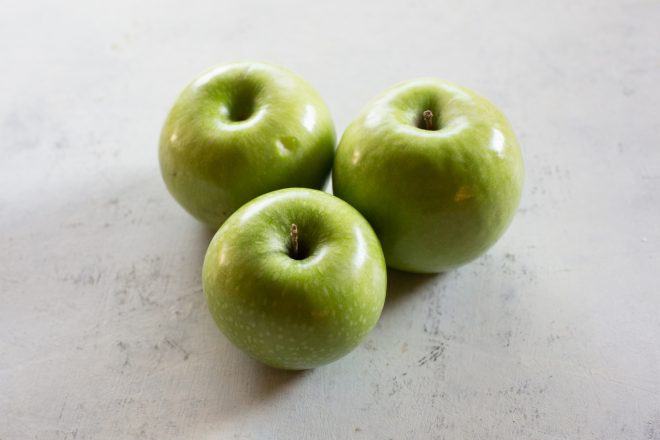
The selection of fruit is a critical determinant of the final flavor profile. Culinary professionals frequently advocate for the use of Granny Smith apples in these preparations. The Granny Smith, a cultivar developed in Australia in 1868, possesses a high acidity and a firm flesh that resists turning into applesauce during the baking process. In a dessert where the base (crust) and the topping (streusel) provide significant sweetness, the tartness of the apple acts as a necessary counterpoint.
Data regarding autumn culinary consumption suggests a consistent year-over-year increase in demand for "comfort-oriented" desserts as temperatures drop. The combination of caramel and apple—a staple of North American autumn festivities—consistently ranks among the top flavor combinations during the months of September through November. The use of cinnamon, nutmeg, and brown sugar further aligns with the sensory expectations of the season, triggering a positive psychological association with harvest-time baking.
Chronology and Preparation Methodology
The assembly of these bars follows a distinct, multi-phase chronology. The process begins with the preparation of the shortbread base, which must be partially baked to set the butter and flour structure. Following the initial bake, the cheesecake layer is applied. This layer must be tempered to ensure even distribution without blending into the warm crust.
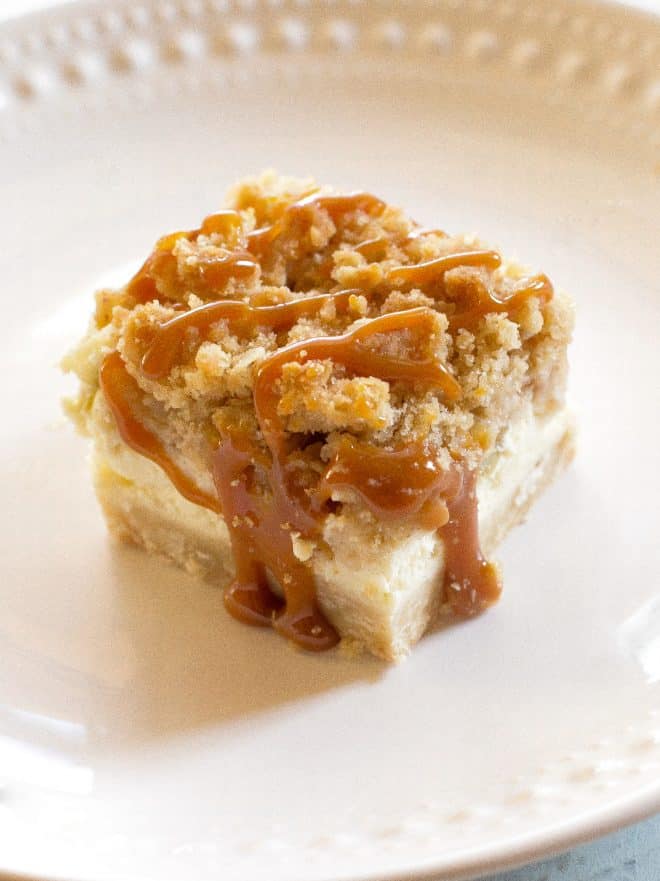
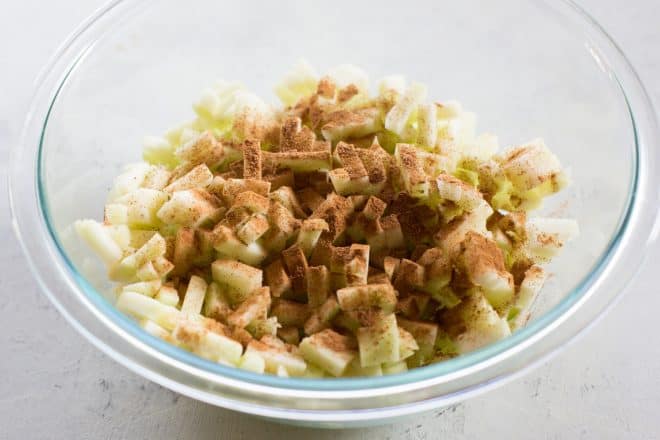
The application of the apple layer follows, typically involving a mixture of diced fruit tossed in a blend of cinnamon, sugar, and trace amounts of nutmeg to prevent oxidation and enhance flavor extraction. The final phase involves the streusel topping—a mixture of rolled oats, flour, brown sugar, and chilled butter. The "crumb" effect is achieved through the mechanical process of cutting the butter into the dry ingredients until a sandy, coarse texture is reached.
Once the bars are fully assembled, they require a secondary baking period. The objective is to achieve a golden-brown finish on the streusel without drying out the cheesecake layer. Post-baking, the bars must undergo a cooling phase at room temperature to allow the fats to re-solidify, followed by a mandatory chilling period in refrigeration. This refrigeration is not merely for safety; it is essential for the stabilization of the cream cheese, which allows for clean, sharp edges when the bars are cut into individual portions.
Culinary Implications and Storage Logistics
From a logistical standpoint, the Caramel Apple Cheesecake Bar is highly valued for its shelf-life and adaptability. Professional kitchens and home bakers alike often cite the ability to freeze the product as a significant advantage. Properly sealed, these bars can maintain structural and flavor integrity for up to four months when stored at temperatures of 0°F (-18°C) or lower. This makes the recipe an ideal candidate for advance preparation, a common requirement for holiday event planning.
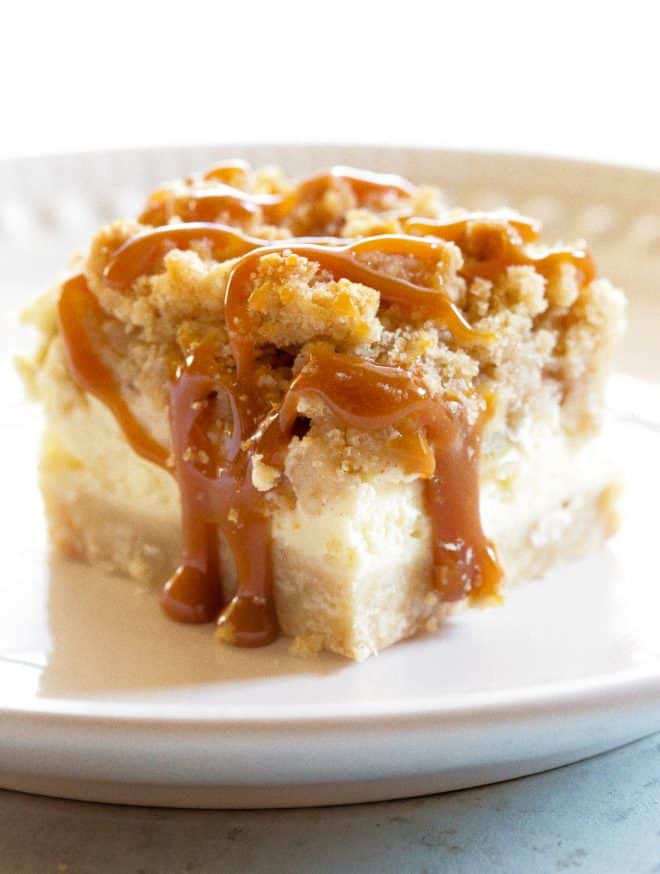
The inclusion of caramel sauce is the final variable in the presentation. Culinary experts emphasize that the timing of the drizzle is essential; if applied too early, particularly before refrigeration, the sauce can leach into the streusel, causing a loss of texture. Consequently, the industry standard is to apply the caramel as a finishing touch immediately prior to service. The choice of a thick, high-viscosity caramel sauce—often associated with commercial brands like Mrs. Richardson’s—is preferred to ensure the sauce adheres to the surface rather than running off the sides of the bar.
Nutritional and Economic Considerations
While decadent, the economic efficiency of the bar format is notable. By utilizing a 9×13 inch pan, a single batch can yield up to 24 individual servings. This efficiency allows for cost-effective distribution at large gatherings. From a nutritional perspective, these bars are calorie-dense, primarily due to the butter-to-flour ratio in the crust and the fat content of the cream cheese. However, the incorporation of apples provides a modest contribution of fiber and vitamins, though the dish remains firmly categorized as a high-sugar dessert.
Industry Perspectives on Future Variations
Food scientists and pastry chefs have noted that the fundamental architecture of the Caramel Apple Cheesecake Bar is highly conducive to innovation. Future iterations currently being explored in professional test kitchens include the integration of salted caramel to further balance the sugar levels, as well as the use of alternative flour blends for gluten-sensitive consumers.
The popularity of these bars highlights a broader trend in the confectionery industry: the preference for "deconstructed" or "bar-style" desserts that allow for complex layering of textures. By combining the crunch of a shortbread, the creaminess of a cheesecake, the bite of an apple, and the chewiness of an oat-based streusel, the recipe satisfies multiple sensory criteria simultaneously.
Conclusion and Broader Impact
As the culinary landscape continues to evolve, the endurance of the Caramel Apple Cheesecake Bar serves as a testament to the effectiveness of traditional flavor pairings. The transition from a simple, two-ingredient fruit dessert to a multi-layered, texture-focused pastry represents the sophisticated palate of the modern consumer. Whether prepared in a home kitchen or for a commercial catering event, the consistency and reliability of the recipe ensure its place as a cornerstone of seasonal baking. The ability to prepare these items in advance, coupled with their resilience during freezing and transport, cements their status as a practical, professional, and highly requested dessert choice. Through the careful management of ratios—specifically the intentional increase of the cheesecake filling—bakers can achieve a high-quality product that meets the aesthetic and gustatory expectations of a diverse audience.
