
The Evolution of One-Pot Culinary Techniques
The philosophy of one-pot cooking is rooted in both necessity and efficiency. Historically, the technique was a staple of frontier cooking and resource-scarce environments where limited heat sources and water availability necessitated the consolidation of ingredients. In the contemporary context, the method has been optimized through advancements in cookware, such as heavy-bottomed Dutch ovens and high-quality non-stick pans that allow for uniform heat distribution.
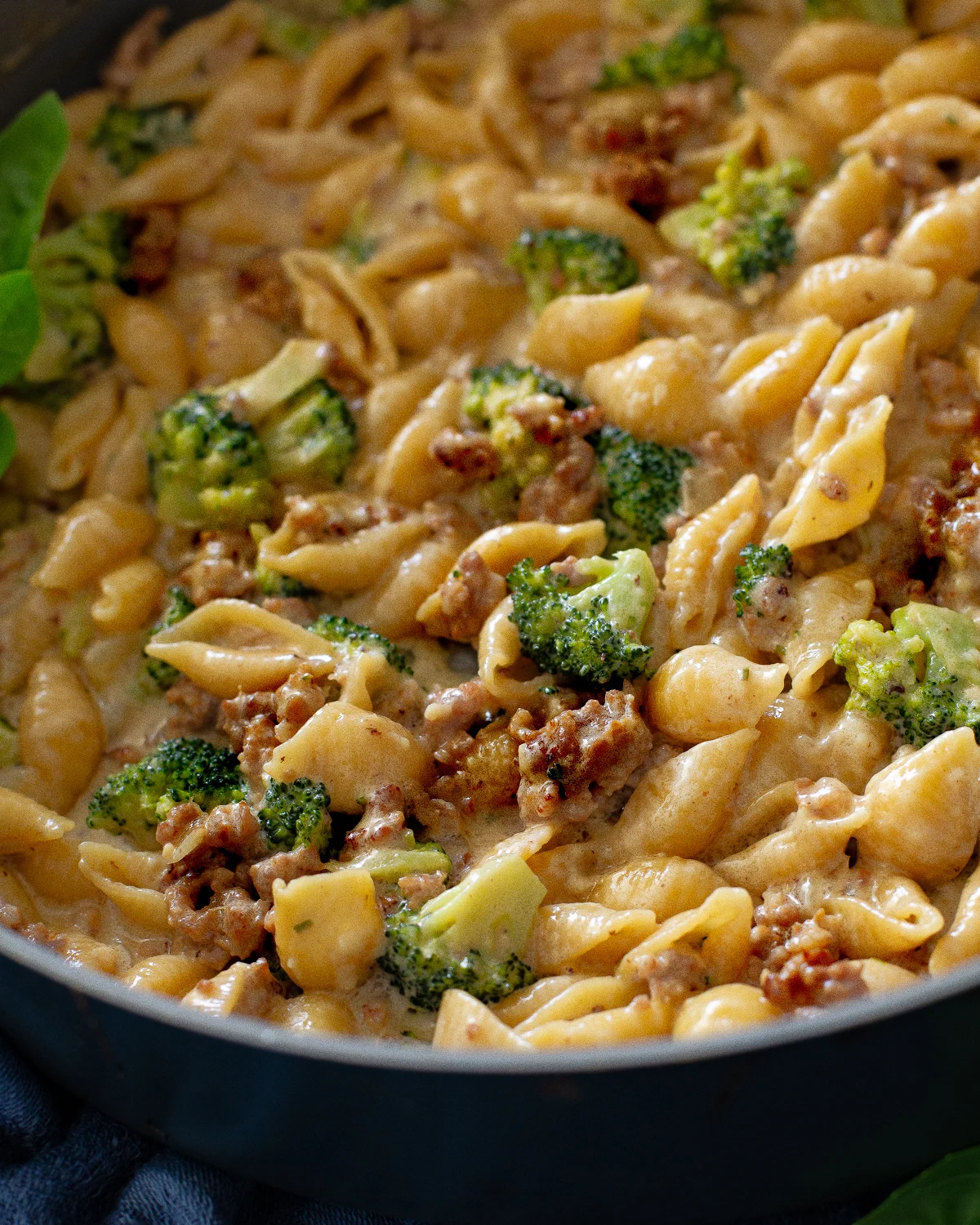
By cooking the pasta directly in the sauce and liquid, the starches released during the boiling process emulsify with the fat from the sausage and the moisture from the broccoli. This creates a naturally creamy consistency without the heavy reliance on cream-based additives. This chemical interaction—often referred to as starch gelatinization—is the cornerstone of the one-pot pasta success, transforming water into a rich, velvety sauce as the meal progresses.
Nutritional Profile and Dietary Considerations
The One-Pot Sausage Broccoli Pasta offers a balanced macronutrient profile, though it remains energy-dense. Analysis of the nutritional data indicates a caloric density of approximately 767 kilocalories per serving. The dish provides roughly 21 grams of protein, largely derived from the inclusion of Italian sausage.
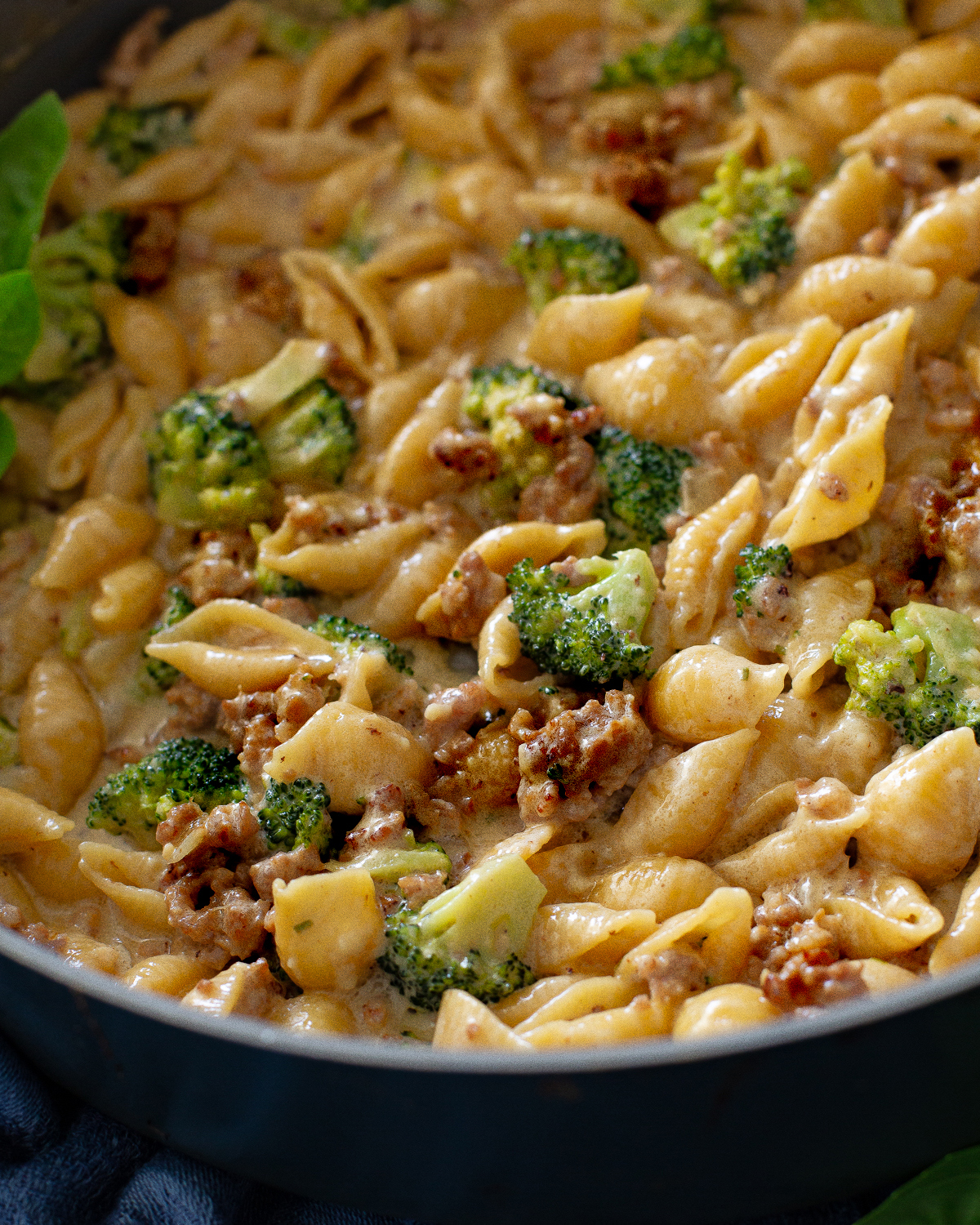
Broccoli serves as the primary source of micronutrients in the dish, contributing essential vitamins A and C, as well as fiber. However, nutritionists often note that the final nutrient density can be adjusted based on the specific type of sausage utilized. For instance, replacing traditional pork-based Italian sausage with lean turkey sausage can significantly reduce the saturated fat content—which currently sits at 29 grams—without sacrificing the core flavor profile or the structural integrity of the meal. The high sodium content, measured at 598 milligrams per serving, is largely a byproduct of the curing process in the sausage; for those monitoring cardiovascular health, utilizing low-sodium broth or fresh, uncured herbs can mitigate this figure.
Chronology of Preparation
The efficiency of this dish is predicated on a strict, streamlined timeline that allows the entire process to conclude in under 30 minutes.
- 0:00–0:05 minutes: Initial preparation involves browning the Italian sausage. High-heat searing is recommended to ensure the Maillard reaction occurs, providing the necessary depth of flavor.
- 0:05–0:10 minutes: Aromatics such as garlic or onions are often introduced to the rendered fat.
- 0:10–0:25 minutes: The pasta and liquid—typically a combination of water and chicken or vegetable stock—are added to the vessel. The liquid level must be precisely measured to ensure the pasta absorbs the moisture without becoming mushy.
- 0:25–0:30 minutes: The broccoli is added. Depending on the desired texture, it can be introduced at the halfway point for a firmer, crunchier bite, or at the end for a softer incorporation.
This structured approach eliminates the need for a separate colander, boiling pot, and skillet, effectively reducing the post-meal cleanup time by an estimated 60 to 70 percent compared to traditional pasta preparation methods.
Culinary Perspectives and Professional Adoption
Food industry analysts have observed a significant uptick in the popularity of "single-vessel" recipes. According to market research on home cooking habits, over 45 percent of households with children under the age of 18 now prioritize recipes that can be executed in under 30 minutes.

“The consumer shift is not merely about laziness,” says culinary consultant Dr. Elena Rossi. “It is a direct response to the ‘time-poverty’ crisis facing many working families. When you consolidate the steps, you lower the barrier to entry for cooking from scratch. If you can make a restaurant-quality meal in one pot, you are less likely to rely on ultra-processed takeout options.”
Professional chefs have also begun to endorse these methods in domestic settings, emphasizing that the key to success lies in the quality of the raw ingredients. Since there are fewer components to mask flavors, using high-quality sausages and fresh, seasonal broccoli is paramount to the final output.
Broader Economic and Environmental Implications
The adoption of this specific one-pot recipe has secondary benefits, particularly regarding food waste. Many consumers purchase large quantities of produce—such as bulk bags of broccoli—for specific, time-consuming recipes like traditional soups or gratins. When those recipes are not completed, the produce often spoils. The versatility of the One-Pot Sausage Broccoli Pasta allows for the rapid consumption of these bulk ingredients.
From an economic standpoint, the dish is highly scalable. A single pot can be adjusted to serve four to six individuals with minimal increases in effort, making it a cost-effective alternative to pre-packaged meal kits. The environmental impact of reducing water usage—as the pasta water is not discarded but rather absorbed—is a subtle but notable contribution to sustainable household management.
Storage and Reheating Best Practices
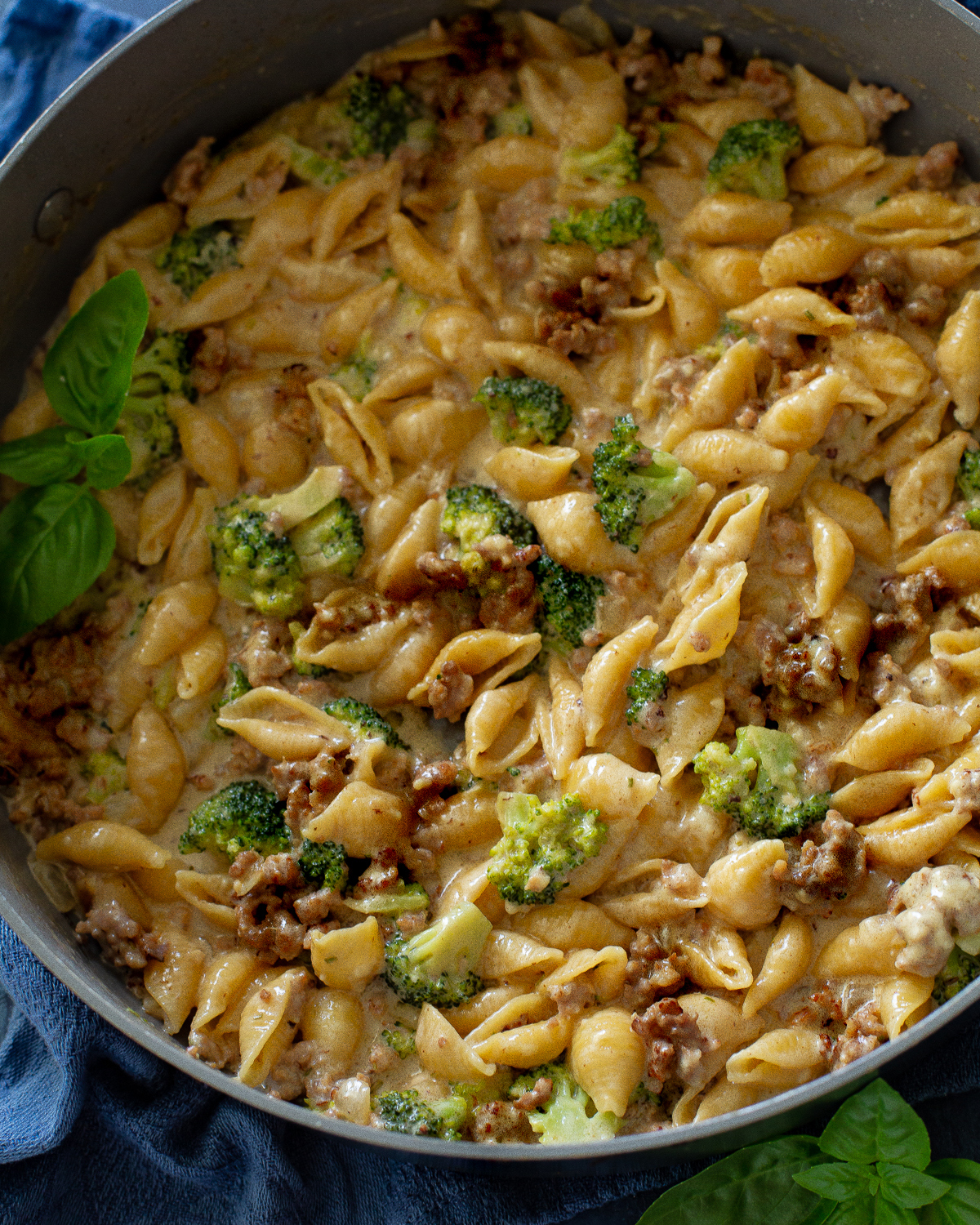
A common concern regarding pasta-based dishes is the degradation of texture upon reheating. To address this, the recommended protocol for the One-Pot Sausage Broccoli Pasta involves storing the dish in an airtight, glass-based container. Glass is preferred to prevent the staining and odor retention common with plastic containers when dealing with tomato or fat-heavy sauces.
When reheating, adding a small amount of liquid—either broth, milk, or water—is essential. This replenishes the hydration lost during the initial cooking process and helps re-emulsify the starch-based sauce, returning it to its original, creamy consistency. Experts advise against reheating in the microwave at full power, as this can cause the sausage fats to separate and the broccoli to overcook. A low-power setting or a brief stint in a skillet with a lid is the preferred method for maintaining structural integrity.
Future Trends in Simplified Home Cooking
As the food technology sector continues to grow, we can expect to see further refinements in one-pot methodologies. Smart appliances, such as multi-cookers and programmable pressure cookers, are being designed with specific "pasta cycles" that calibrate temperature and pressure to achieve perfect al dente results in even less time.
The success of the One-Pot Sausage Broccoli Pasta suggests that the future of home cooking lies in the intersection of traditional Italian flavor profiles and modern, high-efficiency kitchen infrastructure. By prioritizing structural simplicity without compromising the integrity of the ingredients, home cooks are better equipped to navigate the demands of contemporary life while maintaining the nutritional and social benefits of the family dinner. As data continues to support the efficiency of these methods, the one-pot model is expected to remain a permanent fixture in the modern culinary repertoire.
