

The Evolution of One-Pan Cooking
The rise of one-pan or "one-pot" cooking is not merely a convenience-driven trend but a reflection of changing domestic demographics. Data from food industry analysts indicates that since 2020, there has been a 35% increase in searches for "minimalist cooking" and "one-pan meals." This shift is largely attributed to the reduction in post-meal cleanup time and the conservation of energy, both of which have become priorities for time-constrained professionals and families.
Historically, complex pasta dishes required separate vessels for boiling water, sautéing aromatics, and simmering sauces. The One-Pan Creamy Zucchini Pasta method challenges this traditional paradigm by utilizing the starch released by the pasta during the boiling process to emulsify the sauce directly in the pan. This technique not only simplifies the cooking timeline but also yields a more cohesive final product where the flavors of the zucchini and squash are fully integrated into the pasta’s texture.

Nutritional Significance and Seasonal Availability
Zucchini (Cucurbita pepo) and yellow squash are staple summer crops, often reaching their peak harvest abundance between July and August. From a nutritional standpoint, these vegetables are low in caloric density while providing significant amounts of Vitamin C, potassium, and dietary fiber.
In the context of this recipe, the incorporation of these vegetables serves a dual purpose: it increases the fiber content of a traditionally carbohydrate-heavy meal and utilizes the water content of the squash to assist in the thinning of the cheese-based sauce. The reliance on ricotta, mozzarella, and Parmesan provides a complete protein profile, creating a balanced meal that functions as a standalone dinner. Culinary experts note that the combination of these specific cheeses—ricotta for creaminess, mozzarella for meltability, and Parmesan for umami—creates a balanced flavor profile that tempers the mildness of the zucchini.
Chronology of Preparation and Culinary Technique
The preparation of One-Pan Creamy Zucchini Pasta follows a precise, sequential timeline designed to ensure even cooking of both the pasta and the produce.
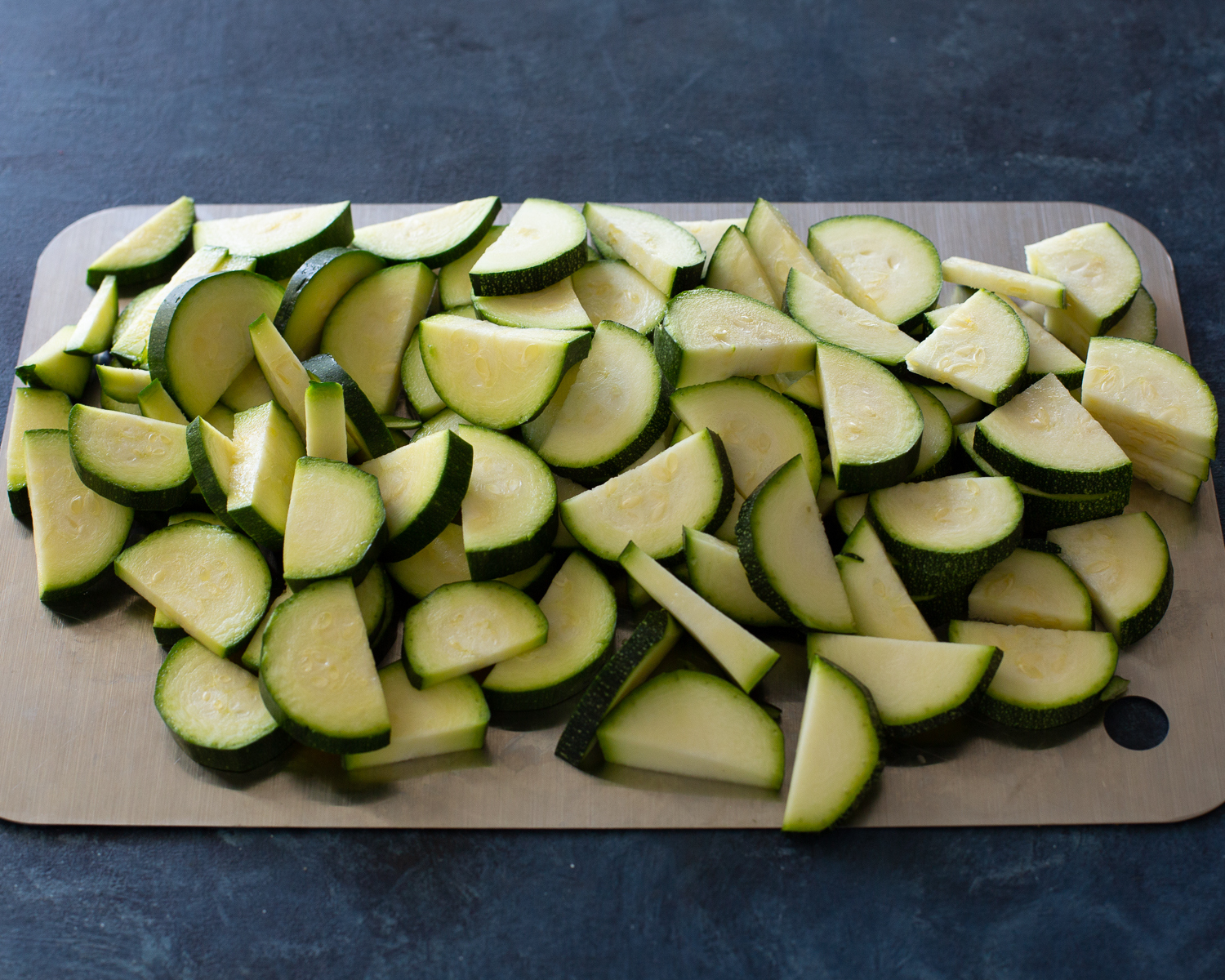
- Preparation Phase (Minutes 0–10): The initial stage involves the rapid preparation of the zucchini and squash. Unlike traditional methods that might involve blanching, this approach utilizes direct heat, allowing the sugars in the squash to caramelize slightly before the liquid is introduced.
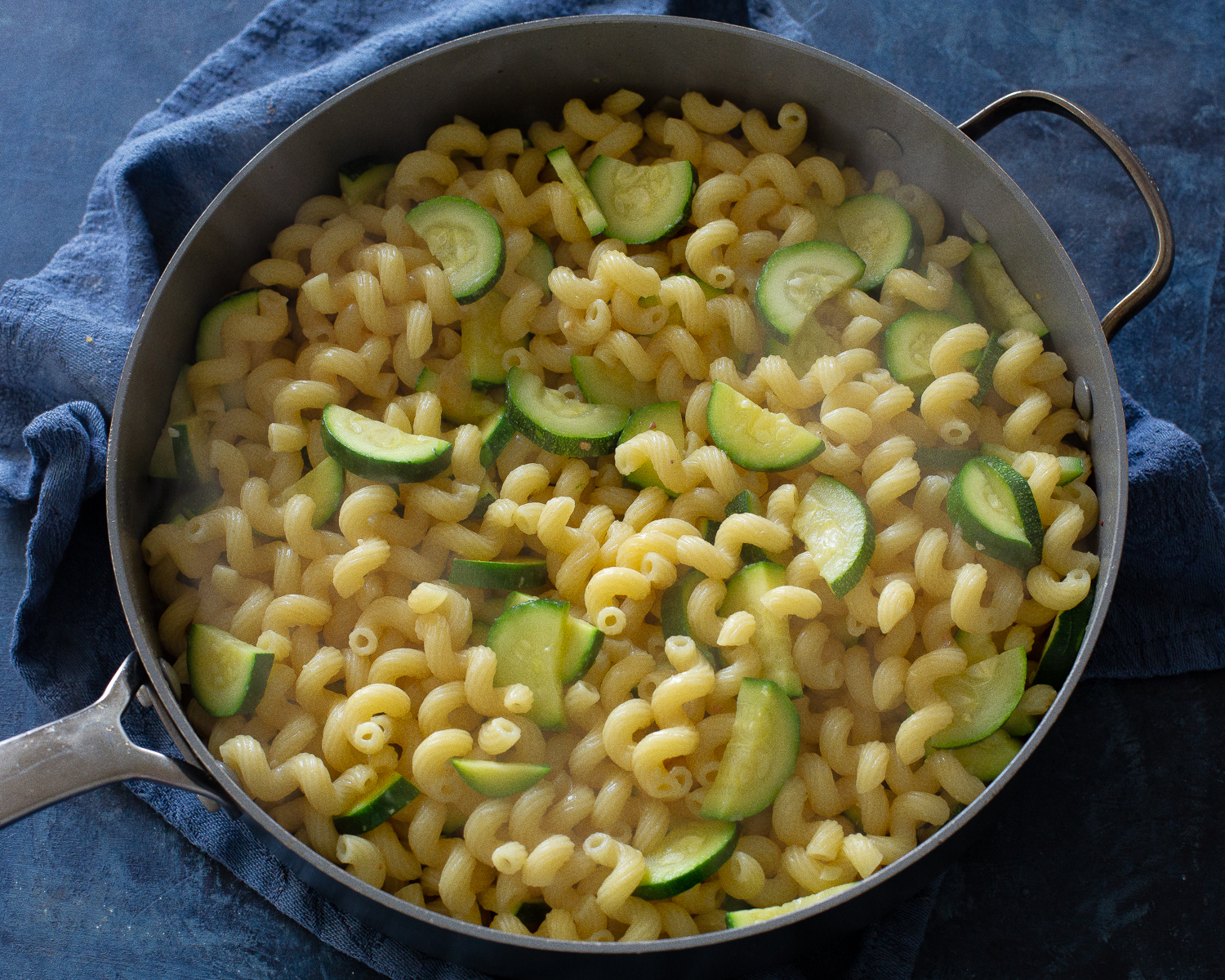
- Infusion and Boiling (Minutes 10–20): Once the base is prepared, the dry pasta is added directly to the pan with a precise ratio of liquid. As the pasta cooks, the liquid reduces, and the starch-rich environment facilitates the bonding of the fats from the cheese to the water, creating a stable, creamy emulsion.
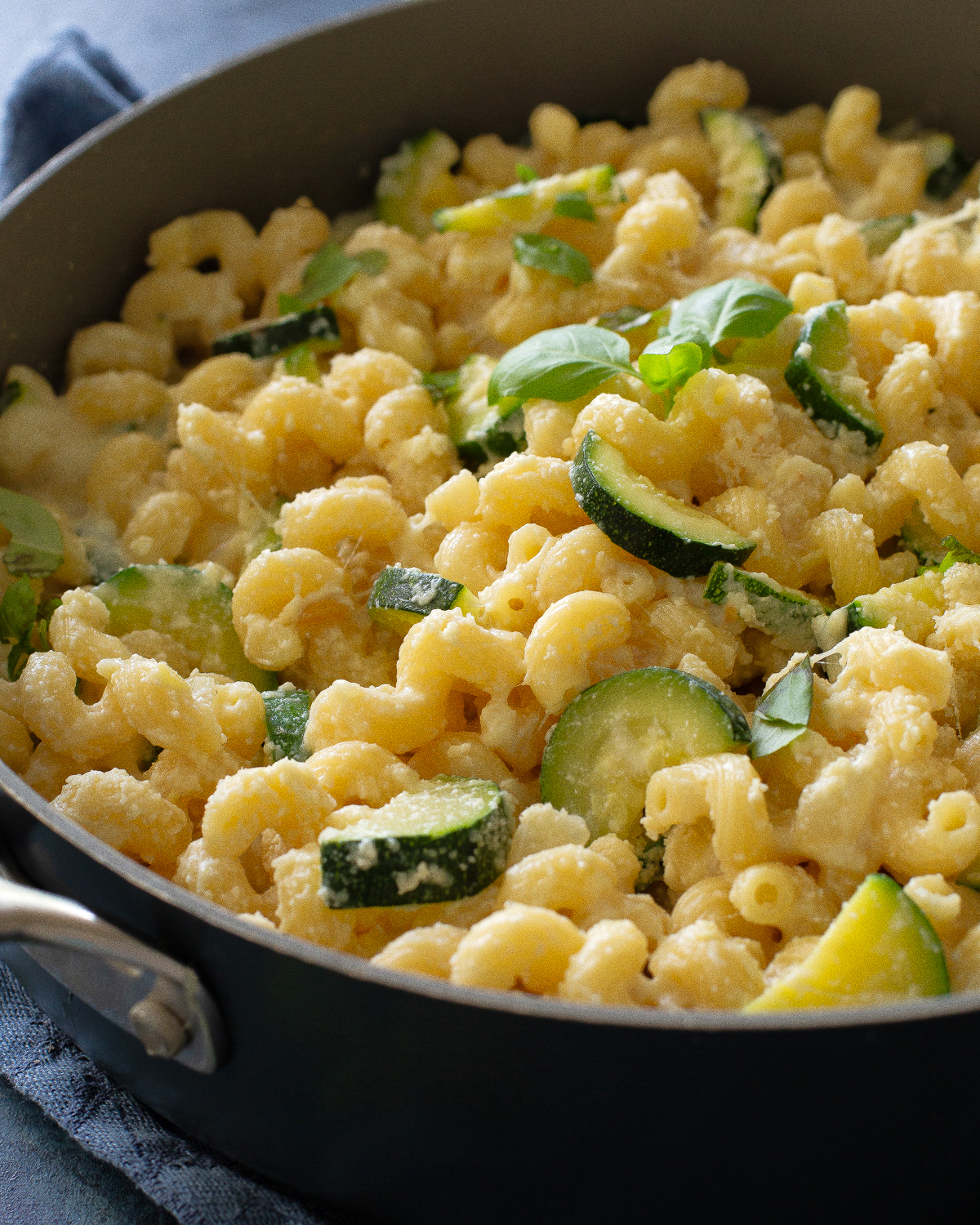
- The Emulsification Stage (Minutes 20–25): The final addition of the cheese blend—ricotta, mozzarella, and Parmesan—must occur during the final minutes of heat. Over-heating this stage can cause the proteins in the cheese to separate, resulting in a granular texture. By folding the cheeses in at the end of the cooking process, the cook ensures a smooth, consistent coating on the pasta.
Industry Perspectives on Simplified Home Cooking
Professional chefs and food scientists have weighed in on the rise of "efficient-cooking" recipes. Chef Elena Vance, a consultant for culinary technology firms, notes that the success of these recipes is rooted in the "science of starch management."
"By cooking the starch directly in the sauce medium, you are essentially creating a binder that would otherwise require the addition of heavy creams or industrial thickeners," Vance explains. "It is an elegant solution to a common problem, and it demonstrates how traditional techniques—often used in Italian risotto—can be adapted for modern pasta preparation."
Furthermore, representatives from nutrition advocacy groups have lauded the focus on vegetable-heavy, one-pan meals as a viable strategy to increase vegetable intake in children and adults who might otherwise find the preparation of fresh produce daunting. The versatility of the recipe, which allows for the substitution of zucchini with other seasonal vegetables like bell peppers, cherry tomatoes, or spinach, provides a framework that can be adapted throughout the year, not just during the summer harvest.
Broader Economic and Environmental Implications
The adoption of one-pan recipes carries implications beyond the kitchen. From an environmental perspective, reducing the number of pots and pans used in meal preparation directly correlates to a decrease in water and energy consumption. According to a 2023 study by the Environmental Protection Agency (EPA) on household utility usage, the shift toward single-vessel cooking can reduce the energy required for cleaning and water heating by approximately 15% per meal.
Economically, the recipe aligns with a period of increased food inflation. By focusing on seasonal, accessible vegetables and high-yield pasta, households can mitigate the rising costs of protein-heavy meals. The ability to use surplus zucchini—often the most abundant and inexpensive vegetable during mid-summer—prevents food waste, an issue that accounts for significant household expenditure losses annually.
Fact-Based Analysis of Future Trends
The popularity of the One-Pan Creamy Zucchini Pasta signals a permanent shift in how domestic cooks approach the "dinner hour." As technology continues to influence kitchen habits, the demand for recipes that offer "high-impact, low-effort" results is expected to grow.
The integration of these techniques into mainstream cooking underscores a move toward functional nutrition. While the recipe is ostensibly simple, it serves as a case study for how modern culinary development relies on the intersection of chemistry, efficiency, and resource management. As home gardening continues to see a resurgence, the necessity for recipes that can handle a high volume of specific produce—such as the perennial overabundance of zucchini—will remain a critical component of household food security and sustainability.
Ultimately, the One-Pan Creamy Zucchini Pasta is representative of a larger, systemic change in the culinary landscape. It is a refined, evidence-based approach to home cooking that prioritizes the optimization of time and resources without compromising the quality of the final meal. Whether viewed through the lens of nutritional science, environmental sustainability, or domestic economy, the dish stands as a practical answer to the complexities of modern life.
