
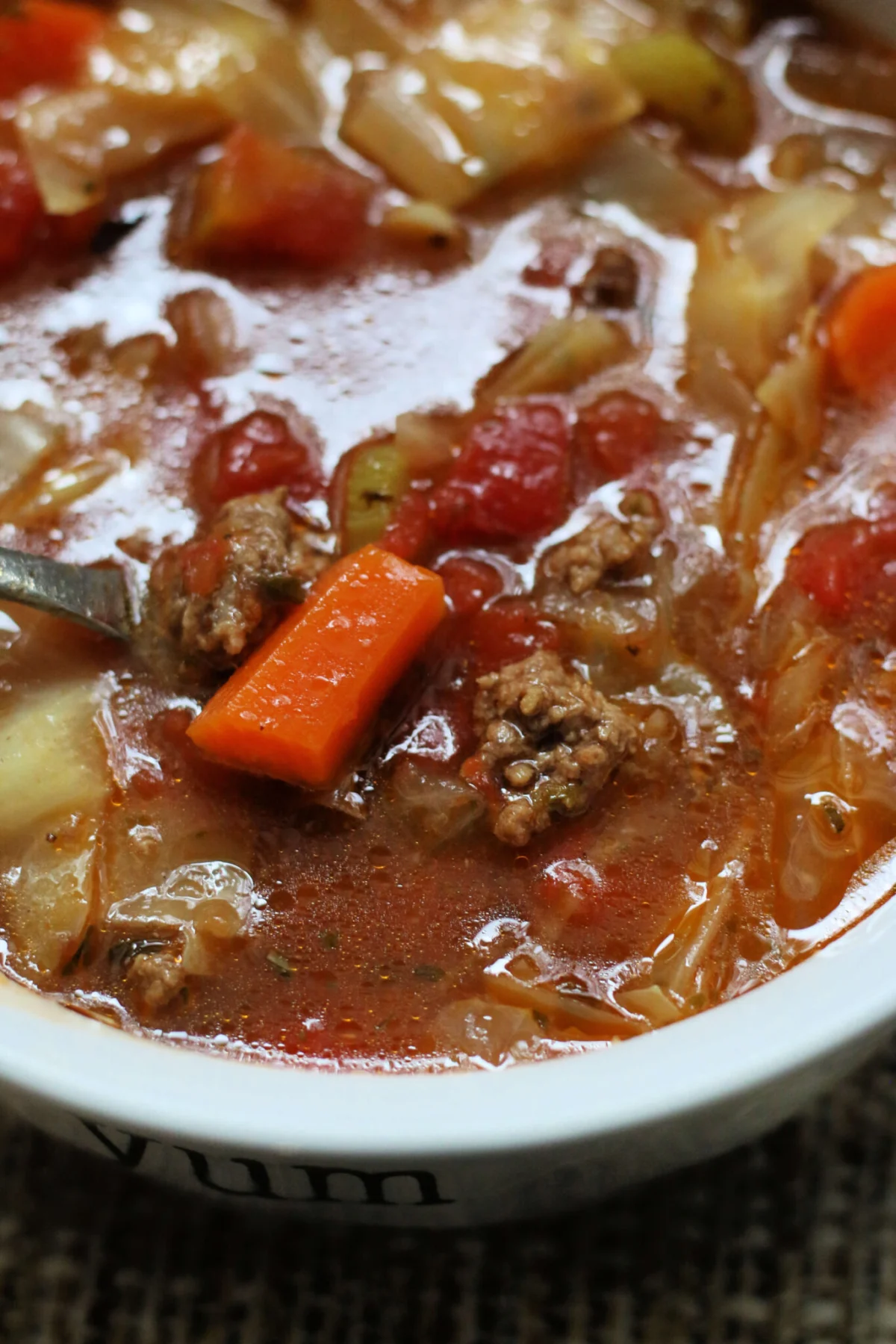
The shift toward convenient, home-prepared meals has seen a significant resurgence in the post-pandemic culinary landscape, with slow-cooker and multi-cooker recipes leading the trend in household meal planning. Among the most enduring staples of this movement is the classic vegetable beef soup—a dish that balances nutritional density with time-efficient preparation. Recent data from consumer behavior studies indicates that households are increasingly prioritizing "dump-and-go" recipes that utilize pantry staples and frozen vegetables, reflecting a broader societal pivot toward cost-effective, sustainable home cooking that minimizes food waste.

The Evolution of the Slow-Cooker Movement
The slow cooker, once viewed as a niche appliance, has become a cornerstone of modern kitchen utility. According to kitchen appliance market research, the popularity of the "Crock Pot" and the subsequent integration of the Instant Pot into mainstream cooking culture have fundamentally altered domestic food preparation. Unlike traditional stovetop methods, which require active monitoring, the slow-cooking process facilitates the breakdown of connective tissues in meat and the gradual infusion of flavors in vegetables.
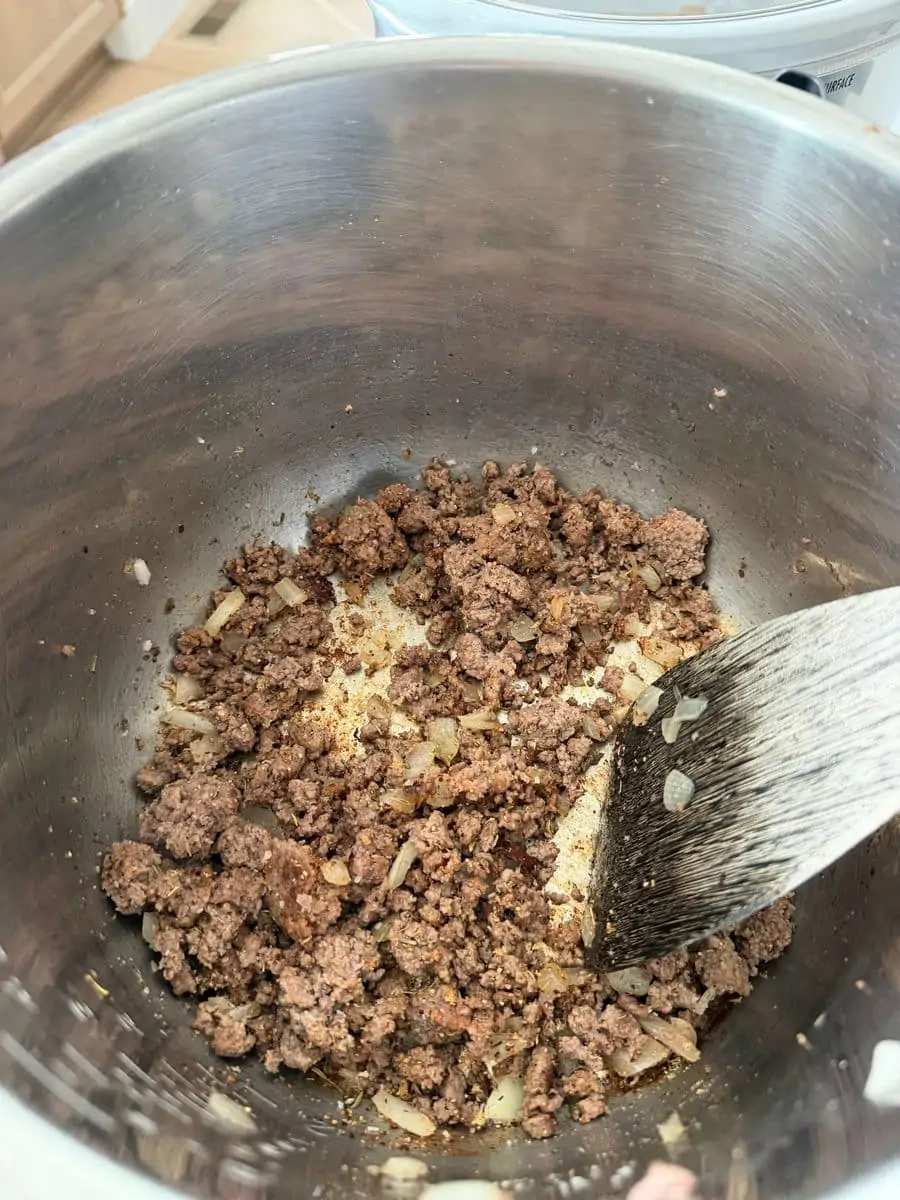
Vegetable beef soup represents a quintessential example of this culinary efficiency. By utilizing ground beef—a more accessible protein source than traditional stewing cuts—and combining it with shelf-stable or frozen produce, home cooks can achieve a nutrient-dense meal with minimal active labor. This method of preparation addresses two primary consumer concerns: the need for time management and the desire for high-quality, recognizable ingredients.
Chronology of Preparation and Nutritional Integration
The preparation cycle for this dish follows a standardized culinary timeline optimized for both flavor development and food safety.
- Protein Preparation (Minutes 0–10): The process begins with the browning of ground beef combined with aromatics like onions. This step is critical not only for flavor through the Maillard reaction but also for the reduction of excess lipid content.
- Seasoning and Base Construction (Minutes 10–15): The integration of seasonings—typically thyme, smoked paprika, garlic powder, and Worcestershire sauce—provides the foundational umami profile.
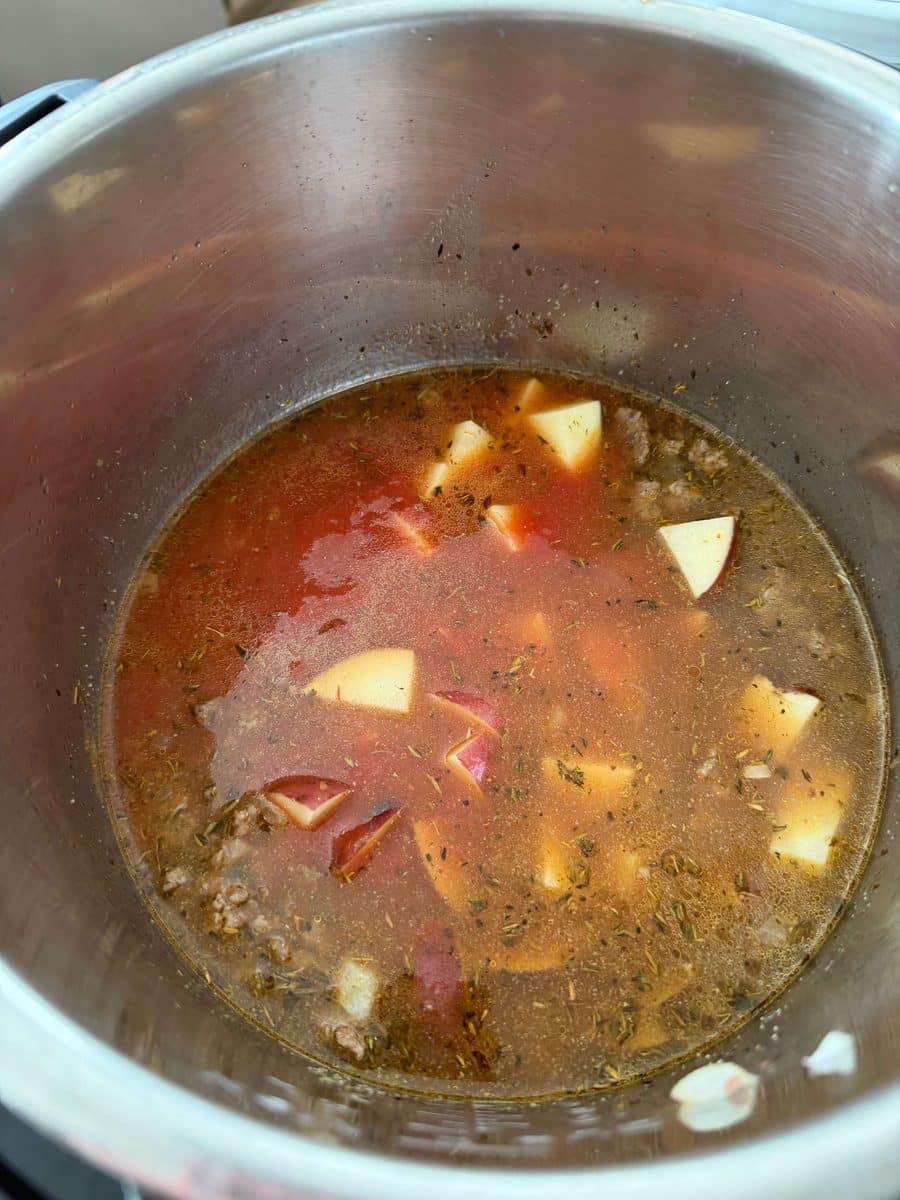
- The Slow-Cooking Phase (4–6 hours): Once transferred to a low-heat environment, the ingredients undergo a thermal transformation. The introduction of crushed tomatoes and broth at this stage ensures the vegetables and potatoes maintain their structural integrity while absorbing the savory liquid base.
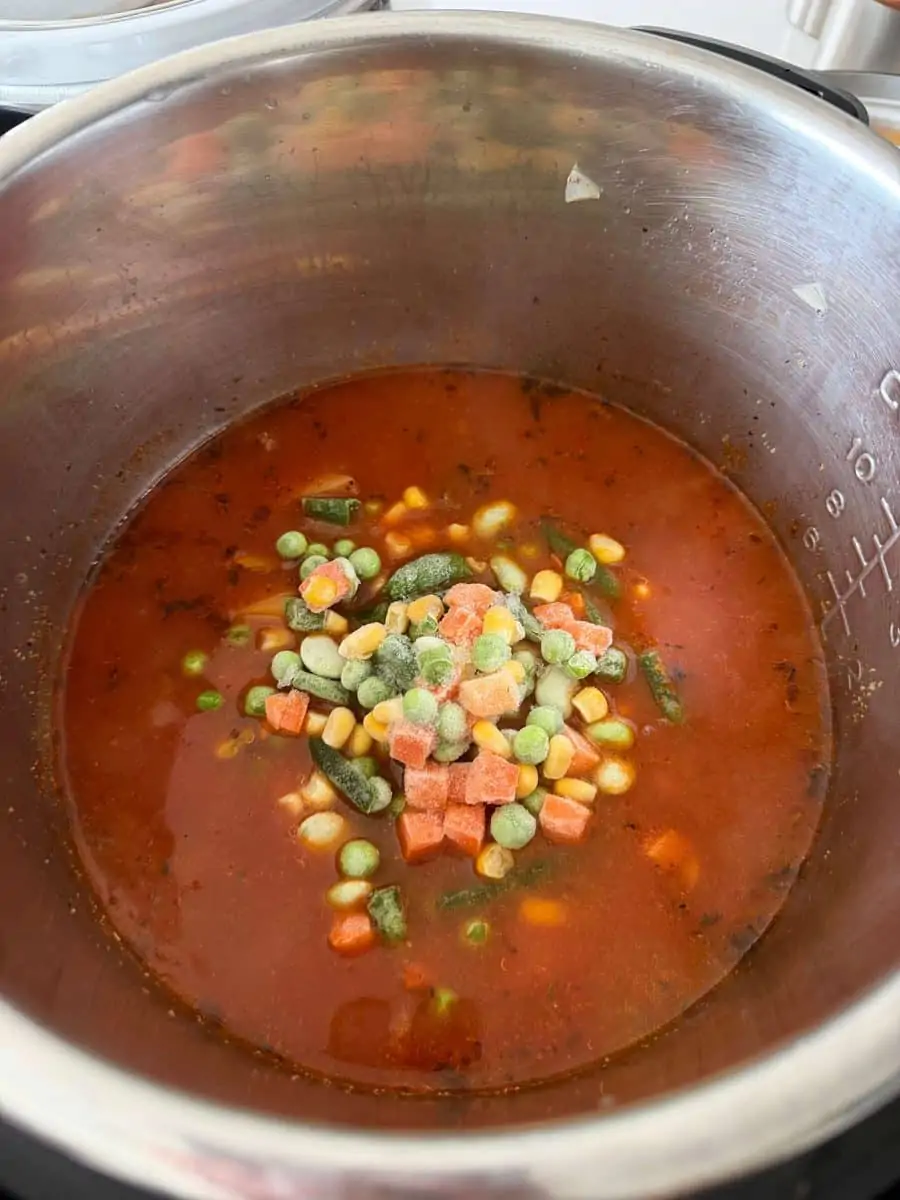
- Final Integration (Final 30 minutes): The addition of frozen mixed vegetables toward the end of the cooking cycle prevents over-softening, ensuring that the final dish retains a diverse texture profile.
Market Trends and Consumer Preferences
The sustained interest in this specific recipe profile is supported by broader economic trends. As inflation continues to impact grocery expenditures, consumers are gravitating toward recipes that offer high "yield-per-dollar" ratios. Vegetable beef soup is statistically one of the most efficient meals in this regard.
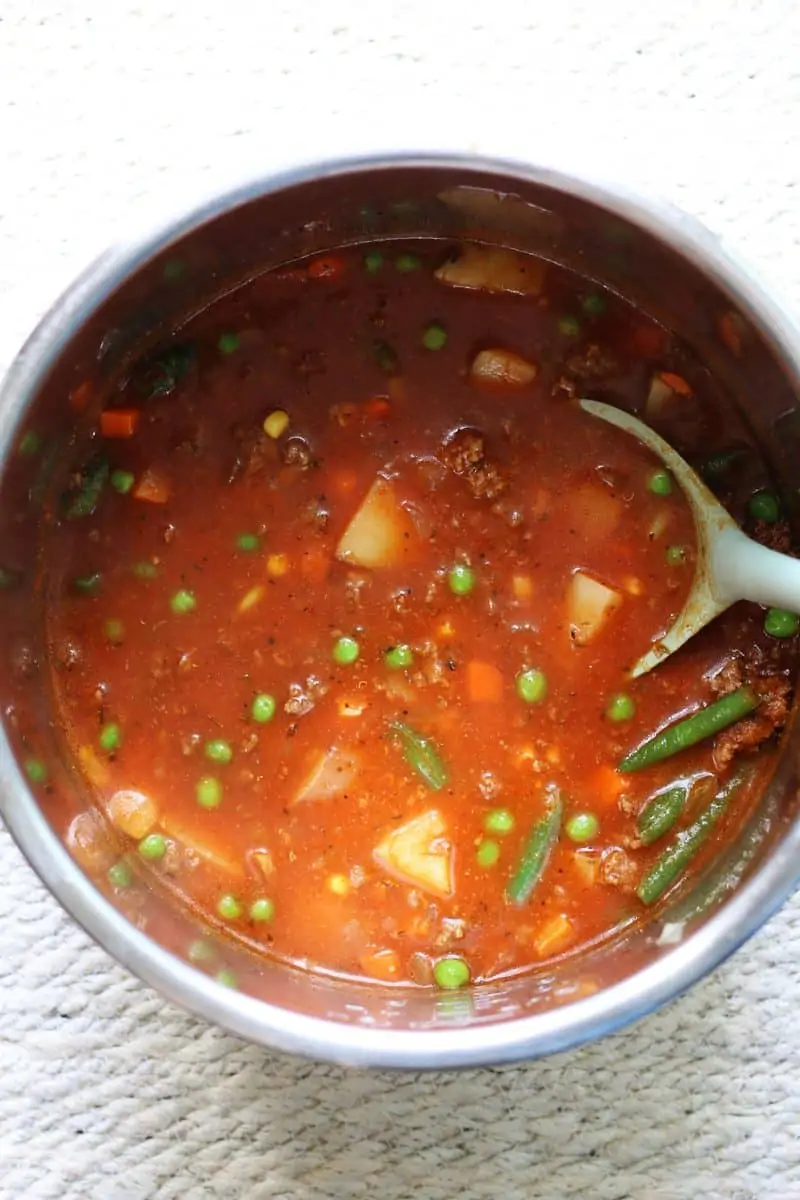
Frozen vegetables, which form the bulk of this recipe’s nutritional content, are often harvested at peak ripeness and flash-frozen, offering a nutritional profile that is frequently superior to long-haul fresh produce. Furthermore, the use of red potatoes—which do not require peeling—aligns with the "low-waste" cooking trend that has gained traction among environmentally conscious demographics. By skipping the peeling process, the cook retains the fiber-rich skin, increasing the nutritional value of the meal while reducing food scraps.
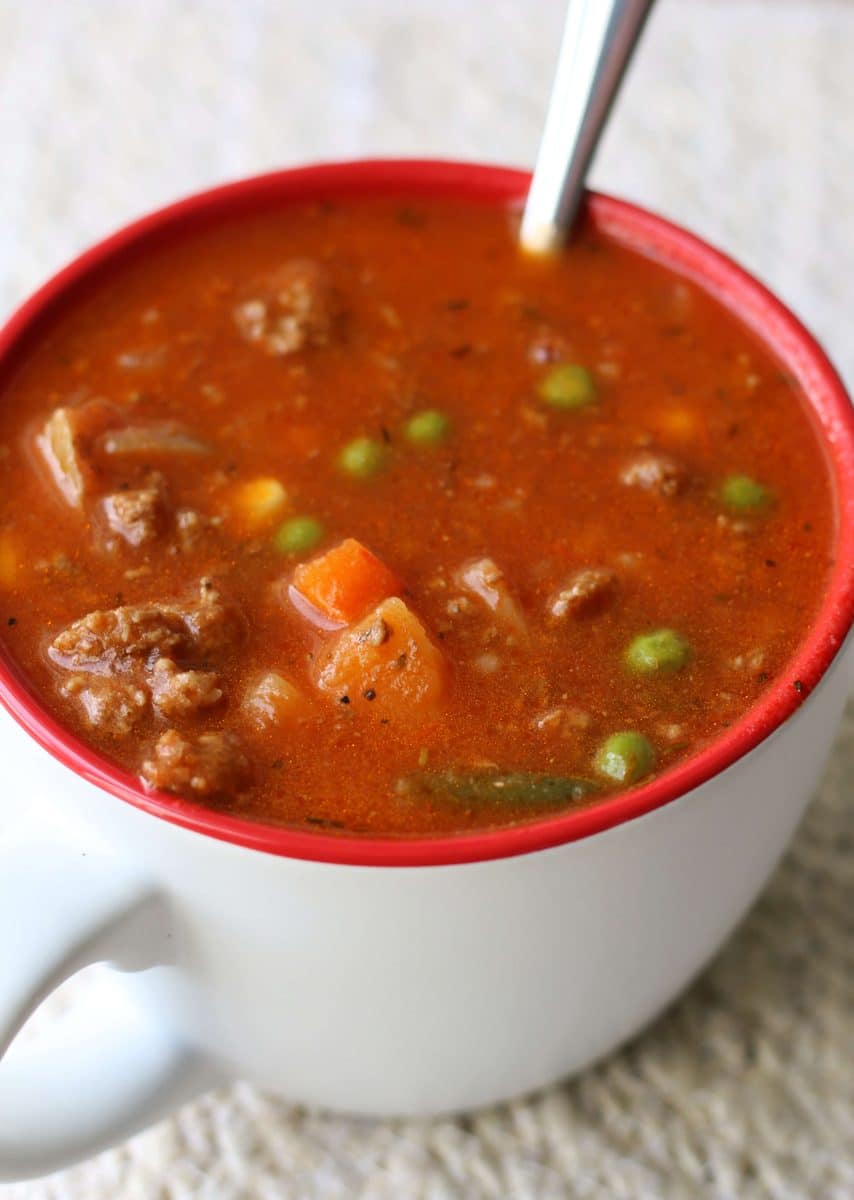
Analysis: The Impact of Multi-Functional Cooking
The versatility of the modern kitchen is best highlighted by the capability to prepare the same meal via either a slow cooker (low-heat, long-duration) or an Instant Pot (high-pressure, short-duration). This adaptability has had a measurable impact on the culinary habits of working professionals.

Nutritionists often emphasize that the "cozy" nature of such soups is not merely a subjective experience but a physiological one. The combination of complex carbohydrates from potatoes, lean proteins from the beef, and a wide spectrum of micronutrients from mixed vegetables provides a sustained energy release. This is particularly relevant for families seeking to balance busy schedules with the objective of providing home-cooked, rather than processed, meals.

Broader Implications for Domestic Culinary Arts
The resurgence of "homestyle" cooking via technology suggests that the future of the home kitchen lies in the intersection of tradition and automation. As manufacturers continue to release appliances that automate the variables of time and temperature, the barrier to entry for complex, time-consuming recipes is lowered.

Industry experts note that the "Crock Pot" model of cooking is also a major contributor to the reduction of food waste. Because the method is highly forgiving, it allows for the incorporation of "leftover" vegetables—such as wilting carrots or celery—that might otherwise be discarded. This aligns with global sustainability initiatives aimed at reducing household food waste, which accounts for a significant portion of municipal landfill mass.

Future Perspectives on Recipe Development
As the culinary landscape continues to evolve, the emphasis is shifting toward "modularity." Future iterations of recipes like this one are expected to include more explicit guidance on ingredient substitutions to accommodate dietary restrictions such as gluten-free or low-carb lifestyles. The integration of QR codes on packaging and digital recipe databases, such as those provided by modern culinary platforms, allows users to filter recipes based on specific constraints, further democratizing access to professional-level cooking techniques.

The vegetable beef soup remains a benchmark for domestic culinary success. It requires minimal technical skill but yields high-quality results, satisfying both the palate and the need for nutritional consistency. As we look toward the next decade of home cooking, the reliance on such versatile, robust recipes is expected to grow, cementing their place as the bedrock of the modern, efficient kitchen. By prioritizing simple, whole-food ingredients and leveraging the convenience of modern cooking technology, households can continue to enjoy the benefits of traditional comfort food without the historical constraints of time and labor.
