
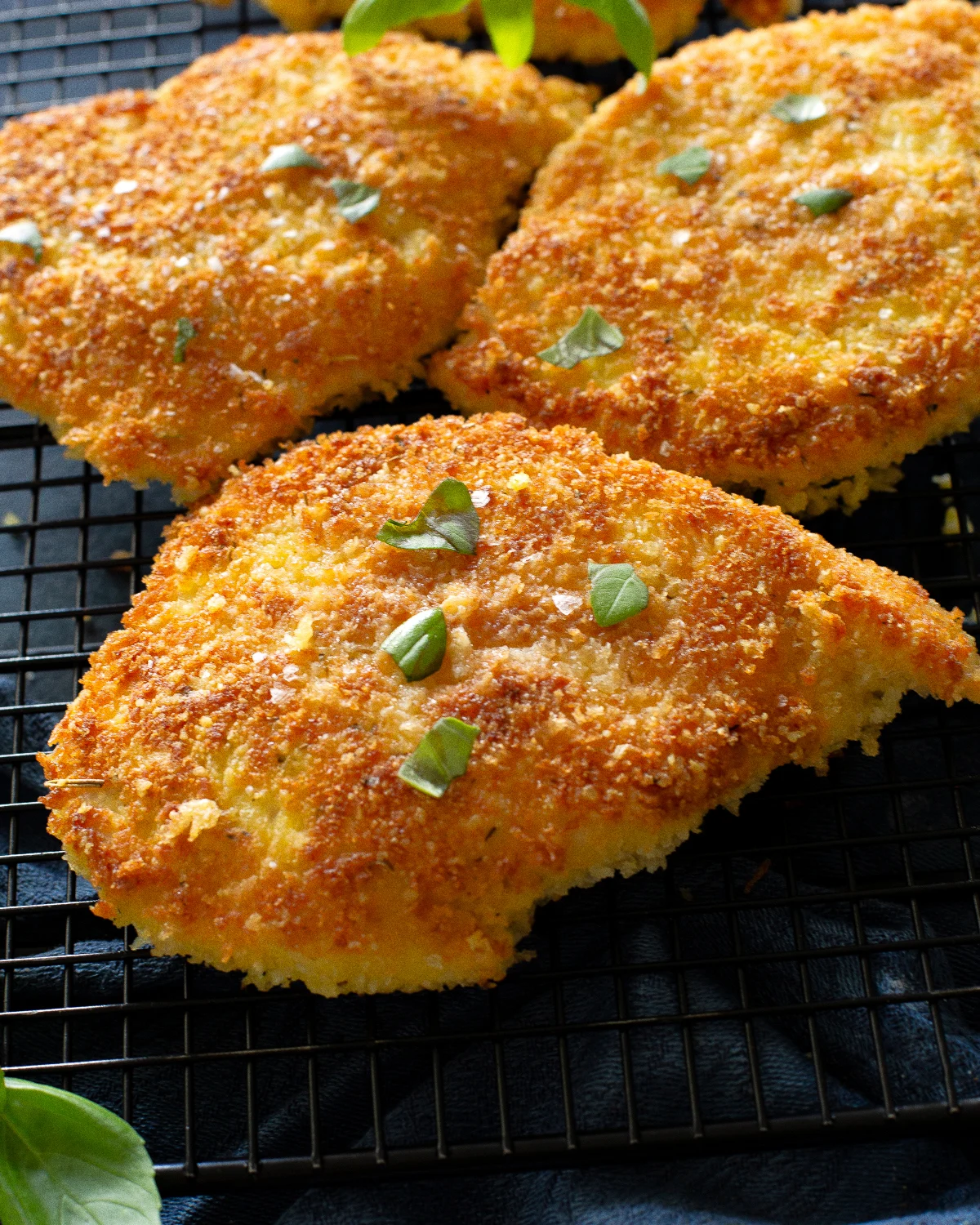
The Culinary Evolution of the Chicken Cutlet
The preparation of the chicken cutlet is rooted in the broader category of "scaloppine" or, more specifically, the Italian-inspired "cotoletta." While historians note that the breaded cutlet has variations across many cultures—including the Austrian Wiener Schnitzel and the Japanese Tonkatsu—the Parmesan-crusted variant represents a uniquely North American adaptation.
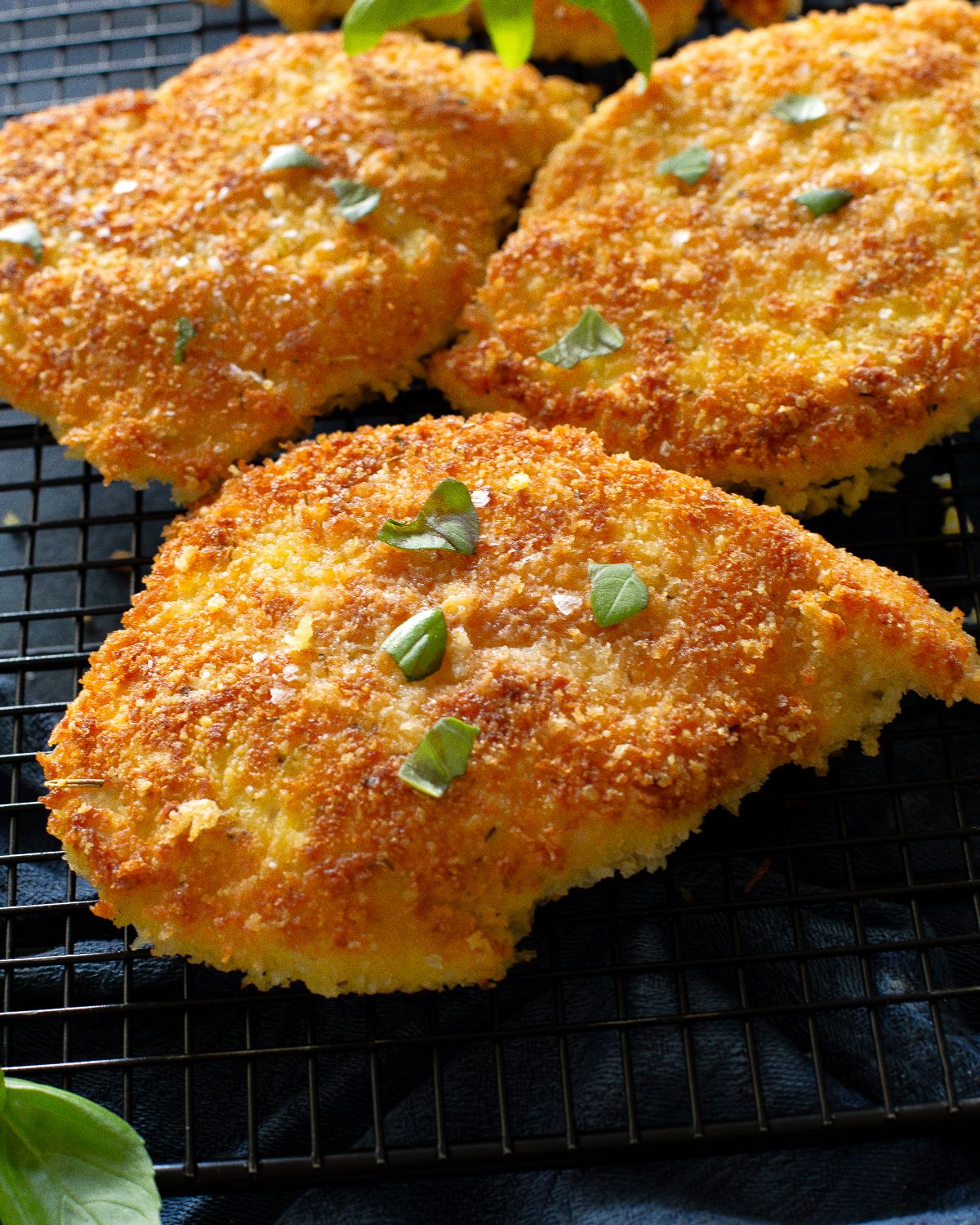
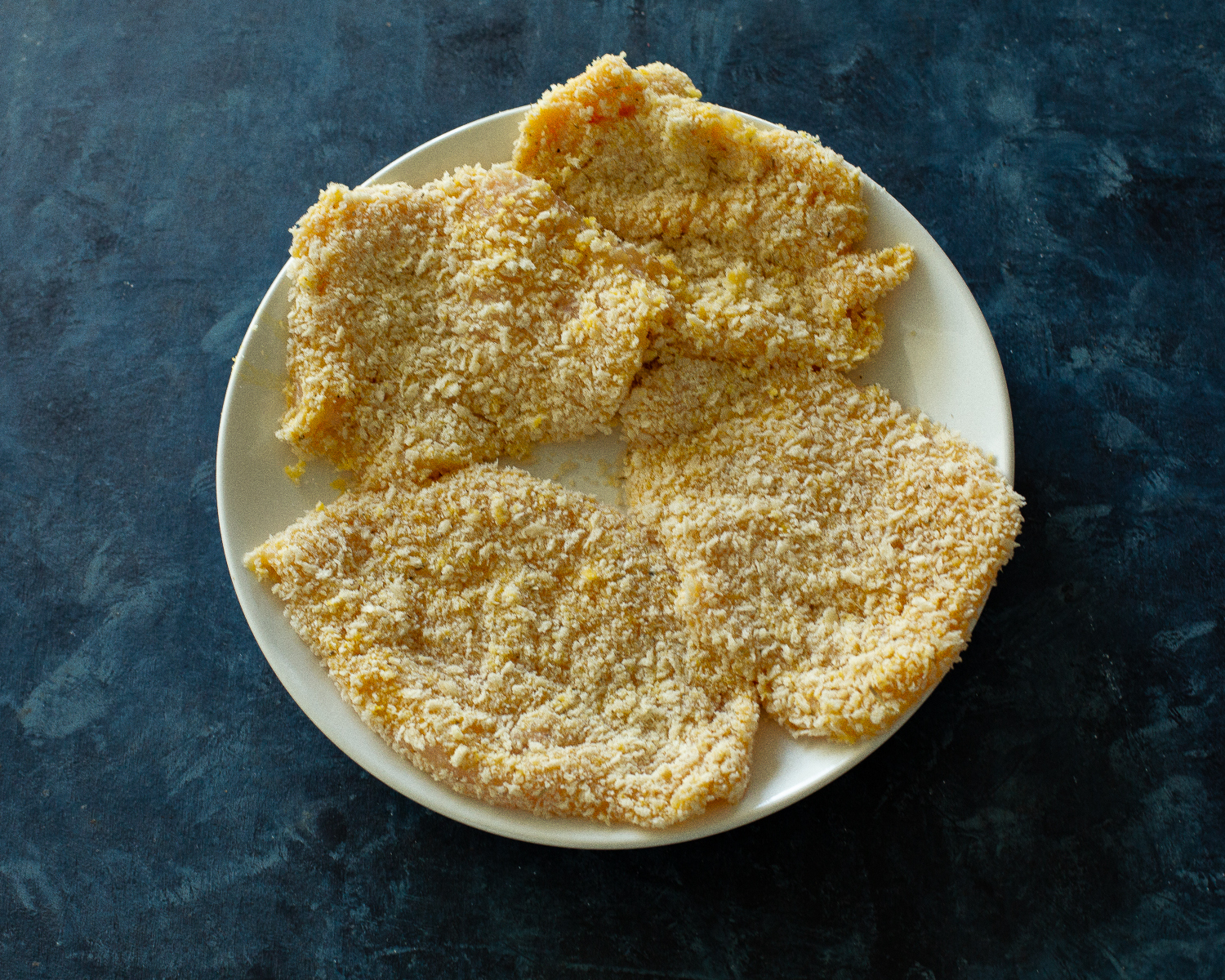
The process requires a precise mechanical approach: the chicken breast must be butterflied or pounded to a uniform thickness, typically around one-quarter of an inch. This uniformity is critical, as it ensures that the meat cooks evenly throughout the shallow-frying process. In the professional culinary sphere, this technique is praised for its efficiency; the high surface-area-to-volume ratio allows for rapid heat transfer, resulting in a crispy exterior that protects the tender interior from overcooking.
Historical Context and Cultural Significance
Throughout the mid-20th century, the rise of the "quick dinner" became a focal point of Western food culture. As dual-income households became more common, the demand for recipes that could be prepared in under 30 minutes surged. The Parmesan chicken cutlet became an institutional solution to this challenge. Unlike more complex braised dishes that require hours of preparation, the cutlet can be executed in a fraction of the time, providing a consistent, palatable result that appeals to a wide demographic, including children and discerning adults alike.
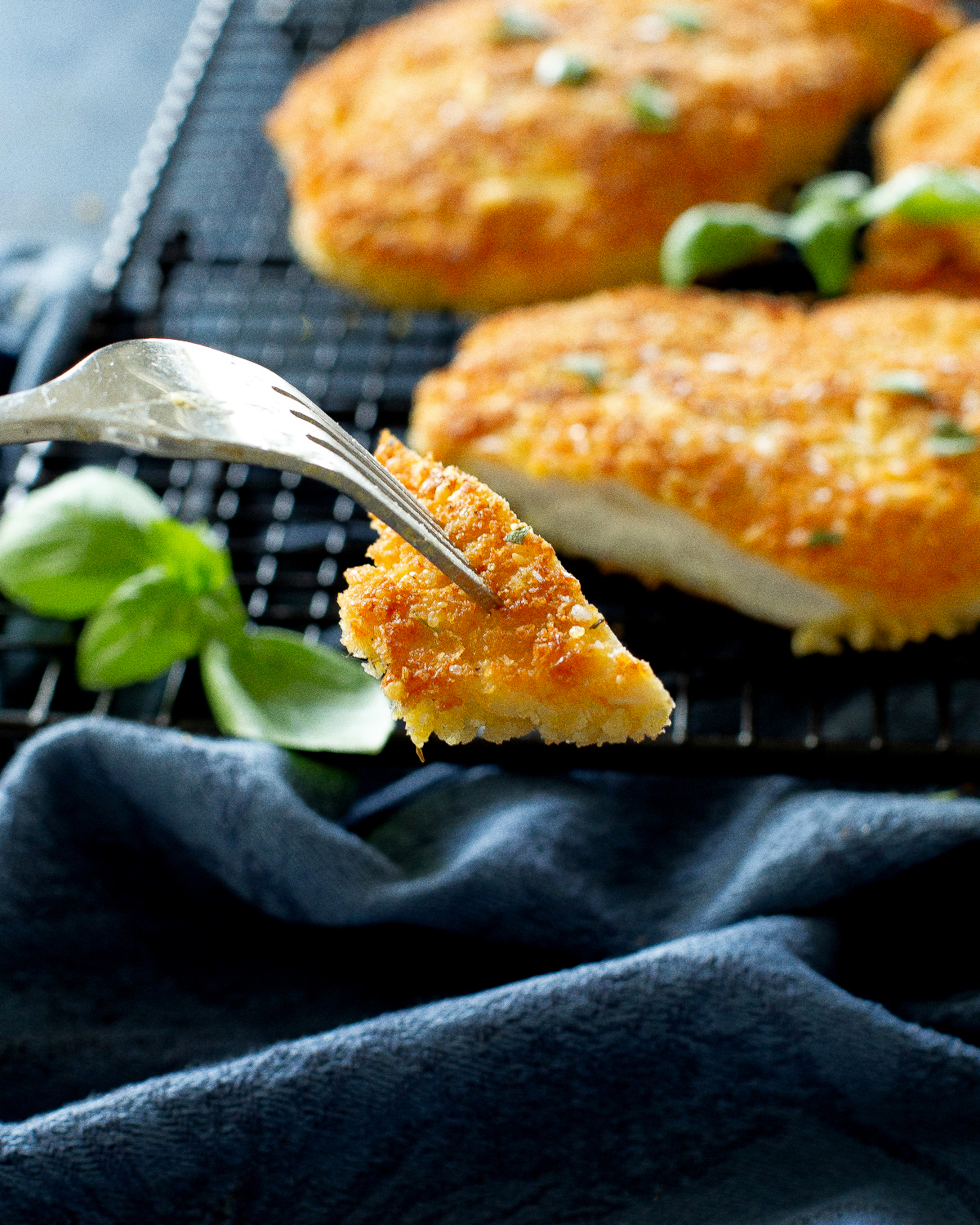
In the contemporary landscape, these cutlets are often compared to Chicken Milanese. The primary distinction lies in the serving presentation. While a traditional Milanese is frequently served with a refined topping of dressed arugula, balsamic glaze, and a wedge of lemon to cut the richness of the fried coating, the Parmesan cutlet is often treated as a standalone protein or a base for secondary applications, such as chicken Parmesan parmigiana or as a protein-dense component in salad bowls.
Technical Requirements for Consistent Results
Culinary experts and test kitchen professionals identify three critical factors in the success of the Parmesan chicken cutlet: temperature control, moisture management, and the quality of the binding agents.
- Thermal Regulation: The oil used for frying must maintain a temperature between 350°F and 375°F. If the oil is too cold, the breading absorbs excess fat, leading to a greasy, unappealing texture. If the oil is too hot, the exterior will darken before the chicken is fully cooked.
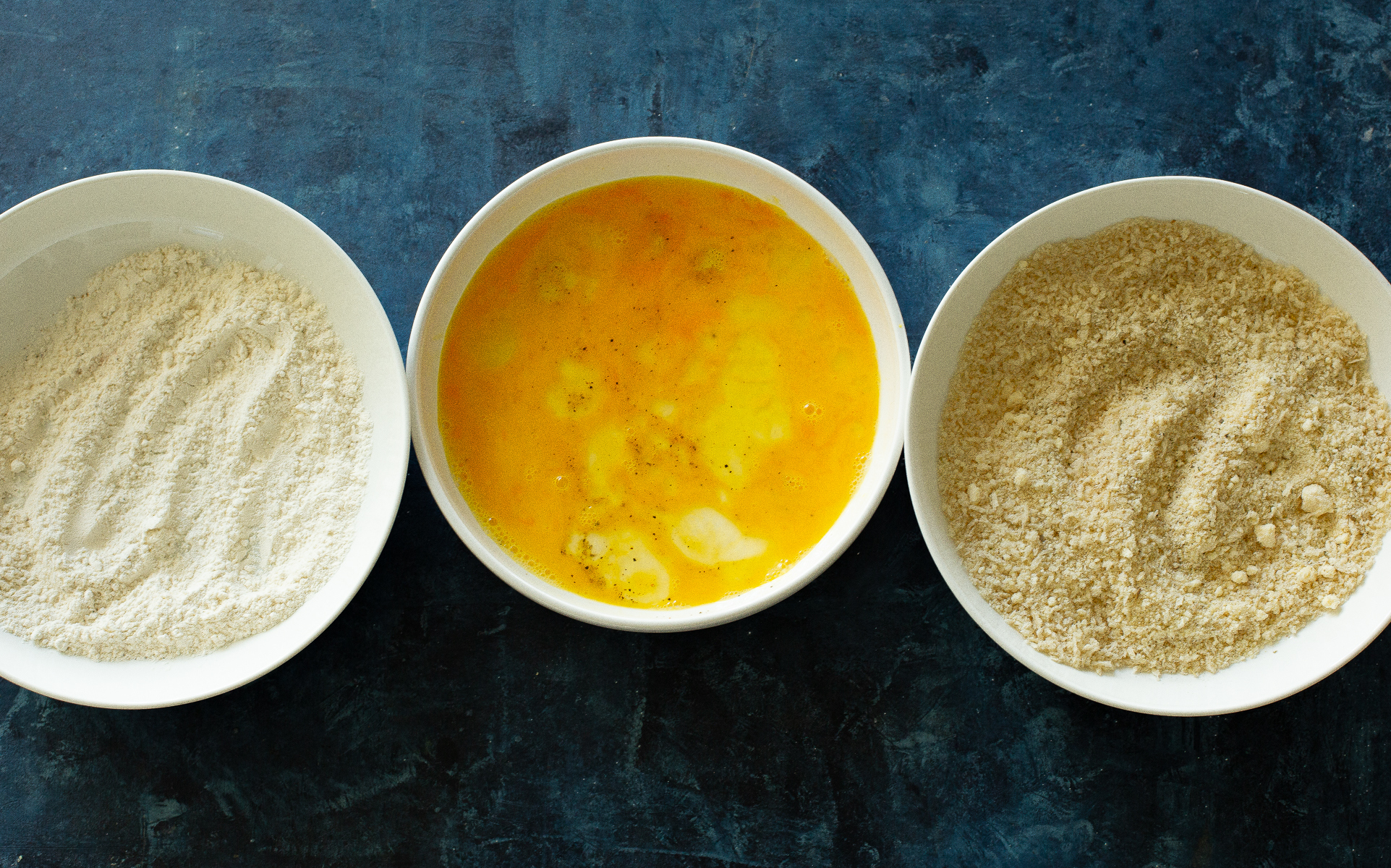
- Surface Preparation: Before dredging, the chicken must be patted dry. Excess surface moisture prevents the egg wash from adhering properly to the meat, which frequently results in the "delamination" of the crust—a common failure where the breading detaches during the cooking process.
- The Binding Matrix: The integration of Parmesan cheese into the breadcrumb mixture serves two purposes. First, the salt content of the cheese contributes to the flavor profile. Second, as the cheese melts during frying, it acts as a secondary adhesive, creating a more cohesive, crunchy crust than breadcrumbs alone could provide.
Data and Nutritional Considerations
From a nutritional standpoint, chicken breast remains one of the most efficient sources of lean protein. A standard four-ounce serving of poultry provides approximately 25 to 30 grams of protein with a relatively low fat content. When breaded and pan-fried, the nutritional profile changes; however, by opting for high-quality fats—such as avocado oil or clarified butter—and incorporating fiber-rich components like panko or whole-wheat breadcrumbs, the dish can be calibrated to fit various health-conscious dietary frameworks.
Market analysts in the food industry have noted a steady increase in the search volume for "quick-prep" poultry recipes over the last five years. This data reflects a broader consumer trend: the prioritization of home-cooked meals that utilize pantry staples. The versatility of the Parmesan cutlet allows it to be prepared with ingredients typically found in most households, further cementing its status as a reliable dinner solution.
Comparative Analysis: Milanese vs. Parmesan
While often used interchangeably by amateur cooks, the distinction between Milanese and Parmesan-crusted chicken is meaningful in a gastronomic context. The Milanese style prioritizes the integrity of the meat, usually relying on a very fine dusting of breadcrumbs. The Parmesan-crusted variation leans into the texture provided by the cheese, resulting in a deeper, more golden-brown crust. This variation allows for a more robust interaction with sauces or condiments, as the crust is structurally capable of holding more weight and flavor.
Broader Economic and Lifestyle Implications
The sustained popularity of this dish reflects changing economic behaviors in the food sector. As inflation affects the cost of dining out, households are increasingly looking to replicate high-end restaurant experiences at home. The Parmesan chicken cutlet serves this purpose well, offering a "restaurant-quality" meal at a fraction of the cost.
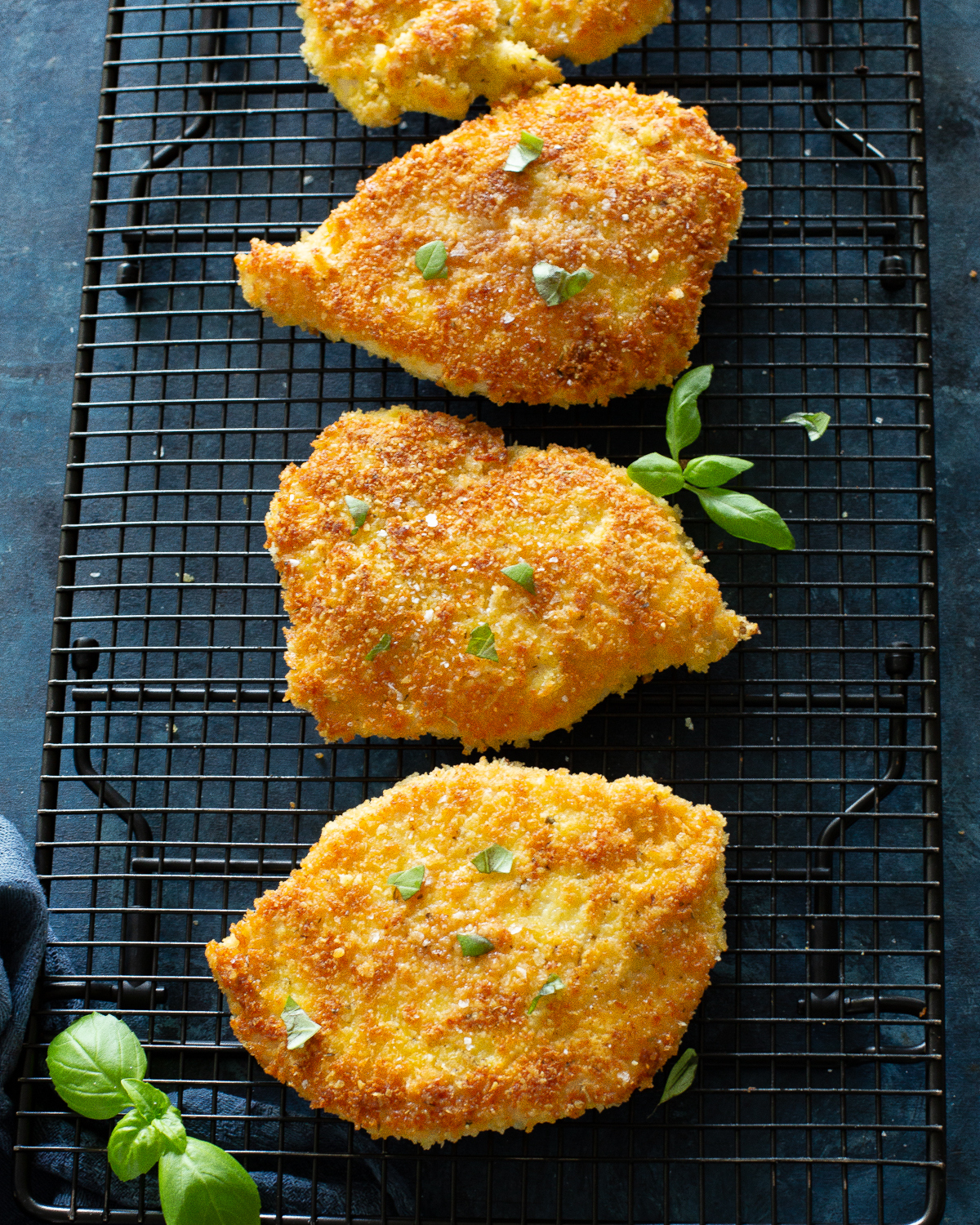
Furthermore, the adaptability of the dish allows for significant variation. By incorporating different herbs, such as rosemary, thyme, or oregano, or by introducing spices like garlic powder or paprika, the baseline recipe can be modified to suit various regional flavor profiles without altering the underlying technique. This flexibility has contributed to its longevity in cookbooks and culinary websites, as it remains relevant regardless of shifting food trends.
Future Outlook
As we look toward the future of home meal preparation, the reliance on such foundational recipes is expected to persist. Technological advancements in home kitchen equipment—such as precision induction burners and air fryers—have further simplified the process, making it safer and more consistent. The air-fryer iteration of this dish, for instance, has gained significant traction, allowing for a reduction in total fat content while maintaining the essential textural profile that defines a successful cutlet.
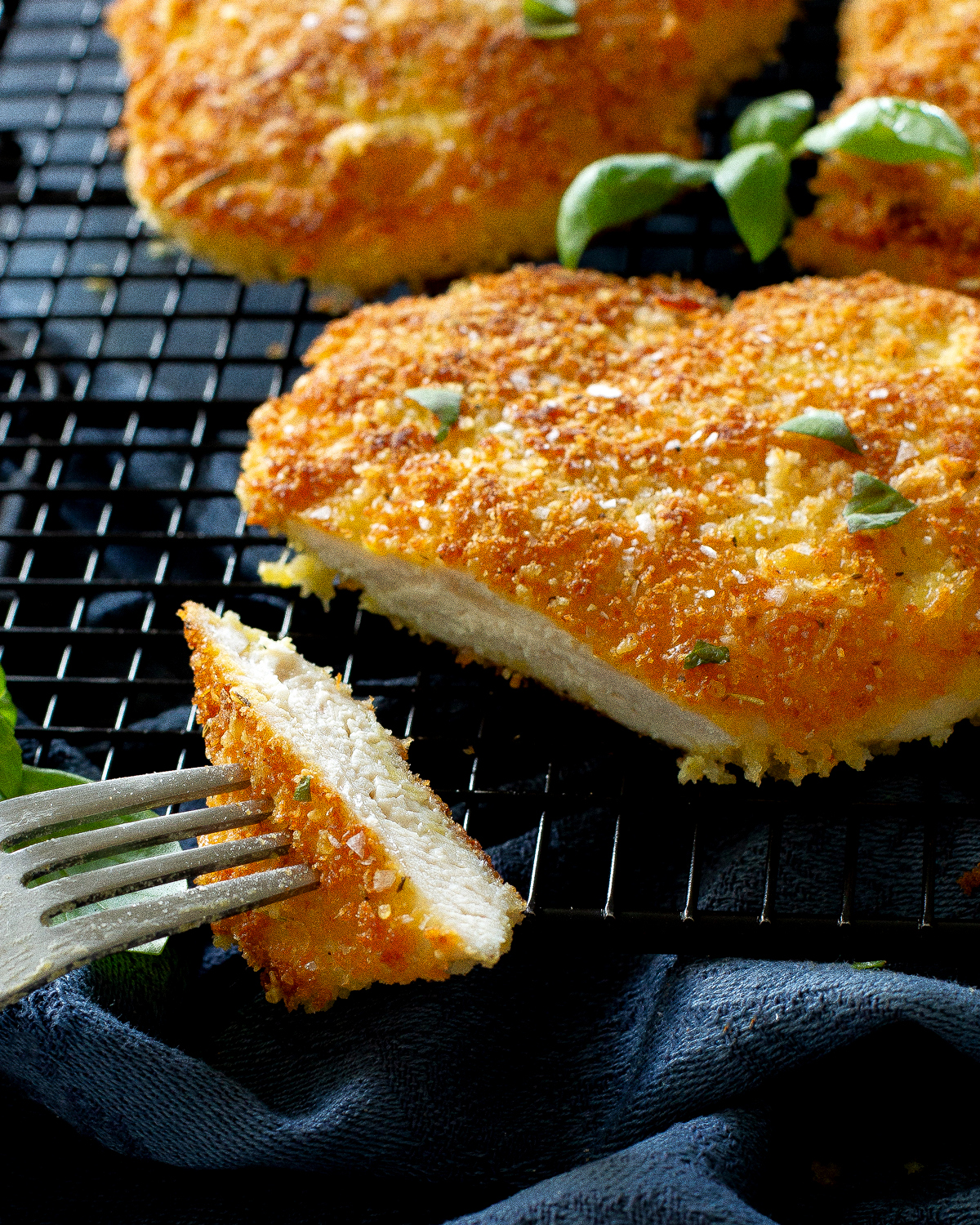
In conclusion, the Parmesan chicken cutlet stands as a testament to the value of simplicity in the culinary arts. It does not require exotic ingredients or complex equipment; rather, it requires an understanding of basic thermodynamics and ingredient interaction. Whether served as a primary protein alongside roasted vegetables or incorporated into a more elaborate dish, its role in the modern diet remains secure. By adhering to the established principles of preparation—uniformity, temperature control, and moisture management—home cooks can reliably achieve professional-grade results, ensuring that this classic dish remains a staple for years to come. The enduring appeal of the Parmesan chicken cutlet lies not just in its flavor, but in its ability to consistently meet the demands of the modern, busy household.
