
The Evolution of the Portable Breakfast
The concept of the handheld breakfast burrito emerged from the Southwestern United States in the mid-20th century, blending traditional Mexican-American culinary influences with the fast-paced requirements of the American workforce. Historically, breakfast was a stationary affair, but demographic shifts toward dual-income households and earlier school start times necessitated a departure from the sit-down morning meal.

Market analysts note that the frozen and ready-to-eat breakfast segment has seen a steady annual growth rate of approximately 4-5% over the last decade. This growth is driven by a consumer base that prioritizes both cost-effectiveness and time management. By preparing meals in advance, families can bypass the nutritional pitfalls of highly processed, store-bought breakfast alternatives, which are often laden with excessive sodium, preservatives, and refined sugars.
Nutritional Profile and Ingredient Selection
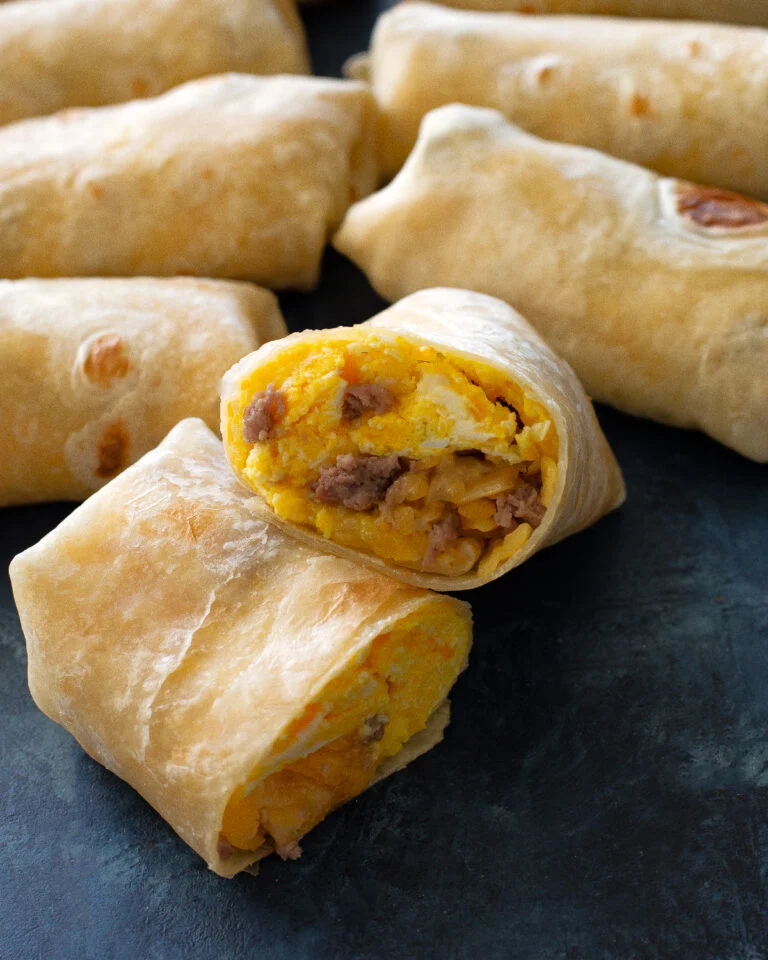
A standard, homemade sausage and egg burrito offers a balanced macronutrient profile, provided the quality of ingredients is monitored. Eggs provide a high-quality source of complete protein and essential nutrients such as choline and vitamin D. Breakfast sausage contributes significant fat and protein, while the cheese offers calcium and additional protein.

However, health professionals often recommend tempering the sodium content of commercial breakfast sausages by opting for leaner turkey varieties or artisanal sausages with lower nitrate levels. When paired with a whole-grain tortilla, the meal can provide a sustained release of energy, which is particularly beneficial for students and professionals during peak morning hours.
Best Practices for Bulk Preparation and Storage
The success of a meal-prep strategy relies heavily on the technique employed during the assembly phase. To prevent the degradation of texture—specifically the dreaded "soggy tortilla" effect—culinary experts advise that all fillings, particularly the scrambled eggs and sausage, must be cooled completely to room temperature before assembly.

The heat contained within freshly cooked proteins creates steam when trapped inside a sealed tortilla. This moisture, if not allowed to dissipate, causes the starch in the tortilla to break down, resulting in a gummy, unpalatable texture upon reheating. Once cooled, the burritos should be individually wrapped in moisture-resistant materials such as plastic wrap or aluminum foil.
For short-term storage (up to three days), the refrigerator is sufficient. For long-term preservation, the freezer is the optimal environment. When freezing, it is recommended to use a two-layer protection method—such as a layer of parchment paper followed by an airtight freezer bag—to prevent freezer burn and ice crystal formation.

Reheating Methodology and Food Safety
Proper reheating is essential to ensuring both food safety and quality. According to food safety guidelines, internal temperatures must reach 165°F (74°C) to ensure the elimination of any potential pathogens.
- Oven Reheating: For those seeking a crisp exterior, the oven remains the gold standard. Wrapped in foil, the burritos should be placed in a preheated 350°F (175°C) oven for 30 to 35 minutes. This method ensures uniform heating and maintains the structural integrity of the tortilla.
- Microwave Reheating: For speed-oriented consumers, the microwave is the primary tool. A standard burrito requires approximately 2 to 3 minutes on medium-high power. To ensure even heating, it is advisable to rotate the burrito halfway through the cycle. If the burrito is frozen, a 30-second "defrost" cycle prior to full-power heating can prevent the center from remaining cold while the edges become rubbery.
Broader Economic and Lifestyle Implications
The rise of the homemade breakfast burrito reflects a broader trend toward "domestic manufacturing" within the household. As food inflation impacts grocery store pricing, consumers are increasingly seeking ways to maximize their purchasing power. Buying eggs, cheese, and sausage in bulk and assembling them at home is significantly more cost-effective than purchasing pre-packaged, single-serving breakfast items from convenience stores or quick-service restaurants.

Furthermore, this practice fosters a culture of nutritional autonomy. By controlling the ingredients, parents can eliminate unwanted additives and adjust portion sizes to suit the specific dietary needs of their children. This autonomy is increasingly important in an era where childhood obesity and metabolic health are growing public health concerns.
Culinary Variations and Customization
While the foundational recipe relies on the four primary ingredients, the versatility of the breakfast burrito allows for significant customization. Many households incorporate secondary ingredients to enhance both flavor and nutritional density:

- Vegetable Inclusions: Diced bell peppers, onions, and spinach can be sautéed with the sausage to add fiber and vitamins.
- Potatoes: Adding roasted potatoes or hash browns transforms the burrito into a heartier meal, often referred to as a "breakfast wrap" in various regional cuisines.
- Condiments: The inclusion of salsa, sour cream, or hot sauce—often stored in small, separate, disposable containers—allows for flavor customization without compromising the integrity of the burrito during transport.
Conclusion: A Sustainable Morning Routine
The persistence of the sausage and egg breakfast burrito in the modern diet is not a coincidence; it is a direct response to the requirements of a high-efficiency society. By blending the simplicity of a four-ingredient core with a structured approach to preparation and storage, families can ensure that a nutritious, warm meal is available even on the busiest mornings.
As food technology advances, we may see more innovations in storage and packaging that further simplify this process. However, the core principle remains unchanged: the value of a home-prepared meal, measured not just in financial savings, but in the consistency and quality of the fuel provided to start the day. Whether for a student rushing to a morning lecture or a professional heading to an early meeting, the breakfast burrito remains a testament to the enduring power of practical, home-cooked convenience.
