
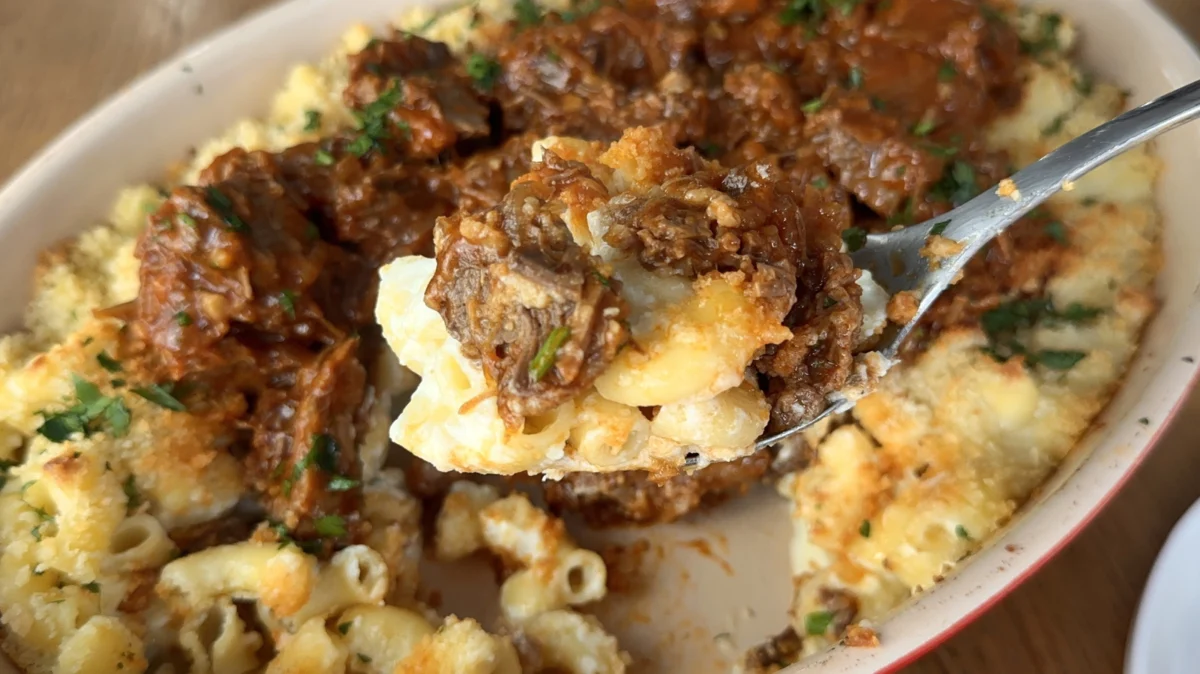
The evolution of comfort food in American culinary culture has long leaned toward the intersection of high-fat, high-carb indulgence and traditional pit-master techniques. While macaroni and cheese has served as a staple side dish in Southern and regional American cuisine for generations, recent culinary shifts have seen it transition from a side to a center-of-the-plate entrée. The most significant catalyst for this shift is the integration of premium, slow-cooked proteins, specifically beef brisket. By combining the rich, dairy-forward profile of a classic béchamel-based cheese sauce with the deep, umami-laden notes of braised or smoked brisket, home cooks and professional chefs are creating a meal that is nutritionally denser and arguably more complex in flavor profile.
The Culinary Science of the Pairing
At the chemical level, the success of this pairing relies on the contrast between lactic acid and fat found in aged cheddar or gruyère cheese sauces and the complex Maillard reaction occurring in slow-cooked brisket. Brisket, a cut derived from the pectoral muscles of the cow, contains a high proportion of connective tissue—specifically collagen. Through the process of braising or smoking, this collagen breaks down into gelatin, which provides the meat with its characteristic "melt-in-your-mouth" texture.
When this tender, gelatinous meat is introduced to the viscous, emulsified cheese sauce, it creates a texture profile that is both creamy and fibrous. Recipe developer Katie Rosenhouse, who has championed this specific fusion, notes that the savory, ketchup-based glaze often used in braising acts as a bridge between the sharp acidity of the cheese and the smoky intensity of the beef. This balance prevents the dish from feeling overly heavy, despite its high caloric density.
Chronology of the Braising Process
The preparation of a high-quality brisket-infused mac and cheese is a multi-stage process that typically spans several hours, requiring careful time management.
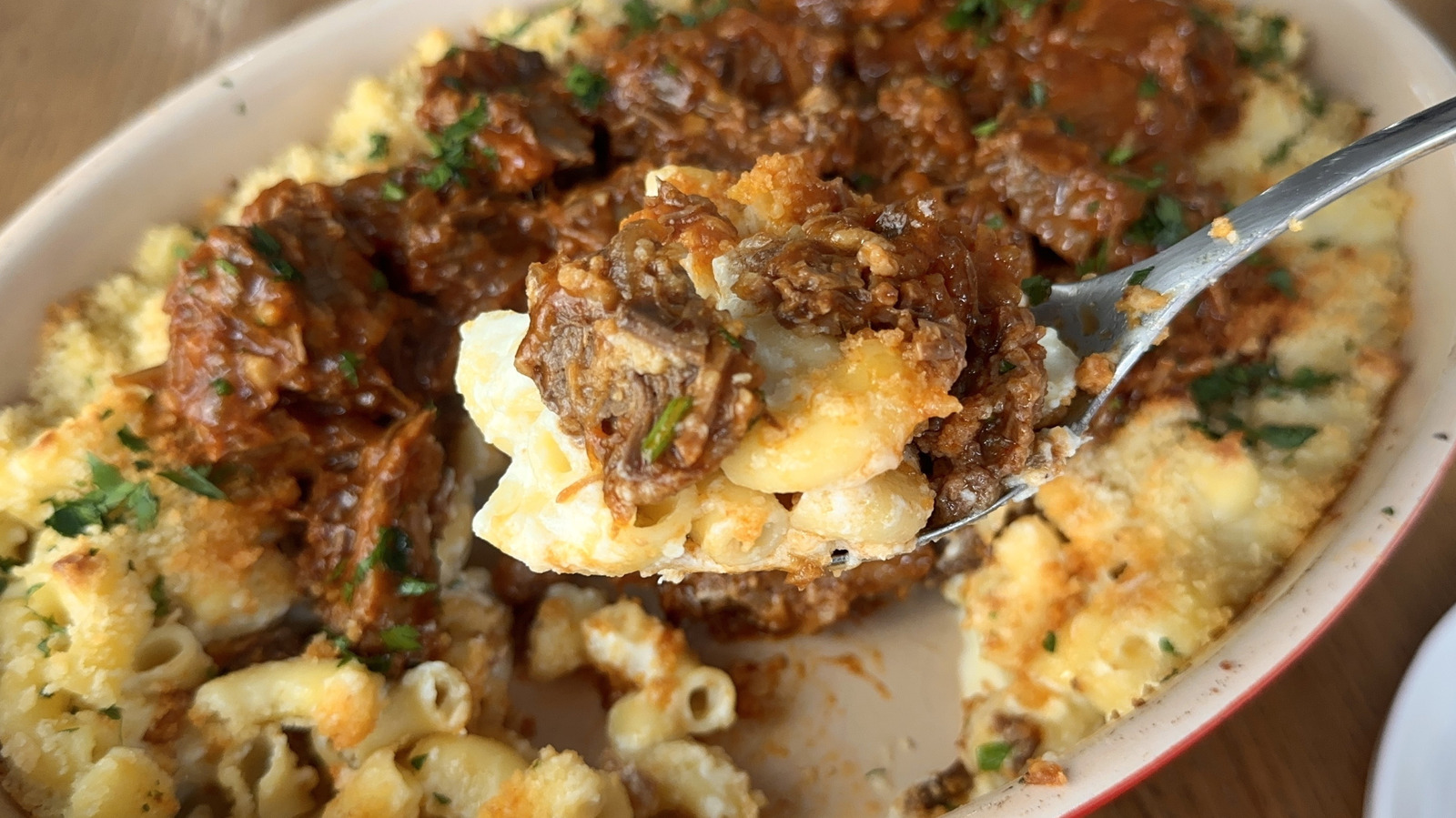
- Phase I: Preparation and Marinade (0–2 Hours): The brisket is prepared by trimming excess fat and applying a dry rub or a wet marinade. The use of a ketchup-based sauce, often enhanced with molasses, brown sugar, and apple cider vinegar, provides the necessary acidity to break down fibers during the cook.
- Phase II: The Low-and-Slow Braise (3–5 Hours): The meat is placed in a Dutch oven or heavy-bottomed roasting pan. Braising at a temperature between 275°F and 300°F allows for the gentle rendering of fats. During this window, the moisture levels remain stable, ensuring the meat does not dry out.
- Phase III: The Pasta and Béchamel (30–45 Minutes): While the meat rests, the pasta—typically short shapes like cavatappi or cellentani, which are designed to capture thick sauces—is boiled to an "al dente" state. A classic Mornay sauce is prepared by whisking flour and butter to form a roux, adding milk to create a béchamel, and folding in aged cheeses.
- Phase IV: Integration and Final Bake (20–30 Minutes): The brisket is cubed and folded into the pasta mixture before being topped with panko or toasted breadcrumbs. The final bake at 375°F serves to brown the top and ensure the internal temperature is uniform throughout.
Supporting Data and Nutritional Context
From a nutritional standpoint, this upgrade significantly alters the macronutrient distribution of the meal. A standard serving of traditional macaroni and cheese provides approximately 300–400 calories, primarily derived from carbohydrates and saturated fats. The addition of four to six ounces of brisket introduces roughly 25–35 grams of high-quality protein and additional iron and zinc.
Market data from the specialty food sector suggests that "hybrid" comfort foods—dishes that combine two distinct culinary identities—have seen a 14% increase in popularity on restaurant menus over the past three years. This trend is driven by consumer demand for high-protein meals that provide a sense of satiety, commonly referred to in the industry as "value-driven indulgence."
Strategic Adaptations for the Modern Kitchen
The versatility of this dish lies in its modularity. While braising is the traditional method, the adoption of smoked brisket—often sourced as leftovers from backyard barbecues—has become a preferred method for many home cooks. Smoked brisket brings a distinct "bark" or crust, which adds a tactile crunch that braised meat lacks.
For those looking to refine the recipe, industry experts suggest several variations to manage the intensity of the dish:
- Acidic Balance: Incorporating pickled jalapeños or fermented cucumbers can cut through the richness of the cheese sauce.
- Aromatic Enhancements: Sautéed onions or shallots provide a caramelized sweetness that mimics the flavor profile of the brisket rub.
- Texture Contrast: Utilizing "burnt ends"—the highly seasoned, charred tips of the brisket—adds an intense concentration of flavor that elevates the dish to a gourmet standard.
Broader Implications and Culinary Trends
The rise of the "brisket mac" phenomenon reflects a broader move away from traditional side dishes toward "composed" meals. In professional kitchens, this is categorized under the "premiumization" of comfort food. Restaurants are finding that by elevating standard recipes with high-end proteins, they can justify higher price points while simultaneously meeting the consumer’s desire for "authentic" BBQ-inspired dining.
Furthermore, this trend aligns with the "zero-waste" movement in kitchens. Utilizing leftover brisket from a previous day’s service or cookout prevents food waste while creating a second, distinct dining experience. Culinary analysts suggest that as the cost of living fluctuates, consumers are increasingly seeking ways to make "stretch meals"—dishes that use a smaller amount of high-quality protein to make a large volume of food feel luxurious.
Professional Recommendations for Serving
To ensure the dish is properly balanced, the accompaniments must be carefully selected. Because the combination of cheese, pasta, and brisket is remarkably heavy, side dishes should focus on acidity and fiber to aid digestion. A fresh green salad dressed in a bright vinaigrette, or sautéed cruciferous vegetables like Brussels sprouts or broccoli, are widely considered the gold standard for balancing the meal.
For those seeking a thematic experience, pairing the dish with sides traditional to the Texas BBQ circuit, such as pinto beans or a vinegar-based slaw, creates a cohesive meal. However, it is essential to monitor sodium levels when combining processed barbecue sauces with aged cheeses, as the cumulative salt content can quickly exceed recommended daily limits.
Conclusion
The transformation of macaroni and cheese into a vessel for premium barbecue brisket is more than a fleeting food trend; it is a logical progression in the modernization of American comfort food. By leveraging the specific properties of slow-cooked beef—its texture, umami depth, and smoky character—cooks can elevate a simple pasta dish into a comprehensive, satisfying meal. Whether executed via a long-form braise or by repurposing leftovers, the marriage of these two elements demonstrates the power of balancing texture, flavor, and technique to create a dish that resonates on both a nutritional and emotional level. As the culinary landscape continues to favor hearty, high-protein comfort, the brisket-infused mac and cheese is likely to remain a fixture in both home kitchens and restaurant menus for the foreseeable future.
