
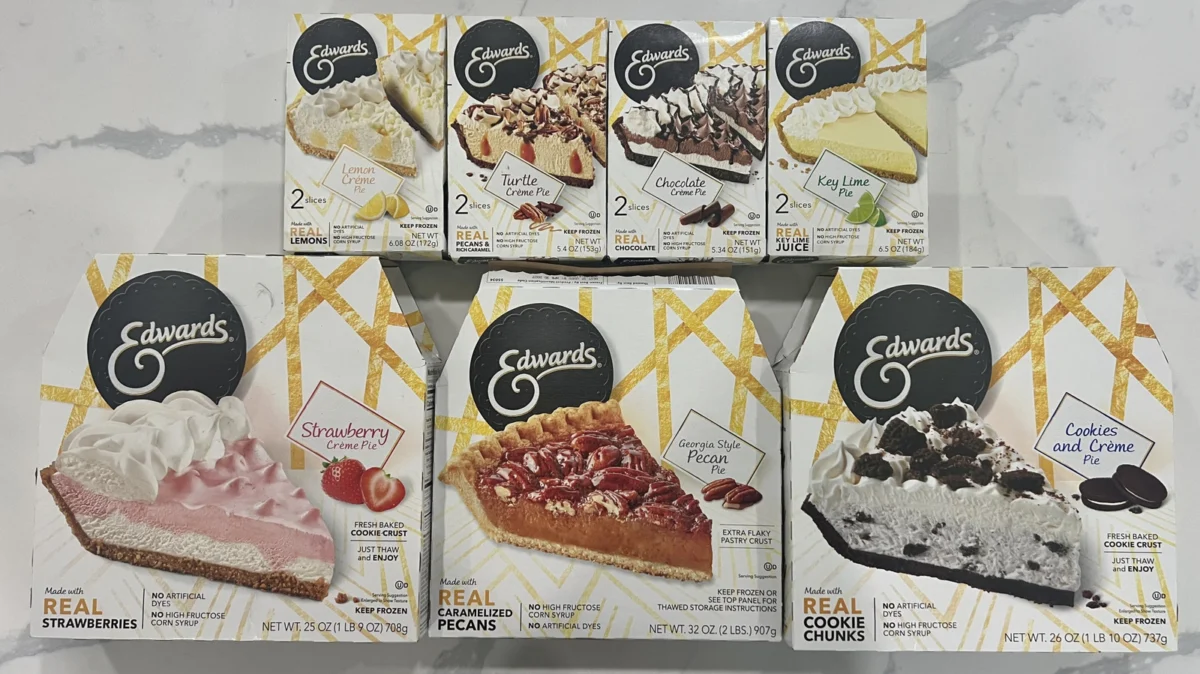
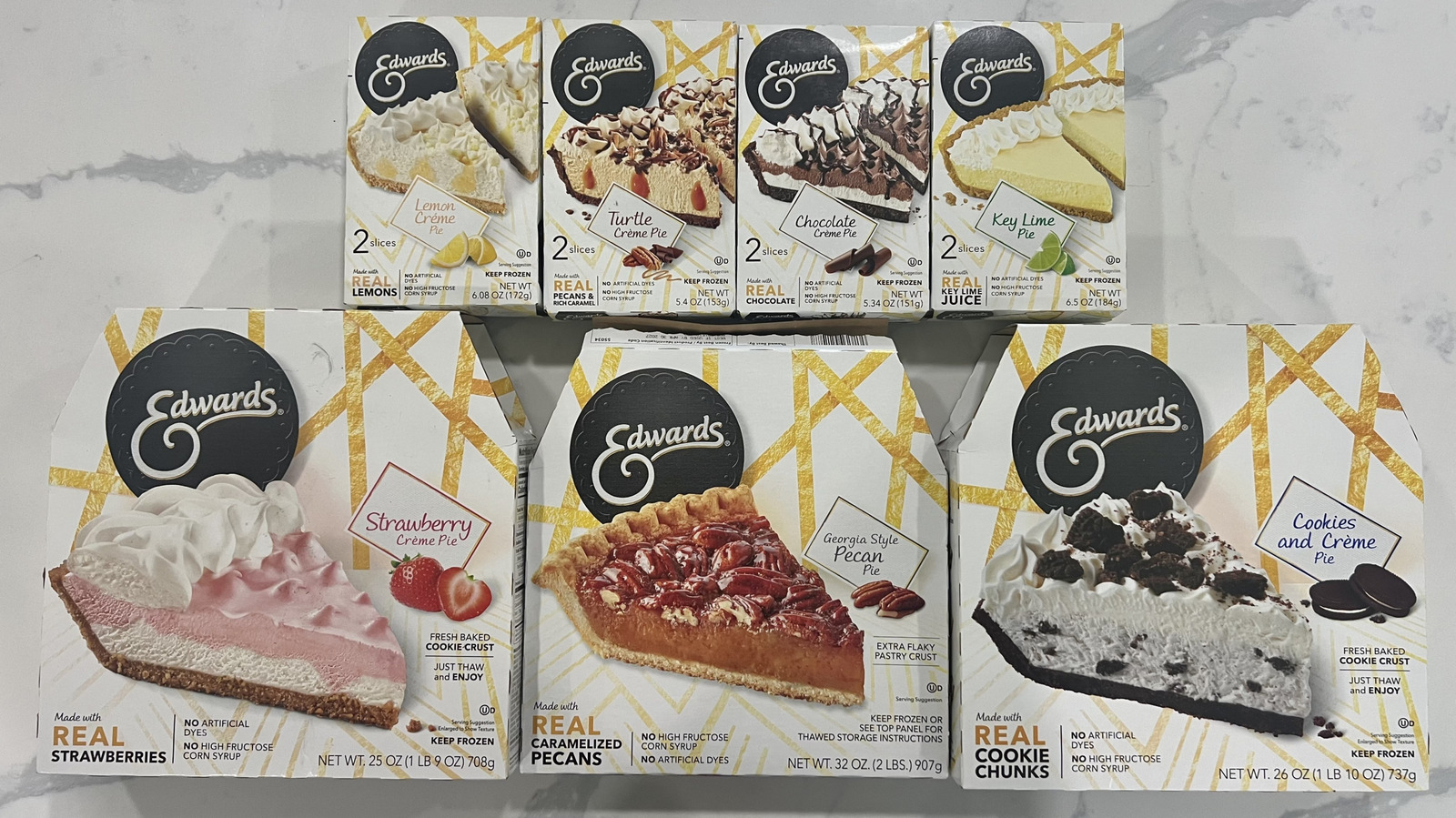
The landscape of the frozen dessert industry has shifted significantly over the past decade, moving away from the perception of "mass-produced" as a negative descriptor toward a standard of convenience and consistent quality. Among the major players in this category, Edwards—a brand under the Schwan’s Company umbrella—has cemented its reputation by bridging the gap between supermarket freezer aisles and the expectations of home bakers. While the brand offers a diverse portfolio ranging from decadent chocolate variants to classic fruit-based desserts, recent analytical rankings from the culinary industry have identified a singular, unexpected champion: the Lemon Crème Pie.
The Methodology of Taste: Why Lemon Crème Ranks First
In a comprehensive assessment of the Edwards product line, sensory analysts and food critics have evaluated the brand’s offerings based on three primary metrics: flavor profile, texture consistency, and aesthetic presentation. The Lemon Crème Pie consistently outperforms its counterparts, including the popular Hershey’s-branded Chocolate Crème and the zesty Key Lime varieties.
The appeal of the Lemon Crème variant lies in its balance. Unlike lemon meringue pies, which rely on the contrast between a soft, airy topping and a dense curd, the Edwards Lemon Crème offers a uniform, velvety consistency that maintains its structural integrity even after thawing. The filling provides a precise ratio of acidity to sweetness, a challenge in frozen manufacturing where flavor profiles can often become muted due to the crystallization process. By utilizing a high-quality, stable emulsion, the brand has managed to retain the bright, aromatic qualities of citrus without the harsh, artificial "puckering" sensation common in lower-tier frozen desserts.
A Chronology of Consumer Sentiment
The rise of the Edwards brand as a staple of the American freezer is not a recent phenomenon, but rather the result of a long-term shift in consumer behavior that began in the early 2000s. As dual-income households sought ways to reduce preparation time for holiday dinners and weekend gatherings, companies like Edwards expanded their reach from specialty bakeries to mass-market retail chains such as Kroger, Walmart, and Safeway.
- 1950s–1970s: The foundation of the brand is built on a commitment to the "fresh-frozen" process, focusing on premium crusts and whipped toppings.
- 2010–2015: The rise of digital social media platforms allows for the rapid spread of "copycat" culinary trends. During this period, the correlation between Edwards’ Chocolate Crème pie and the commercially available pies served at quick-service restaurant chains, most notably Burger King, becomes a topic of widespread internet discourse.
- 2020–2024: During the global pandemic, frozen dessert sales see a record surge as households prioritize shelf-stable and long-lasting comfort foods. During this window, reviews for the Lemon Crème variety begin to shift from "convenient alternative" to "superior to homemade," as evidenced by high-engagement threads on platforms like Reddit and consumer feedback sections on major grocery retail portals.
Supporting Data: The Consumer Perspective
Consumer data gathered from major retail platforms reveals a consistent narrative. On platforms like Kroger, the Lemon Crème pie maintains a high star rating, with reviewers frequently citing the "lightness" of the product as its primary differentiator.
Market analysts point out that the success of this specific flavor is a testament to the "premiumization" of the frozen aisle. As consumers become more discerning, they are moving away from overly sugary, heavy-crust options in favor of products that mimic the mouthfeel of artisanal offerings. The Lemon Crème’s reliance on a crumb crust—typically a signature of the brand—complements the acidity of the filling, creating a tactile experience that resonates with a broader demographic than the more polarizing chocolate or lime options.
The "Copycat" Phenomenon and Brand Perception
One of the most intriguing aspects of the Edwards brand is its intersection with the fast-food industry. The persistent theory that the brand provides the base components for major fast-food chain desserts has acted as a form of "accidental marketing." When consumers discover that a grocery store purchase mirrors a dining-out experience, it creates a psychological "win" for the shopper.
However, the Lemon Crème pie occupies a different space. Because it lacks a direct, high-profile fast-food equivalent, it is often judged on its own merits rather than as a facsimile. This has allowed the Lemon Crème to be perceived as a more "original" and "elevated" choice. Industry experts note that this distinction is crucial for brand longevity: while the Chocolate Crème pie wins on nostalgia and familiarity, the Lemon Crème wins on culinary quality.
Broader Impact: The Future of the Frozen Pie Category
The implications of these findings for the broader frozen food industry are significant. The success of the Lemon Crème pie suggests that consumers are increasingly willing to pay a premium for "bright" flavors that offer a clean, refreshing palate cleanser after a meal. As manufacturers look to iterate on their existing lineups, they are likely to prioritize flavor profiles that feel "lighter" and more sophisticated.
Furthermore, the brand’s ability to maintain a consistent texture—avoiding the "watery" or "icy" issues that plague competitors—is a direct result of investments in cold-chain logistics and proprietary freezing technology. For the average consumer, this means that the difference between a high-end dessert and a mass-market one is narrowing.
Evaluating the Competition
It is important to acknowledge that the rankings do not necessarily suggest that other flavors are failing. The Key Lime pie, which often ranks lower in professional critiques, still maintains a loyal following. The polarizing nature of lime as a dessert flavor means that it will always have a smaller, albeit more dedicated, market share compared to the crowd-pleasing versatility of lemon.
The ranking of these pies serves as a reflection of changing tastes. As the American palate becomes more sophisticated, the demand for complexity—even within the constraints of a frozen product—is higher than ever. Whether it is the specific blend of oils used in the crust or the precise pH balance of the lemon curd, the details matter.
Conclusion: Why the Lemon Crème Remains King
Ultimately, the preference for the Edwards Lemon Crème pie is rooted in a combination of high-quality ingredients and a texture that defies the typical limitations of long-term freezer storage. While the brand continues to diversify its offerings to appeal to varying tastes, the Lemon Crème remains a standard-bearer for the company.
For the home consumer, the choice of a frozen pie is often dictated by a need for efficiency, but the lasting loyalty to the Lemon Crème suggests that taste remains the final, and most important, arbiter. As the brand moves forward, it will likely continue to lean into these "best-in-class" products, reinforcing its position as a household name that satisfies both the need for speed and the desire for a genuinely enjoyable dessert experience. The data is clear: in the competitive world of frozen pies, simplicity and precision, embodied by the Lemon Crème, are the true keys to long-term success.
