
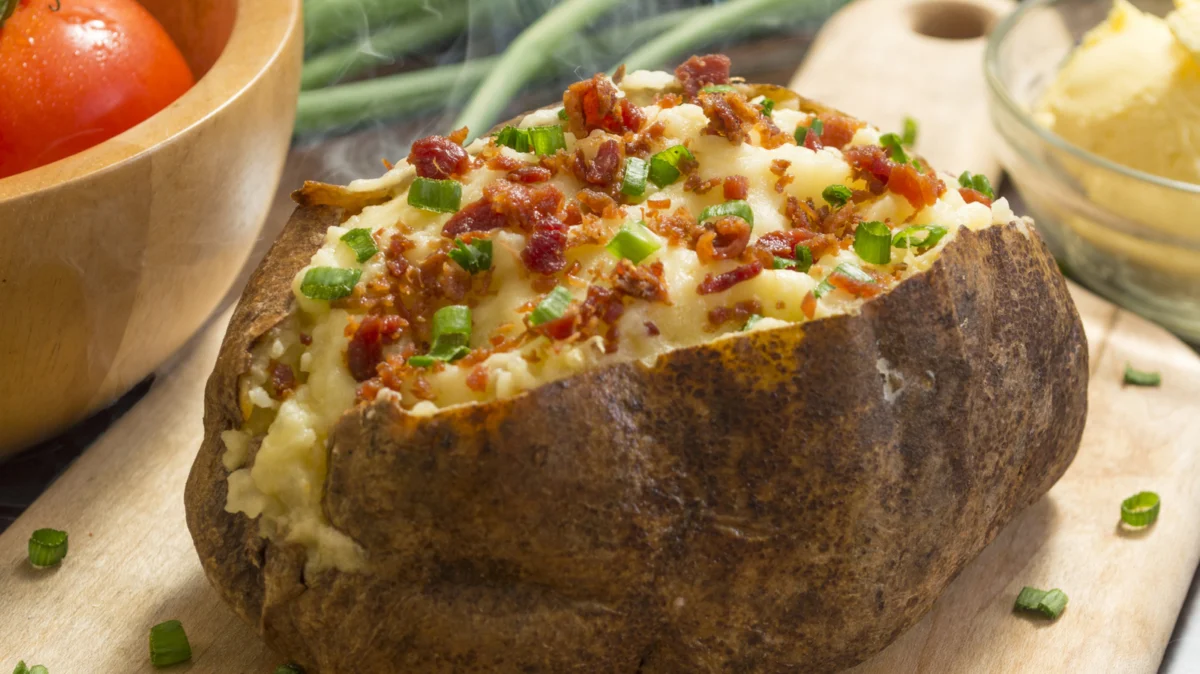
This culinary shortcut has garnered attention for its ability to transform a basic, low-cost carbohydrate into a complete, flavorful meal with minimal preparation time. The technique involves baking a standard potato until the skin is crisp and the interior is fluffy, then utilizing a pre-heated, thickened canned soup as a high-flavor, low-effort topping.
The Evolution of the Baked Potato as a Meal Base
The baked potato has long been recognized as a cornerstone of frugal and efficient cooking. Nutritionally, a medium-sized potato provides a significant source of complex carbohydrates, potassium, and Vitamin C. Historically, the potato has served as a survival food in many cultures, but in the modern kitchen, it functions as a "blank canvas."
The rise of the "loaded baked potato" concept—originally popularized in American steakhouse culture—moved the potato from a side dish to a main course. Traditionally, this required sourcing individual ingredients: sour cream, shredded cheddar cheese, steamed broccoli florets, bacon bits, and chives. Each of these components requires separate handling, preparation, and cleanup. The current trend of utilizing canned soup simplifies this logistical burden by consolidating several ingredients into a single, pre-seasoned product.
Chronology of the Trend: Digital Adoption and Peer Validation
The shift toward using canned soup as a topping began gaining traction in online culinary communities roughly between 2023 and early 2025. According to historical search data and forum activity, the practice originated as a "life hack" shared between users seeking to maximize grocery store efficiency.
The trend reached a point of public discourse when multiple users on the Reddit platform began sharing visual documentation of their meals. In one notable thread, a user presented a photograph of a baked potato topped with a generous ladle of broccoli cheese soup. The subsequent response from the community was overwhelmingly positive, with users citing the "brilliance" of the pairing, specifically noting the low cost—often under $2.00 per can—and the reduction in food waste, as it eliminates the need to purchase excess produce or dairy that might otherwise expire.
Comparative Cost and Nutritional Analysis
When analyzing the economic implications of this trend, the shift from fresh ingredients to canned alternatives presents a clear cost-benefit profile. A traditional "loaded" potato requires a consumer to purchase an entire head of broccoli, a block of cheese, and a container of sour cream. If these items are not used in other recipes, the per-serving cost increases significantly due to waste.
Conversely, a standard 18-ounce can of condensed broccoli cheese soup, such as those produced by brands like Progresso or Campbell’s, is engineered to be shelf-stable and shelf-ready.
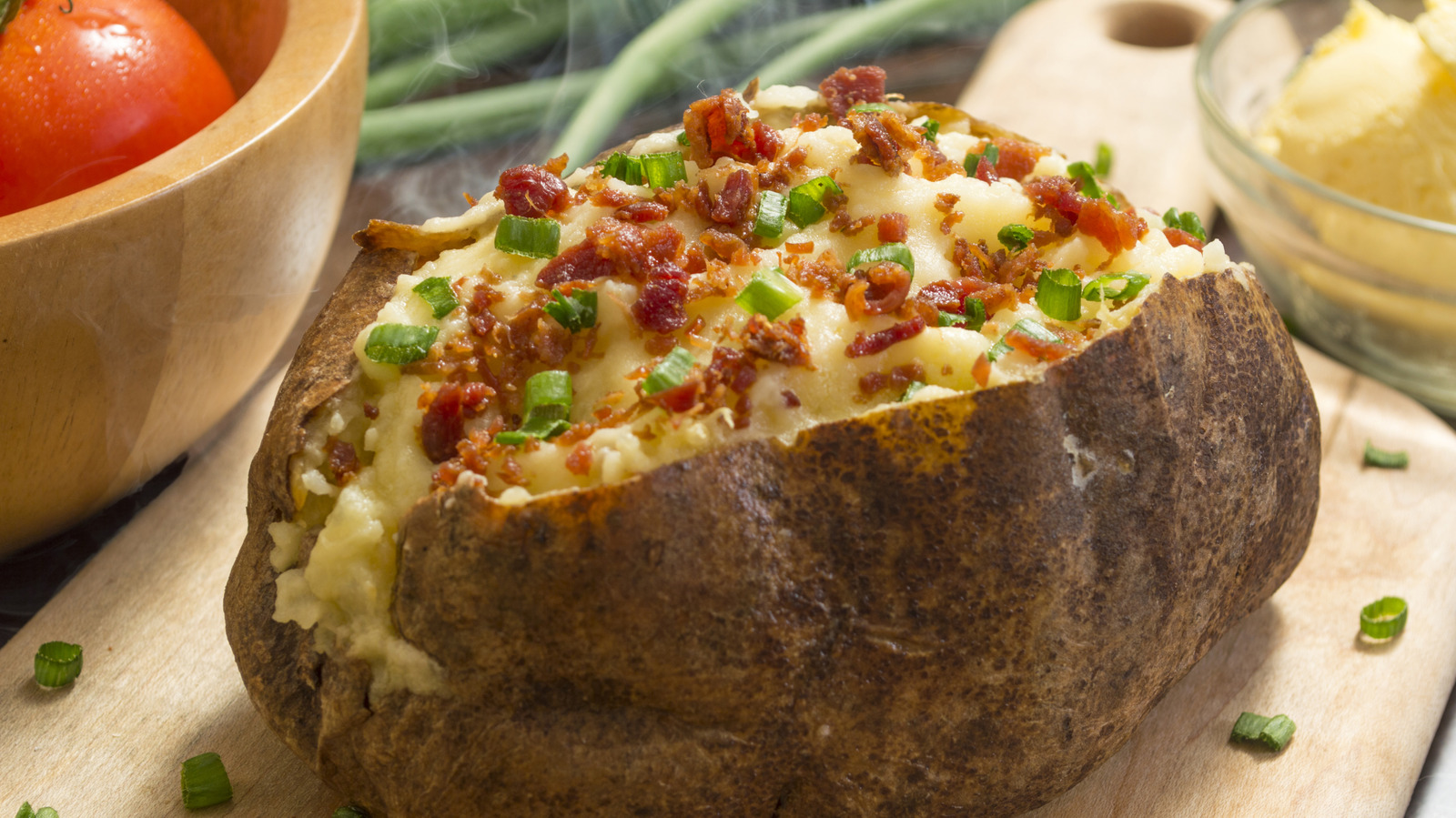
- Cost Efficiency: A single can, priced at approximately $1.50 to $2.25, typically yields enough sauce to cover two to three large potatoes.
- Time Efficiency: Preparing a classic cheese sauce requires a roux—a mixture of flour and fat—followed by the addition of milk and cheese, then the separate steaming of broccoli. The canned soup alternative requires only the heating time of the soup itself, typically three to five minutes on a stovetop or in a microwave.
From a nutritional standpoint, canned soups are often criticized for their high sodium content. While this remains a factor for health-conscious consumers, the convenience and the ability to control the serving size allow individuals to manage their intake more effectively than they might with restaurant-style loaded potatoes, which are often saturated with excessive butter and heavy cream.
The Broader Implications of "Pantry-Centric" Cooking
This trend is symptomatic of a larger movement in the post-pandemic domestic sphere: the re-evaluation of convenience foods. In an era of rising food inflation, the "pantry-centric" cooking model—where consumers look at the existing items in their cupboards to construct a meal—has become a survival strategy.
Culinary experts note that this behavior mirrors the "Depression-era cooking" revival, where ingredients are repurposed in ways that prioritize utility. The use of canned soup as a sauce is not limited to broccoli cheese; the same logic is being applied to:
- Canned Chili: Utilizing high-protein chili as a topping provides a significant boost in satiety and mimics the "chili-cheese potato" popular in regional fair cuisine.
- Clam Chowder: Used as a decadent topping, it provides a unique flavor profile that adds both moisture and creaminess to the dense texture of the baked potato.
- Cream of Mushroom: Often used by home cooks as a base to which sautéed onions or proteins are added, this provides an earthier, savory depth.
Consumer Response and Industry Outlook
While traditional chefs might argue that the texture of a canned soup lacks the complexity of a scratch-made velouté or béchamel, the consumer response indicates that "ease of use" is currently outweighing "culinary purity."
The industry has taken notice of such trends. Food manufacturers have increasingly leaned into the versatility of their products through marketing campaigns that suggest multiple uses for their soups. The integration of these products into the daily routine of home cooks suggests that the market for shelf-stable, ready-to-use sauces is likely to remain robust.
Furthermore, the social validation provided by platforms like Reddit serves as an informal peer-review system. When a recipe or technique receives positive feedback from a community of thousands, it effectively lowers the barrier to entry for other cooks. This communal verification is a powerful driver of contemporary food trends, often moving faster than traditional media or cookbook publication cycles.
Conclusion
The adoption of canned broccoli cheese soup as a topping for baked potatoes represents a pragmatic intersection of convenience, economy, and comfort. As household budgets remain under pressure and the demand for efficient meal preparation grows, the reliance on such "hacks" is expected to continue.
By stripping away the complex, multi-step preparation of traditional toppings and replacing them with a singular, shelf-stable component, home cooks have created a template that is both repeatable and highly adaptable. Whether one chooses the classic broccoli cheese combination or branches out into chili or chowders, the fundamental goal remains the same: the creation of a nourishing, warm, and satisfying meal with the fewest possible obstacles. In the landscape of modern home cooking, the most "brilliant" solutions are often those that require the least amount of effort, proving that high-quality comfort does not always require high-intensity labor.
