
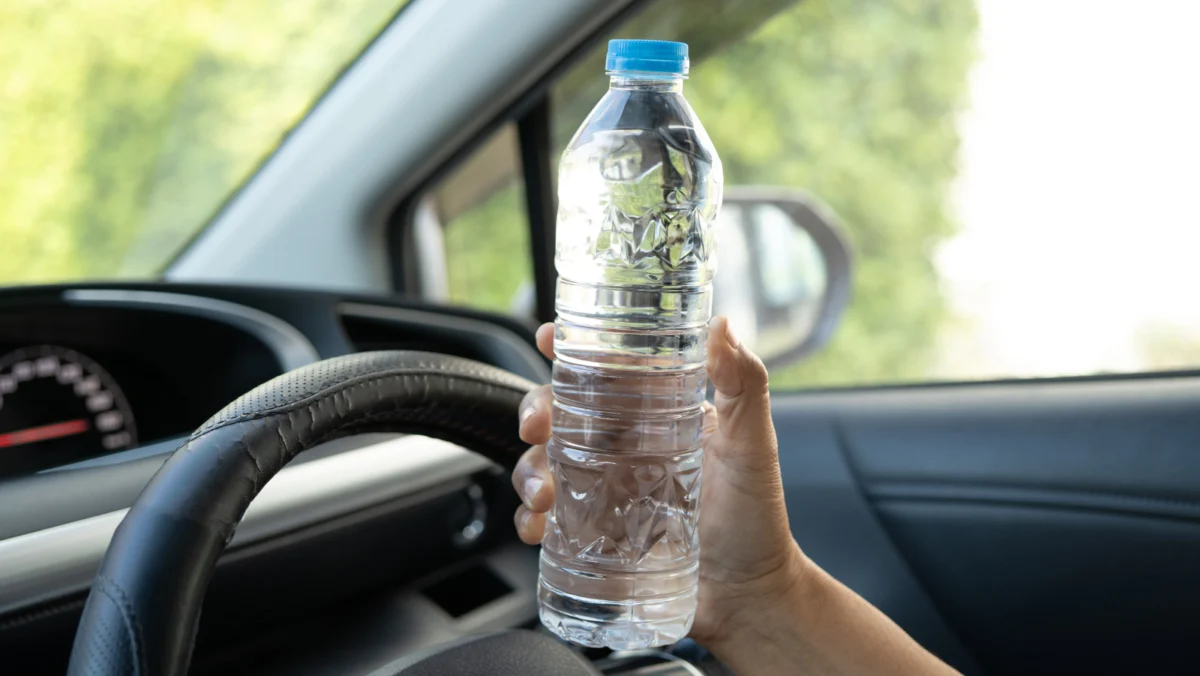
The global reliance on bottled water has reached a paradoxical peak in 2026. Despite rigorous municipal water standards and the mounting environmental and health-related evidence against single-use plastics, consumer spending on bottled water continues to climb. In the United States alone, the industry saw nearly $50 billion in sales over the last year, with consumption exceeding 16 billion gallons. While this sector is often framed as a necessity for health and convenience, data suggests that the financial, ecological, and physiological costs of the bottled water habit are increasingly difficult to justify.
The Regulatory Disconnect: EPA vs. FDA
A pervasive misconception driving bottled water consumption is the belief that it undergoes more rigorous safety testing than public tap water. However, the regulatory landscape reveals a different reality. In the United States, municipal water systems are governed by the Environmental Protection Agency (EPA) under the Safe Drinking Water Act. This legislation mandates strict testing for hundreds of contaminants, including bacteria, viruses, and industrial chemicals, with results that must be made available to the public annually.
Conversely, bottled water is regulated by the Food and Drug Administration (FDA) as a food product. While the FDA does set safety standards, its oversight is widely considered less stringent than that of the EPA. For instance, the FDA does not require bottled water companies to issue public consumer confidence reports, nor does it mandate the same frequency of testing for every potential contaminant that public utilities must address. Furthermore, approximately one-quarter of all bottled water sold in the U.S. is sourced directly from municipal tap water supplies—merely processed, packaged, and marked up by thousands of percentage points.
The Microplastic Crisis: A 2026 Update
The most significant health development regarding bottled water in recent years involves the prevalence of microplastics and nanoplastics. As of 2026, peer-reviewed research, including studies published in the Journal of Hazardous Materials, has identified alarming concentrations of plastic particulates in bottled water. These particles, which often shed from the bottle itself during manufacturing or when exposed to heat, can reach concentrations exceeding 6,600 particles per liter in some samples.
The emergence of nanoplastics—particles even smaller than microplastics—has further complicated the situation. A single liter of bottled water has been found to contain up to 240,000 individual plastic fragments. The long-term physiological impacts of chronic microplastic ingestion remain a primary focus of the National Institutes of Health (NIH). Preliminary findings suggest potential correlations between these particles and endocrine disruption, systemic inflammation, and compromised immune function. By contrast, while tap water is not entirely free of contaminants, it generally does not contain the high levels of plastic leaching found in packaged water, making the "pure" image of bottled water scientifically untenable.
Chronology of the Bottled Water Phenomenon
The rise of the bottled water industry is a relatively modern phenomenon, dating back to the late 20th century. In the 1990s, the market exploded as companies successfully pivoted from marketing water as a commodity to marketing it as a lifestyle product and a health necessity. By the early 2000s, the "bottled is better" narrative had become firmly entrenched in consumer psychology.
By 2015, the environmental impact of this industry had begun to draw significant scrutiny from non-governmental organizations like the Natural Resources Defense Council (NRDC) and the World Wildlife Fund (WWF). These groups highlighted the massive carbon footprint associated with the transport, production, and cooling of bottled water. Despite this, the convenience factor kept demand high. By 2024, the industry solidified its place as a massive economic entity, moving billions of gallons annually. Now, in 2026, the intersection of record-high plastic pollution levels and a deeper understanding of plastic-related health risks has brought the industry to a critical turning point where the costs—both personal and environmental—are finally beginning to outweigh the convenience.
Environmental Degradation and Economic Inefficiency
The environmental toll of the bottled water industry is staggering. The production of plastic bottles requires roughly 47 million gallons of oil annually in the U.S. alone, an energy expenditure equivalent to powering 1.3 million vehicles for a year. Beyond the initial production, the logistics of distributing these bottles—often shipped thousands of miles from natural springs or remote facilities to urban centers—contribute heavily to greenhouse gas emissions.
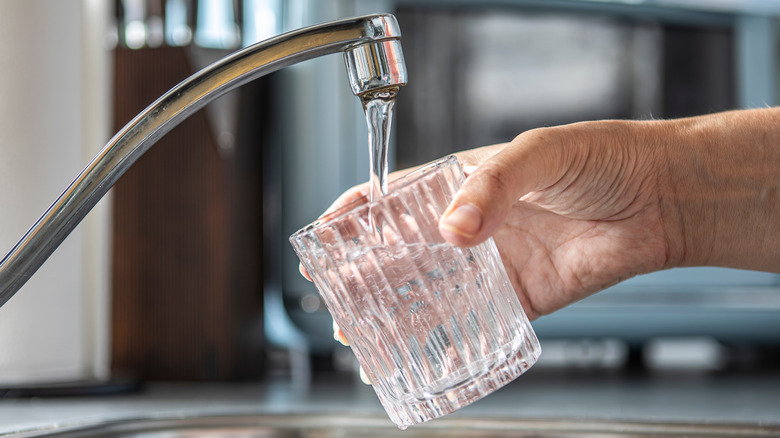
A 2021 study by the Barcelona Institute for Global Health underscored the severity of this impact, finding that the environmental footprint of bottled water is approximately 1,400 times higher than that of tap water. Moreover, when these bottles are discarded, they contribute to the over 20 million metric tons of plastic entering the global marine ecosystem annually. Even when consumers believe they are recycling, the reality is that a significant majority of single-use plastic bottles end up in landfills or incinerators rather than being repurposed into new products.
From an economic perspective, the markup is perhaps the most illogical component of the industry. Consumers pay a premium—often between 600 and 2,000 times the cost of municipal tap water—for a product that is frequently identical to what is available at home for pennies. Even when accounting for the cost of purchasing a high-quality home filtration system, the long-term investment pales in comparison to the recurring cost of purchasing bottled water.
The Viability of Home Filtration
As public awareness of the limitations of bottled water grows, many consumers are turning to home filtration as a practical, sustainable alternative. Modern water filter technology has advanced significantly, offering solutions that range from simple pitcher-based carbon filters to advanced under-sink reverse osmosis systems.
These devices are highly effective at removing chlorine, heavy metals like lead (which may leach from aging residential plumbing), and other impurities that affect the taste and quality of tap water. For households concerned about specific local contaminants, water quality testing kits allow residents to identify exactly what is in their water and purchase targeted filtration solutions that address those specific needs.
Broader Implications and Future Outlook
The shift away from bottled water is not merely a matter of personal choice; it is a structural necessity for environmental sustainability and public health. As municipal infrastructure continues to age, the focus of policy in 2026 is increasingly shifting toward local water security and the modernization of public pipes rather than relying on the private bottled water market.
Industry analysts observe that the "bottled water era" is facing a decline in social license as younger generations, more attuned to climate change and plastic toxicity, prioritize reusable alternatives. The reliance on bottled water is being increasingly viewed as a legacy of an era that prioritized short-term convenience over long-term public and planetary health. As the data becomes more transparent, the argument for bottled water as a premium or safer product is collapsing. In 2026, the most effective, safest, and most economical way to access water remains the tap, supplemented by personal, reusable vessels and home filtration—a transition that is as essential for the household budget as it is for the global environment.
