
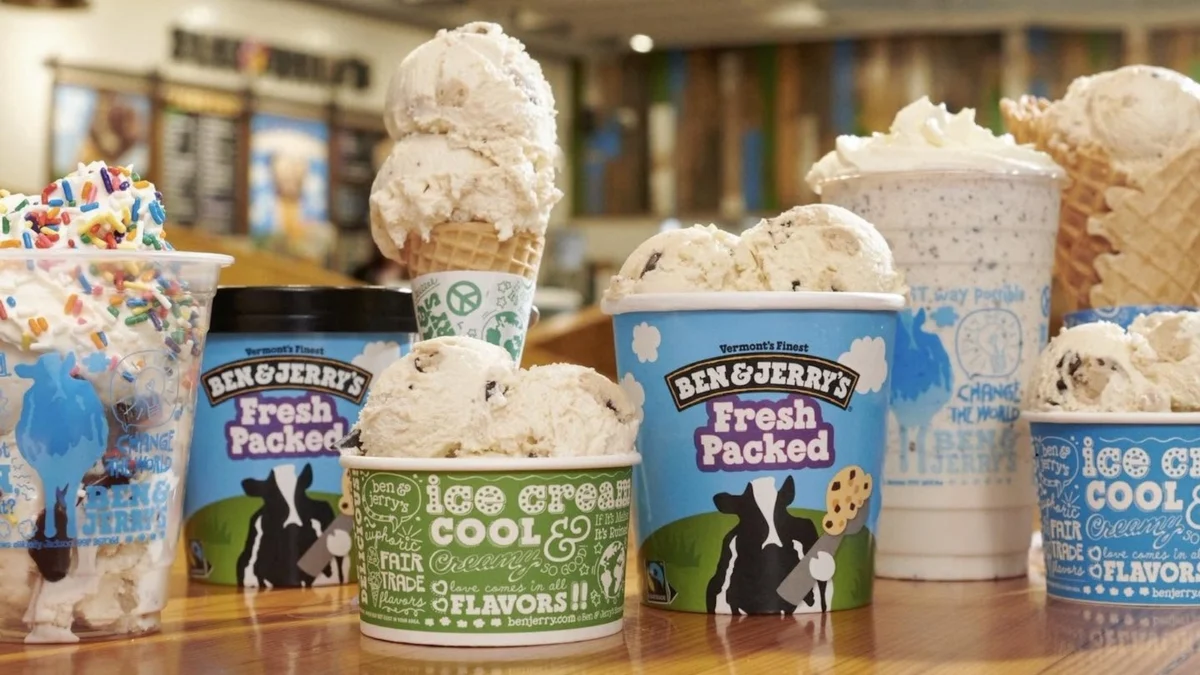
Navigating the frozen food aisle of a modern supermarket has become an increasingly complex task for the average consumer. Where once shoppers were met with a modest selection of standard flavors, today’s freezer cases are dominated by a dizzying array of gourmet, vegan, and artisanal options. Despite the proliferation of specialty brands and high-concept, avant-garde ingredient combinations, a recent comprehensive analysis of Ben & Jerry’s most iconic offerings suggests that consumers consistently return to the foundational classics. In a head-to-head ranking of 11 of the brand’s most recognizable pints, the top position was secured not by an experimental blend or a pop-culture-inspired collaboration, but by the original industry pioneer: Chocolate Chip Cookie Dough.
The Evolution of the Frozen Dessert Industry
The rise of Ben & Jerry’s represents a significant shift in the commercial ice cream landscape. Founded by Ben Cohen and Jerry Greenfield in 1978 in a renovated gas station in Burlington, Vermont, the company quickly established itself as a disruptor in an industry long dominated by mass-market, homogeneous products. While the duo initially considered other business ventures—including, famously, a plan to sell bagels—their decision to focus on premium, high-butterfat ice cream changed the trajectory of the dessert market.
The company’s commitment to "super-premium" ice cream, characterized by high overrun (the amount of air whipped into the product) and dense, high-quality inclusions, set a standard that many competitors have struggled to match. By the mid-1980s, Ben & Jerry’s had already solidified its reputation for pushing culinary boundaries, leading to a pivotal moment in 1984 that would permanently alter the ice cream industry.
The 1984 Innovation: A Consumer-Driven Discovery
The inception of the Chocolate Chip Cookie Dough flavor is widely regarded as one of the most successful examples of crowdsourced product development in food history. In 1984, an anonymous customer suggested the concept via a bulletin board at the company’s original Burlington scoop shop. At the time, the idea of incorporating raw, unbaked cookie dough into a stable ice cream base was considered technically difficult due to concerns regarding texture and food safety.
However, the R&D team at Ben & Jerry’s successfully engineered a cookie dough that could maintain its integrity—avoiding the hardening or freezing issues that typically plague refrigerated doughs—while remaining safe for consumption. This innovation marked the first time a commercial ice cream manufacturer successfully brought raw cookie dough to the mainstream market. The success of this flavor was immediate, and it quickly became the blueprint for the "chunky" style of ice cream that defines the brand’s identity to this day.
Comparative Analysis: Ranking the Classics
In a recent review evaluating 11 of the most popular pints, the methodology focused on the balance of texture, flavor profile, and the quality of inclusions. The assessment pitted Chocolate Chip Cookie Dough against industry favorites like Half Baked and Americone Dream.
The rankings revealed distinct consumer preferences:
- Chocolate Chip Cookie Dough: Secured the top spot due to its structural simplicity and the quality of its dough, which offers a "pleasantly gritty" texture that contrasts with the silkiness of the vanilla base.
- Half Baked: While popular for its dual-inclusion strategy (brownie bits and cookie dough), reviewers noted that the combination of chocolate and vanilla bases can occasionally reach a level of sweetness that overwhelms the palate.
- Americone Dream: Inspired by the late-night television host Stephen Colbert, this flavor utilizes a vanilla base with fudge-covered waffle cone pieces and caramel. While highly rated, it fell to sixth place, with testers noting that the complexity of the ingredients sometimes lacks the cohesive harmony found in the simpler cookie dough flavor.
Texture and Flavor Science
The sustained popularity of Chocolate Chip Cookie Dough is not merely a matter of nostalgia; it is a matter of food science. The "caramelized" flavor profile of the cookie dough, which features notes of brown sugar and butter, provides a depth of flavor that offsets the mildness of the vanilla ice cream.
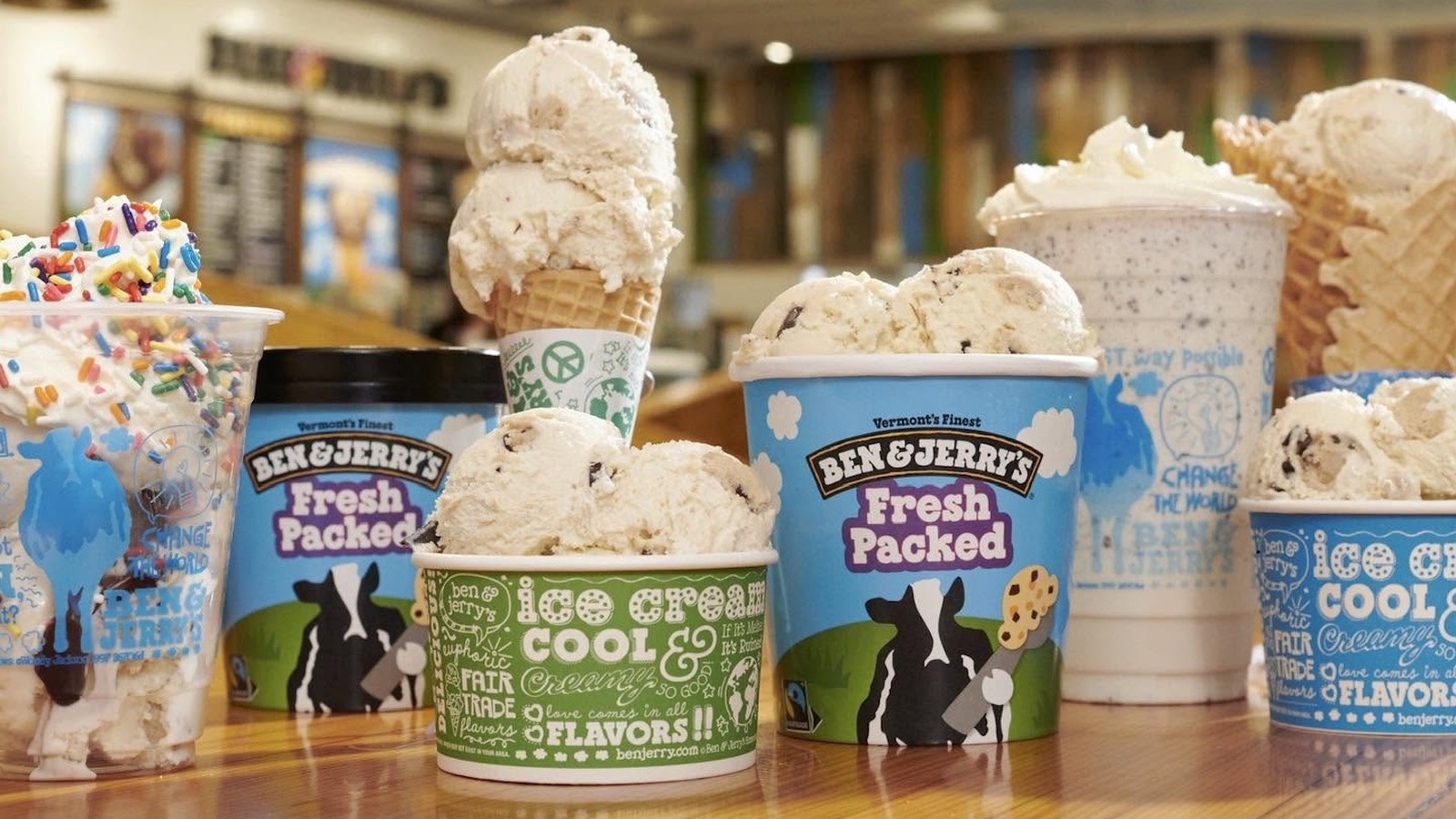
Furthermore, the "mouthfeel" of the pint is a critical component of its success. When frozen, the chocolate chips within the dough undergo a physical transformation, becoming harder and providing a distinct "snap" that breaks up the smooth, creamy texture of the ice cream base. This multi-layered sensory experience—the smooth cream, the soft yet dense dough, and the brittle, crystalline chocolate—is precisely what the modern consumer seeks in a premium dessert.
Market Implications and Consumer Trends
The fact that a decades-old flavor continues to outperform newer, flashier competitors offers significant insight into current market trends. Despite the rise of "health-conscious" and "alternative" ice cream brands, data from the International Dairy Foods Association suggests that consumers still prioritize "comfort" and "familiarity" when making impulse purchases in the grocery aisle.
Ben & Jerry’s has managed to sustain this relevance by maintaining a consistent supply chain for its high-quality ingredients, including the ethically sourced cocoa and non-GMO components that define their current brand identity. By sticking to a product that provides a predictable, high-quality experience, the company has effectively insulated itself from the volatility of changing food fads.
Expert Perspectives on Brand Longevity
Industry analysts note that the success of the Chocolate Chip Cookie Dough flavor serves as a case study in brand consistency. "When you have a product that defines a category, the danger is in over-complicating it," says one food marketing consultant. "Ben & Jerry’s succeeded because they treated the original 1984 concept as a ‘gold standard.’ Even as they expanded into dozens of other flavors, the cookie dough remained the baseline for what a high-quality pint should look and taste like."
Public feedback on the company’s digital platforms corroborates this. Thousands of customer reviews describe the flavor as "creamy," "rich," and "balanced," emphasizing that the distribution of dough chunks is consistently higher than in many of the brand’s more complex, multi-ingredient pints. This consistency in manufacturing is arguably the most important factor in maintaining consumer loyalty over four decades.
Enhancing the Experience: Recommendations for Consumers
While the product is designed to be consumed as-is, the simplicity of the Chocolate Chip Cookie Dough flavor provides a "blank canvas" for customization. Culinary experts suggest that for those looking to elevate the experience, the addition of a slight savory element—such as a drizzle of high-quality sea salt or a touch of salted caramel—can highlight the sweetness of the vanilla base.
For those seeking an even more tactile experience, incorporating additional textures remains a popular trend among enthusiasts. Crumbled, fully baked chocolate chip cookies or a light dusting of sea-salt-dusted dark chocolate shavings can mirror the internal components of the ice cream, creating a sophisticated dessert bowl that feels more like a cafe-prepared item than a store-bought pint.
Looking Toward the Future
As Ben & Jerry’s continues to experiment with new flavors—ranging from non-dairy, almond-based alternatives to collaborations with global brands—the enduring dominance of Chocolate Chip Cookie Dough remains a touchstone. It serves as a reminder that in an era of constant innovation, the most effective strategy for longevity is often to perfect the fundamentals.
The brand’s trajectory suggests that while they will continue to chase trends and capture the zeitgeist through limited-edition releases, the core of their business will always be rooted in the simple, high-quality pleasure of a well-made pint. As for the consumer, the choice in the freezer aisle may continue to be overwhelming, but for those seeking the pinnacle of the ice cream experience, the path remains clear: the original remains the best.
