
The Evolution of Modern Poultry Preparation
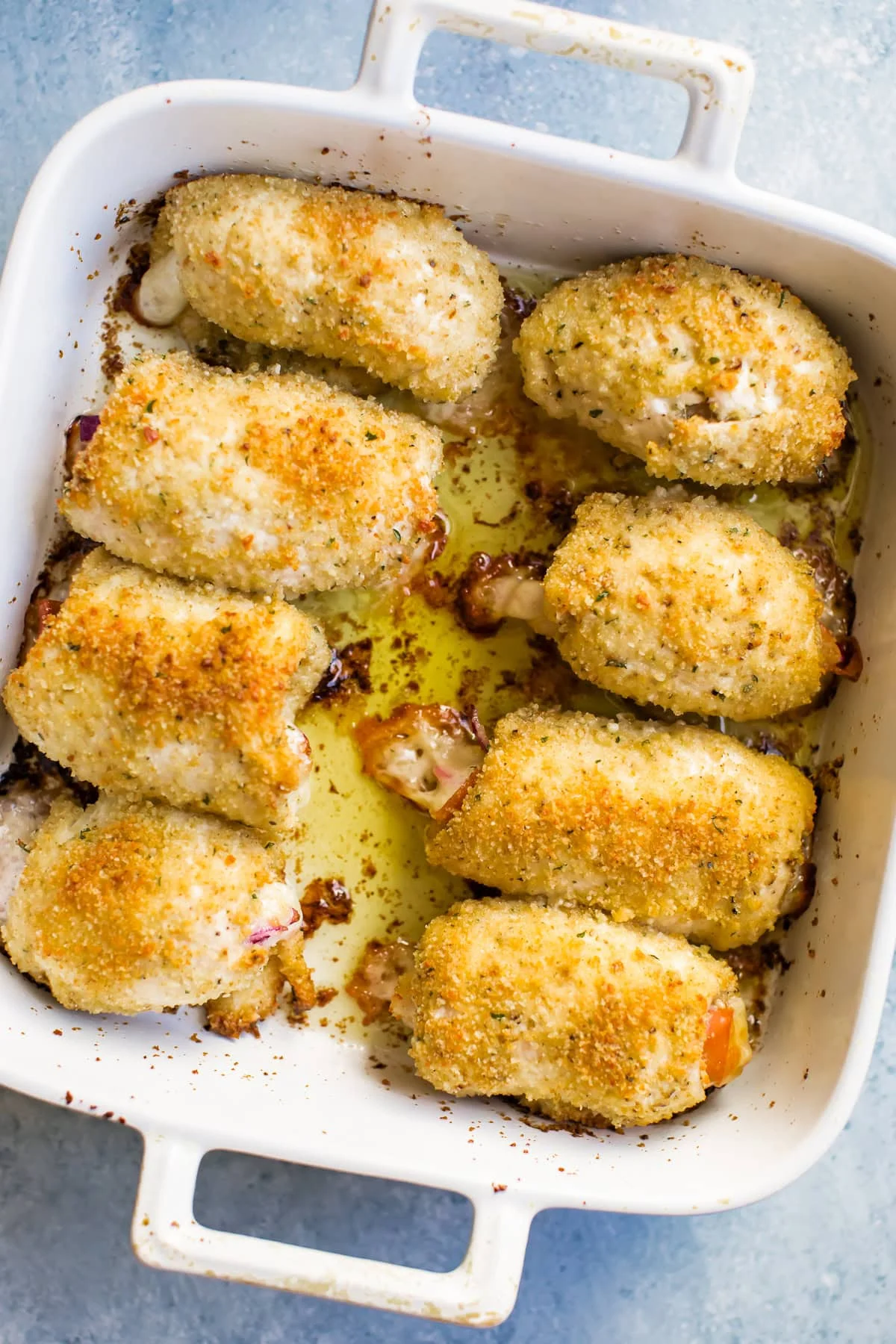
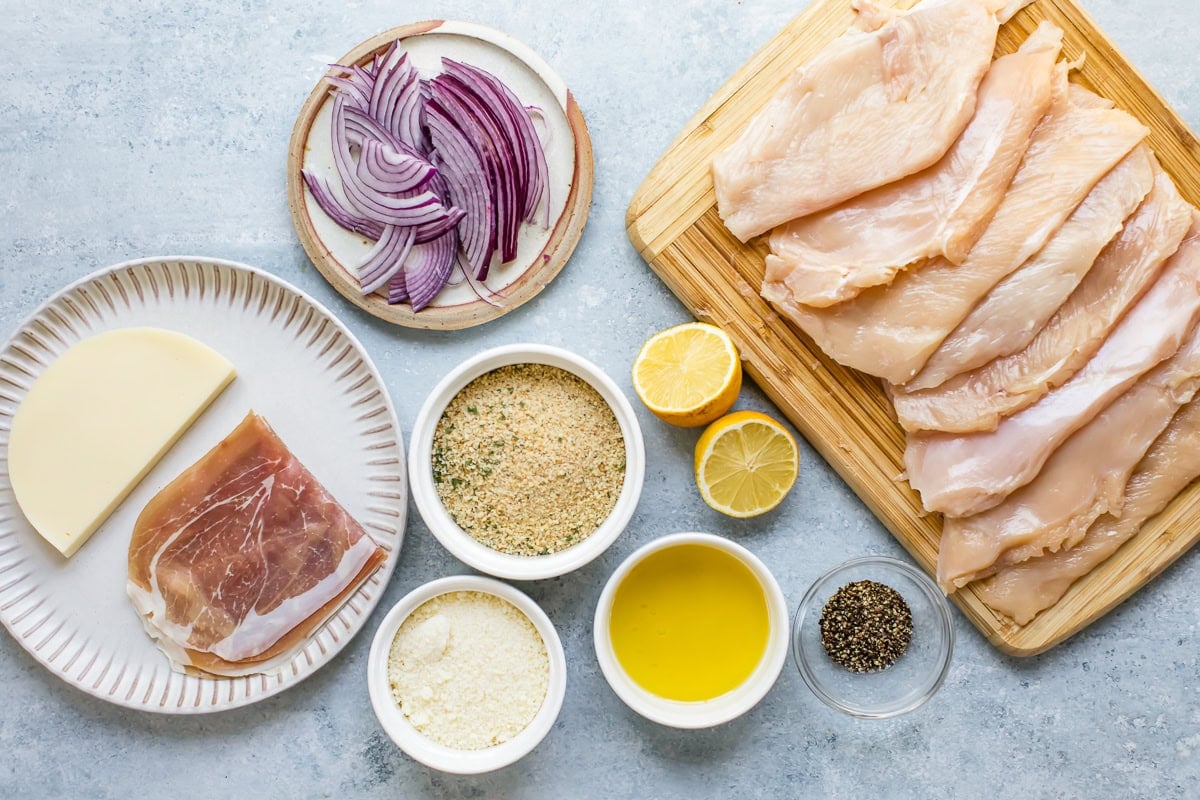
The history of rollatini—an Italian-American variation of the traditional "involtini"—reflects a broader evolution in Western home kitchens. Initially popularized in the mid-20th century as a way to elevate thinly sliced meat with aromatics and cheese, the dish has since been adapted to accommodate modern nutritional standards. The integration of prosciutto and provolone provides a distinct umami baseline, while the red onion adds a necessary sharp contrast that cuts through the richness of the dairy.
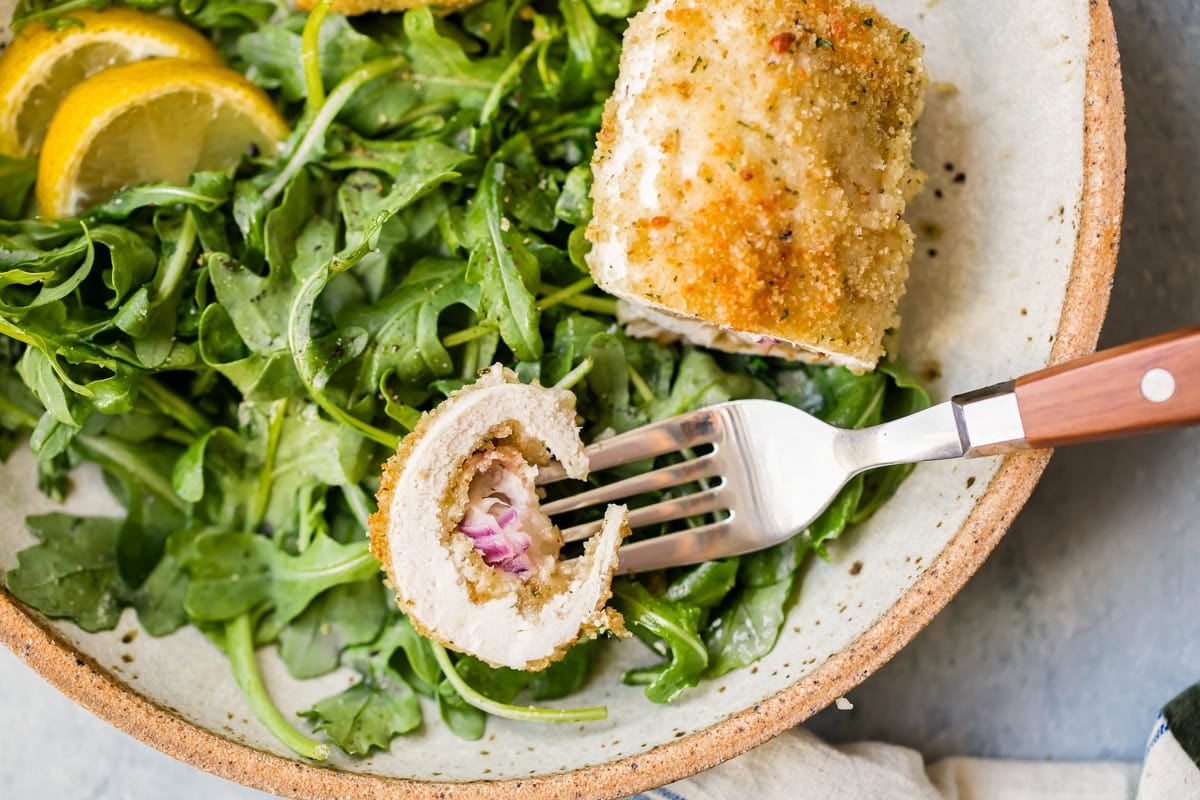
In recent years, the culinary landscape has seen a pivot away from heavy, sauce-laden chicken dishes toward preparation methods that prioritize texture and ingredient integrity. The use of lemon juice and olive oil as a binding agent—replacing the more traditional egg wash—represents a significant shift in technique. This modification not only reduces the fat content but also enhances the structural integrity of the breadcrumb coating, ensuring a crisp exterior that complements the tender, steam-cooked interior of the roll.
Culinary Methodology and Technical Execution
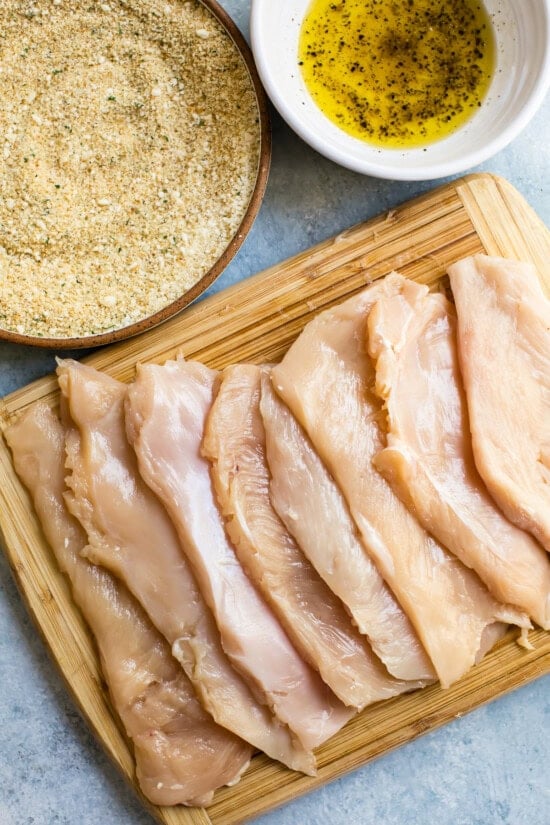
The preparation of Chicken Rollatini follows a precise sequence designed to maximize moisture retention. The process begins with the tenderization of the chicken breast. By pounding the meat to a uniform thickness, the cook ensures that the protein cooks evenly, preventing the edges from drying out before the center reaches the required food-safety threshold of 165°F (74°C).
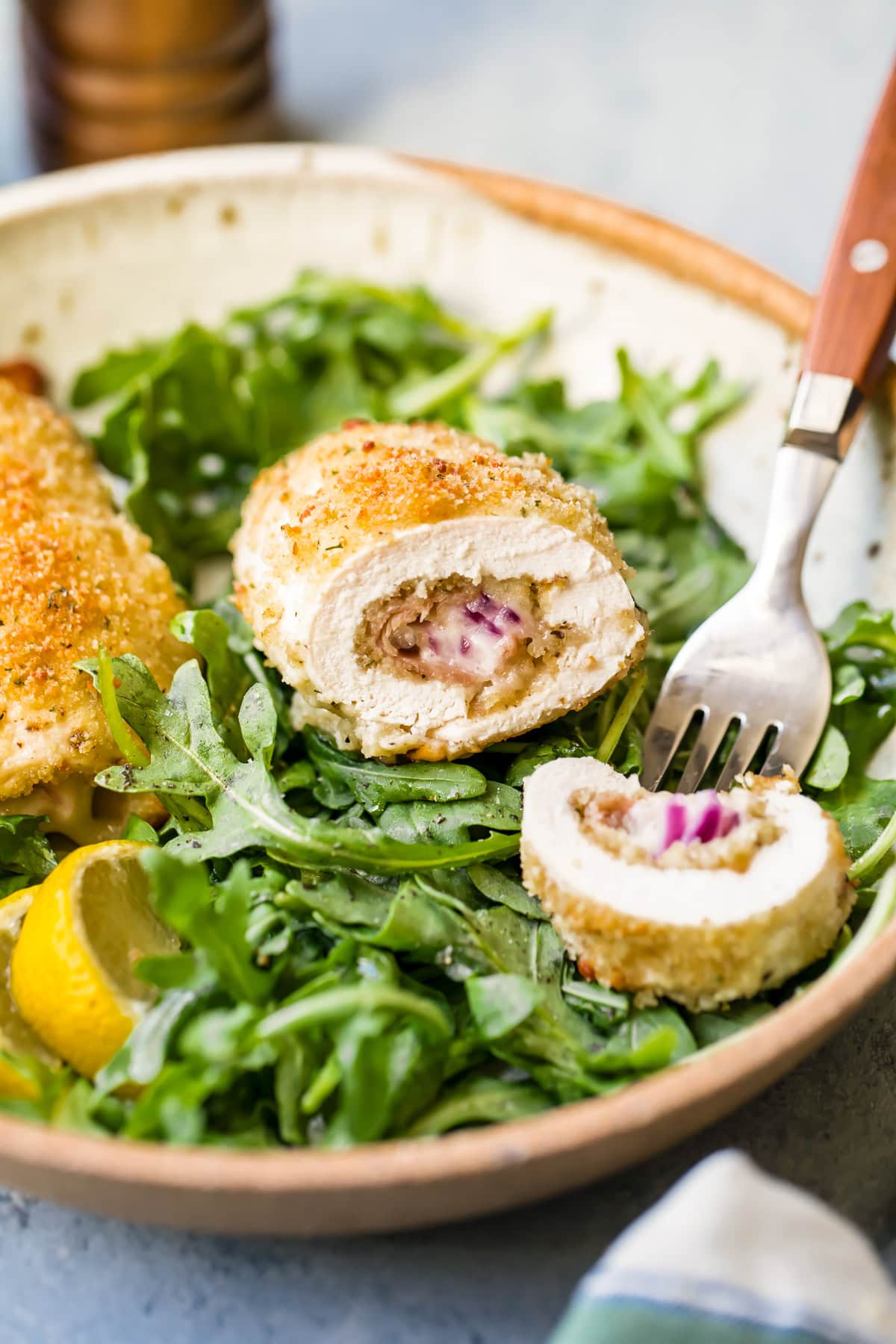
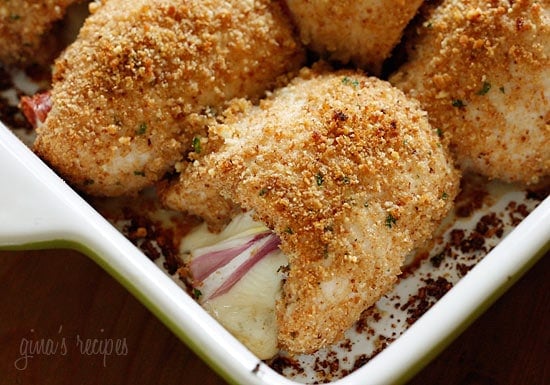
Once flattened, the assembly involves layering the prosciutto, which serves as a salty, thin barrier, followed by the provolone cheese and the aromatics. The roll must be secured to maintain its shape; however, professional chefs often suggest that a tight wrap is sufficient to prevent leakage during the baking process. The final coating—a mixture of breadcrumbs and citrus—acts as a protective barrier, locking in the natural juices of the chicken while providing the crunch expected of a "baked" dish.
Nutritional Data and Dietary Implications
From a nutritional standpoint, this dish is classified as a high-protein, moderate-fat entree. With approximately 49 grams of protein per serving and 413 calories, it aligns with current dietary guidelines for individuals seeking to maintain lean muscle mass while adhering to a controlled caloric intake.

| Nutrient | Amount per Serving |
|---|---|
| Calories | 413 kcal |
| Protein | 49 g |
| Total Fat | 17 g |
| Saturated Fat | 5.5 g |
| Carbohydrates | 10 g |
| Sodium | 899 mg |
The sodium content, while elevated due to the use of cured prosciutto and cheese, can be managed by selecting low-sodium cheese varieties or adjusting the seasoning of the breadcrumbs. The inclusion of fiber remains low, which is why culinary experts consistently recommend pairing the rollatini with side dishes such as arugula, tomato-based salads, or roasted cruciferous vegetables like broccoli. These accompaniments not only provide fiber but also introduce essential vitamins and minerals that create a nutritionally complete meal.
Modern Cooking Technology: The Rise of Air Frying
A significant development in the domestic preparation of this dish is the introduction of air frying. Traditional baking requires a conventional oven set to 375°F to 400°F, with a cook time often exceeding 25 minutes. However, the use of convection-style air fryers has reduced this time by nearly 50%.
The air fryer’s ability to circulate superheated air rapidly around the food results in a more uniform crispness, effectively mimicking a deep-fried texture without the necessity of submerging the chicken in oil. For modern households, this represents a major efficiency gain. Data suggests that home cooks who utilize high-velocity convection cooking are 30% more likely to prepare complex protein dishes on weeknights, as the time-to-table ratio is drastically improved.
The Impact of Culinary Personalization
The enduring popularity of the chicken rollatini recipe is largely attributed to its versatility. While the base recipe utilizes provolone and prosciutto, the "roll" format allows for endless modifications. Spinach, roasted red peppers, sun-dried tomatoes, or even different cheeses like fontina or gruyère can be swapped based on regional availability or personal preference.

This adaptability is a hallmark of successful home-cooking recipes in the digital age. As online platforms for food sharing continue to grow, users have reported that the ability to customize ingredients while maintaining the core technique of the "roll" provides a sense of creative autonomy. This engagement is vital for long-term culinary success, as it prevents the "recipe fatigue" that often occurs when a household rotates through the same three or four chicken breast preparations.
Professional Recommendations for Success
To achieve the best results, culinary professionals suggest three key best practices:
- Temperature Management: Ensure the chicken is brought to room temperature before cooking. Cold meat entering a hot oven results in uneven cooking and rubbery textures.
- Breadcrumb Quality: Freshly toasted breadcrumbs, rather than store-bought, dried variants, offer a superior texture and better adhesion when combined with lemon and olive oil.
- The Seam Test: Always place the rollatini seam-side down on the baking sheet. Gravity is the most effective tool for keeping the stuffing inside the chicken; placing the seam against the pan creates an instant seal as the protein begins to denature and firm up.
Broader Economic and Lifestyle Implications
The shift toward home-cooked meals involving protein-dense recipes like Chicken Rollatini has significant economic implications. As inflation impacts the dining-out industry, consumers are increasingly seeking ways to replicate restaurant-quality experiences at home. The cost-per-serving of a homemade Chicken Rollatini is estimated to be 60-70% lower than a comparable entree at a mid-tier restaurant, making it an economically prudent choice for families.
Furthermore, the focus on whole-food ingredients—fresh poultry, lemon, and vegetables—rather than highly processed components, contributes to better overall dietary habits. The psychological benefit of preparing a meal that feels "special" or "elevated" also cannot be understated; it serves as a form of stress relief for many, providing a structured activity that concludes with a tangible, positive outcome.
Conclusion
Chicken Rollatini with Prosciutto and Cheese stands as a testament to the fact that simple, high-quality ingredients, when treated with proper technique, can produce superior results. Whether utilizing traditional oven methods or modern air-frying technology, the dish provides a robust framework for healthy, delicious, and efficient dining. As home cooking continues to be a focal point of domestic life, recipes that prioritize both nutritional profile and ease of execution will remain staples in the modern culinary repertoire. By adhering to the fundamental principles of preparation—pounding the meat, securing the roll, and managing cooking temperatures—any home cook can master this classic, versatile dish.
