
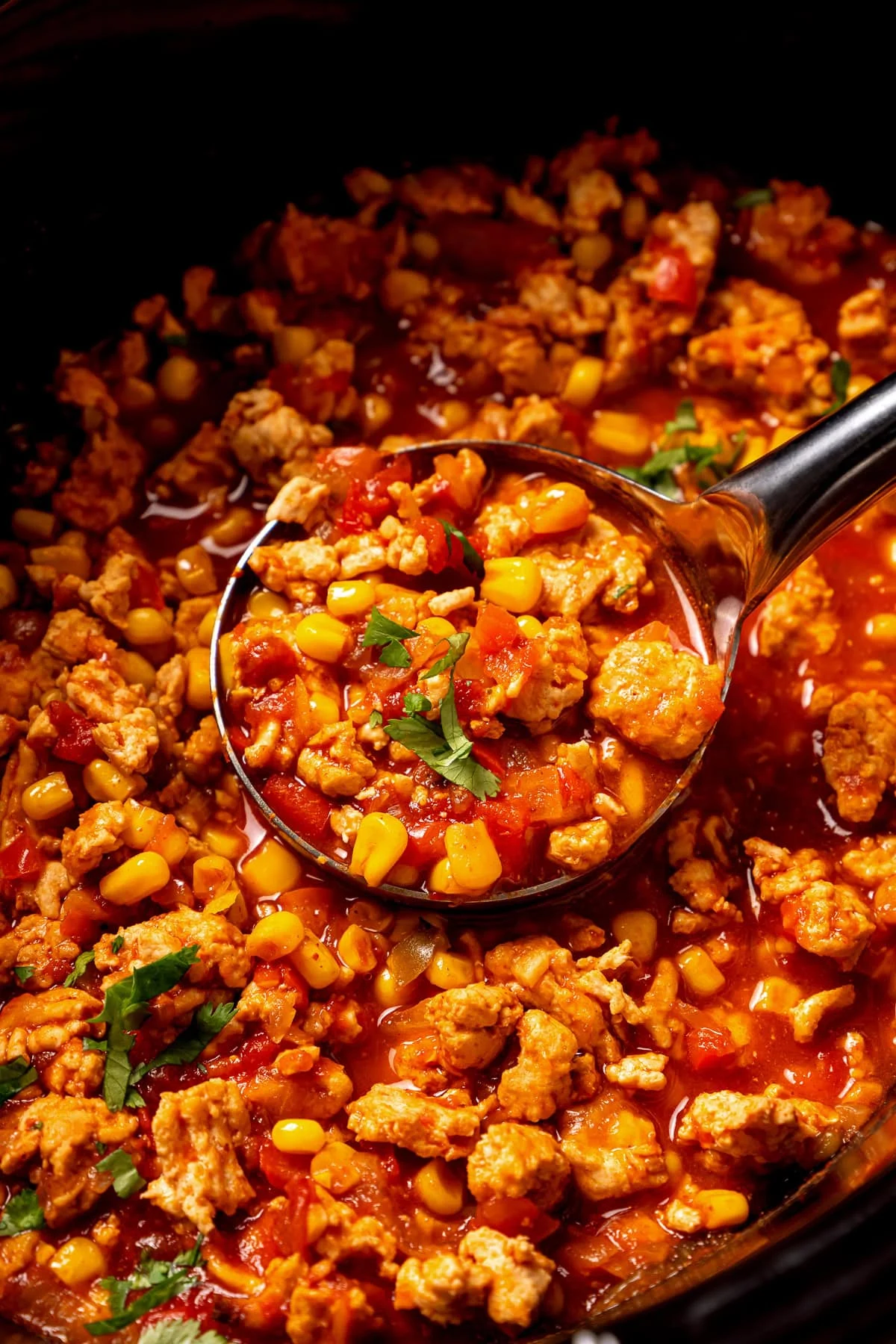
The transition into cooler seasonal weather often prompts a shift in household culinary habits, with a notable increase in the utilization of slow-cooker technology for meal preparation. Among the most popular comfort food staples seeing a resurgence in popularity this season is a bean-free, turkey-based chili, designed specifically to cater to younger palates and those with dietary preferences that exclude legumes. This recipe, characterized by its reliance on lean protein and fresh produce, represents a broader trend in home cooking that prioritizes time efficiency without sacrificing nutritional density.
Culinary Context and Nutritional Profile
The nutritional landscape of modern family dining has shifted significantly toward high-protein, low-fat alternatives to traditional red-meat dishes. A standard one-cup serving of this particular turkey chili formulation contains approximately 226 kilocalories, with a substantial 31 grams of protein and only 3 grams of fat. This macronutrient distribution makes it a compelling choice for health-conscious demographics, including athletes and busy professionals, who require sustained energy levels throughout the day.
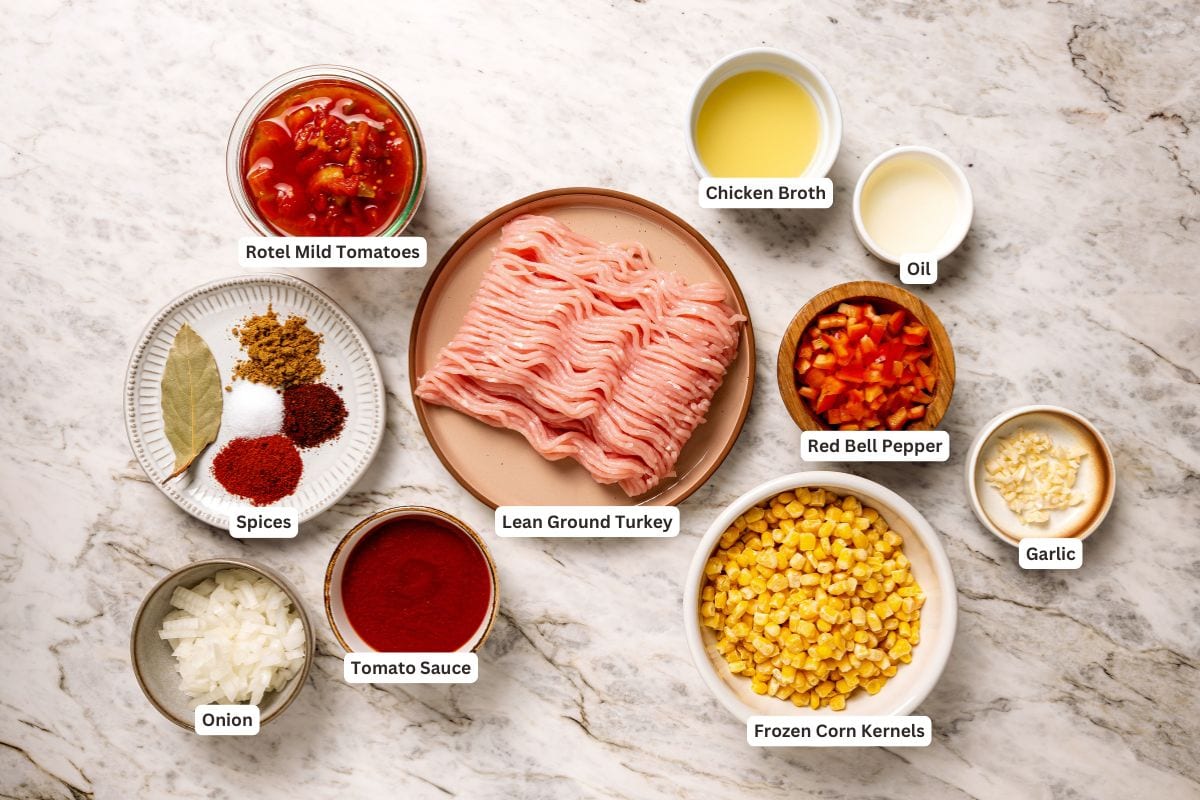
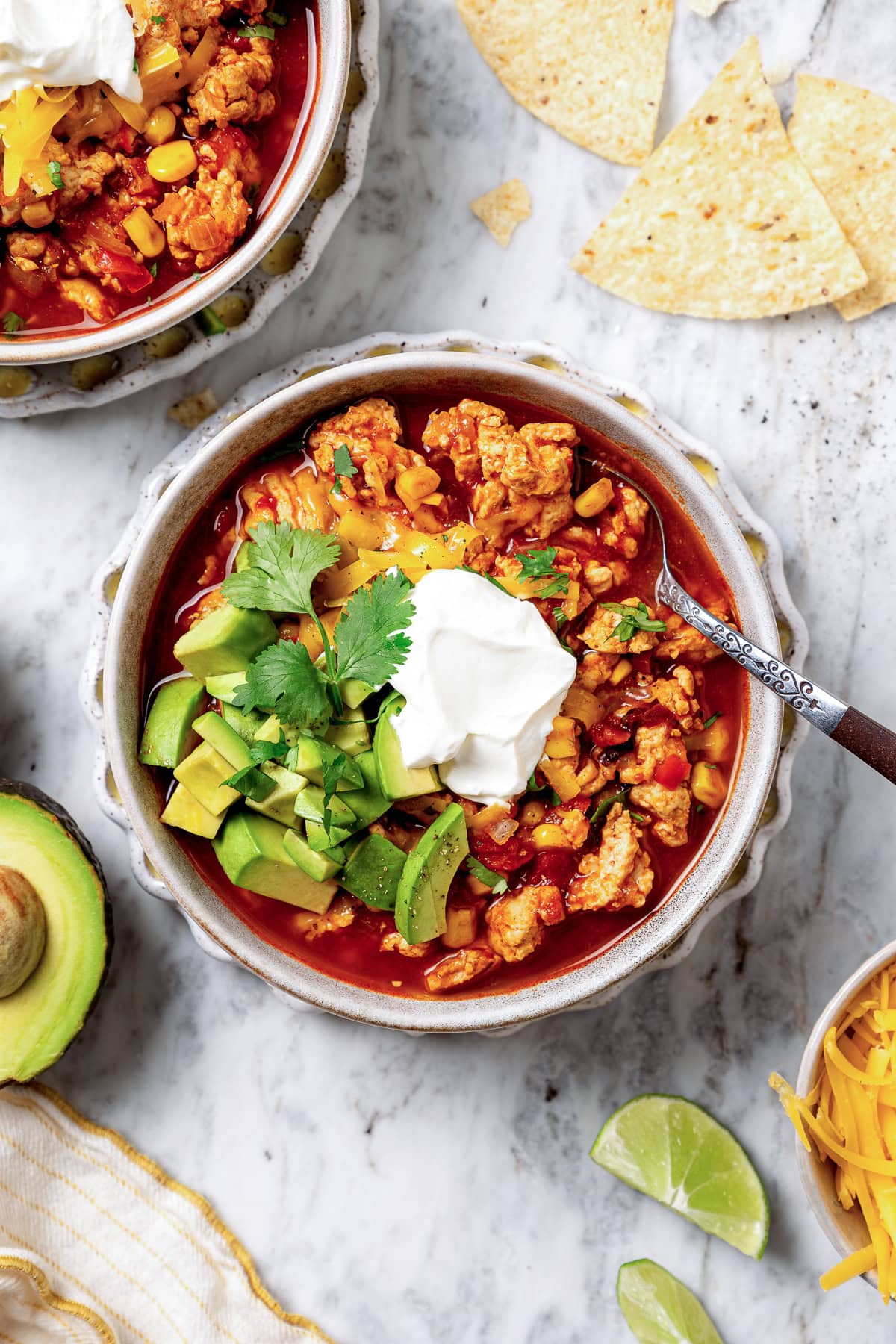
The absence of beans—a common component in traditional chili—is a deliberate design choice that addresses the preferences of children and "picky eaters" who may be averse to the texture or flavor profile of legumes. By focusing on a base of lean ground turkey, diced bell peppers, sweet corn, and a tomato-based broth, the recipe achieves a depth of flavor through a curated blend of mild spices, ensuring the dish remains palatable for all ages while maintaining the classic, savory essence of traditional chili.
The Methodology of Slow-Cooking
The mechanics of this recipe rely on the principle of low-temperature, long-duration thermal processing, which is the hallmark of the crockpot or slow-cooker appliance. Historical data on appliance usage suggests that households that utilize programmable slow cookers save an average of 45 minutes to one hour of active kitchen time per meal compared to traditional stovetop methods.
To achieve the optimal flavor profile, culinary experts recommend a preliminary step: the browning of the ground turkey and the sautéing of the aromatic vegetables (onions and bell peppers) in a skillet prior to their transfer into the slow cooker. While some slow-cooker recipes advocate for "dump-and-go" methods, the Maillard reaction—a chemical reaction between amino acids and reducing sugars that gives browned food its distinctive flavor—is essential for developing the complex, savory notes that differentiate a superior chili from a basic stew.

Chronology of Preparation
The typical preparation workflow for this dish follows a structured timeline designed for maximum efficiency:
- Preparation Phase (15 minutes): This window is allocated for the dicing of fresh bell peppers and onions, and the browning of the ground turkey in a separate skillet. Adding the vegetables to the hot skillet with the meat ensures that the turkey absorbs the flavor of the aromatics.
- Assembly Phase (5 minutes): The browned ingredients are transferred to the slow cooker, followed by the addition of canned tomatoes, corn, and the spice blend. The slow cooker is then set to the desired heat level.
- Cooking Phase (4 hours): During this duration, the flavors meld. The slow-cooker environment maintains a consistent internal temperature, allowing the moisture from the tomatoes and peppers to tenderize the turkey without causing the proteins to toughen.
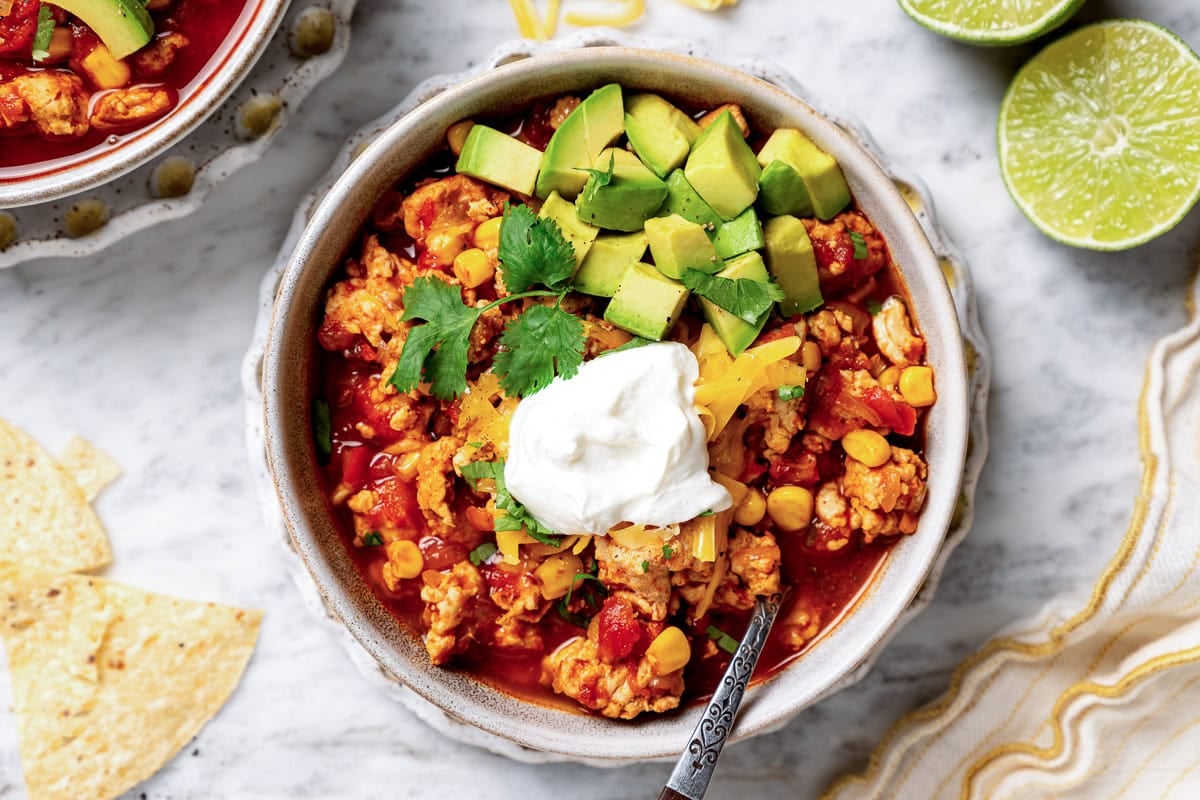
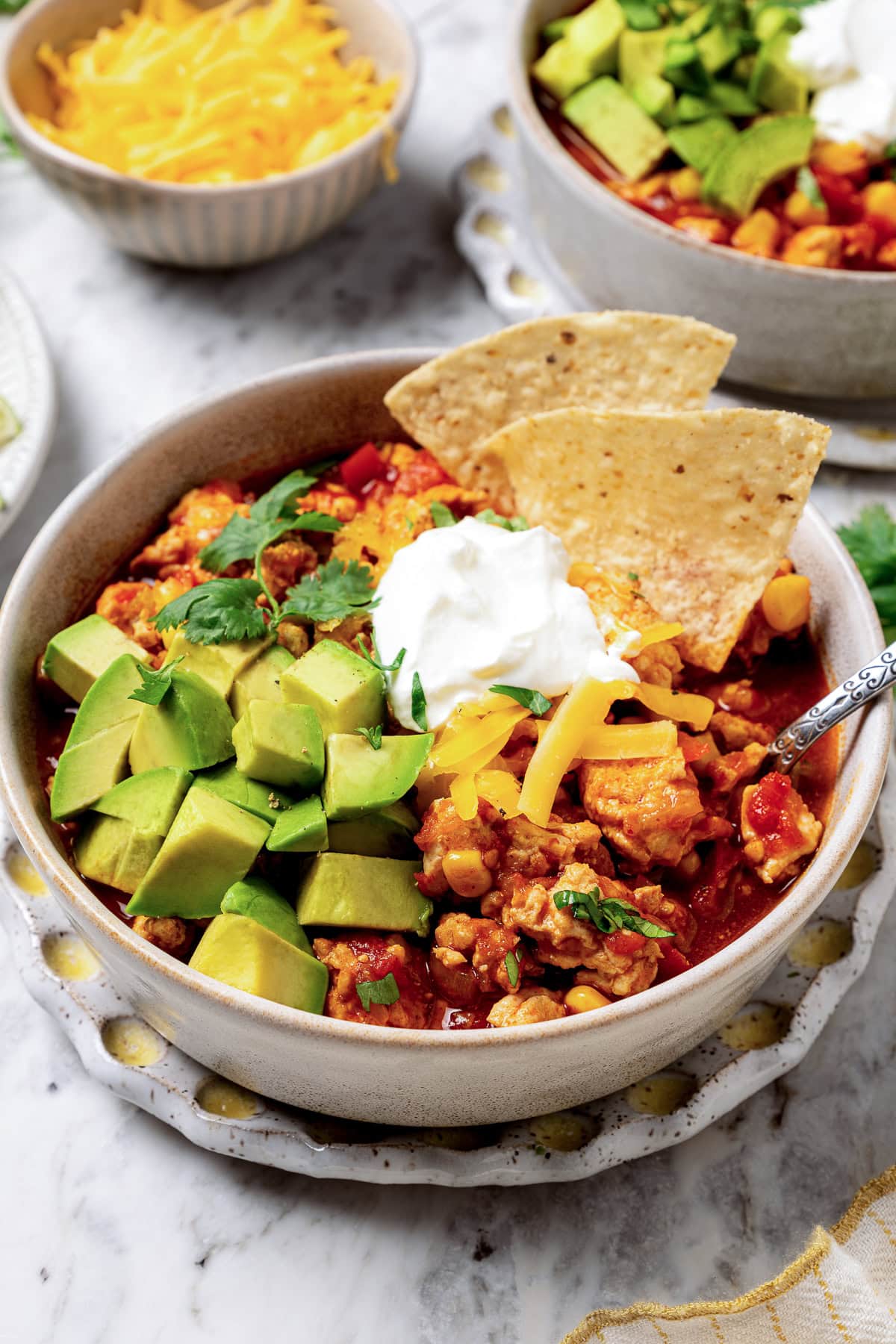
- Serving Phase (5 minutes): Upon completion, the chili can be garnished with a variety of toppings, such as diced avocado, sour cream, or shredded cheese, and paired with tortilla chips to provide a textural contrast.
Broader Culinary Impact and Consumer Trends
The rise of the "easy, one-pot" meal has had a measurable impact on household food spending and waste management. By utilizing shelf-stable pantry items like canned tomatoes alongside fresh produce, home cooks are able to maintain a consistent meal rotation that is both budget-friendly and adaptable.

Market analysis indicates that recipes like this turkey chili gain significant traction during the transition from late summer to early autumn, as consumers seek "cozy" or "comfort" foods. Furthermore, the versatility of the dish—which can be repurposed into secondary meals, such as toppings for hot dogs or fillings for avocados—speaks to a growing consumer demand for "zero-waste" cooking. As inflation impacts grocery prices, the ability to stretch a single batch of chili into multiple, distinct dining experiences is a factor that contributes to the enduring popularity of this specific recipe.
Adaptability and Alternative Preparation Methods
While the slow cooker remains the primary vessel for this recipe, the dish is highly adaptable to modern kitchen technology. For those operating on a tighter schedule, the recipe can be effectively executed in an Instant Pot or pressure cooker, which reduces the cooking time significantly while achieving similar results in terms of flavor infusion.
Conversely, for those who prefer traditional methods, a Dutch oven on a stovetop provides a viable alternative. The key, regardless of the method, is the careful management of heat. If using a stovetop, the heat should be reduced to a low simmer once the ingredients are incorporated to prevent the bottom of the pot from scorching, a common issue with tomato-based sauces.
Storage and Safety Considerations
Food safety protocols for home-cooked meals dictate that leftovers should be cooled rapidly and stored in airtight containers. This turkey chili is reported to maintain its quality in a refrigerator for up to four days. For longer storage, the chili is suitable for freezing, provided it is stored in a container that allows for expansion. When reheating, it is recommended that the chili be brought to an internal temperature of 165°F to ensure food safety.
Conclusion
The enduring appeal of this crockpot turkey chili lies in its simplicity, its nutritional profile, and its ability to serve as a reliable staple in the modern household. By prioritizing lean protein and minimizing complex preparation steps, the recipe serves as a template for efficient, family-focused meal planning. As the culinary landscape continues to prioritize health and convenience, dishes that offer both without sacrificing flavor will undoubtedly remain at the forefront of domestic cooking trends. Whether served as a standalone meal or integrated into a larger menu, this chili stands as a testament to the effectiveness of traditional, slow-cooked methods in a fast-paced modern world.
