
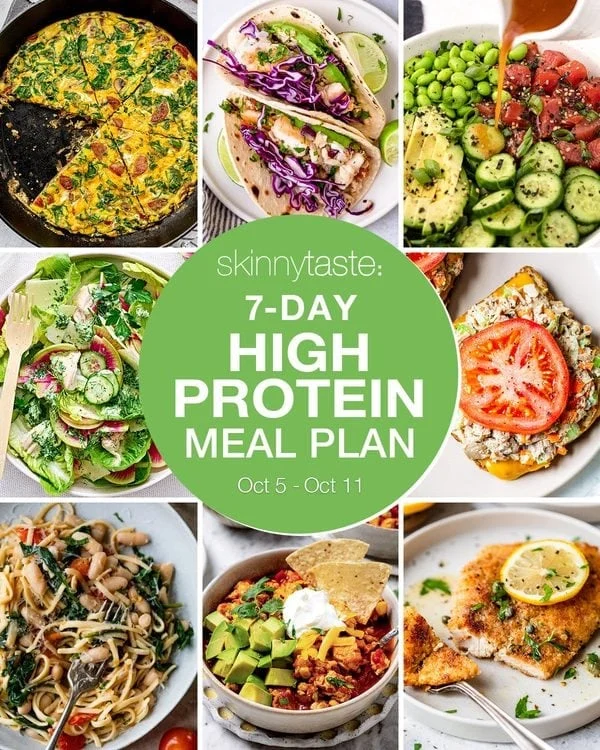
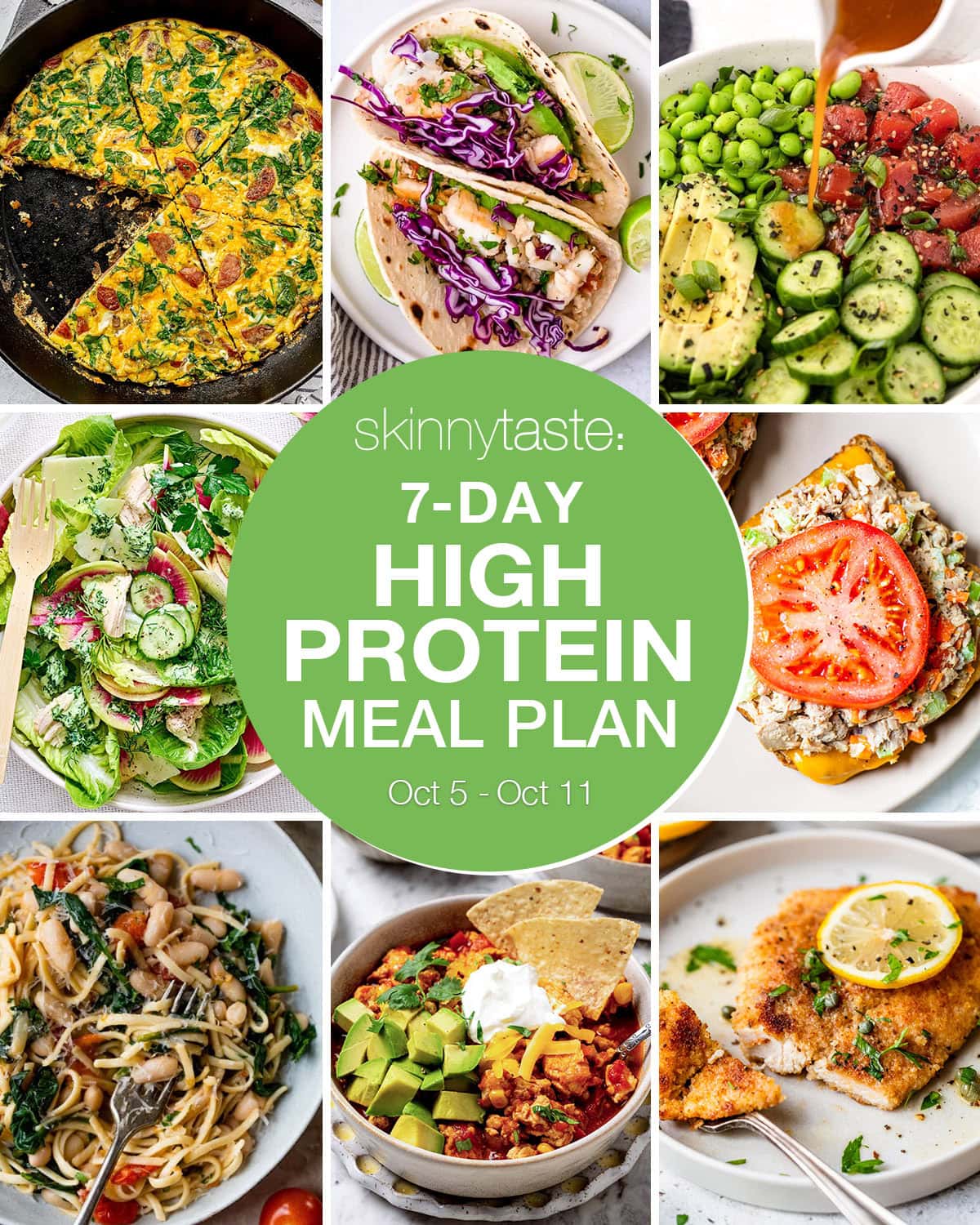
As the autumn season brings a shift in agricultural output and a cooling of temperatures, dietary habits often transition toward heartier, nutrient-dense ingredients. To support the growing interest in high-protein consumption for muscle maintenance and metabolic health, a structured seven-day meal plan has been developed to integrate seasonal produce—such as apples, pears, sweet potatoes, and Brussels sprouts—with lean protein sources. This nutritional approach is designed to provide approximately 120 to 130 grams of protein daily, a benchmark frequently recommended by fitness professionals for individuals prioritizing muscle synthesis and satiety.
The Nutritional Rationale for High-Protein Integration
Recent research in nutritional science underscores the importance of protein distribution throughout the day. Rather than concentrating protein intake in a single evening meal, physiological evidence suggests that distributing protein—typically in portions of 20 to 30 grams per sitting—optimizes muscle protein synthesis (MPS). The current meal plan follows this methodology, offering a balanced distribution of macronutrients across breakfast, lunch, and dinner.
High-protein diets are increasingly utilized not only by athletes but also by the general population to manage appetite and stabilize blood glucose levels. By increasing the thermic effect of food—the energy expenditure required for digestion—a high-protein intake can assist in body composition goals. However, experts emphasize that nutritional needs are highly individualized, dependent on factors such as age, biological sex, activity level, and underlying health status.
Seasonal Integration and Market Availability
The autumn season provides a unique opportunity to enhance the micronutrient density of a standard diet. Farmers markets and grocery retailers during this period feature a variety of produce that complements high-protein proteins. Incorporating squash, root vegetables, and late-season fruits provides essential fiber and vitamins that balance the high protein intake, promoting digestive health.
For instance, the use of sweet potatoes in savory dishes or the addition of apples to salads creates a synergy between complex carbohydrates and lean proteins. This approach mitigates the common pitfalls of restrictive dieting, where the exclusion of whole food groups often leads to micronutrient deficiencies or a lack of satiety, which can result in the consumption of processed, high-sugar snacks.
Managing Dietary Transitions and Weight Management Programs
A significant development in contemporary nutrition management is the adaptation of standardized point-based systems, such as Weight Watchers (WW), which have recently introduced new zero-point food categories to reflect updated nutritional guidelines. These changes, which include items like oatmeal, require users to recalibrate their meal planning. For those tracking their intake through digital platforms, the integration of recipe builders has become essential. These tools automatically calculate the nutritional value and point equivalents of specific ingredients, allowing for real-time adjustments as dietary standards evolve.
Chronology of the Seven-Day Nutritional Strategy
The following schedule serves as a framework for the week of October 5 through October 11, focusing on consistent protein intake and seasonal availability:

Monday (October 5): The week commences with a focus on preparation. Breakfast consists of a taco-style scramble, followed by a lunch of a chicken and brown rice bowl. The day concludes with a white bean scampi served with linguine, providing a baseline of approximately 1,476 calories and 120 grams of protein.
Tuesday (October 6): Continuing the meal prep strategy, the breakfast and lunch remain consistent with the previous day. Dinner shifts to a lighter protein source: cilantro-lime tilapia tacos, accompanied by a black bean, avocado, and vegetable salad.
Wednesday (October 7): Mid-week nutritional intake includes a tuna poke salad for lunch, paired with a dinner of chicken piccata, rice pilaf, and roasted broccoli. This structure maintains the protein target of 120 grams while varying the texture and flavor profile of the meals.
Thursday (October 8): The menu focuses on comfort-oriented, high-protein options, utilizing a slow-cooker turkey chili. This dish is designed for scalability and batch cooking, which is a common practice for maintaining adherence to long-term dietary plans.
Friday (October 9): To maximize efficiency, the lunch portion utilizes the remainder of the Thursday chili, while the dinner introduces shrimp fajitas with Cuban-style black beans, concluding the standard work week with a lean seafood-based protein source.
Saturday and Sunday (October 10-11): The weekend strategy incorporates family-style dining. Saturday features a savory cottage cheese breakfast bowl and a tuna melt lunch, with dinner set aside for dining out—an important aspect of social and psychological sustainability in any diet. Sunday returns to a structured plan with a smoked turkey sausage skillet, a chicken-based Caesar salad, and a slow-cooker pork and green chile stew.
Health Considerations and Medical Oversight
While high-protein diets offer substantial benefits, they are not universally appropriate. Clinical nutritionists and dietitians frequently advise that individuals with pre-existing renal (kidney) or hepatic (liver) conditions exercise caution. High protein intake can increase the workload on the kidneys, potentially exacerbating symptoms in individuals with reduced glomerular filtration rates. Furthermore, those suffering from gout or specific metabolic disorders should consult with their healthcare provider to ensure that their protein consumption levels do not trigger adverse systemic reactions.
Before adopting a high-protein regimen, it is recommended that individuals undergo an assessment of their daily caloric and macronutrient needs. Online calculators can provide a starting point, but they should be viewed as estimates rather than prescriptions.

Broader Impact and Industry Trends
The shift toward structured, high-protein meal planning is reflective of a broader trend in the wellness industry: the move away from temporary, restrictive "crash" diets toward sustainable, habit-based nutrition. The demand for resources—such as comprehensive grocery lists, meal planners, and community-driven support networks—indicates that consumers are seeking long-term, manageable solutions to health and fitness.
The integration of technology, such as automated grocery lists and digital tracking, has lowered the barrier to entry for many who previously found meal preparation overwhelming. As the industry continues to evolve, the focus is likely to remain on the synthesis of nutritional science with practical, culinary-focused implementation. By combining high-protein goals with the seasonal benefits of autumn produce, individuals can create a balanced, effective, and environmentally conscious approach to their daily diet.
This model of nutritional planning demonstrates that successful dietary management does not require the sacrifice of culinary enjoyment. By leveraging seasonal ingredients and focusing on the consistency of protein intake, individuals can maintain their health objectives while adapting to the natural cycles of the food supply chain. Future developments in this field will likely continue to emphasize the importance of personalized nutrition and the role of accessible, data-driven tools in achieving individual health outcomes.
