
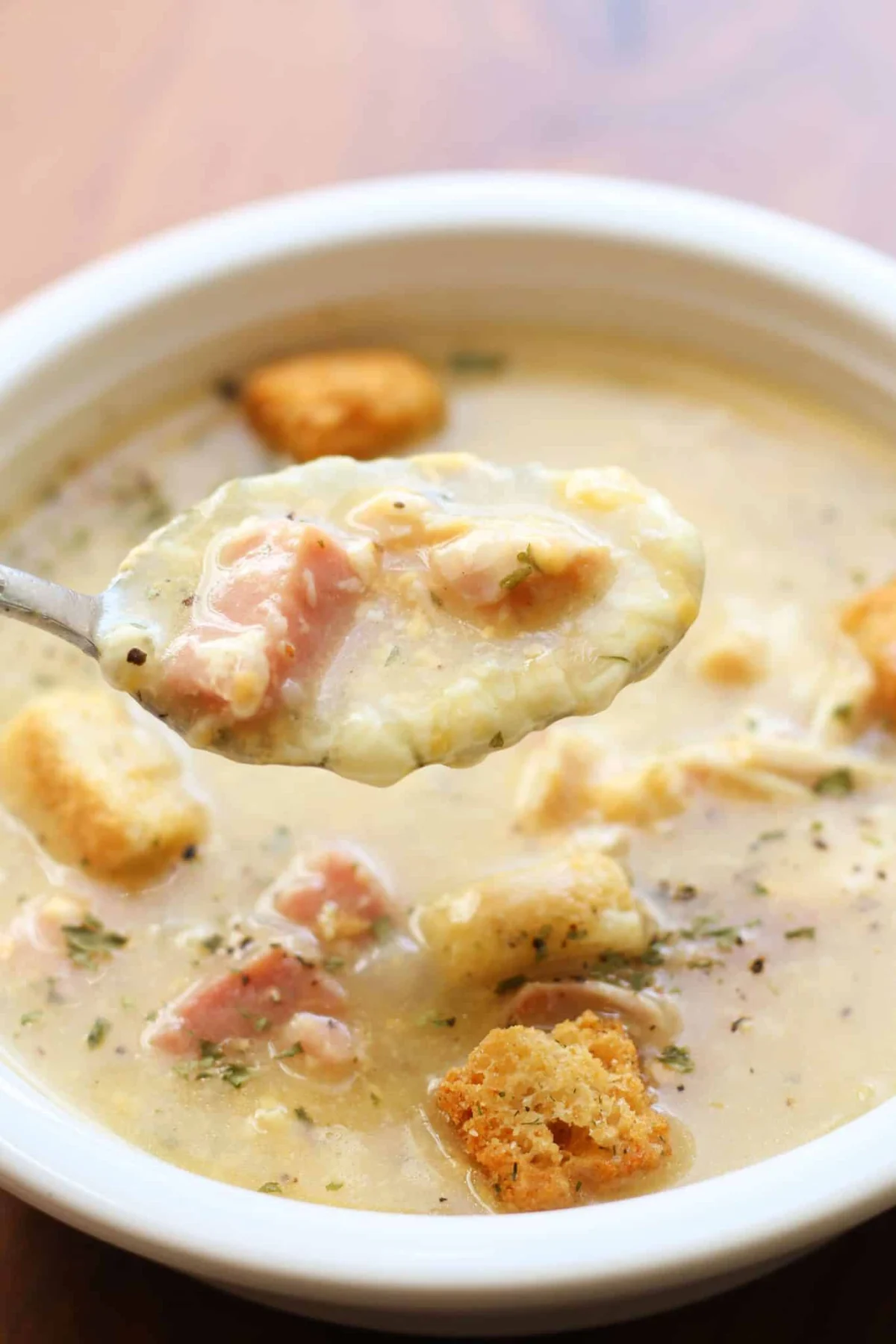
The Evolution of a Classic
The Monte Cristo sandwich, a staple of 20th-century American diner culture, rose to prominence in the mid-1900s, famously gaining popularity through chains like Bennigan’s. Historically, the dish is a variation of the French croque-monsieur, consisting of ham and Swiss cheese dipped in egg batter and deep-fried until golden brown. Its signature presentation often involves a dusting of powdered sugar and a side of tart fruit jam, creating a polarizing but beloved intersection of savory and sweet.
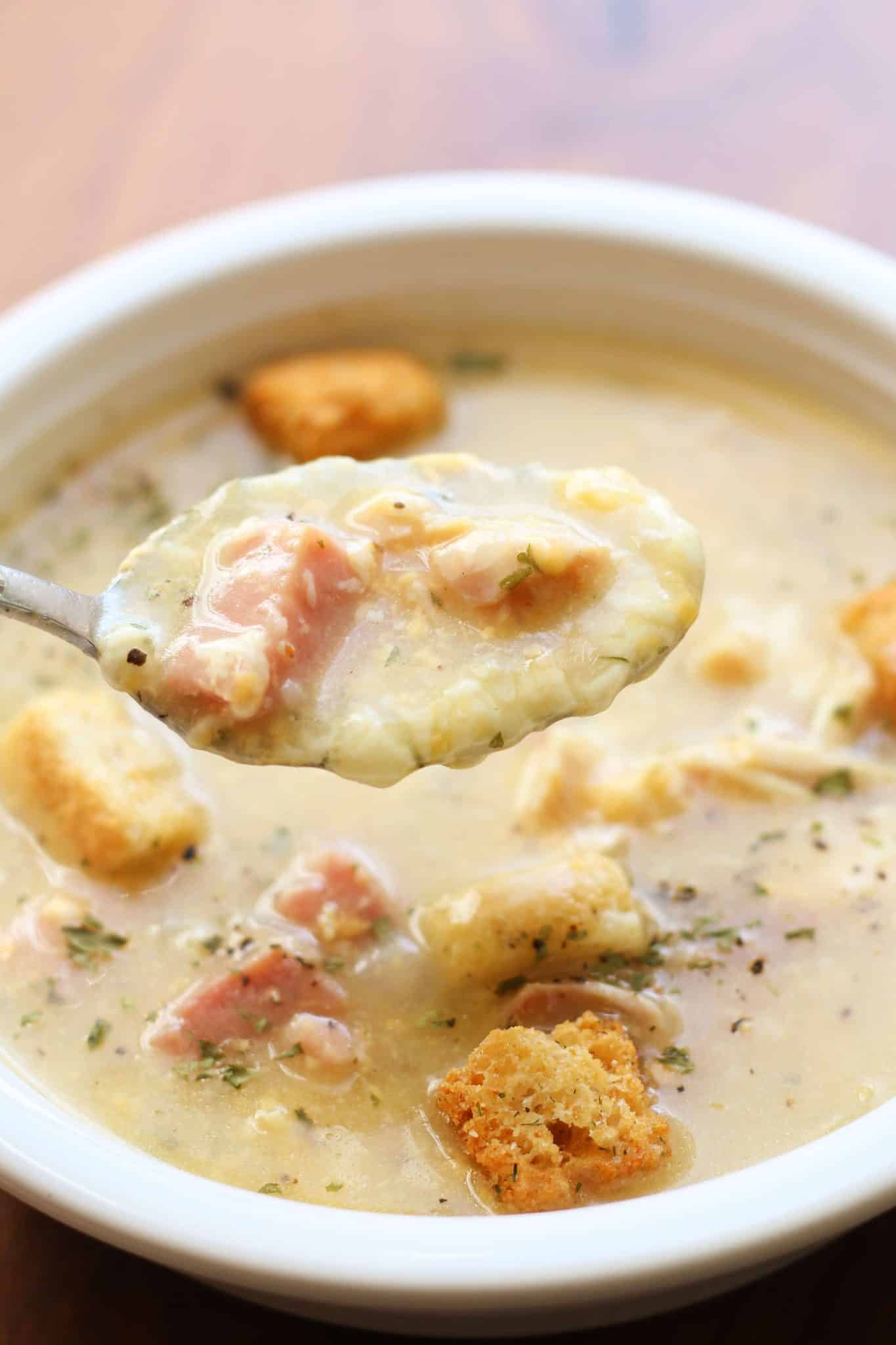
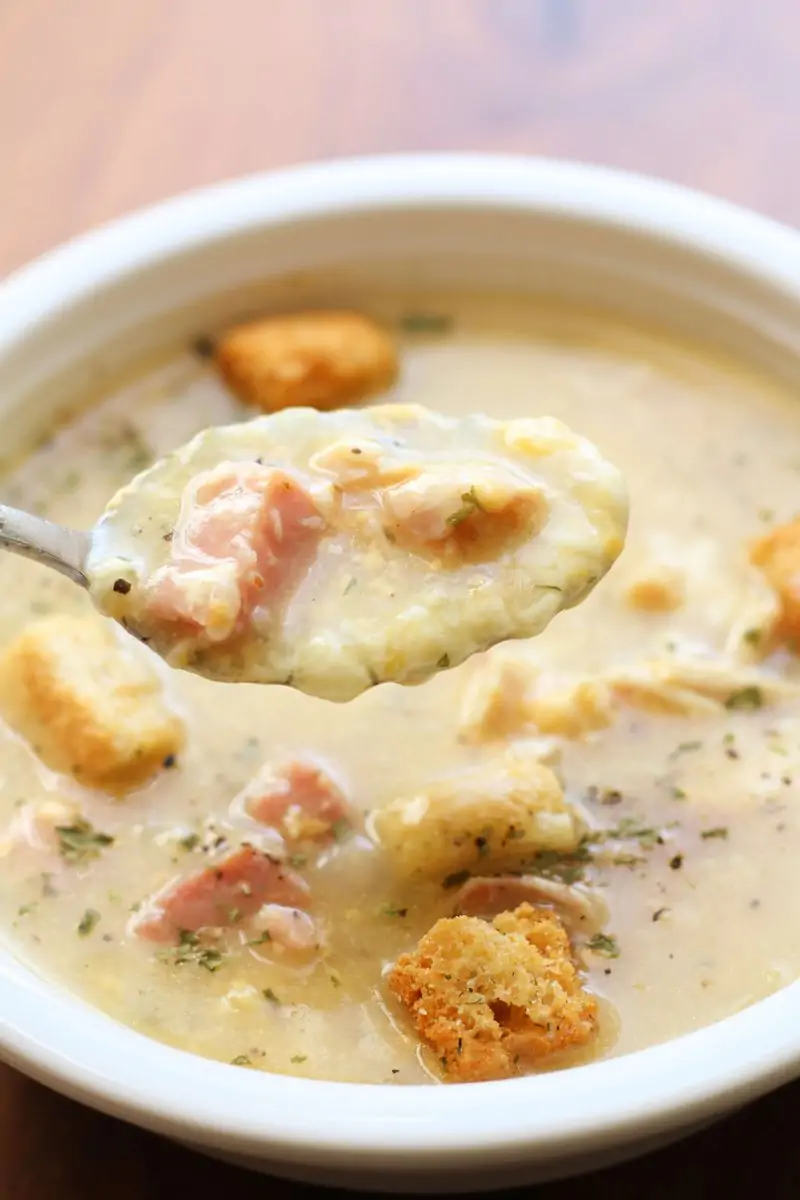
The transition of these ingredients into a liquid, soup-based format represents a significant shift in home culinary techniques. By utilizing the pressure-cooking method, the proteins are infused with the depth of the broth and mustard base in a fraction of the time required for traditional stovetop reduction. This transformation addresses the modern consumer’s demand for "fast-casual" dining quality within the domestic kitchen environment, prioritizing both time-efficiency and flavor density.
Technical Methodology: The Instant Pot Advantage
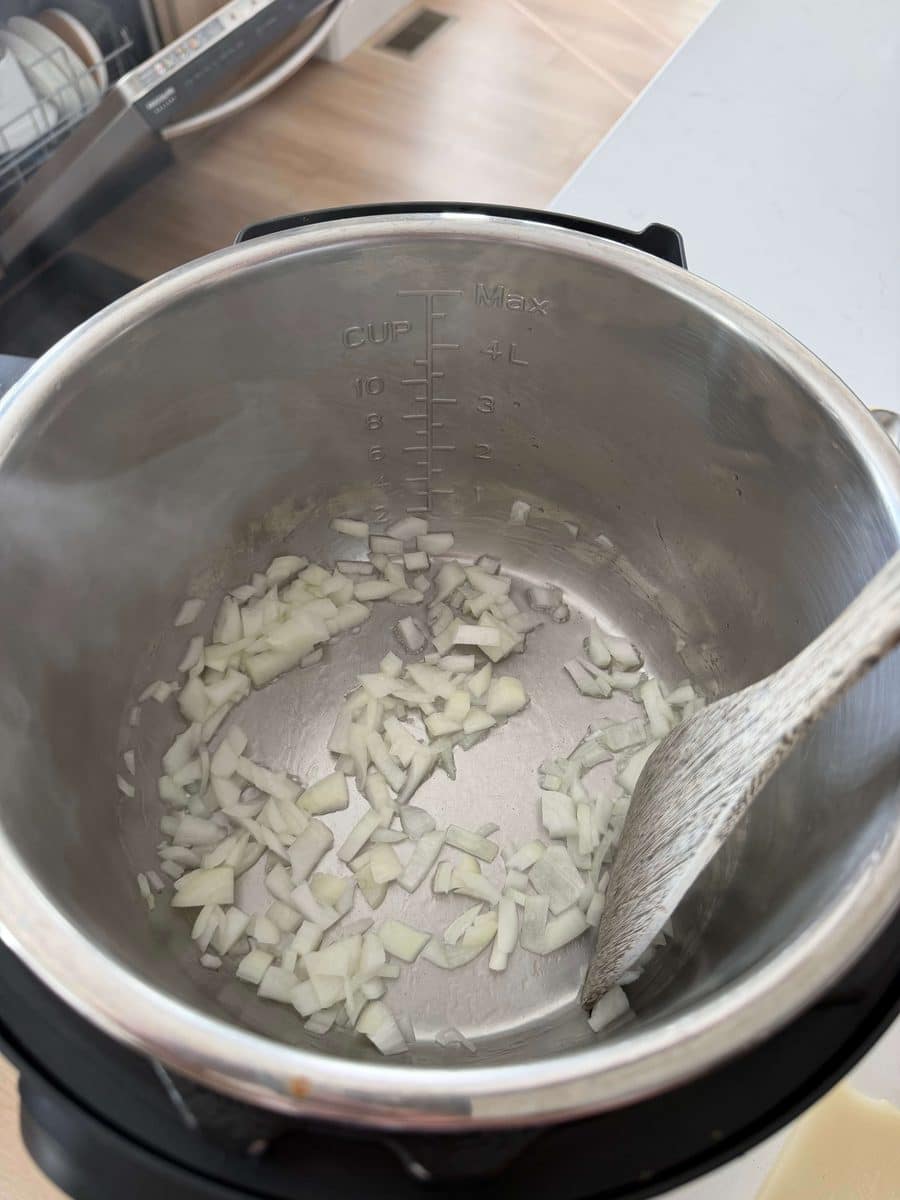
The preparation of Monte Cristo Soup follows a disciplined sequence designed to optimize the Maillard reaction and flavor extraction. The process begins with the sauté function of the pressure cooker, where onions and garlic are tempered in oil to establish an aromatic foundation. This stage is critical; the release of sugars from the onions provides the necessary base notes to balance the eventual saltiness of the ham and the pungency of the Dijon mustard.
Once the aromatics are prepared, the introduction of the liquid—typically a high-quality poultry or vegetable broth—requires immediate deglazing of the pot’s base. This technical step is essential in professional and domestic kitchens alike to incorporate the fond (the caramelized bits at the bottom of the pot) into the soup, significantly elevating the flavor profile.
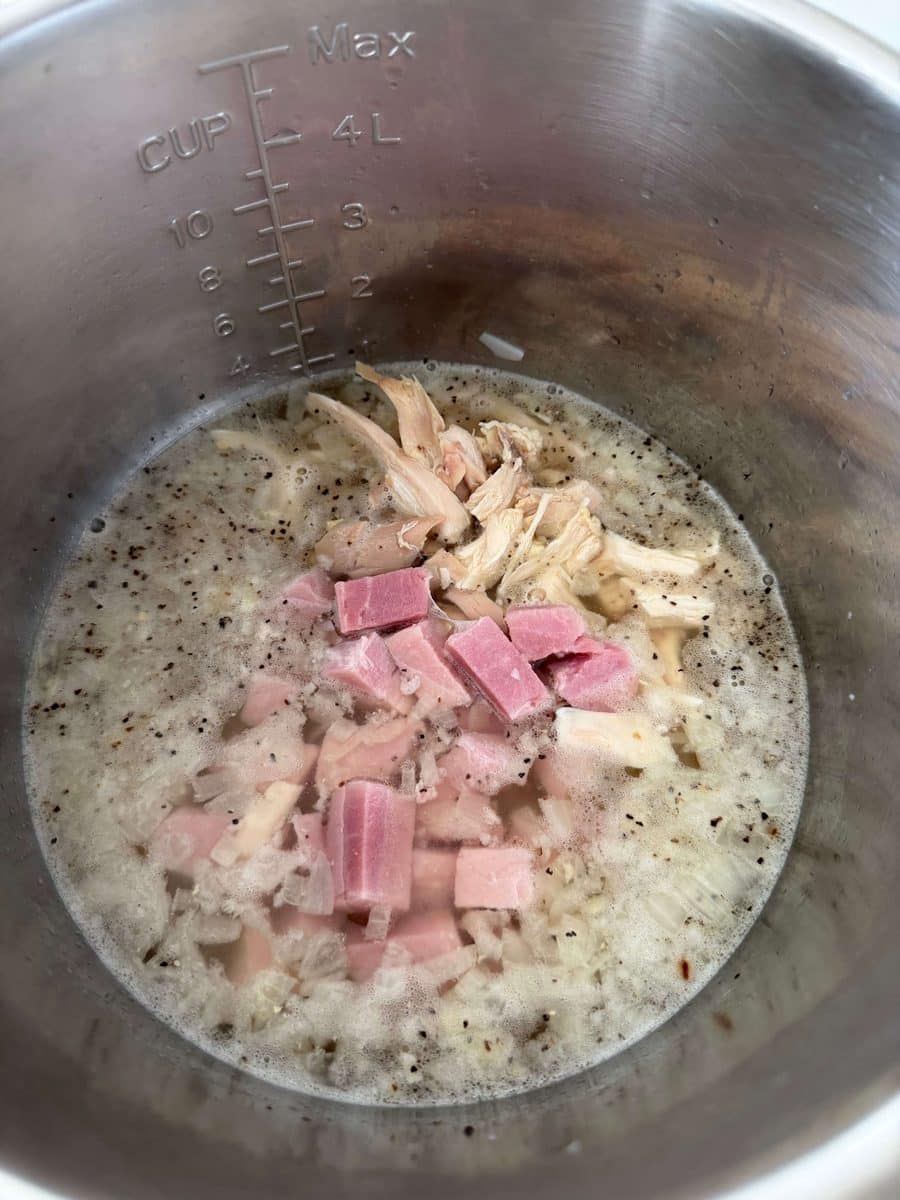
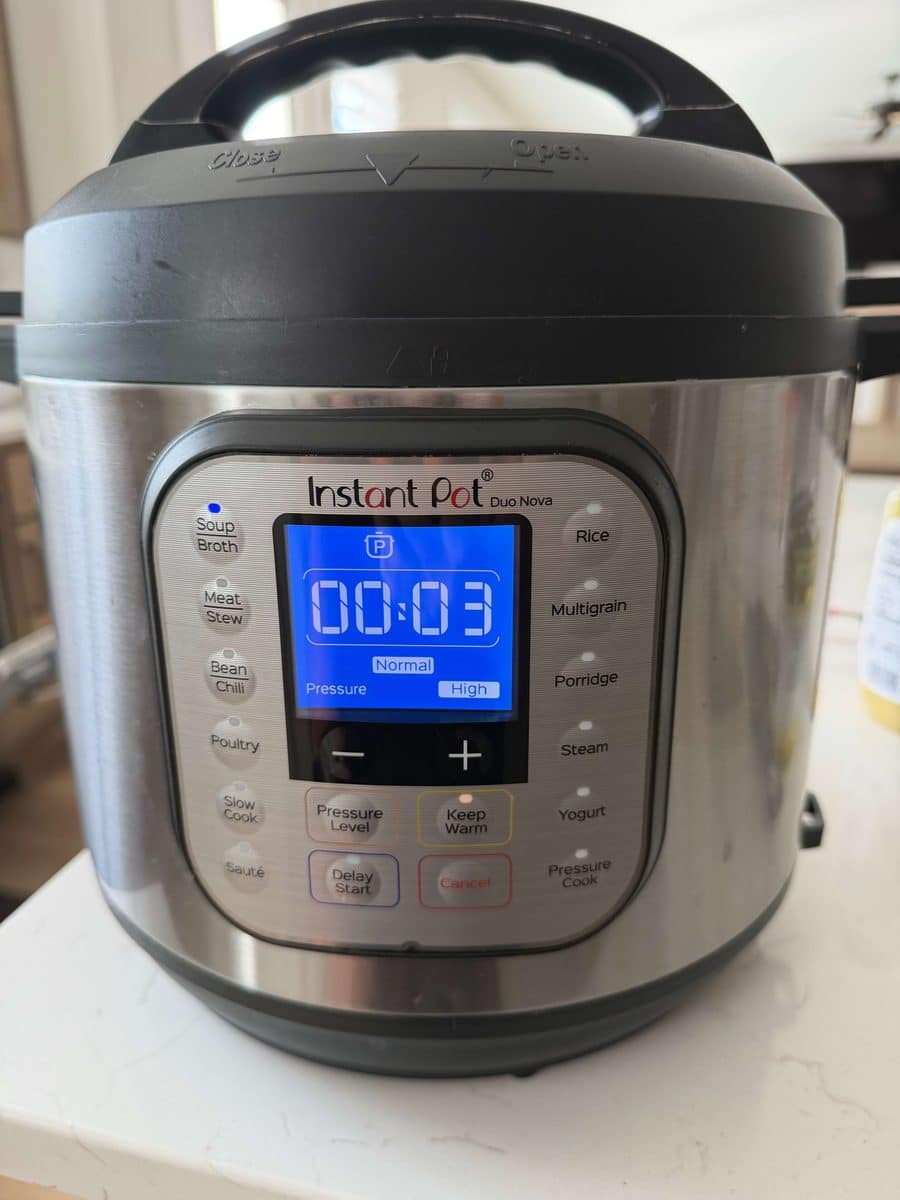
The integration of the proteins follows, with the pressure cycle set to a brief three-minute duration. This controlled environment ensures the proteins remain tender without becoming overly fibrous, a common pitfall in slow-cooking methods. The subsequent release of pressure, followed by a resting period, allows the internal temperatures to stabilize, ensuring the base is ready for the final emulsification process.
Thickening and Emulsification
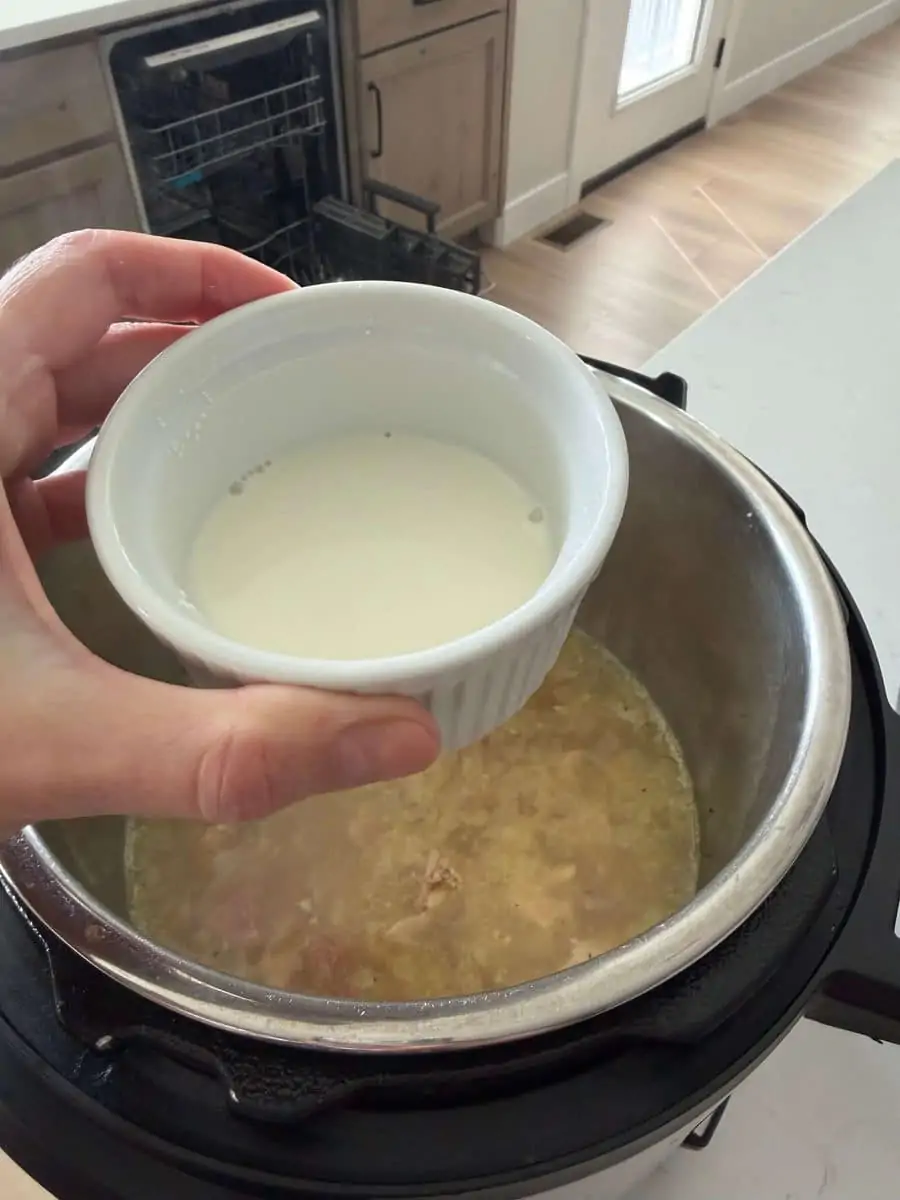
The structural integrity of the soup is achieved through a cornstarch slurry—a suspension of cornstarch in cold water. When introduced to the boiling liquid under the sauté setting, the starch molecules undergo gelatinization, creating a velvety mouthfeel that is essential for a cheese-based soup.
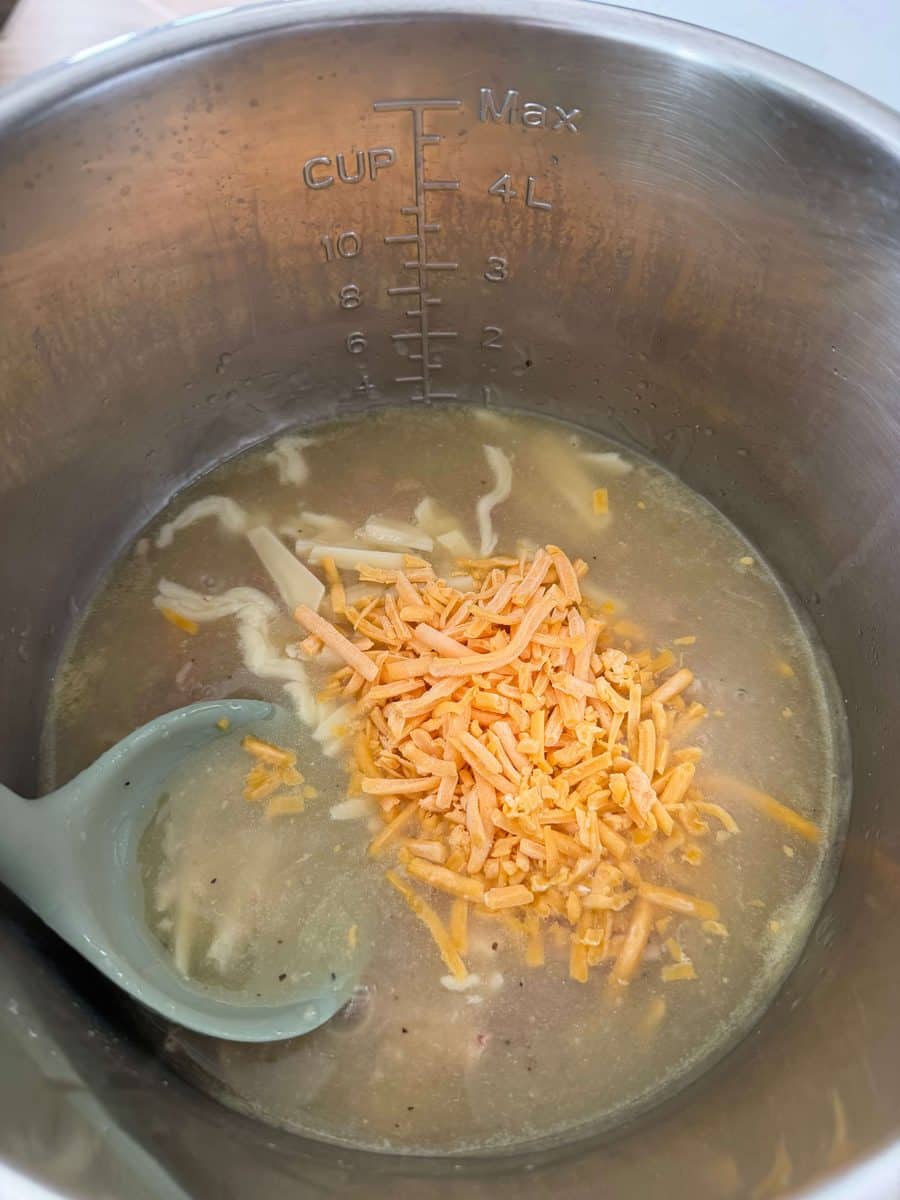
The final phase involves the incorporation of the dairy components. The addition of Swiss and cheddar cheeses must be performed carefully; by turning off the heat source before adding the cheese, the cook prevents the protein structures in the dairy from breaking down and becoming oily. The result is a smooth, homogenous, and viscous soup that maintains its thermal properties while awaiting the final garnishes.
Comparative Analysis of Culinary Trends
The rise of such "reimagined" comfort foods reflects a broader trend in food technology and home cooking. According to data regarding consumer habits in the post-2020 era, there has been a 35% increase in the utilization of multi-cooker appliances for meal preparation. The Monte Cristo Soup fits neatly into the category of "crossover cuisine," where traditional dishes are deconstructed and rebuilt using equipment that favors speed and convenience.
Nutritionists and food historians note that this trend is not merely about efficiency. The shift toward soups and stews in home cooking is often correlated with economic fluctuations, where households seek to maximize the utility of leftovers—such as post-holiday turkey or chicken—to reduce food waste. The Monte Cristo Soup is particularly effective in this regard, as it provides a platform for high-quality protein utilization that might otherwise go unused.
Economic and Domestic Implications
From a logistical standpoint, the shift toward these types of recipes has clear implications for household food management. The ability to adapt the protein component—choosing between ham, turkey, or chicken based on availability—provides a flexible framework that supports budget-conscious grocery shopping.
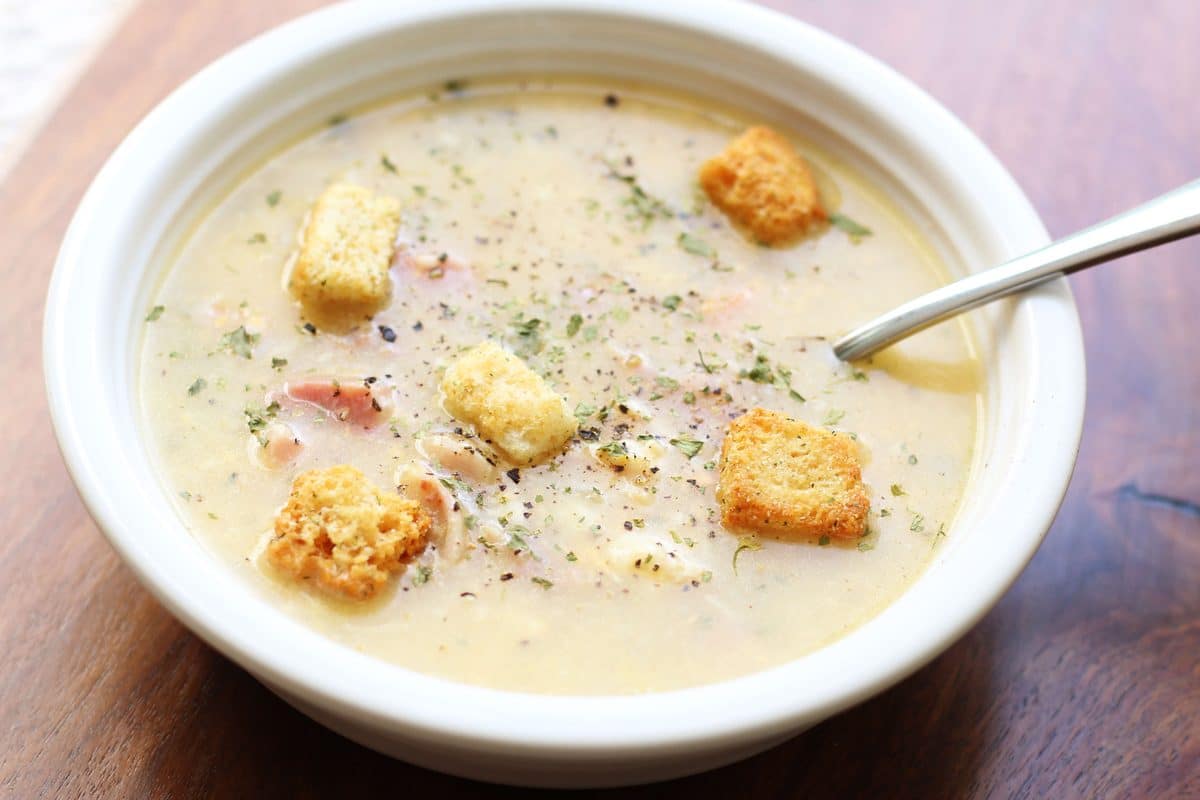
Furthermore, the garnishing stage—the intentional addition of raspberry preserves and croutons—serves as a psychological bridge to the original sandwich experience. The contrast between the hot, savory soup and the cold, sweet jam mimics the sensory experience of the original fried sandwich, providing a level of satisfaction that simple, one-note soups often fail to achieve.
Culinary Feedback and Reception
While traditionalists may argue that the texture of a deep-fried sandwich cannot be replicated by a soup, the reception among culinary enthusiasts has been largely positive. The focus on "mouthfeel" and the balance of acidity (Dijon) against sweetness (raspberry) demonstrates a sophisticated understanding of flavor chemistry.
Experts in the field of culinary arts have noted that the success of such recipes often lies in the "topping strategy." By keeping the croutons separate until the moment of service, the chef ensures that the structural contrast remains intact, preventing the soggy texture that often plagues bread-based soup additives. This attention to detail elevates the dish from a simple "dump-and-go" recipe to a deliberate, curated meal.
Broader Impact on Home Cooking
The proliferation of recipes like the Monte Cristo Soup, distributed via digital platforms and cooking blogs, marks a shift in how culinary knowledge is transmitted. The inclusion of "Cook Mode" technology, which prevents mobile screens from darkening during the preparation process, highlights how software integration is now as critical as the ingredients themselves.
As consumers continue to rely on automated cooking appliances, the complexity of home-cooked meals is expected to rise. The Monte Cristo Soup serves as a case study for this evolution: a dish that once required deep-frying expertise and careful bread-to-filling ratios is now accessible to the average home cook, provided they understand the sequence of operations—sautéing, deglazing, pressure-sealing, and emulsifying.
Conclusion: The Future of Hybrid Dishes
As we look toward the future of domestic gastronomy, the integration of classic flavor profiles into modern appliances will likely remain a dominant theme. The Monte Cristo Soup is more than just a novelty; it is a pragmatic solution to modern dining challenges. By honoring the flavor lineage of a classic American sandwich while embracing the technical capabilities of the Instant Pot, this recipe provides a blueprint for how home cooks can continue to innovate.
Whether one is a novice looking to maximize kitchen efficiency or an experienced cook seeking to experiment with flavor combinations, the principles established by this dish offer a reliable, scalable, and highly satisfying culinary experience. The transition from a sandwich to a soup may seem unconventional, but it reflects a deeper, ongoing dialogue between tradition and innovation in the American kitchen.
