
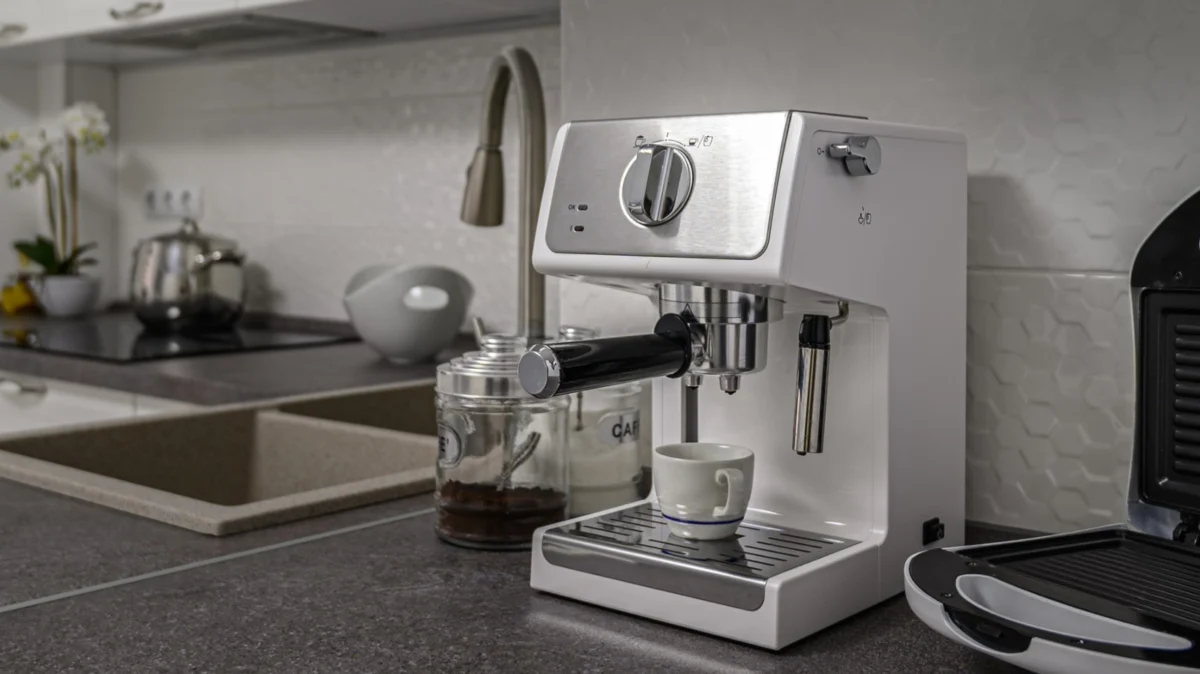
For many coffee enthusiasts, the transition from daily café visits to at-home espresso preparation represents a significant lifestyle shift. Beyond the allure of becoming a home barista, the financial incentive is compelling. With standard coffee shop beverages priced between $5 and $8, a daily habit can easily aggregate to an annual expenditure of $3,000 to $5,000. While the initial investment in a high-quality espresso machine can range from a few hundred dollars to several thousand, the longevity of these appliances is the primary variable in calculating long-term cost-effectiveness. On average, a well-maintained home espresso machine is expected to last between five and fifteen years, though this figure fluctuates dramatically based on engineering complexity, maintenance protocols, and operational intensity.
The Engineering Spectrum: Complexity Versus Durability
The correlation between appliance complexity and mechanical failure is well-documented in the kitchen appliance sector. Espresso machines generally fall into three distinct categories, each with a different projected lifespan.
Fully automatic machines, which integrate grinders, water heating systems, and automated milk frothing mechanisms into a singular unit, represent the most complex tier. Due to the high number of moving parts, internal pumps, and complex circuitry, these machines typically offer a service life of four to eight years. The high density of components means that a failure in one area—such as a sensor or a grinder motor—can compromise the entire system.
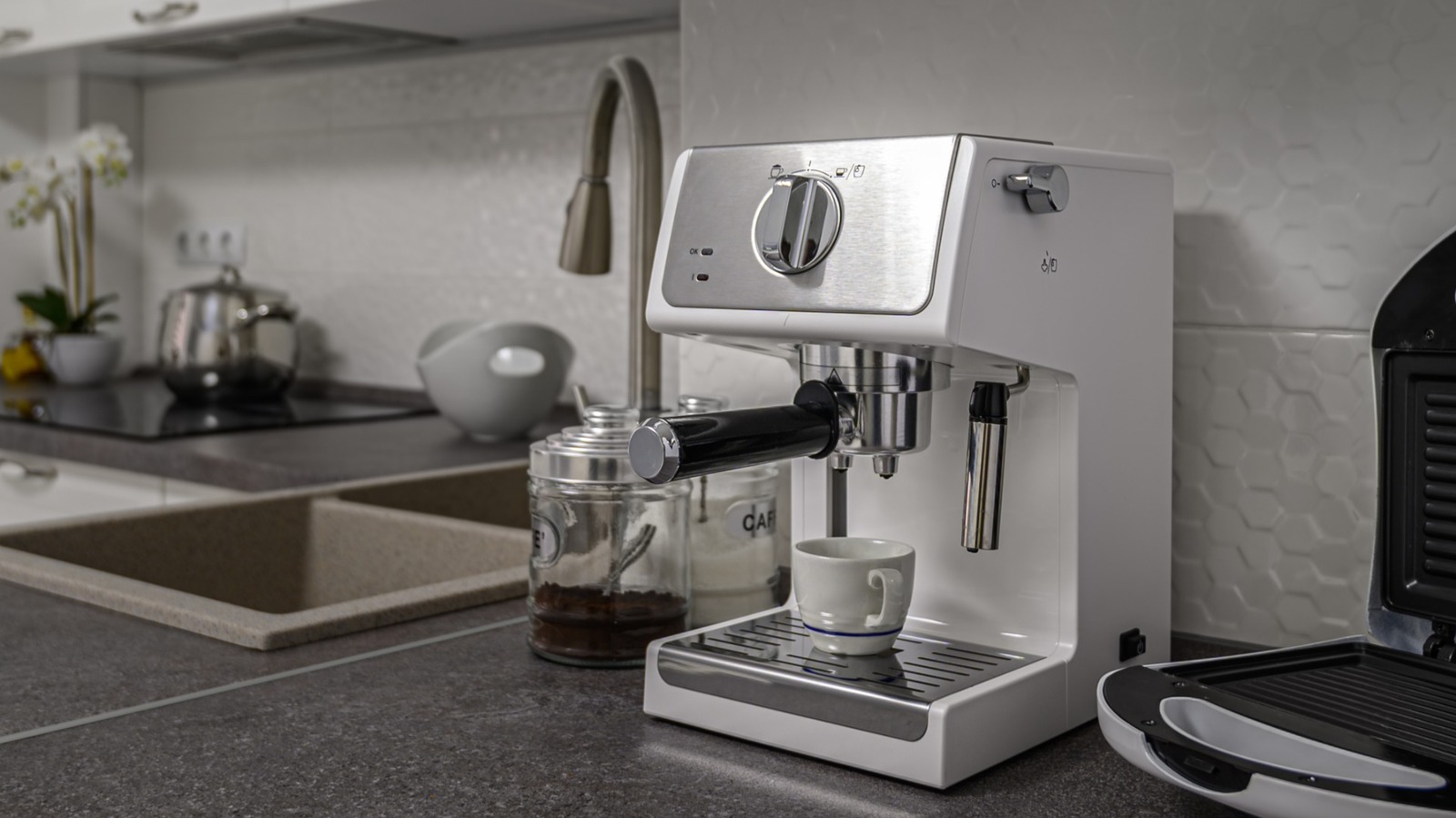
Semi-automatic machines, which require the user to manage the extraction time while the machine handles the pressure and temperature, occupy the middle ground. These machines, favored by home enthusiasts for their balance of control and convenience, generally provide a functional life of five to fifteen years. They are designed for modular repair in many cases, allowing for the replacement of specific components like gaskets or solenoids.
Manual or lever-operated machines represent the high end of longevity. By removing complex electronic interfaces and relying on mechanical pressure, these devices are often built with heavy-duty brass and steel components. With proper care and the periodic replacement of rubber seals, these machines can remain operational for twenty years or longer, effectively becoming heirloom-quality appliances.
Chronology of Component Wear
To understand the lifespan of an espresso machine, one must examine the specific lifecycle of its core components. The internal plumbing of an espresso machine is subjected to extreme thermal cycling, moving from room temperature to over 200 degrees Fahrenheit multiple times per day.
- Year 1-2: The initial period is characterized by the integrity of the factory-installed seals and gaskets. During this phase, the primary maintenance requirement is the regular cleaning of the group head and the clearing of milk residue from the steam wand.
- Year 3-5: In machines with heavy usage, this is the window where the first mechanical stressors appear. Seals (often referred to as group gaskets) typically begin to harden and may lose their ability to create an airtight seal. This is a routine maintenance event, not a failure of the machine, but it signals the beginning of the "consumable" phase of the appliance’s life.
- Year 6-10: This is the critical juncture for automated and semi-automatic units. Internal pumps may begin to lose pressure, and heating elements may accumulate enough mineral buildup to affect thermal stability. For the average consumer, this is the point where the cost of professional repair versus the cost of a new unit must be weighed.
- Year 11+: Machines that survive this long are usually either high-end manual units or semi-automatics that have been serviced professionally. At this stage, the focus shifts to restoring electrical components and replacing structural tubing that may have become brittle.
The Impact of Water Quality on Appliance Longevity
The single most significant external factor affecting the lifespan of an espresso machine is water quality. In the United States, water hardness varies significantly by region. Hard water contains high concentrations of calcium and magnesium, which, when heated, precipitate out of the water to form limescale.
Limescale acts as an insulator, coating the heating elements and restricting the flow through narrow valves and pipes. If left unaddressed, this mineral deposit can lead to catastrophic failure, causing pressure buildup that may burst internal tubes or permanently disable the boiler. Industry experts recommend the use of filtered water or a dedicated water softening system for all high-end espresso machines. Furthermore, the proactive application of a manufacturer-approved descaling solution is essential. While descaling is a common chore, failure to adhere to the recommended schedule is the leading cause of premature appliance death, often reducing a machine’s potential lifespan by 50% or more.
Economic and Sustainability Implications
From a broader economic perspective, the market for espresso machines has shifted toward a "disposable" model in the lower-tier segments. The rise of pod-based systems, such as those popularized by Keurig, offers an alternative for consumers who prioritize convenience over the long-term maintenance of a traditional machine. While these pod-based systems are rarely intended to last beyond three to five years, they represent a different consumer intent.
However, for the premium espresso market, the trend is moving toward "repairability." Consumers are increasingly demanding appliances that allow for the independent replacement of parts, favoring brands that offer transparent schematics and readily available spare components. This shift is not merely about cost; it is driven by a growing awareness of the environmental impact of electronic waste. A machine that lasts fifteen years has a significantly lower carbon footprint than three machines that last five years each, accounting for the manufacturing, logistics, and disposal costs of each unit.
Expert Guidance on Appliance Maintenance
To maximize the longevity of any espresso machine, practitioners suggest a standardized maintenance regimen:
- Daily Backflushing: For machines with a three-way solenoid valve, flushing the group head with water after every session prevents coffee oils from turning rancid and clogging the dispersion screen.
- Steam Wand Purging: Milk residue is a breeding ground for bacteria and a primary cause of steam wand blockages. Purging the wand with steam and wiping it down immediately after use is non-negotiable.
- Preventative Descaling: Even when using filtered water, mineral deposits will occur over time. Following the manufacturer’s instructions for periodic descaling—typically every three to six months depending on usage—is the most effective way to protect the boiler.
- Seal Inspection: Monitoring the group gasket for leaks or signs of hardening allows the owner to replace a $10 part before it causes stress on the more expensive pump mechanism.
Conclusion
The decision to invest in an espresso machine is a commitment to a specific type of kitchen utility. While the average lifespan of five to fifteen years provides a general framework, the reality is that the appliance’s longevity is largely determined by the user. By understanding the mechanical limits of the machine, prioritizing water filtration, and committing to a routine of preventative maintenance, owners can ensure their equipment remains a reliable fixture in their kitchen for well over a decade. Whether one opts for the simplicity of a manual lever or the high-tech features of an automated system, the goal remains the same: a consistent, high-quality espresso experience that justifies the initial investment and minimizes the need for premature replacement. As the home coffee market continues to expand, the emphasis on quality construction and responsible maintenance will remain the defining factors for both the consumer’s wallet and the appliance’s durability.
