
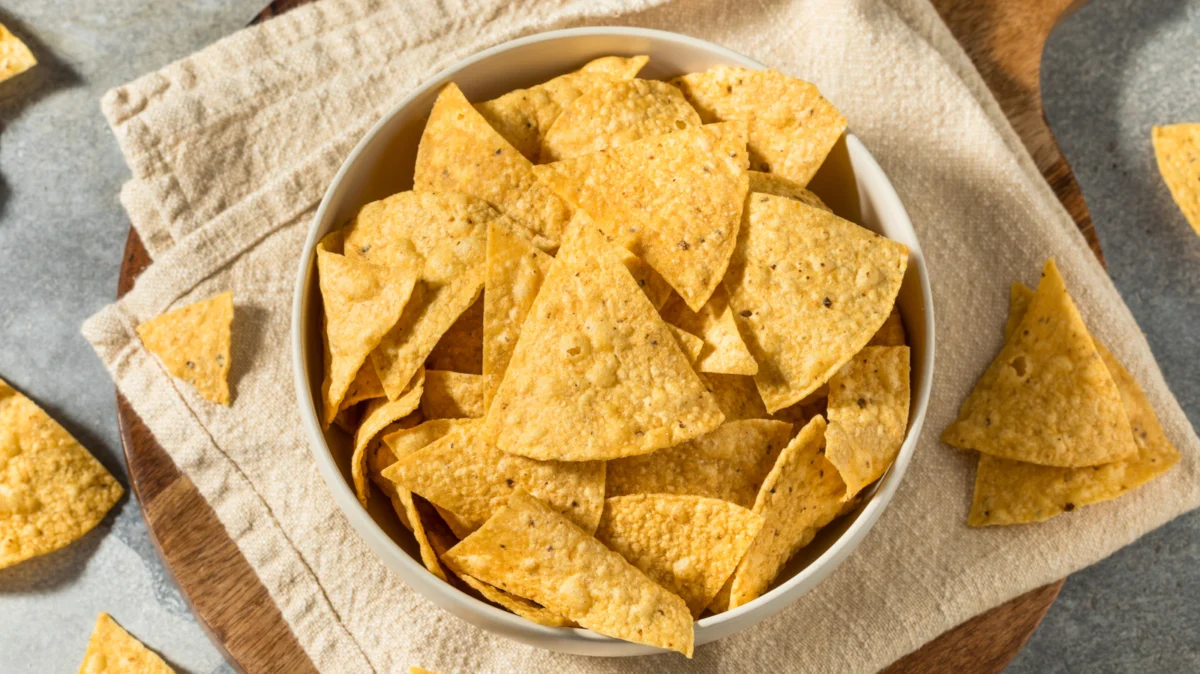
The modern snack food industry, a global powerhouse valued at tens of billions of dollars, owes much of its current landscape to the ingenuity of a single entrepreneur. Rebecca Webb Carranza, a pioneer in the mid-20th-century food scene, transformed an act of waste reduction into a revolutionary culinary staple: the tortilla chip. While the snack is now ubiquitous, appearing on grocery shelves from small-town bodegas to high-end supermarkets, its origins are rooted in a modest Los Angeles deli and a refusal to discard perfectly edible food.
The Origins of the Tortilla Chip
In the 1940s, Rebecca Webb Carranza and her husband co-owned the El Zarape Tortilla Factory in Los Angeles. At the time, the process of mass-producing tortillas was evolving, with automated machinery allowing for a speed of production that previously required manual labor. However, this mechanical efficiency brought an unintended consequence: a significant amount of byproduct. Tortillas that emerged from the machines with slight bends, irregular edges, or aesthetic imperfections were deemed unsuitable for traditional retail.
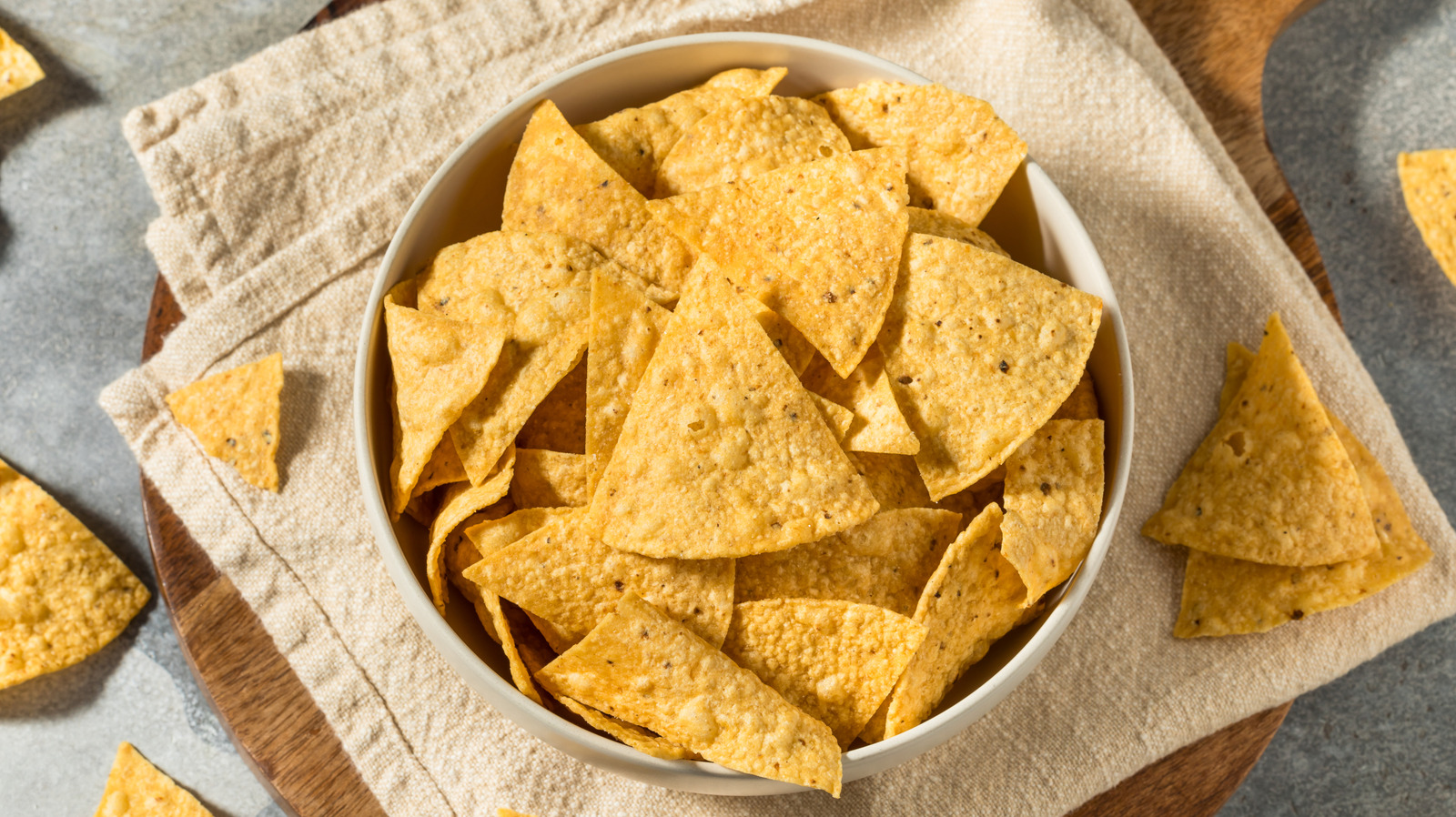
Rather than discarding these "imperfect" units, which would have been the standard industry practice at the time, Carranza recognized a potential culinary application. She experimented with the discarded corn-based dough by cutting the tortillas into uniform triangles, frying them, and seasoning them with salt. When she served these creations at a family gathering, they were met with immediate enthusiasm. This singular moment of resourceful problem-solving effectively bridged the gap between traditional Mexican cuisine and the nascent American snack food market.
A Historical Context of Totopos
While Carranza is credited with popularizing the modern tortilla chip, it is important to acknowledge that the concept of dehydrated or toasted corn dough has deep historical roots in Mexico and Central America. For centuries, indigenous cultures—most notably the Aztecs—prepared "totopos." The term originates from the Nahuatl word "totopochtli," which refers to food that is toasted, crunchy, or creates a distinct noise when consumed.
These traditional totopos were typically baked until they reached a shelf-stable, crispy state. Unlike the modern deep-fried iteration, these were a method of preserving corn-based food for travel and consumption during long periods. Carranza’s innovation was not necessarily the invention of the corn chip, but rather the commercial application of the frying technique, which created a texture and flavor profile that resonated with the American palate, setting the stage for the modern snack industry.
The 1940s to the 1960s: From Delicatessen to Industry
Following the success of her initial batch, Carranza began producing the snack on a larger scale. She sold the chips for 10 cents a bag under the name "Tort Chips." Although she lived until 2006 and saw her creation become a dominant force in the global snack industry, Carranza never saw the massive financial returns that would eventually define the category. She remained a local business owner, focused on the quality and integrity of her product rather than the aggressive corporate scaling that would follow.
The transition of the tortilla chip from a local deli item to a national phenomenon began in the 1960s. A pivotal moment occurred in 1964 at the Casa de Fritos restaurant located within Disneyland. The restaurant began experimenting with seasoning beyond simple salt, introducing the concept of flavor-dusted chips. Arch West, an executive at Frito-Lay, observed the popularity of these seasoned chips and recognized the potential for a massive commercial rollout. This observation led directly to the launch of Doritos in 1966.
The subsequent success of Doritos served as a catalyst for the snack food industry. When combined with the rise of fast-casual dining—marked by the founding of Taco Bell in 1962—and the increased American interest in authentic Mexican cuisine (bolstered by publications such as Diana Kennedy’s 1972 cookbook, The Cuisines of Mexico), the tortilla chip transitioned from a niche ethnic snack to a mainstream household essential.
Market Data and Economic Impact
Today, the global tortilla chip market is valued at over $35 billion, with projections indicating steady growth as consumer demand for diverse snacking options increases. The industry is characterized by high levels of consolidation, with major conglomerates like Frito-Lay (a subsidiary of PepsiCo) controlling significant market share. However, the market remains diverse, with premium, organic, and artisanal brands—such as Xochitl and various regional manufacturers—continuing to compete for space on retail shelves.
The economic implications of this growth are profound. The tortilla chip industry supports a massive supply chain, including corn farming, specialized vegetable oil production, and sophisticated packaging logistics. Furthermore, the snack food sector has become a primary driver of research and development in food science, particularly regarding texture stability, sodium reduction, and shelf-life extension.
Institutional Recognition and Cultural Legacy
While Carranza herself did not amass a fortune from her invention, her legacy has been recognized by industry historians and cultural organizations. Her passing in 2006 at the age of 98 was noted by various media outlets, which highlighted her contribution to the American diet. Her story is frequently cited in discussions about the role of women in the history of food innovation, serving as a reminder that many of the most iconic food products were developed not in corporate laboratories, but in small, independent kitchens.
The "Tort Chip" paved the way for a variety of corn-based snacks that have become synonymous with social gatherings and convenient dining. From the development of the air fryer, which has made it easier for home cooks to recreate Carranza’s original method with minimal oil, to the sophisticated flavor-dusting technologies used in modern manufacturing, the fundamental principles of the snack have remained remarkably consistent.
Fact-Based Analysis: Why the Innovation Endured
The endurance of the tortilla chip can be attributed to several factors that transcend mere taste. First, the product is highly versatile. It serves as a primary vehicle for dips, a base for nachos, and an accompaniment to soups and salads. This versatility ensures that it remains relevant across different meal occasions, from appetizers to main courses.
Second, the structural integrity of the fried corn chip allows for significant shelf life, which is essential for global distribution. Unlike potato chips, which can be fragile and prone to oxidation, the corn-based structure of the tortilla chip provides a durable base that withstands shipping and prolonged storage.
Third, the affordability of the primary ingredients—corn, oil, and salt—has historically allowed manufacturers to maintain competitive price points while achieving high margins. This economic efficiency was present at the inception of the product, and it remains a cornerstone of the industry’s success today.
Conclusion: A Legacy of Resourcefulness
Rebecca Webb Carranza’s journey from a small deli in Los Angeles to the architect of a multi-billion-dollar industry is a testament to the power of observation. By viewing "discarded" items as a resource rather than waste, she tapped into a fundamental principle of culinary innovation: efficiency often leads to discovery.
As consumers continue to purchase billions of dollars worth of tortilla chips annually, the legacy of the El Zarape Tortilla Factory serves as a reminder of the human element behind industrial products. Whether one is eating a plain, salted chip or a highly seasoned modern variation, the roots of the experience lie in a 1940s kitchen where a woman simply wanted to ensure that no food went to waste. Today, the tortilla chip stands not only as a snack but as a symbol of how one person’s ingenuity can permanently alter the global culinary landscape, proving that even the most modest beginnings can lead to a legacy that transcends generations.
