
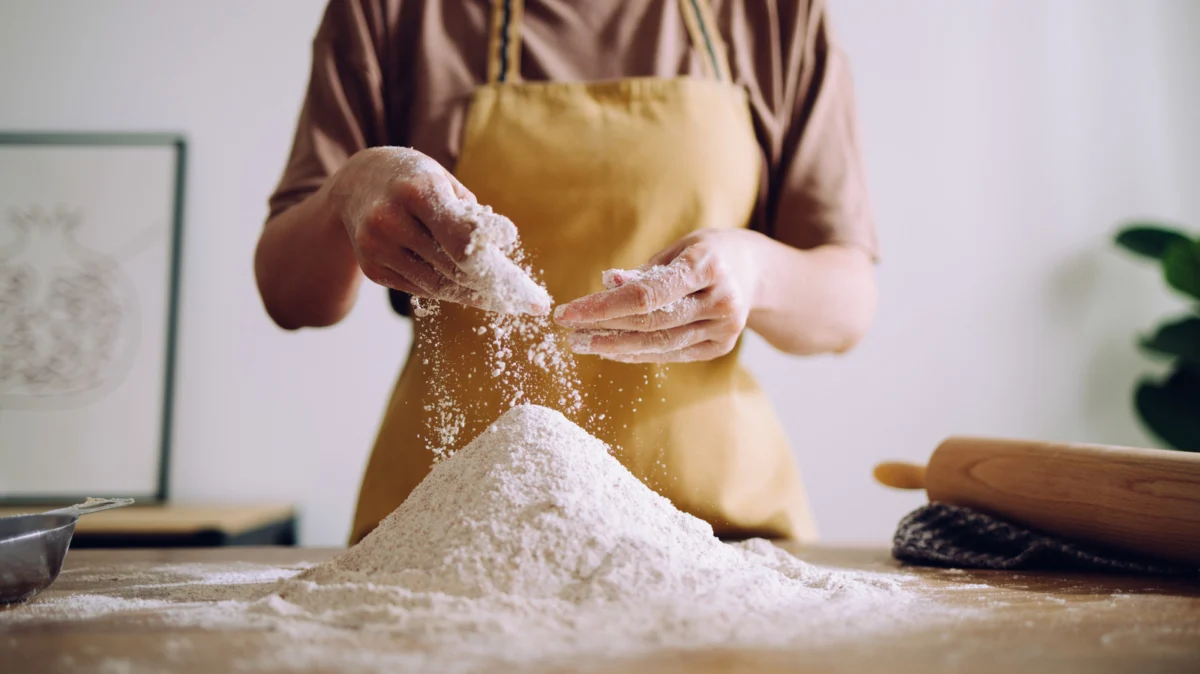
For many, baking serves as a therapeutic, domestic pursuit, yet the transition from casual kitchen hobbyist to a proficient baker requires an embrace of strict scientific principles. While the culinary arts often allow for creative improvisation, baking is fundamentally rooted in chemistry; deviations from established ratios, thermal management, or procedural sequences frequently result in compromised textures and structural failures. By adopting the professional standards utilized in commercial pastry kitchens, home bakers can achieve greater consistency and move beyond merely following instructions toward a mastery of the baking process.
The Science of Storage and Ingredient Integrity
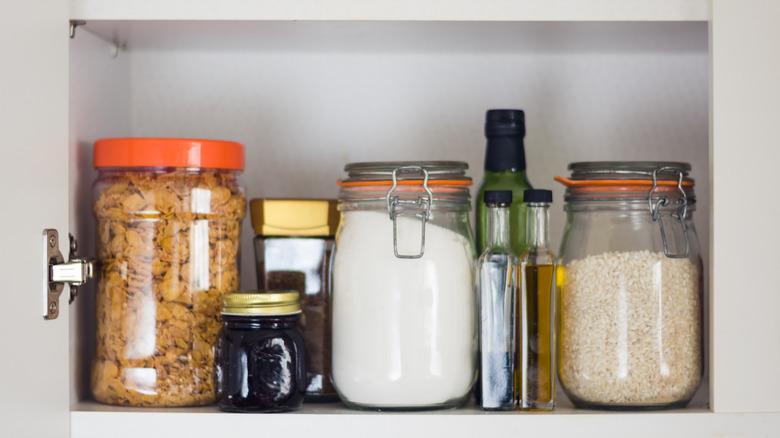
Professional kitchens operate on the principle that the quality of the final product is inherently linked to the storage of raw materials. Staple ingredients, often relegated to convenient but suboptimal kitchen locations, are subject to environmental degradation. Culinary professionals emphasize that spices, for instance, should never be stored near heat sources such as stoves. Exposure to fluctuations in temperature and ambient humidity accelerates the breakdown of essential oils in spices, rendering them flavorless.
Expert bakers advocate for the use of airtight containers for dry goods to mitigate the dual risks of moisture absorption and pest contamination. Furthermore, specialized storage protocols for high-fat or delicate ingredients are standard. Nuts, which contain volatile oils that can quickly turn rancid, should be kept in sealed containers within a freezer. Chocolate, similarly, must be shielded from light and temperature fluctuations to prevent blooming—a process where cocoa butter separates and creates a streaky surface appearance. These professional storage practices ensure that the chemical composition of each ingredient remains stable until it is introduced into a recipe.
The Superiority of Precision Weighing
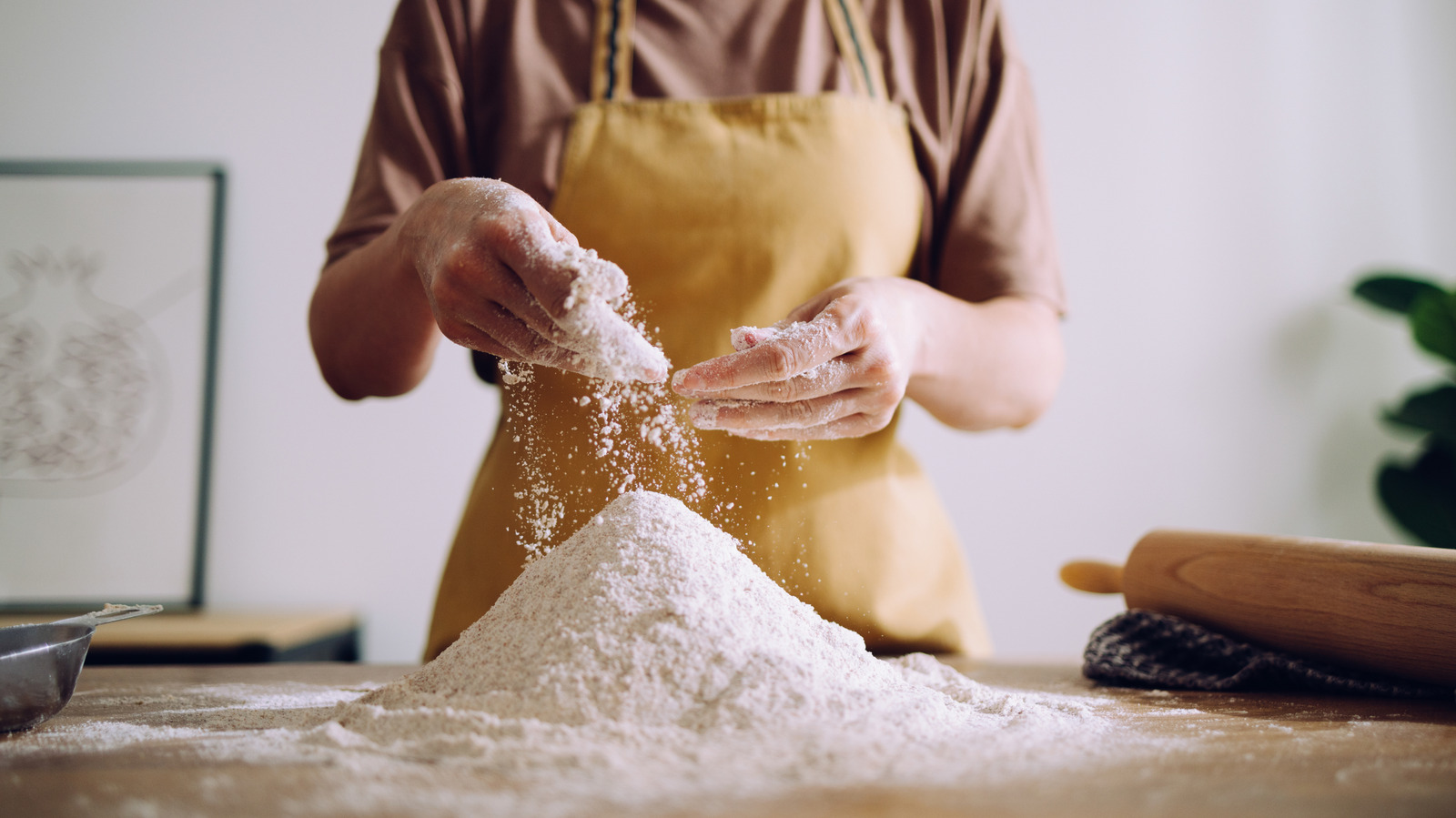
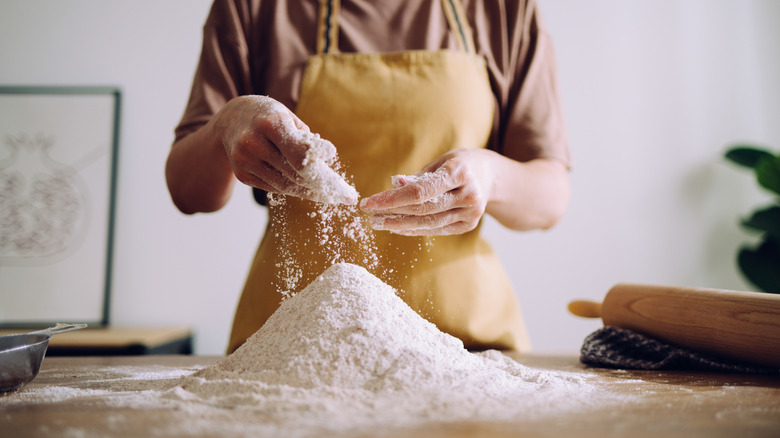
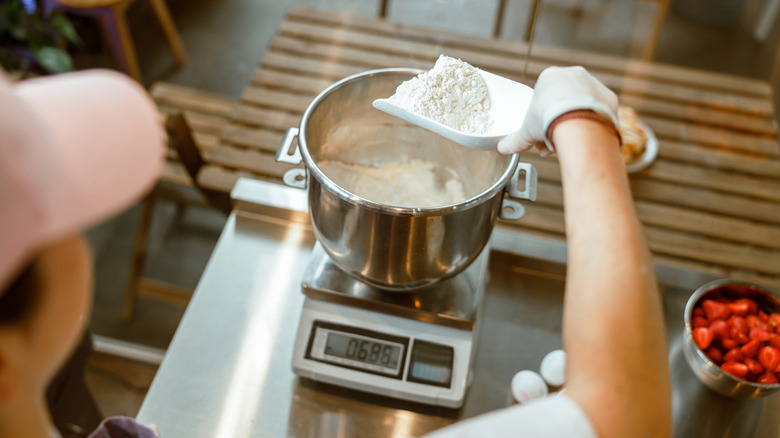
The divide between professional and home baking is most pronounced in the methodology of measurement. In the United States, the reliance on volumetric measurements—cups and teaspoons—is a leading cause of inconsistency. Because flour, sugar, and leavening agents can be packed or aerated within a measuring cup, the actual mass of the ingredient can fluctuate by as much as 20% to 30%. In contrast, professional pastry chefs rely exclusively on mass, utilizing digital scales to measure in grams.
The rationale is clear: 120 grams of all-purpose flour provides the same structural integrity in every instance, regardless of how it was transferred to the bowl. For home bakers, the transition to weighing ingredients represents the single most significant upgrade to their process. Digital kitchen scales, which have become increasingly affordable and accessible, remove the guesswork inherent in cups. Industry experts suggest that even if a baker only adopts one professional habit, the decision to weigh flour—the most variable ingredient in a kitchen—will yield immediate improvements in the crumb and density of baked goods.
Thermal Control as a Core Ingredient
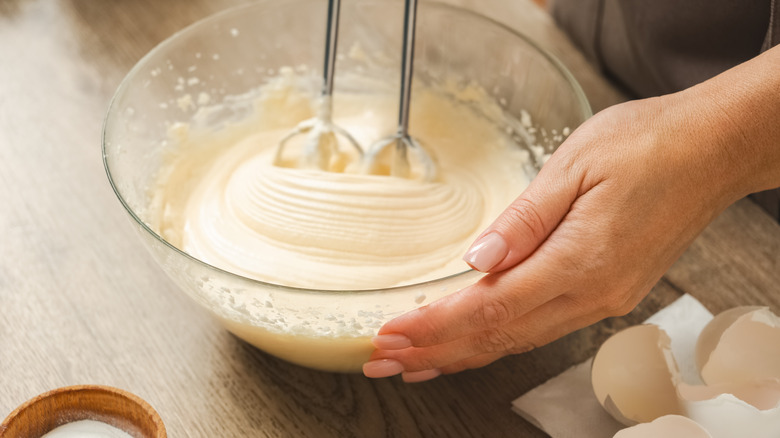
Temperature is not merely a condition of the environment; it is a critical variable that dictates the chemical behavior of fats, proteins, and leavening agents. Professional bakers treat temperature as an essential ingredient. Room temperature—defined in culinary circles as precisely 70 degrees Fahrenheit—is required for emulsification. When butter, eggs, or milk are added to a batter at significantly colder temperatures, the emulsion often breaks, resulting in a curdled appearance and an uneven bake.
To reach this equilibrium, chefs advise against the use of microwaves, which can inadvertently melt fats or partially cook egg proteins. Instead, room-temperature butter should be cut into smaller cubes to increase surface area for ambient warming, while cold eggs can be tempered in a bowl of warm water for several minutes. Managing these temperatures ensures that ingredients incorporate seamlessly, resulting in a stable, cohesive structure that requires minimal mixing, thereby protecting the integrity of the flour’s gluten network.
Flavor Development Through Emulsion
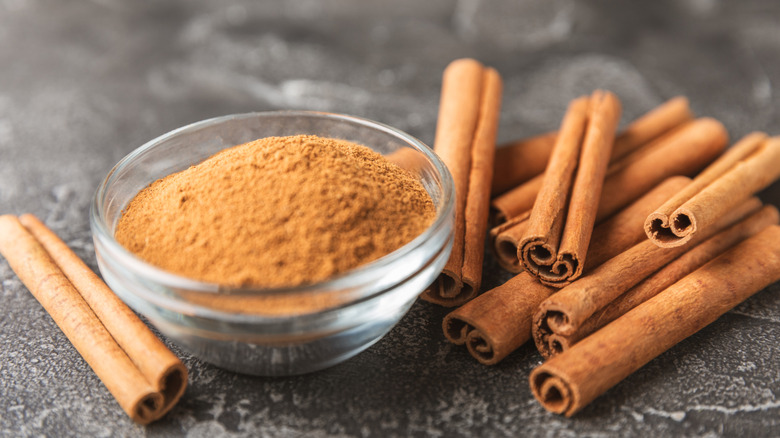
A long-standing practice in home kitchens is to whisk dry spices into the flour mixture. However, professional instruction often encourages a shift in timing. Incorporating ground spices into the wet ingredients—such as eggs, fats, or sweeteners—allows for a process known as "blooming." When spices are exposed to the fats or liquids in a recipe, their volatile aromatic compounds are released more effectively, resulting in a more complex and integrated flavor profile. This requires a careful, steady incorporation to ensure that the spices disperse evenly throughout the wet phase before the flour is added, preventing localized clumps of flavor.
The Standardization of Salinity
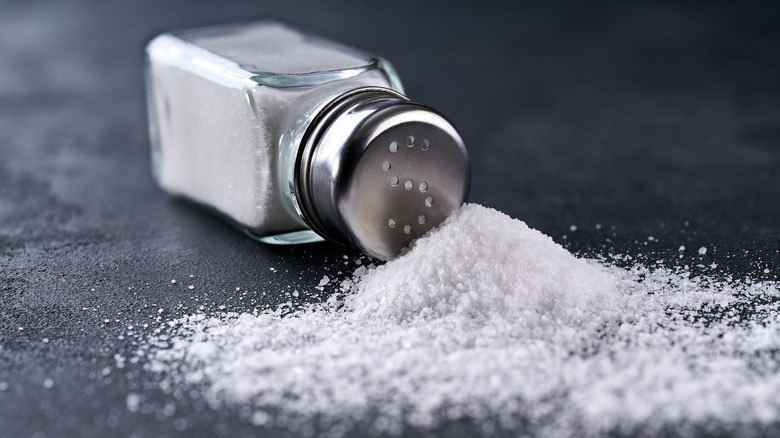
The choice of salt is a point of significant divergence between home and professional practice. Commercial kitchens overwhelmingly utilize kosher salt, specifically the Diamond Crystal brand, due to its specific density and lack of additives like anti-caking agents or iodine. Because table salt is denser and finer, the same volume measurement of table salt contains significantly more sodium than kosher salt. Using table salt in a recipe designed for kosher salt can inadvertently alter the chemical reactions involving yeast or leavening agents. By adopting a standard kosher salt, home bakers align their processes with the intended chemistry of professional recipes, ensuring consistent results in both sweet and savory applications.
Managing Protein Reactions
The timing of ingredient addition is a strategic element of baking. Eggs are particularly reactive; the introduction of acids, alcohols, or high concentrations of sugar can denature egg proteins if the mixture is left to sit. This reaction can lead to a premature toughening or thinning of the batter, which permanently compromises the texture of the finished bake. Professional bakers time their additions to minimize this window of exposure, ensuring that the batter is mixed and placed in the oven immediately after these reactive components are combined.
The Role of Fat Quality and Regulation
Just as salt choice affects chemistry, the type of butter used is non-negotiable in high-end pastry. Salted butter is often avoided because the salt content is not standardized across manufacturers. Since butter plays a foundational role in the structure of dough—regulating browning, fermentation, and texture—the lack of control over sodium levels in salted butter introduces a variable that can ruin a recipe. Professional bakers mandate the use of unsalted butter, allowing them to precisely control the sodium content and the overall chemical stability of the dough.
The Necessity of Resting
The modern tendency to prioritize speed often leads home bakers to omit resting times. However, resting is a fundamental, transformative process. Whether it is allowing gluten to relax in a cookie dough, permitting flour to fully hydrate, or allowing fats to re-solidify after handling, this time is essential for the structural integrity and flavor development of the final product. Skipping these periods, which can range from thirty minutes to several days, often results in products that spread excessively in the oven or lack depth of flavor.
Visual and Physical Cues Over Timers
Professional bakers rely on sensory indicators rather than arbitrary time stamps found in cookbooks. Factors such as oven calibration, the material of the baking sheet, and the specific moisture content of the ingredients render fixed baking times unreliable. Chefs look for specific visual cues—such as a golden-brown crust, a specific rise, or the internal temperature of a bread loaf—to determine doneness. The timer should serve only as a benchmark, prompting the baker to begin monitoring the process closely.
Hardware and Environment
The equipment utilized in a kitchen directly influences the outcome of a bake. Dark-colored pans absorb heat more aggressively, often leading to scorched edges and an undercooked center. Light-colored, reflective pans are the professional standard because they distribute heat more evenly. Additionally, the calibration of an oven is a notorious variable. The use of a standalone oven thermometer, placed in the center of the oven, is the only way to ensure the ambient temperature matches the recipe’s requirement. Given that even a five-degree variance can alter the outcome of delicate items like macarons, the annual replacement of these thermometers is a standard maintenance practice in professional bakeries.
Precision in Decoration
Finally, the mastery of decoration is often hindered by improper tool management. Overfilling a piping bag is a common error that compromises control. Professional pastry chefs recommend filling the bag only halfway to allow the hand to effectively squeeze and guide the icing. Maintaining a consistent distance from the surface of the dessert is equally important; hovering the tip approximately one inch above the surface prevents tremors and ensures clean, professional lines. By adhering to these twelve principles, the home baker moves beyond the limitations of casual cooking and begins to operate with the rigor and predictability of a professional kitchen.
