
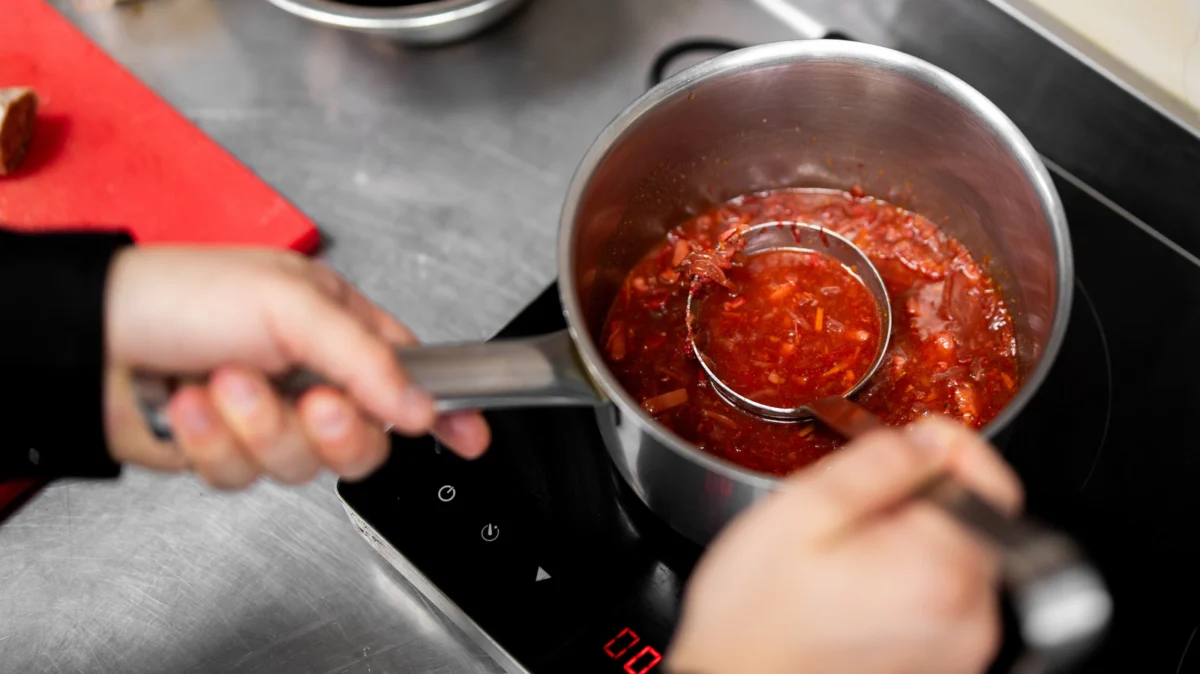
The evolution of culinary technology has transitioned from the primitive open-flame hearths of antiquity to the sophisticated, precision-engineered appliances defining the modern kitchen. While gas and traditional electric coil ranges have long dominated the residential landscape, induction cooking has emerged as a significant technological pivot. As homeowners and professional chefs alike increasingly prioritize efficiency, safety, and performance, induction technology is rapidly moving from a niche luxury to a standard expectation in high-end kitchen design. Unlike traditional electric stoves, which rely on resistive heating elements to warm a glass-ceramic surface via conduction, induction technology utilizes high-frequency electromagnetic fields to generate heat directly within the cookware itself. This fundamental difference in physics results in a cooking experience characterized by heightened thermal control and energy conservation.
The Physics of Induction and the Necessity of Compatibility
To understand the superior performance of induction, one must first recognize the mechanism of energy transfer. An induction cooktop features a copper coil beneath its glass surface. When energized, this coil creates an oscillating magnetic field. This field induces an electric current—known as an eddy current—within any ferromagnetic cookware placed on the surface. Consequently, the pot or pan becomes the primary heat source, effectively bypassing the need to heat the stovetop surface itself.
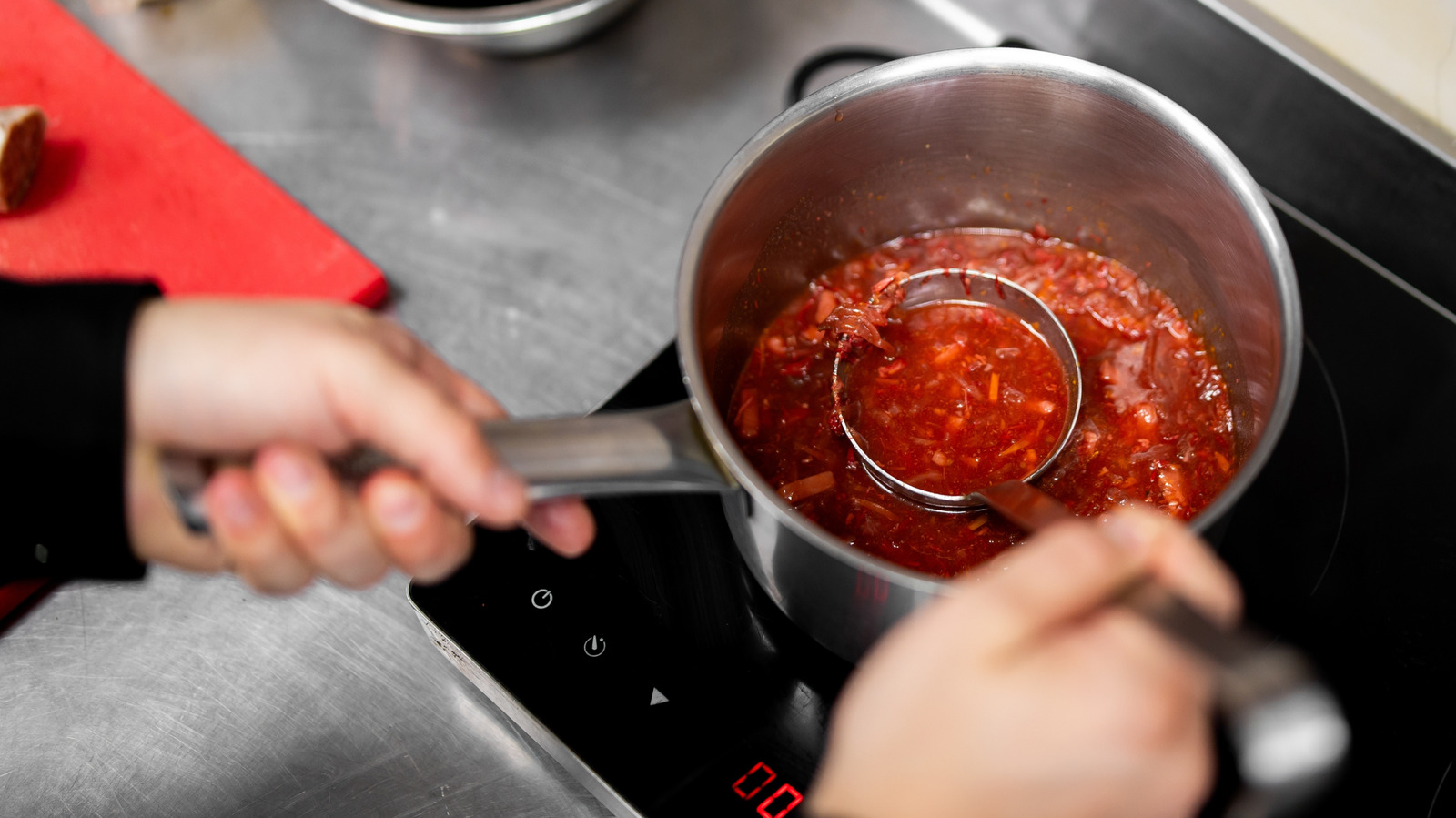
This mechanism necessitates a shift in how consumers procure kitchen equipment. Because the cooktop requires a magnetic connection, aluminum, copper, or glass cookware will not function unless they feature a magnetic steel base. While this may initially seem like a barrier to entry, the simplicity of the "magnet test"—if a common refrigerator magnet adheres to the bottom of the vessel, it is induction-compatible—has made the transition accessible for most households.
Enhanced Safety Profiles for the Modern Household
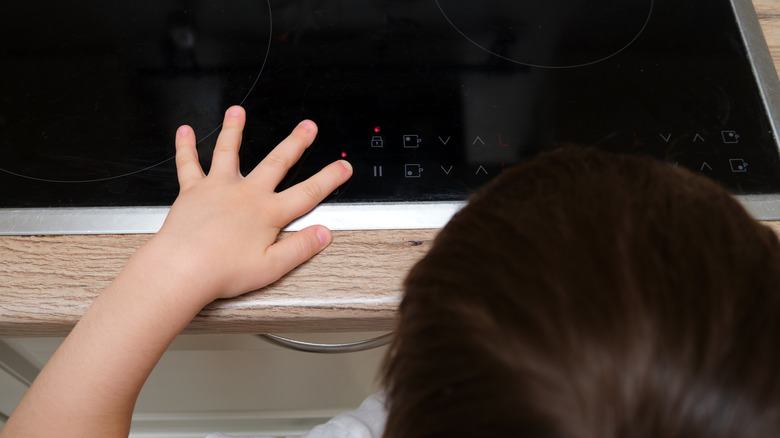
Safety remains a paramount concern in residential kitchen design, particularly regarding fire prevention and accidental contact. Induction cooktops offer a significant safety advantage: the surface of the cooktop does not generate its own heat. While the glass may become warm due to residual heat transferred from the hot cookware, the glass surface itself remains significantly cooler than a radiant electric cooktop.
Furthermore, induction units are equipped with sophisticated sensors that prevent operation in the absence of compatible cookware. The electromagnetic field cannot close a circuit without a magnetic pot, meaning that if a user forgets to power down the unit, it effectively remains in an idle, inactive state. This significantly mitigates the risk of kitchen fires caused by stray tea towels or plastic utensils accidentally left on a burner. Data from consumer safety agencies suggests that this "auto-off" functionality reduces the risk of accidental thermal injuries, providing a layer of security that traditional coil or radiant glass stoves cannot match.
Thermal Efficiency and Cooking Velocity
In the context of culinary output, speed is often a deciding factor. Performance testing conducted by organizations such as Consumer Reports indicates that induction technology outperforms both gas and electric heating by a wide margin. When tasked with boiling 6 quarts of water, induction cooktops consistently achieve a rolling boil 2 to 4 minutes faster than their electric counterparts.
This velocity is attributed to the elimination of the "thermal lag" inherent in electric stoves. In a standard electric range, the internal heating element must reach a high temperature before transferring that heat through the glass surface and into the pan. Induction, by contrast, delivers energy directly to the base of the pan with near-instantaneous responsiveness. For professional chefs and home cooks, this means that temperature adjustments—such as moving from a hard sear to a delicate simmer—occur in real-time, preventing the common culinary frustration of overcooked proteins or scorched sauces.
Precision Control and Technological Integration
The precision of induction cooking is arguably its most transformative attribute. Many high-end induction units now feature digital interfaces that allow for granular control over temperature. Unlike older electric stoves, which utilize mechanical thermostats that can degrade over time, induction systems use advanced electronics to maintain a consistent temperature profile.
This consistency is vital for temperamental culinary tasks, such as tempering chocolate, reducing delicate reductions, or maintaining a specific temperature for sous-vide style cooking. As these appliances become increasingly integrated into the "smart home" ecosystem, consumers are gaining access to features such as remote temperature monitoring, smartphone connectivity, and automated cooking presets. This level of digital oversight ensures that the desired thermal output remains constant throughout the duration of the cooking process, regardless of fluctuations in voltage or ambient kitchen temperatures.
Energy Efficiency and Economic Implications
From a macroeconomic and environmental perspective, the efficiency of induction cooking is compelling. Research indicates that induction cooktops boast an efficiency rate of approximately 85% to 90%, whereas standard electric stoves typically hover around 70% to 75%. Because the heat is generated directly in the pan, there is minimal thermal dissipation into the surrounding kitchen air.
The implications for household utility costs are twofold. First, the reduced energy consumption required to reach target temperatures results in lower electricity usage per cooking session. Second, because the cooktop does not radiate significant waste heat into the room, the thermal load on the home’s air conditioning system is reduced during the summer months. Over a period of years, these cumulative savings can offset the initial capital expenditure associated with purchasing an induction range, which typically carries a higher price point than basic electric or gas models.

Maintenance and Longevity in the Kitchen
The physical design of induction cooktops, which generally feature a single, uninterrupted sheet of ceramic glass, facilitates a streamlined cleaning process. Unlike gas stoves, which involve complex grates and burner caps, or electric coil stoves that trap debris beneath the elements, induction surfaces are largely flat. Because the surface does not get as hot as other types of stoves, food spills are far less likely to bake onto the glass. A simple wipe-down with a microfiber cloth and a mild, non-abrasive cleaner is usually sufficient to maintain the appliance.
However, the longevity of these systems depends on proper handling. Users are advised to avoid sliding heavy cast-iron pans across the glass to prevent scratching, and to treat the surface with the care appropriate for a delicate electronic appliance. Despite the need for cautious maintenance, the absence of mechanical components that wear out—such as igniters in gas stoves or heating coils in electric ones—often results in a longer operational lifespan for induction units.
The Broader Market Trajectory
The rise of induction technology is not merely a passing trend but a response to shifting building codes and environmental policies. Several municipalities, particularly in North America and Europe, have begun to implement policies that discourage the installation of natural gas lines in new residential construction, citing both air quality concerns and carbon emission targets. As a result, induction has become the preferred alternative for developers and homeowners looking to future-proof their kitchens.

Industry analysts observe that as the technology scales, the cost of manufacturing high-quality induction components continues to decline. This market saturation is encouraging more appliance manufacturers to enter the space, offering a wider array of price points and aesthetic options. From compact, portable induction burners—which serve as an ideal entry point for curious cooks—to high-capacity, multi-zone professional ranges, the technology is now capable of meeting the needs of diverse demographics.
As we move toward a more energy-conscious future, the transition to induction represents a convergence of convenience, safety, and sustainability. While the initial learning curve associated with managing high-speed heating and sourcing compatible cookware may present a minor hurdle, the long-term benefits of enhanced precision, faster preparation times, and improved safety standards present a clear case for the primacy of induction in the modern kitchen. Whether one is a culinary enthusiast seeking absolute control or a homeowner aiming to reduce utility overhead, the evidence supports induction as the superior evolution of the domestic stove.
