
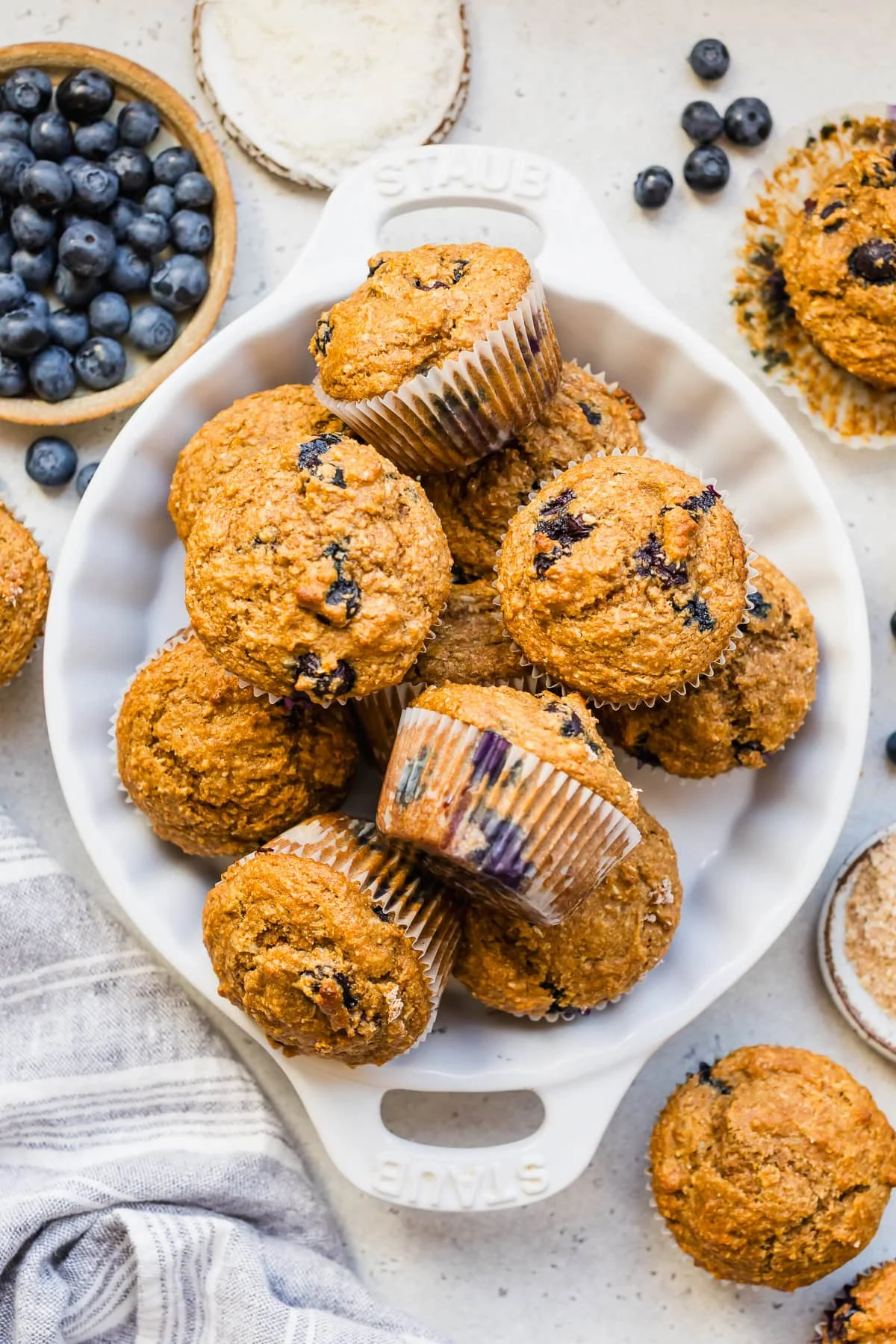
The evolution of home baking has seen a significant shift toward the re-evaluation of traditional, fiber-dense ingredients, specifically wheat bran, which has transitioned from a staple of industrial-era breakfast tables to a contemporary focus for health-conscious culinary development. Recent shifts in consumer behavior indicate a growing preference for nutrient-dense, lower-calorie morning options that do not sacrifice the sensory experience of traditional baked goods. The following analysis examines the mechanics, nutritional implications, and cultural history of the blueberry bran muffin, a recipe that serves as a case study for balancing fiber intake with modern dietary preferences.
Historical Context and the Role of Fiber
Bran, the hard outer layer of the cereal grain, is rich in dietary fiber, B vitamins, and essential minerals. Historically, bran muffins became a household staple in mid-20th-century North America, often marketed as a functional food designed to promote digestive health. In the decades that followed, the popularity of these muffins fluctuated as commercial versions often became synonymous with high sugar content and caloric density, effectively neutralizing the health benefits of the fiber-rich base.
Modern culinary adaptations, such as those emphasizing the integration of honey as a natural sweetener and applesauce as a fat substitute, represent a departure from these high-calorie iterations. This pivot aligns with broader public health guidelines, which currently recommend a daily fiber intake of 25 to 30 grams for adults, a goal that the average diet often fails to meet. By incorporating whole grains and fruit into a familiar format like the muffin, home bakers and food scientists alike are attempting to bridge the gap between "healthy" dietary choices and the psychological satisfaction of comfort food.
The Science of Moisture and Texture
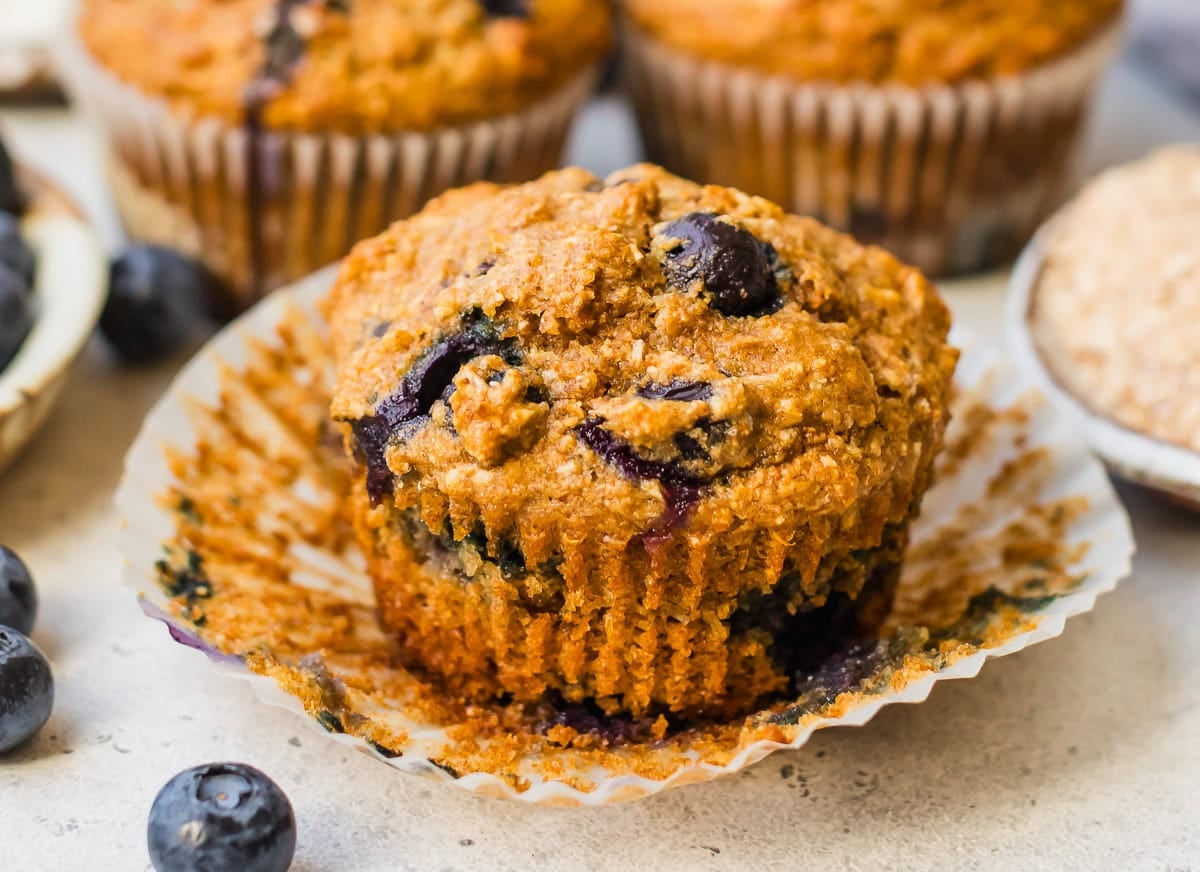
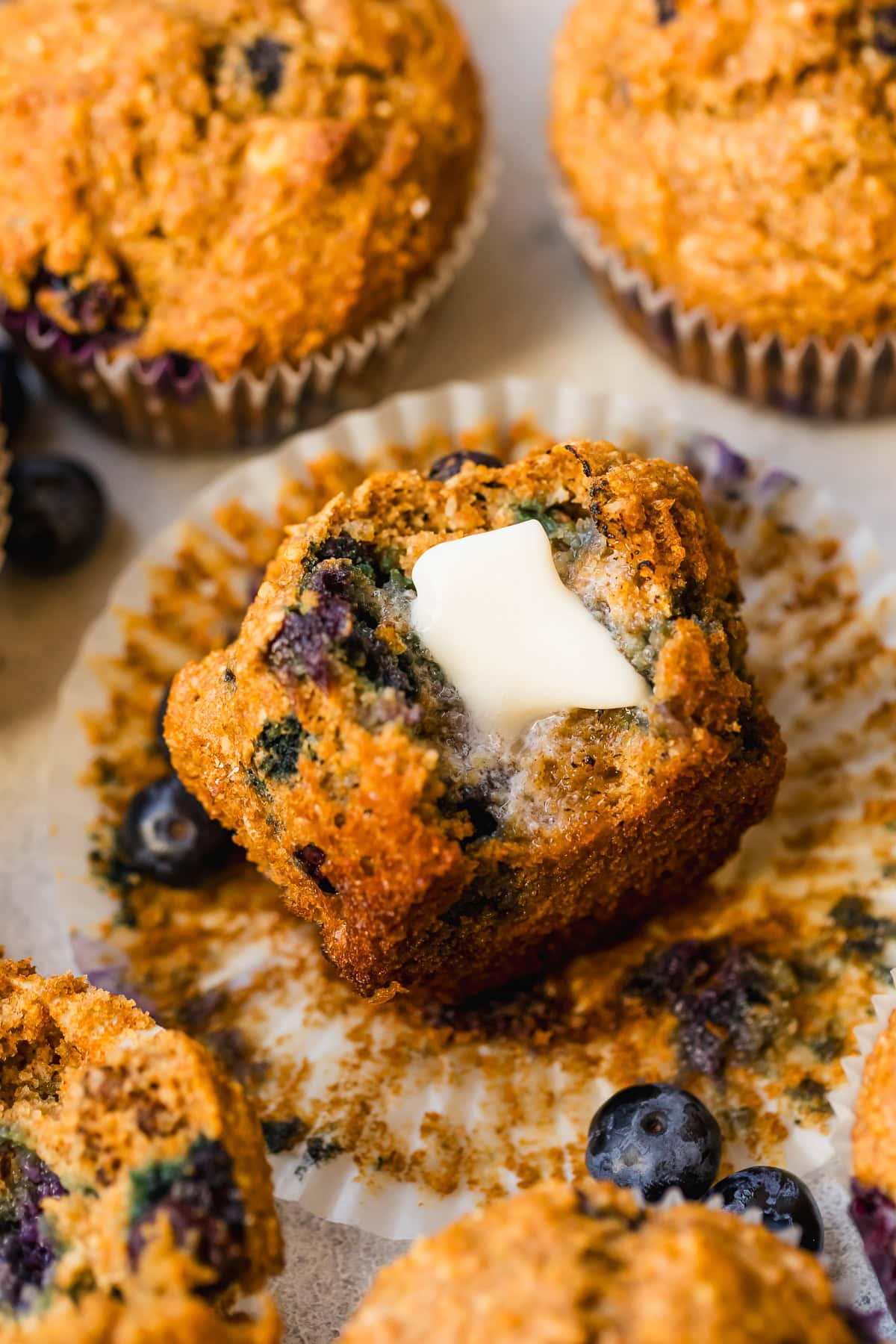
One of the primary challenges in baking with high-fiber ingredients like bran is the tendency for the finished product to become dry or coarse. Bran is highly absorbent; if not properly hydrated, it can result in a muffin with a sandy or crumbly texture. The integration of moisture-retentive agents is essential to achieving a palatable product.
In professional and refined home-baking practices, the inclusion of fruit purees—specifically applesauce—acts as a fat-replacer. This not only reduces the overall caloric count but also preserves the structural integrity of the crumb. When combined with the natural sugars found in honey, which is hygroscopic (attracting and holding onto water molecules), the muffin maintains a moist shelf-life that surpasses traditional sugar-based recipes. Furthermore, the addition of coconut flakes introduces a source of healthy fats and texture that complements the fibrous nature of the bran, providing a multifaceted sensory experience.

Nutritional Profile and Dietary Implications
From a nutritional standpoint, a single standard blueberry bran muffin, when prepared with the aforementioned modifications, typically contains approximately 140 to 150 calories. This profile is distinct from standard commercial muffins, which can often exceed 400 calories due to higher fat concentrations and larger portion sizes.
A breakdown of the nutritional components illustrates the balance achieved:
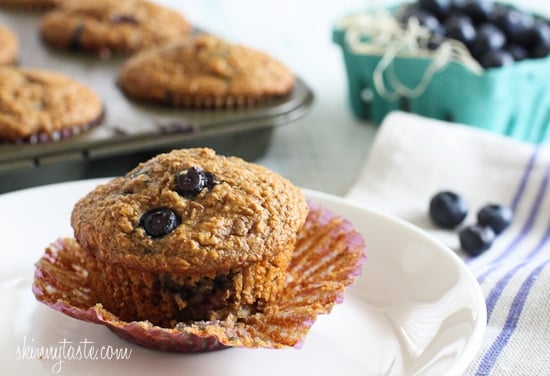
- Fiber: With roughly 3 grams of fiber per serving, these muffins contribute to satiety and improved glycemic control.
- Macronutrient Balance: By utilizing applesauce to displace heavy fats, the saturated fat content is kept to a minimum, typically hovering around 2.5 grams per serving.
- Protein: While not a primary protein source, the inclusion of grains and modest amounts of dairy or egg components provides a baseline of approximately 3 grams of protein.
These metrics suggest that such recipes serve as an effective vehicle for incorporating essential nutrients into a standard breakfast routine without the volatility in blood sugar associated with refined-flour pastries.
Culinary Methodology and Best Practices
The preparation of these muffins follows a classic "muffin method" approach, which emphasizes the separation of dry and wet ingredients before integration. This process is crucial for preventing the over-development of gluten, which would otherwise result in a tough, dense muffin rather than a tender one.

The inclusion of fresh blueberries provides not only flavor and antioxidants but also a "burst" of moisture during the baking process. When frozen, these muffins retain their moisture levels significantly better than many other baked goods, making them a preferred choice for meal-prep enthusiasts. The ability to store and subsequently toast these muffins—often on a griddle or in a skillet—replicates the traditional luncheonette preparation method, adding a layer of texture that many consumers find desirable.
Economic and Consumer Trends
The resurgence of interest in homemade, fiber-rich baked goods is part of a larger trend toward "mindful consumption." As food costs rise, the economic viability of meal prepping has gained traction. Ingredients such as bran, flour, honey, and seasonal berries remain relatively accessible, providing a high-utility, low-cost breakfast option.
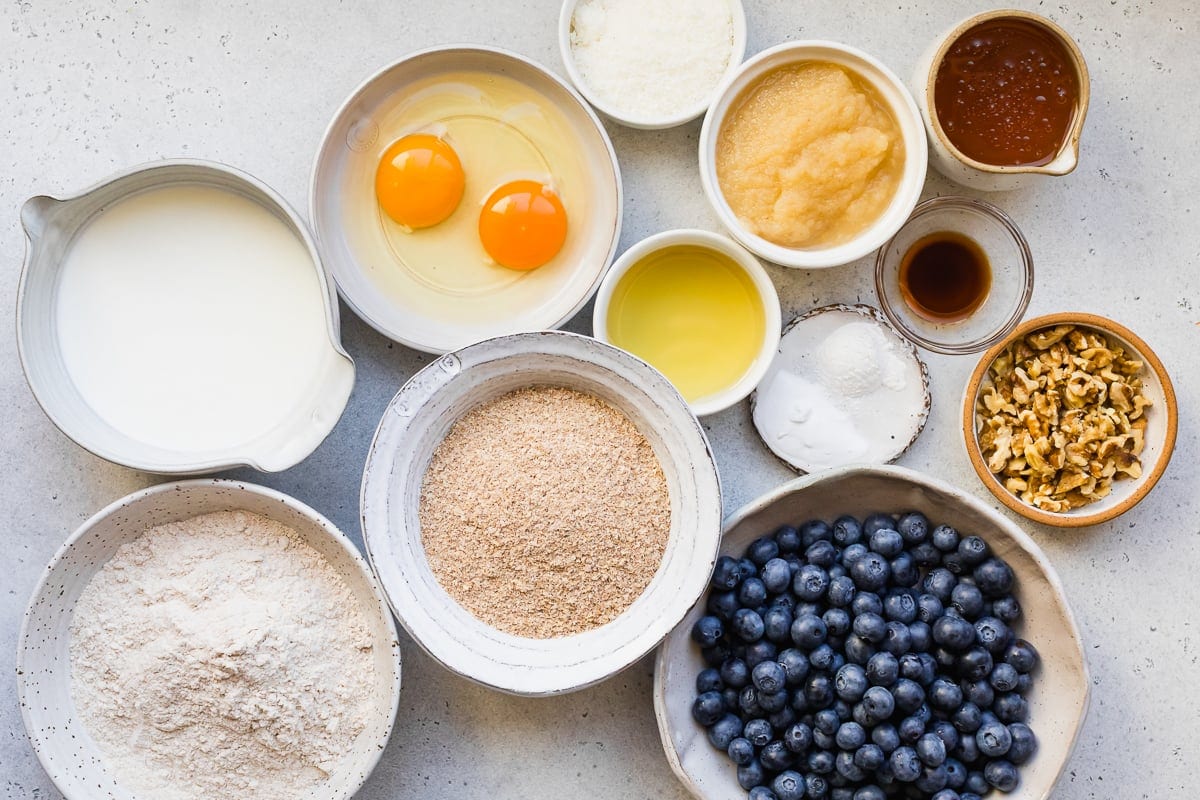
Market analysis suggests that there is a sustained demand for recipes that offer transparency regarding ingredient lists. Unlike store-bought muffins, which may contain preservatives and high-fructose corn syrup, the homemade bran muffin allows for total control over the glycemic load and ingredient quality. This trend is further supported by the proliferation of online platforms and digital culinary resources that provide the nutritional data necessary for consumers to track their intake.
Broader Impact on Home Baking
The transition from traditional, calorie-dense recipes to these refined, health-conscious versions highlights a broader shift in domestic culinary practices. As consumers become increasingly educated about the impact of dietary fiber and refined sugars, the "bran muffin" has been successfully rehabilitated from a dull, dry health food to a versatile, customizable breakfast staple.
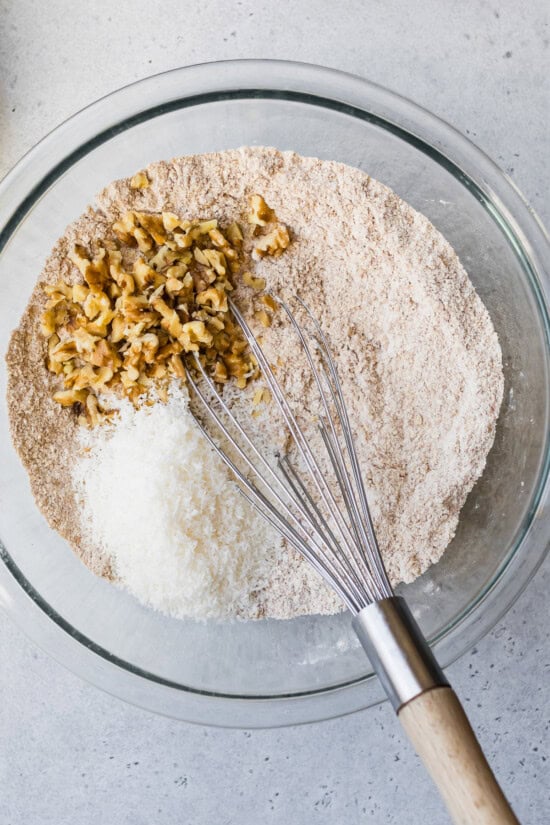
Future developments in this space are likely to involve the further integration of ancient grains and alternative sweeteners, as well as an increased focus on the environmental impact of ingredient sourcing. For now, the blueberry bran muffin stands as a testament to the fact that nutritional density and culinary enjoyment are not mutually exclusive. By applying basic principles of food science—hydration, fat replacement, and proper mixing techniques—home bakers can create a product that satisfies both the physiological need for fiber and the psychological desire for a warm, comforting breakfast.
Ultimately, the popularity of this recipe format is a reflection of the modern consumer’s desire for efficiency, health, and familiarity. Whether served at a family breakfast table or integrated into a weekly meal prep plan, the blueberry bran muffin serves as a functional, sustainable, and satisfying component of a balanced diet.
