

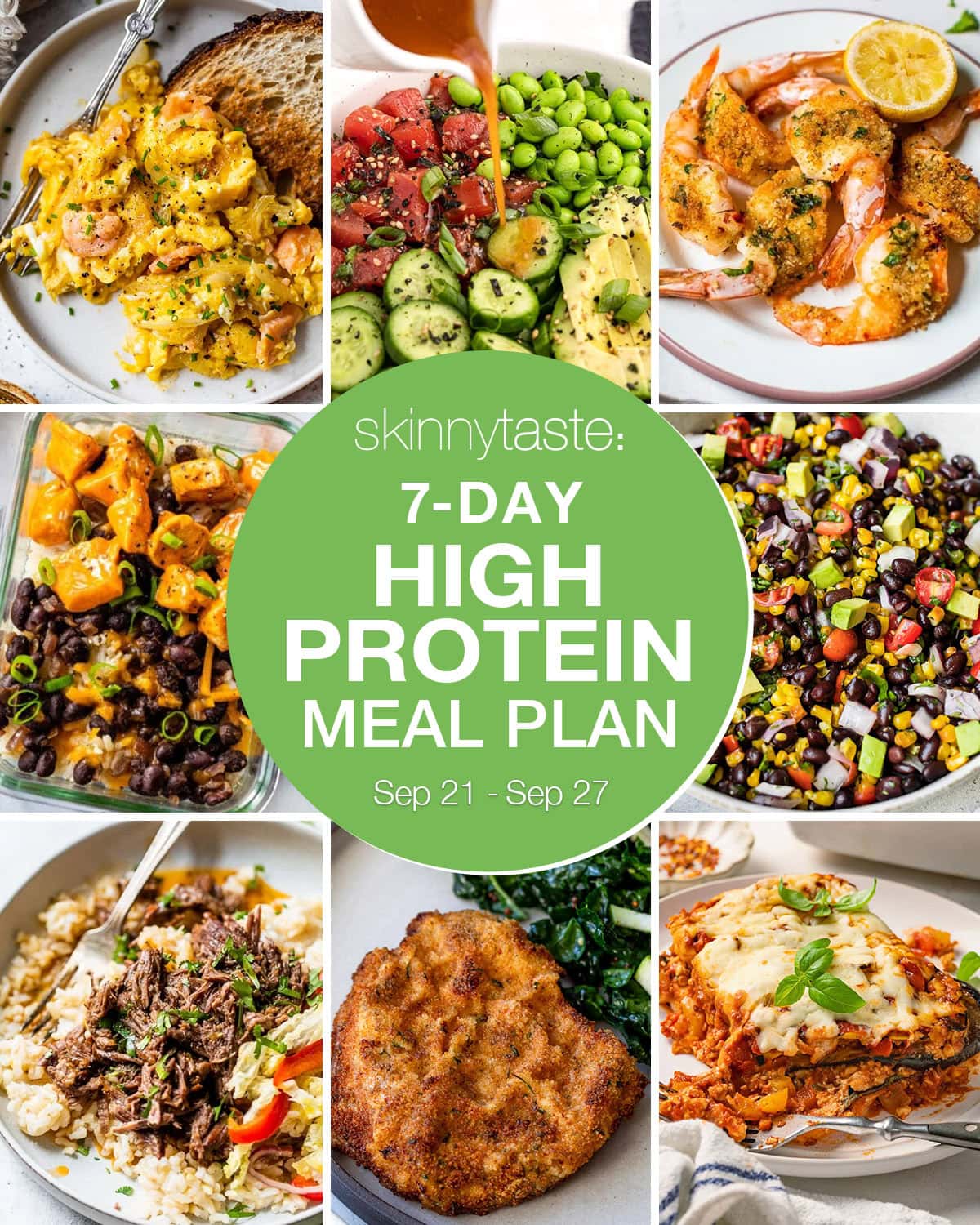
As the seasonal transition from summer to autumn begins, dietary habits often shift toward heartier, nutrient-dense meals that provide sustained energy. To address the growing consumer interest in protein-centric nutrition, a new 7-day high-protein meal plan has been released, offering a structured approach to balanced eating. The plan includes a full range of breakfast, lunch, and dinner options, complete with nutritional macros and Weight Watchers point calculations to assist individuals in managing their dietary goals during the change of seasons.
The Role of Protein in Metabolic Health
Scientific research consistently underscores the importance of adequate protein intake for body composition and metabolic maintenance. Protein is essential for muscle protein synthesis, particularly for individuals engaged in regular physical activity or those aiming to preserve lean muscle mass during weight management. By distributing protein intake evenly throughout the day—targeting approximately 30 grams per meal—individuals can improve satiety levels, which often reduces the likelihood of compensatory snacking on high-calorie, low-nutrient foods.
Current guidelines from organizations such as the National Institutes of Health suggest that protein requirements vary based on age, sex, and activity level. While the recommended dietary allowance (RDA) for the average adult is 0.8 grams of protein per kilogram of body weight, those seeking muscle hypertrophy or recovery often benefit from higher ranges, typically between 1.2 and 2.0 grams per kilogram. This new meal plan aims to bridge the gap for those struggling to hit these targets by integrating protein-rich ingredients like lean poultry, legumes, and dairy into standard, home-cooked recipes.
Seasonal Integration and Meal Strategy
The transition into fall often triggers a physiological preference for "comfort foods." This meal plan capitalizes on this shift by incorporating slow-cooker recipes such as traditional Sancocho and Beef Barley soup. Slow cooking serves as a practical methodology for time-constrained households, allowing for the preparation of nutrient-dense meals that remain tender and flavorful.
The strategy employed here involves a modular approach: breakfast and lunch are designed as single-serving portions for individual consistency, while dinner recipes cater to a family-sized model. This dual-track preparation method is intended to minimize food waste and optimize the efficiency of the weekly shopping list.
Nutritional Tracking and Weight Watchers Integration
A significant challenge in long-term dietary adherence is the complexity of manual calorie and macronutrient tracking. The integration of Weight Watchers (WW) points into this plan provides a simplified metric for participants to monitor their intake without the fatigue often associated with rigid calorie counting.
Recent updates to the WW points system—which now includes a broader array of zero-point whole foods—have necessitated a recalibration of existing recipe databases. The current plan utilizes the official WW recipe builder, ensuring that users receive real-time, accurate point totals. This synchronization between digital tools and meal preparation reflects a broader trend in health-tech, where static meal plans are being replaced by dynamic, app-linked resources.

Guidelines and Safety Considerations
While high-protein diets are effective for many, they are not universally appropriate. Healthcare professionals emphasize that individuals with pre-existing renal (kidney) or hepatic (liver) conditions, as well as those suffering from metabolic disorders like gout, must exercise caution. Increased nitrogen waste products from high protein consumption require efficient renal clearance. Consequently, those with reduced kidney function are advised to consult with a physician or a registered dietitian before initiating a significant shift in dietary habits.
Furthermore, the caloric baseline of this plan—approximately 1,500 calories per day—is intended as a generalized framework rather than a universal requirement. Metabolic needs are highly individualized, influenced by basal metabolic rate (BMR), thermic effect of food (TEF), and physical activity levels. Experts recommend that users utilize validated calculators, such as those provided by MyPlate.gov, to establish a baseline that aligns with their personal health objectives.
Organizational Tools for Long-term Adherence
Beyond the immediate 7-day meal plan, there is a clear demand for organizational infrastructure in domestic nutrition. The introduction of standardized meal planning grids and grocery lists serves to reduce the "decision fatigue" that often leads to the consumption of ultra-processed convenience foods.
Industry data suggests that meal planning is one of the most effective interventions for improving diet quality. By documenting intentions—and including space for personal affirmations—users are more likely to maintain consistency over the long term. This approach mirrors behavioral psychology techniques that emphasize the importance of preparation and routine in forming lasting health habits.
Chronology of the 7-Day Protocol
The meal plan follows a structured progression to ensure nutritional diversity:
- Monday (Sept 21): Focuses on high-satiety breakfast options, such as protein-forward quesadillas, transitioning into balanced lunch bowls and a vegetable-dense lasagna for dinner.
- Tuesday (Sept 22): Introduces cottage cheese-based breakfast bowls to maximize protein density, followed by braised beef preparations for dinner.
- Wednesday (Sept 23): Employs a leftover-management strategy, repurposing the braised beef with cauliflower rice to maintain nutritional targets without extra prep time.
- Thursday (Sept 24): Incorporates lean protein sources like pork, paired with fibrous kale and apple salads to support digestive health.
- Friday (Sept 25): Shifts toward seafood, utilizing shrimp and tuna-based recipes to provide omega-3 fatty acids alongside high-quality protein.
- Saturday (Sept 26): Adjusts for the typical weekend schedule, offering more flexible, brunch-style options like lox and eggs, while accounting for dining out.
- Sunday (Sept 27): Concludes the week with fiber-rich zucchini oats and a robust dinner of whole-wheat pasta with sausage, setting the stage for the upcoming week.
Broader Implications for Public Health
The release of this meal plan represents a shift in how nutrition information is disseminated to the public. By moving away from restrictive "diet culture" and toward a focus on macronutrient balance and sustainable preparation methods, these resources empower individuals to take agency over their health.
As the population continues to navigate the complexities of modern food environments, the synthesis of reliable data—such as accurate macros and point-based systems—alongside practical, seasonal recipes provides a viable roadmap for health improvement. Future developments in this space are expected to focus on further personalization through AI-driven meal planning, which could eventually tailor these 7-day cycles to an individual’s specific biometric data and blood glucose responses.
For now, the focus remains on the foundational elements of success: consistency, the use of whole-food ingredients, and the careful monitoring of protein intake to support both physical strength and metabolic longevity. Those participating in the plan are encouraged to join community forums to share experiences, which adds a social accountability component—a proven factor in successful weight management and lifestyle change.
