
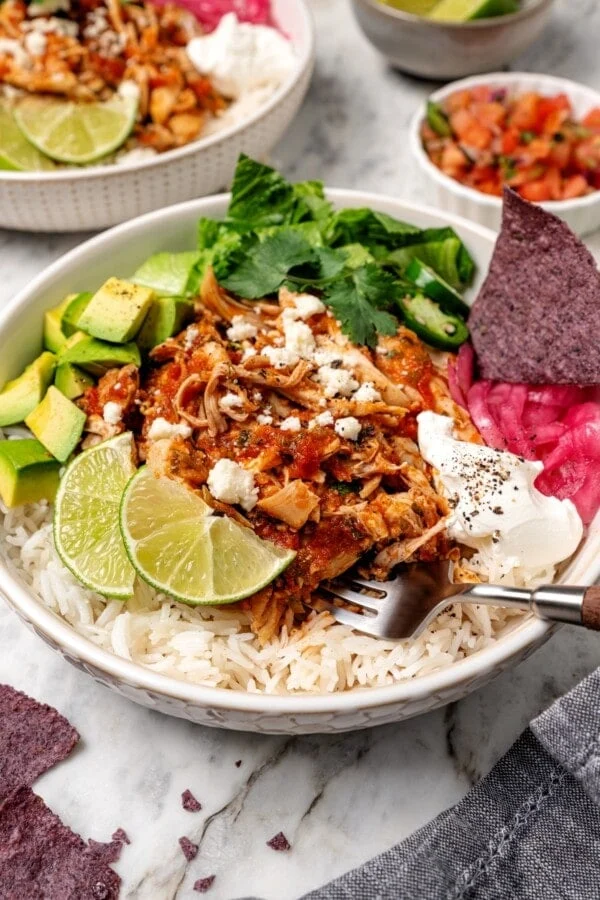
The culinary landscape for home cooks has been fundamentally altered by the proliferation of slow-cooking technology and a consumer demand for high-protein, low-effort meal solutions. Among the most popular iterations of this trend is the emergence of two-ingredient base recipes that leverage convenience items—specifically jarred salsa and lean protein—to provide a nutritionally balanced foundation for various meals. This dish, colloquially known as crockpot salsa chicken, has transcended its origins as a "hack" to become a cornerstone of modern meal-prep strategies.
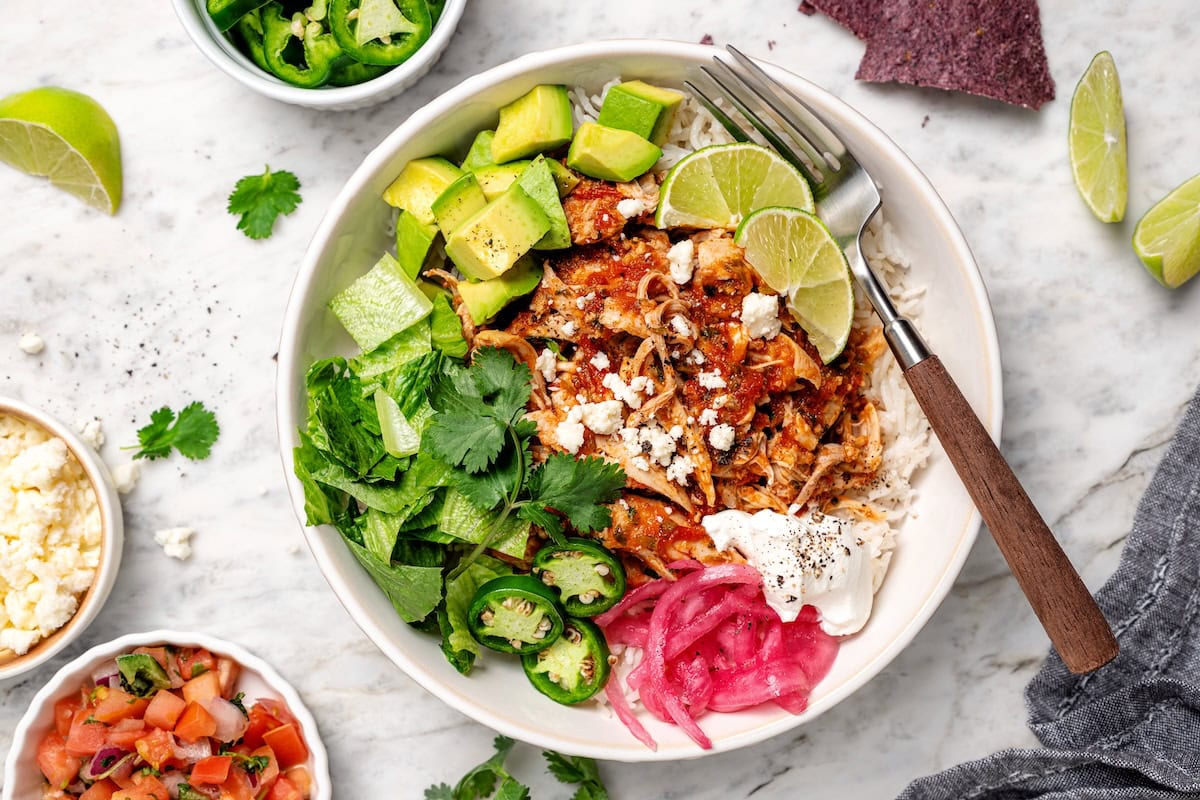
Historical Context and Evolution of the Recipe
The origin of slow-cooked salsa chicken traces back to the early 2010s, a period marked by the rise of influential food blogs and the widespread adoption of the programmable crockpot. The dish was developed as a direct response to the "busy weeknight" paradigm, where households sought to reduce kitchen labor without sacrificing protein intake. By utilizing boneless, skinless chicken thighs—a cut favored for its moisture retention during long cooking cycles—home cooks were able to produce shredded meat with minimal active intervention.
Over the last decade, the recipe has evolved from a niche cooking tip into a staple for health-conscious consumers. Its popularity is bolstered by the nutritional profile of the primary ingredients: chicken thighs provide a high-quality protein source, while salsa offers a low-calorie, vegetable-based flavor agent that eliminates the need for complex sauces or heavy fats.
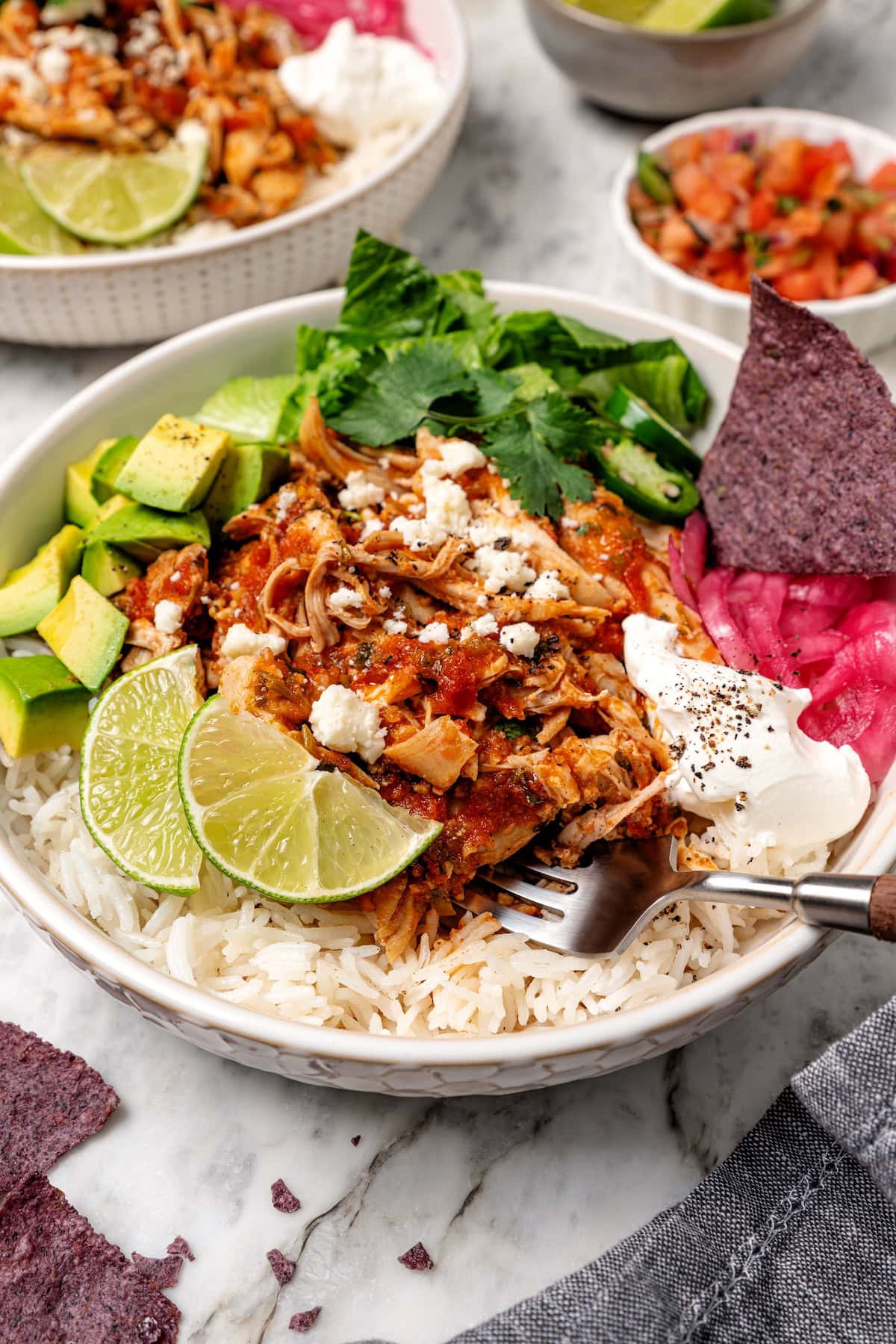
Technical Breakdown and Preparation Logistics
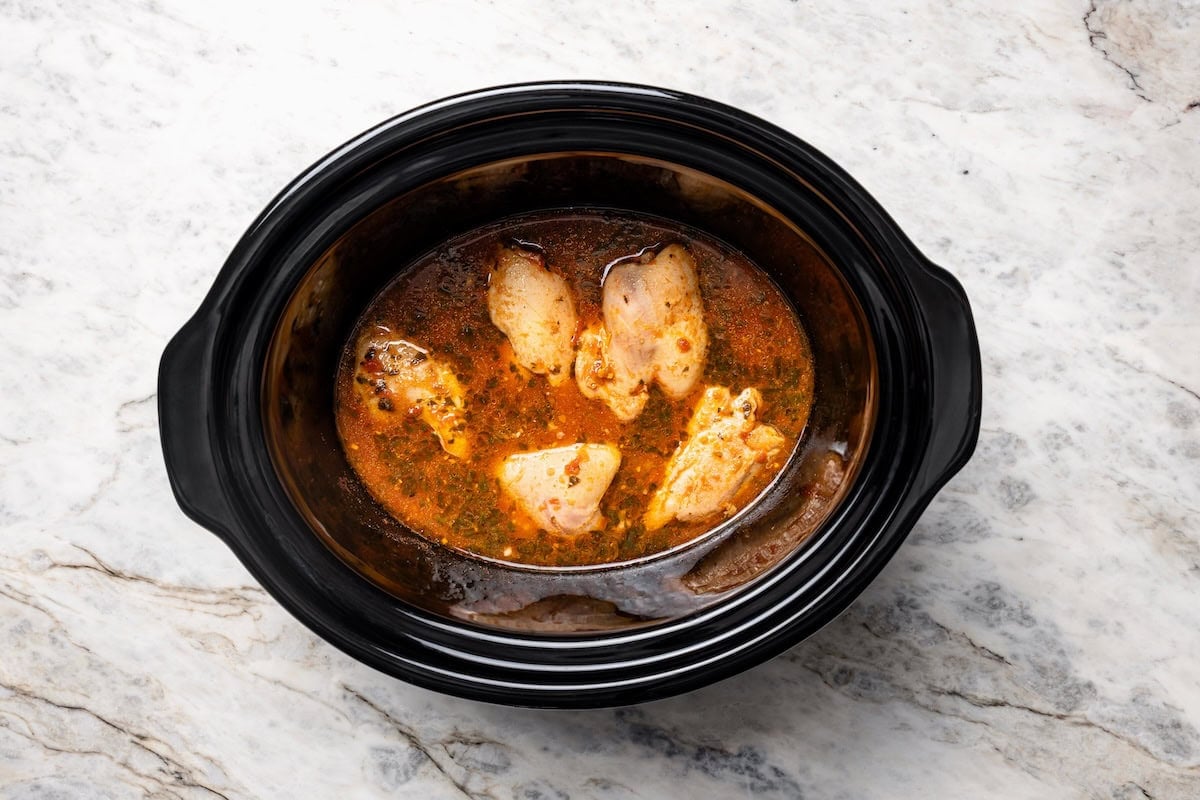
The process relies on the slow, moist heat of the crockpot to break down the connective tissues in the chicken. Data regarding slow-cooker performance suggests that the ideal temperature for this process is the "low" setting, which maintains a temperature range typically between 190°F and 200°F.
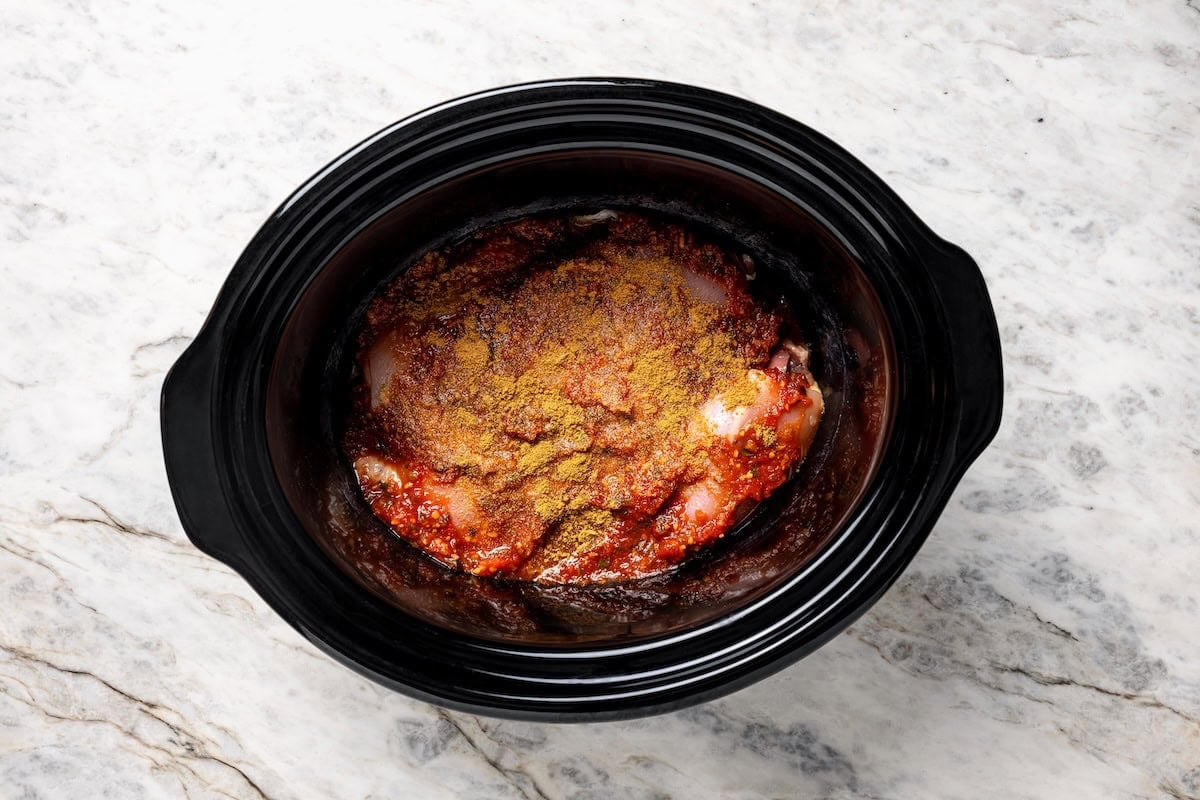
Preparation requires minimal effort:

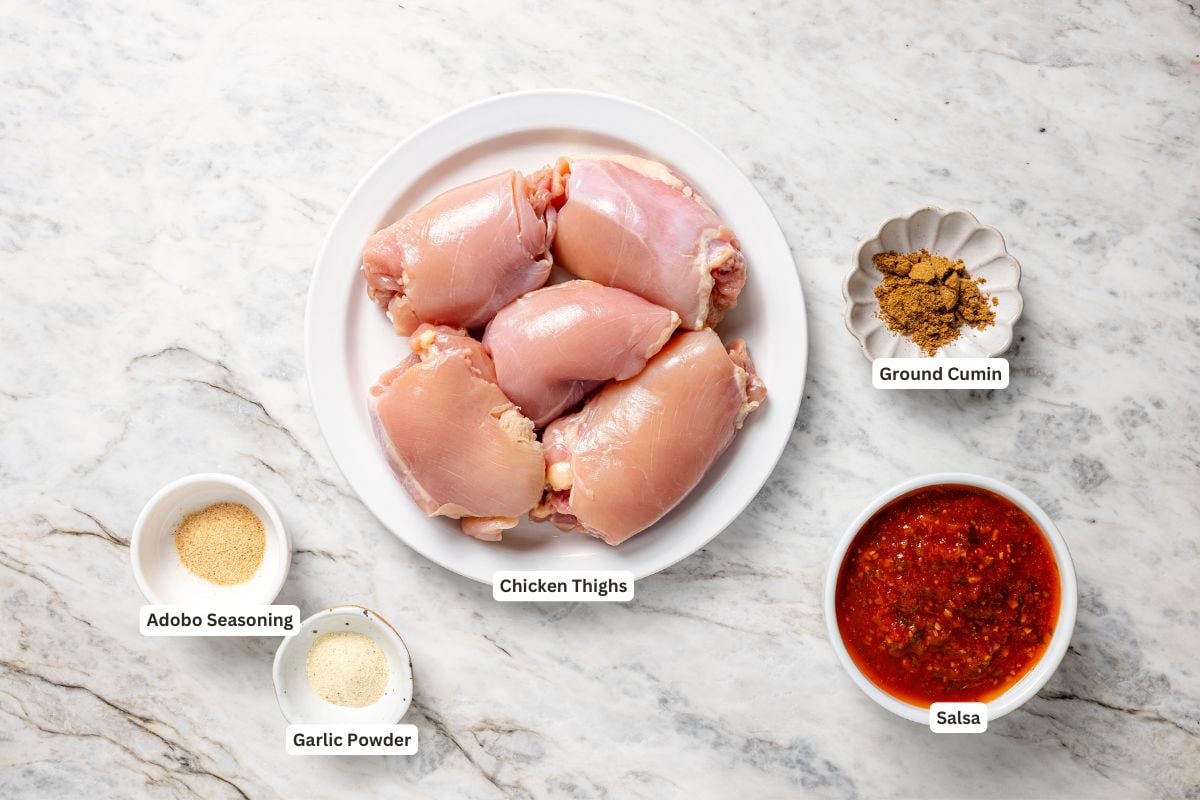
- Selection of Protein: While boneless chicken thighs are recommended for their fat content and tenderness, lean chicken breasts serve as a viable, albeit lower-fat, alternative.
- Flavor Infusion: The integration of jarred salsa provides an immediate infusion of aromatics, including tomatoes, onions, jalapeños, and cilantro.
- Spicing Protocols: Supplementary dry seasonings, such as cumin, chili powder, or garlic powder, are often added to standardize the flavor profile regardless of the specific brand of salsa utilized.
- Time Requirements: The standard cooking duration is four hours on the "low" setting. This duration is sufficient to ensure food safety standards are met while preventing the protein from becoming over-processed or dry.
Nutritional Analysis and Health Implications
From a nutritional standpoint, the dish offers a favorable macronutrient distribution. A typical serving, approximately one-half cup of prepared chicken, contains roughly 187 calories. The protein content is notably high at 30 grams per serving, making it an efficient choice for individuals adhering to high-protein diets or those focused on muscle recovery and metabolic health.
Furthermore, the carbohydrate count remains low, at approximately 3 grams per serving, with 1 gram of fiber. The inclusion of salsa adds minimal sugar and sodium, though nutritionists advise selecting low-sodium jarred options to better manage the overall salt intake of the meal. Because the dish is prepared without added oils or butter, the fat content—roughly 8 grams—is largely derived from the chicken itself, with a minimal saturated fat component of 0.5 grams.

The Role of Modern Kitchen Technology
The success of this recipe is deeply intertwined with the development of programmable slow-cooking appliances. Modern models, such as the Hamilton Beach Set ‘n Forget series, have introduced features that directly impact the quality of results. The inclusion of internal temperature probes allows the appliance to automatically shift to a "warm" setting once the chicken reaches the required internal temperature of 165°F. This technological intervention prevents the meat from overcooking, which is the most common failure point in traditional slow cooking.
Broader Impact on Meal Prep Culture
The rise of "batch cooking" or meal prepping has been a significant driver in the adoption of this recipe. By preparing large quantities of salsa chicken, individuals can automate their protein intake for the work week. This preparation method addresses the "decision fatigue" that often leads consumers to choose less healthy, processed convenience foods.
The versatility of the final product allows it to function as a base for various cuisines:
- Tex-Mex Applications: Utilized in tacos, burritos, or as a topping for nachos.
- Grain-Based Bowls: Served over brown rice, quinoa, or cauliflower rice for a balanced lunch.
- Salads: Used as a high-protein topping for greens, replacing traditional cold-cut meats.
Strategic Scalability and Storage
A key advantage of this recipe is its scalability. Doubling the quantity of chicken does not require an increase in the cooking time, provided the slow cooker has sufficient capacity. This makes it an ideal candidate for large-scale preparation. Once cooked, the chicken can be portioned into airtight containers and refrigerated for up to four days or frozen for up to three months.
Industry experts in home economics suggest that the ease of this process encourages long-term adherence to home-cooking habits. By reducing the "barrier to entry"—the time and cognitive load required to prepare a healthy meal—this recipe serves as an effective tool for those looking to transition away from dining out.
Conclusion and Future Outlook
As the food industry continues to emphasize transparency and whole-food ingredients, simple, two-ingredient recipes are likely to maintain their relevance. The crockpot salsa chicken model demonstrates that high-quality, protein-dense meals do not require complex culinary techniques or extensive preparation time.
Future developments in this area may focus on regional variations—such as the incorporation of salsa verde or fire-roasted tomato varieties—as well as the integration of multi-cooker devices like the Instant Pot, which offers the same results in a fraction of the time. Regardless of the cooking vessel, the core principle remains the same: leveraging accessible ingredients to achieve consistent, nutritionally dense results. For the modern consumer balancing a fast-paced lifestyle, this recipe remains a reliable and highly effective culinary solution.
