
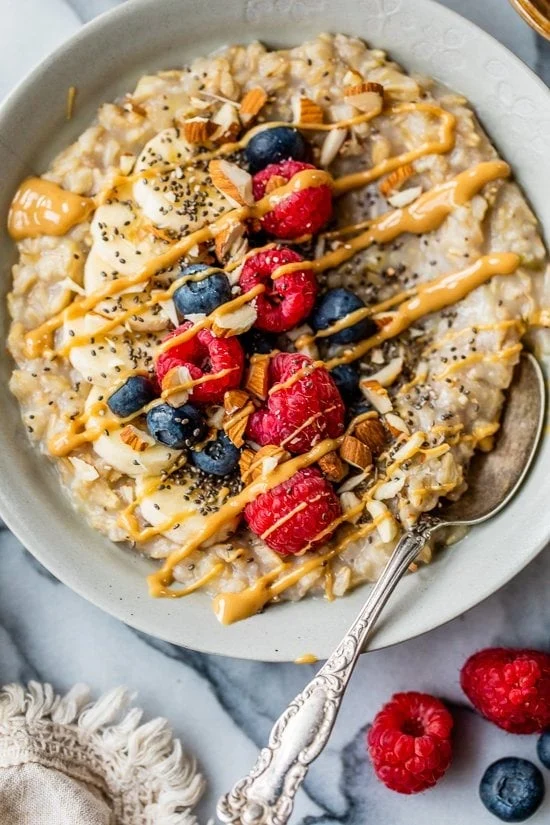
Oats have long been recognized as a cornerstone of a heart-healthy diet, serving as a versatile, fiber-rich staple that has evolved from a simple porridge to a cornerstone of modern nutritional planning. As global interest in preventative health and sustainable dietary habits continues to rise, oats remain a primary recommendation by nutritionists and public health organizations for managing cholesterol levels, stabilizing blood sugar, and promoting long-term satiety. This comprehensive analysis explores the nutritional profile of oats, the diverse methods of preparation, and the practical implications of integrating this whole grain into a structured meal plan.

The Nutritional Science of Oats
The primary appeal of oats lies in their unique biochemical composition. Unlike refined carbohydrates, oats are a powerhouse of beta-glucan, a type of soluble fiber that has been clinically proven to lower low-density lipoprotein (LDL) cholesterol levels. According to data from the American Heart Association and the U.S. Food and Drug Administration, the inclusion of beta-glucan in a daily diet is associated with a significantly reduced risk of cardiovascular disease.

Beyond fiber, oats provide a complex array of essential micronutrients, including manganese, which is critical for bone formation and metabolic regulation; magnesium, which supports muscle and nerve function; and iron, which is essential for oxygen transport in the blood. For individuals striving to meet the recommended daily intake of 25 to 30 grams of fiber, a single serving of oatmeal acts as a foundational element, often providing one-third of the daily requirement before the day has even begun.

Understanding Oat Varieties and Their Culinary Applications
The diversity of oat products available on the commercial market—ranging from steel-cut to instant varieties—can often lead to confusion regarding nutritional value and texture. Understanding these differences is essential for effective meal planning.

- Steel-Cut Oats: These are the least processed form of the grain. The oat groats are simply sliced into smaller pieces using steel blades. Because the bran and germ remain intact, they retain a dense, chewy texture and require a longer cooking time—typically 20 to 30 minutes on a stovetop or several hours in a slow cooker.
- Rolled Oats: Also known as "old-fashioned" oats, these are steamed and flattened. They offer a balance between cooking time and texture, absorbing liquid readily while maintaining some structural integrity.
- Quick Oats: These are processed further by being rolled thinner and cut into smaller pieces. While they offer the convenience of a one-minute cook time, they possess a softer, mushier texture compared to their counterparts.
- Oat Flour: Increasingly popular in gluten-free baking, oat flour is created by finely grinding whole, rolled, or quick oats. It maintains the fiber profile of the original grain, making it a superior alternative to bleached white flour in muffins, pancakes, and breakfast bars.
Evolution of Oatmeal Consumption: A Chronological Perspective
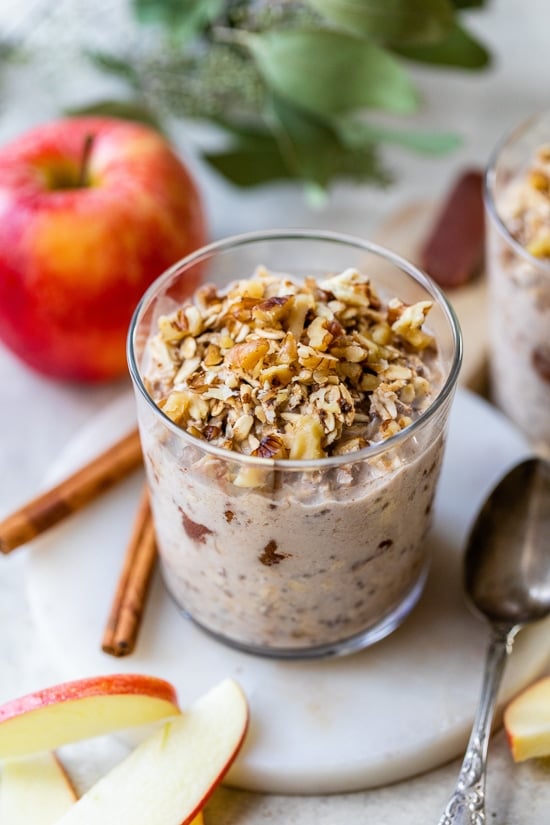
The consumption of oats dates back to the Bronze Age, but the modern "oatmeal culture" began to shift in the early 21st century with the rise of the "overnight oats" trend. This method, which involves soaking oats in liquid (such as milk, yogurt, or water) for an extended period, revolutionized breakfast for busy professionals. By allowing the oats to soften through absorption rather than heat, this process preserves the raw enzymatic activity of the grain and provides a grab-and-go convenience that fits contemporary schedules.
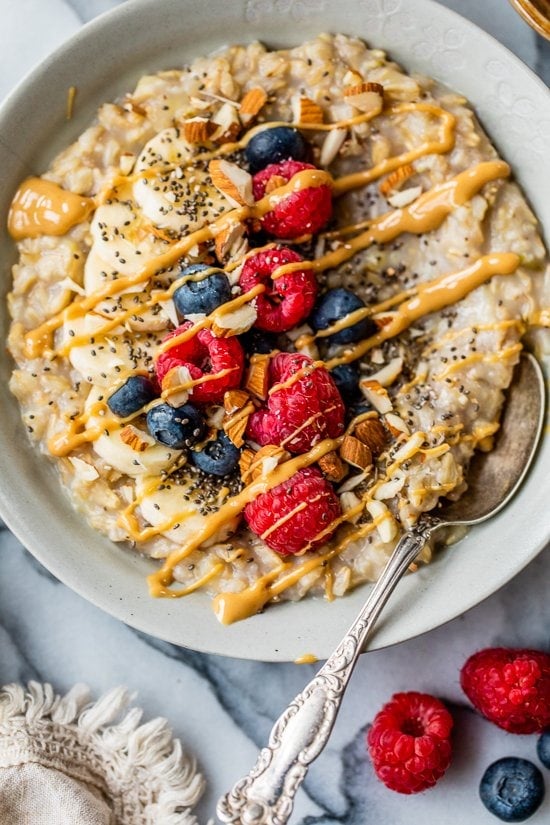
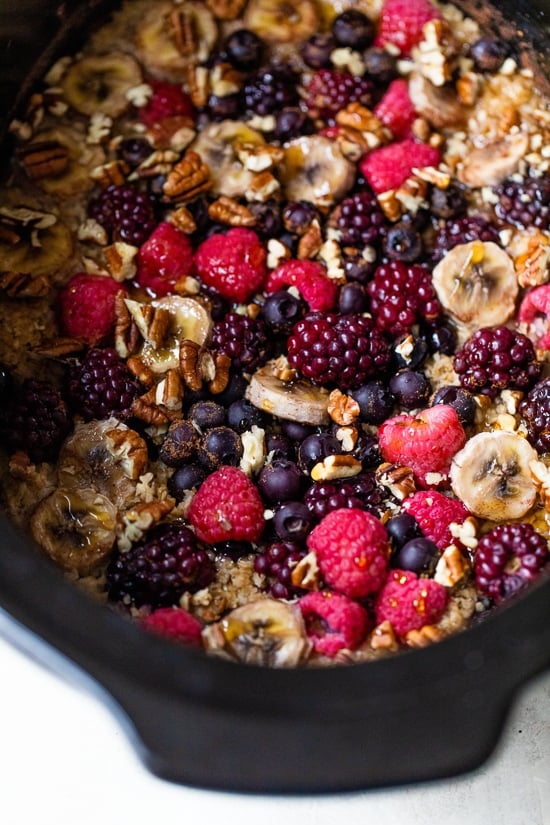
The subsequent introduction of the Instant Pot and high-end slow cookers further accelerated the popularity of steel-cut oats. Previously, the 30-minute stovetop requirement was a deterrent for many consumers. Technological advancements in kitchen appliances have enabled users to automate the cooking process, allowing for the consistent production of large batches, which supports the broader "meal prep" movement that dominates current health-conscious culinary trends.
Addressing Dietary Restrictions: The Gluten-Free Question
A significant point of concern for consumers with Celiac disease or gluten sensitivity is the classification of oats as "gluten-free." While oats are naturally gluten-free, the primary risk of contamination occurs during harvesting and processing in facilities that also handle wheat, barley, or rye.
Public health experts, including representatives from the Celiac Disease Foundation, emphasize that individuals with medical sensitivities must exclusively purchase products labeled "Certified Gluten-Free." This certification signifies that the manufacturer adheres to strict testing protocols to ensure that the final product contains less than 20 parts per million (ppm) of gluten, the threshold required to be deemed safe for those with Celiac disease.
Strategic Meal Integration and Macro-Nutrient Balancing
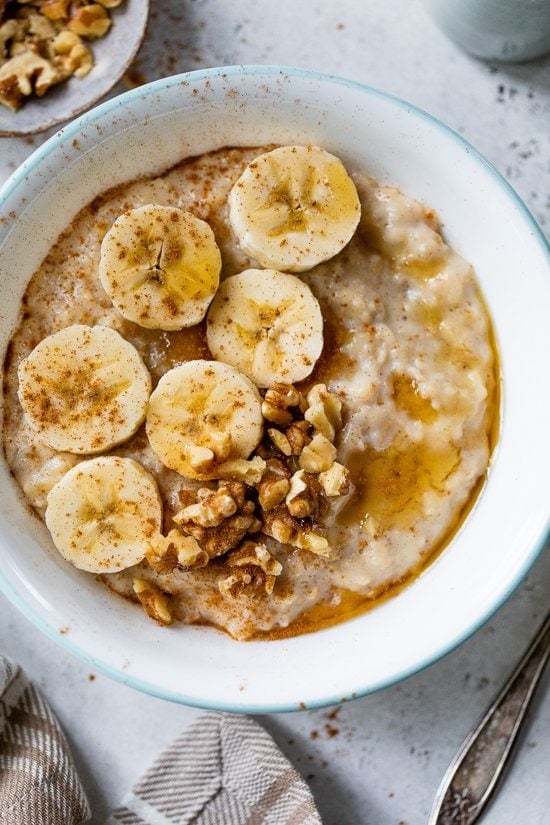
The effectiveness of an oat-based diet is often determined by the accompanying ingredients. A plain bowl of oats is a carbohydrate-dense meal; however, it is frequently criticized for lacking sufficient protein to sustain energy levels until lunch. Nutritionists suggest "fortifying" oatmeal to create a more balanced macronutrient profile.

- Protein Enrichment: Adding Greek yogurt, cottage cheese, or pasteurized egg whites (whisked into the oats while cooking) can significantly increase the protein content without altering the flavor profile.
- Healthy Fats: Incorporating chia seeds, flaxseeds, or crushed walnuts introduces essential Omega-3 fatty acids.
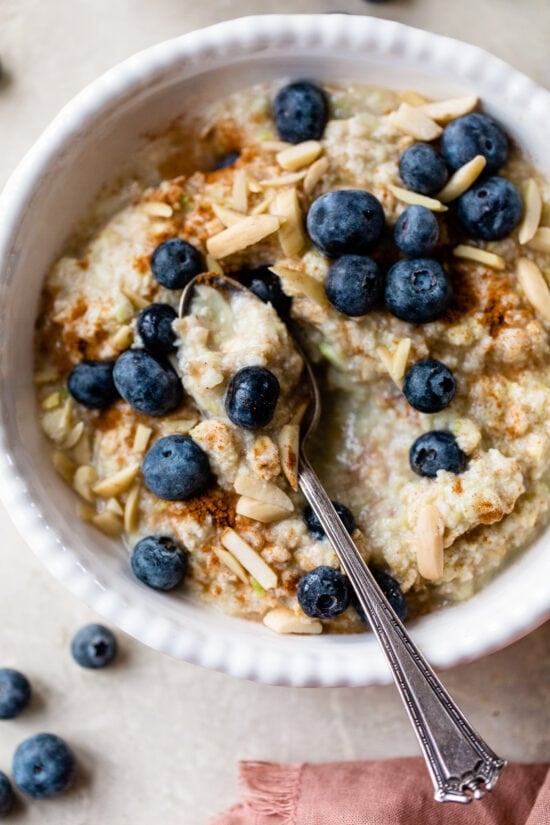
- Fiber Stacking: Combining oats with berries or grated vegetables, such as zucchini (often referred to as "zoats"), increases volume and fiber content, which helps in weight management and digestive health.
Broader Economic and Health Implications
The trend toward consuming more oats has had measurable impacts on both the agricultural sector and public health metrics. From an economic standpoint, the demand for high-quality, processed oats has incentivized producers to invest in better milling and packaging technologies. For consumers, the proliferation of "healthy" oat-based breakfast cookies and high-protein waffles has provided a viable alternative to ultra-processed, sugar-laden breakfast cereals.
Analysis of dietary patterns suggests that when individuals replace refined, sugary breakfast options with whole-grain oats, they experience a marked reduction in mid-morning glucose spikes. This stabilization is critical for the long-term management of insulin sensitivity and the prevention of Type 2 diabetes. Furthermore, the low cost of oats compared to other breakfast staples like eggs or specialized protein bars makes them an accessible, democratic health intervention, capable of reaching diverse socioeconomic demographics.
Professional Guidance on Meal Planning
To maximize the benefits of an oatmeal-heavy diet, meal planning should be iterative. Experts recommend:
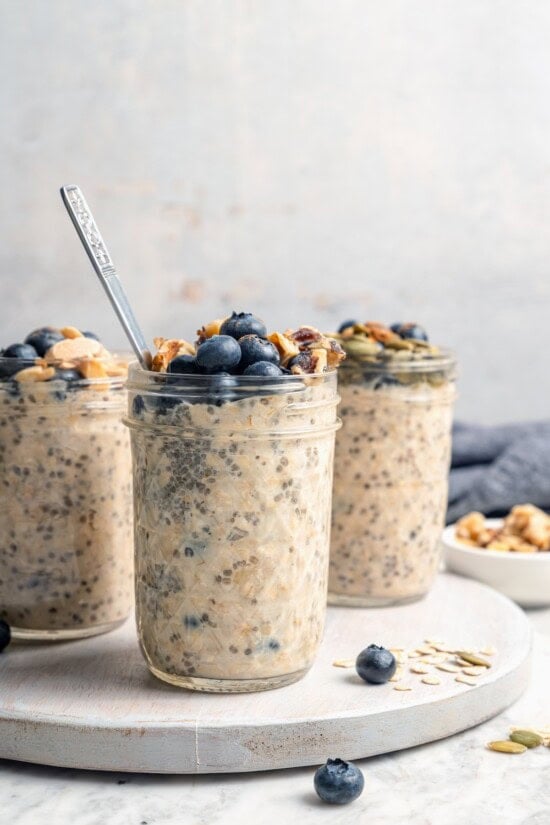
- Batch Cooking: Preparing a large portion of steel-cut oats on Sunday to be stored in the refrigerator for the week.
- Controlled Sweetening: Utilizing natural sweeteners such as fresh fruit or moderate amounts of maple syrup, rather than refined sugars.
- Variety in Texture: Utilizing oat flour for baking on weekends and overnight oats for busy workdays to maintain consistency without monotony.
As the food industry continues to innovate, the humble oat is likely to remain at the forefront of healthy eating initiatives. Whether through the integration of protein-rich "power bowls" or the development of gluten-free baked goods, the adaptability of the oat ensures its relevance in the diets of those seeking longevity and sustained energy. Through careful selection, appropriate preparation, and balanced ingredient pairing, oatmeal remains an unparalleled tool for personal health optimization.
