
The modern consumer landscape is increasingly defined by a preference for convenience without the sacrifice of quality. As busy professionals and families alike navigate the pressures of time-sensitive morning routines, the demand for high-quality, "bakery-fresh" breakfast items that require minimal preparation has surged. In this climate, warehouse retailers have pivoted their bakery strategies to compete directly with boutique artisanal shops. Sam’s Club, a division of Walmart Inc., has significantly expanded its private-label bakery offerings under the "Member’s Mark" brand, focusing on high-volume, cost-effective pastry solutions that utilize quality ingredients such as real butter and premium chocolate.
An analysis of customer sentiment, sales volume, and ingredient transparency reveals five standout items that dominate the retailer’s breakfast category. These products not only serve as convenient morning staples but also represent a significant shift in how wholesale clubs manage inventory to maintain the perception of fresh, small-batch quality at a scale that reaches millions of members annually.
The Economic Appeal of Wholesale Bakery Goods
The core value proposition for Sam’s Club bakery items lies in the price-per-unit metric. With most of these pastries priced between 40 and 60 cents per serving, the retailer offers a substantial discount compared to traditional supermarkets, where similar items often command double or triple the price. This pricing strategy is achieved through bulk procurement and localized production cycles, which reduce waste and overhead.
Industry analysts note that by maintaining a "fresh-baked" standard, the company encourages recurring foot traffic. The ability for members to purchase a case of items—sometimes even at a discount if bought in bulk quantities directly from the bakery department—positions these products as a logistical advantage for households that prioritize both budgeting and efficiency.
Member’s Mark Chocolate Croissants
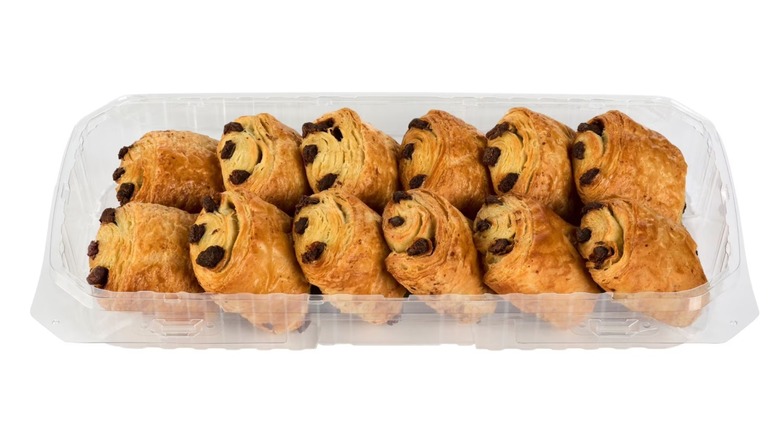
The Member’s Mark Chocolate Croissants have emerged as a flagship product since their introduction in early 2026. These pastries are designed to replicate the traditional French pain au chocolat, utilizing a laminated dough process that creates the characteristic flaky layers. Each croissant is embedded with three distinct bars of semi-sweet chocolate, providing a consistent distribution of flavor.
From a culinary standpoint, the success of this item is attributed to its versatility. While many pre-packaged pastries suffer from a "stale" texture upon purchase, the high fat content from the butter-based dough allows for significant recovery when subjected to brief heat in an oven or air fryer. The product’s popularity is evidenced by social media trends, where users frequently document the "one-day consumption" phenomenon, highlighting the product’s high palatability. At approximately $5.54 for a 12-count box, the item remains a primary driver of the bakery section’s success.
Member’s Mark Danish Variety Pack
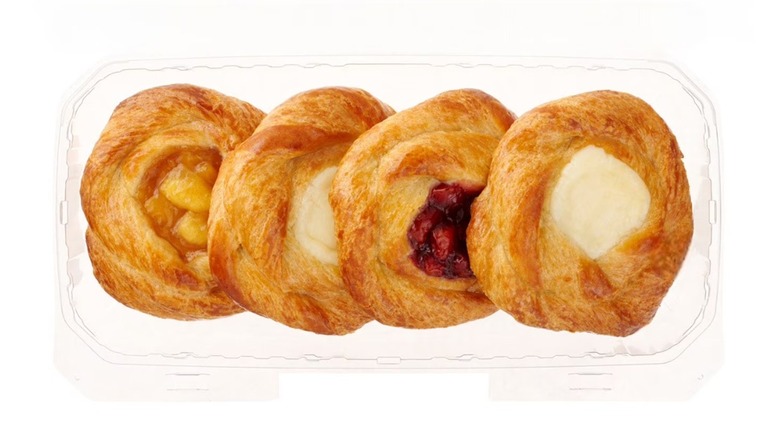
The Danish Variety Pack addresses the issue of consumer fatigue by providing a mix of flavor profiles—cheese, apple, and cherry—in a single $5.98 package. The production of these items adheres to a recipe that prioritizes butter as a primary ingredient, a notable deviation from cheaper, mass-produced competitors that often rely on vegetable oil shortenings.
The inclusion of both fruit-based and cream-based fillings serves a broader demographic, allowing for a communal breakfast experience. Data suggests that the cheese Danish serves as the anchor for this variety pack, while the apple variant, noted for its cinnamon-forward profile and chunky texture, appeals to those seeking a more traditional dessert-like breakfast. Because these pastries are structurally stable, they have become a staple for freezer-stocking, with many consumers reporting that they retain their integrity even after weeks of frozen storage.
Duchess Honey Buns
While the Member’s Mark brand dominates the store’s internal offerings, the inclusion of Duchess Honey Buns represents a strategic partnership with established snack-cake manufacturers to provide a more "nostalgic" breakfast option. Unlike the laminated croissants, honey buns utilize a yeast-raised, fried dough base that provides a chewier, denser texture.
The competitive advantage of the Duchess product line lies in its shelf-stable convenience and individual packaging, which makes them ideal for on-the-go consumption. Consumer feedback consistently ranks these above competing mass-market brands, citing a superior icing-to-dough ratio and a more pronounced honey profile. Retailing at approximately $7.18 for a 12-count box, the item is marketed toward households with school-aged children or individuals who prioritize grab-and-go convenience over artisanal preparation.
Member’s Mark Tart & Sweet Apple Turnovers
The apple turnover has long been a staple of the American breakfast, but the Member’s Mark iteration differentiates itself through a focus on the filling-to-pastry ratio. Each turnover is constructed with a puff pastry shell that is dusted with sugar, which undergoes caramelization during the baking process.
The product is frequently cited in online forums as a "best-value" item, particularly when promotions lower the price point to roughly 50 cents per unit. The culinary versatility of this item is a significant draw; while it is consumed as a standalone breakfast pastry, the manufacturer and consumer base alike encourage the use of these turnovers as a base for more elaborate desserts, such as pairing them with vanilla ice cream or a warm caramel drizzle. This dual-purpose utility has bolstered the item’s demand, positioning it as both a breakfast and an evening treat.
Member’s Mark All Butter Sandwich Croissants
The All Butter Sandwich Croissant is perhaps the most utilitarian item in the bakery’s inventory. While some consumers debate the comparative quality of warehouse-club croissants, the Member’s Mark version has secured a loyal following due to its structural integrity. Unlike softer, more delicate pastries, these croissants are designed to handle the weight and heat of sandwich ingredients, such as eggs, cheese, and breakfast meats, without disintegrating.
Retailing for $5.96 for a 12-count pack, these items are frequently utilized as a base for meal-prepping. The product’s ability to be frozen and later reconstituted makes it a favorite among households that batch-prepare breakfast sandwiches for the week. The high butter content provides a necessary richness that masks the potential for dryness inherent in large-scale commercial baking, maintaining a reputation for quality that has survived multiple iterations of the product line.

Broader Implications for the Bakery Market
The success of these five products illustrates a broader trend in the retail industry: the "premiumization" of warehouse offerings. By focusing on ingredient quality—specifically the use of real butter and high-quality chocolate—Sam’s Club has successfully transitioned from being viewed as a "bulk-only" provider to a legitimate competitor for local bakeries.
The impact on the industry is two-fold. First, it forces traditional grocery retailers to reconsider their bakery pricing models to remain competitive. Second, it highlights the changing expectations of the modern shopper, who now demands a fusion of convenience, affordability, and sensory satisfaction. As inflation remains a concern for many households, the ability of these items to provide a high-quality "cafe experience" at home for under $1 per serving ensures their continued dominance in the marketplace.
Ultimately, the longevity of these products will depend on the retailer’s ability to maintain ingredient consistency and supply chain stability. As of 2026, the data suggests that these pastries are not merely incidental purchases but are instead intentional, repeat-buy items that anchor the consumer’s loyalty to the brand. Through careful product selection and an aggressive pricing strategy, the Sam’s Club bakery continues to set the benchmark for high-volume, high-quality breakfast solutions in the wholesale sector.
