
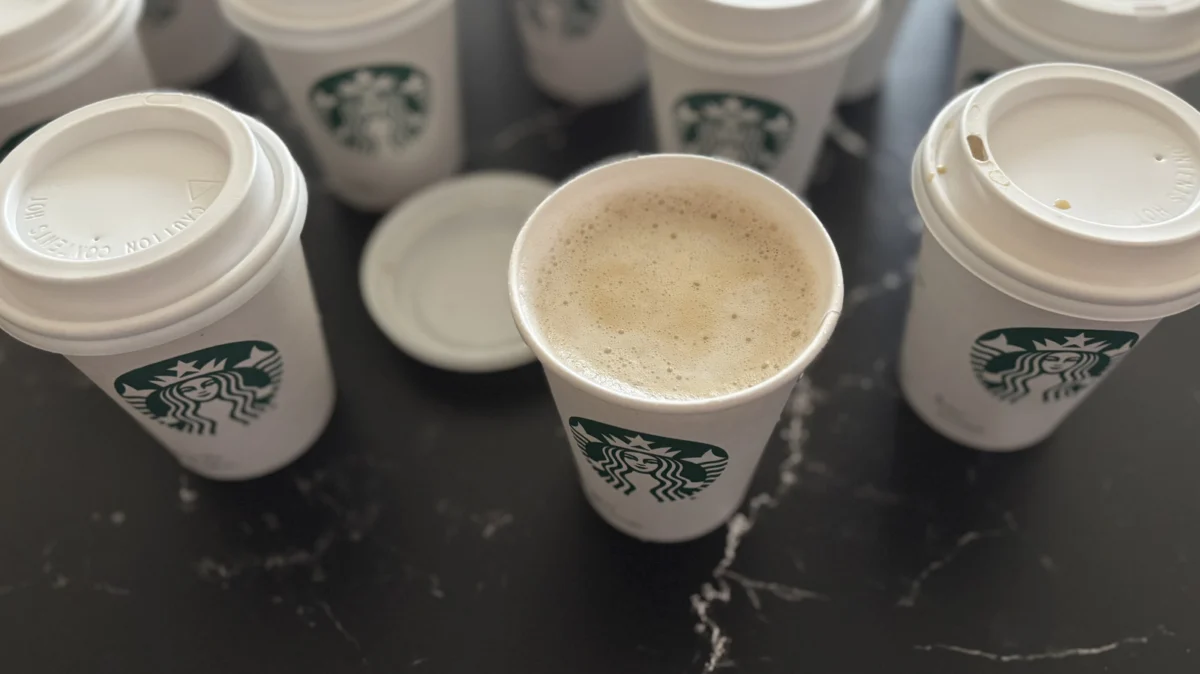
Starbucks Corporation, the world’s largest coffeehouse chain, maintains a dominant market position largely due to its expansive and frequently updated menu of espresso-based beverages. Central to this menu is the hot latte category, a staple of the global specialty coffee industry that has evolved from a simple combination of steamed milk and espresso into a diverse product line featuring seasonal syrups, alternative protein sources, and complex flavor profiles. As the company continues to navigate shifting consumer preferences and the rise of boutique coffee culture, the consistency and quality of its core offerings remain a focal point for both casual drinkers and industry analysts.
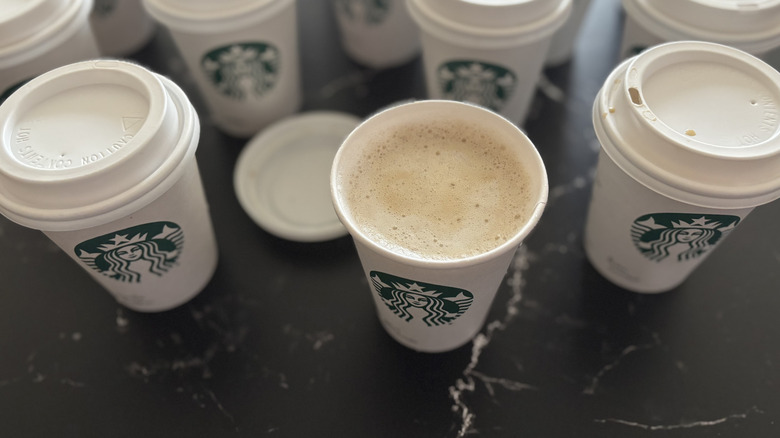
Evolution of the Latte at Starbucks
The history of the latte at Starbucks is intrinsically linked to the brand’s rapid international expansion during the 1990s and early 2000s. Originally marketed as a bridge for consumers transitioning from drip coffee to espresso, the latte provided a platform for customization. Over the last three decades, Starbucks has standardized its preparation methods, utilizing automated mastrena espresso machines to ensure that milk temperature and espresso extraction remain uniform across thousands of global locations.
The introduction of seasonal rotations, most notably the Pumpkin Spice Latte in 2003, fundamentally altered the coffee industry’s annual cycle, creating a new "autumnal" economic window. Today, the menu encompasses a spectrum ranging from the minimalist Caffe Latte—which relies solely on the quality of the roast and milk texture—to complex, dessert-inspired iterations that incorporate various syrups and dairy alternatives.
Comparative Analysis of Current Offerings
A comprehensive review of the current hot latte menu reveals significant variations in customer satisfaction and product execution. When evaluating these beverages, metrics such as flavor profile cohesion, balance between espresso and additives, and overall texture are paramount.
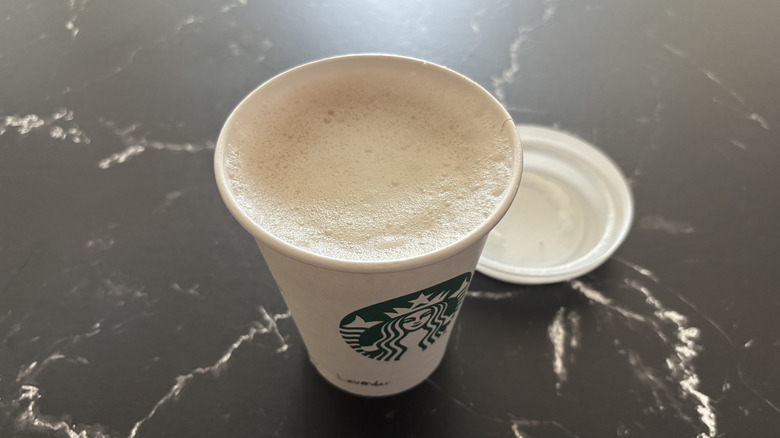
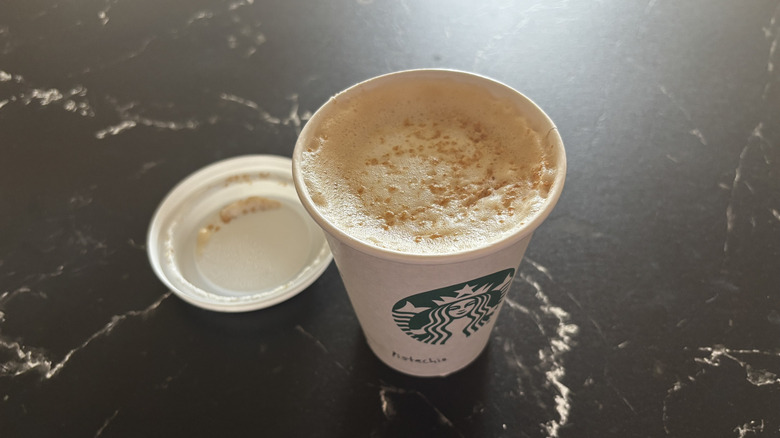
At the lower end of the performance spectrum, specialty options like the Pistachio Latte and the Lavender Latte have faced scrutiny regarding their ability to authentically replicate natural flavors. The Pistachio Latte, often criticized for failing to capture the nuance of the nut, frequently exhibits a muted profile that lacks the expected depth. Similarly, the Lavender Latte, while technically accurate in its floral notes, often presents an overwhelming sweetness that can obscure the foundational espresso. These findings suggest a recurring challenge for the company: balancing the consumer demand for bold, trendy flavors with the inherent bitterness of coffee.
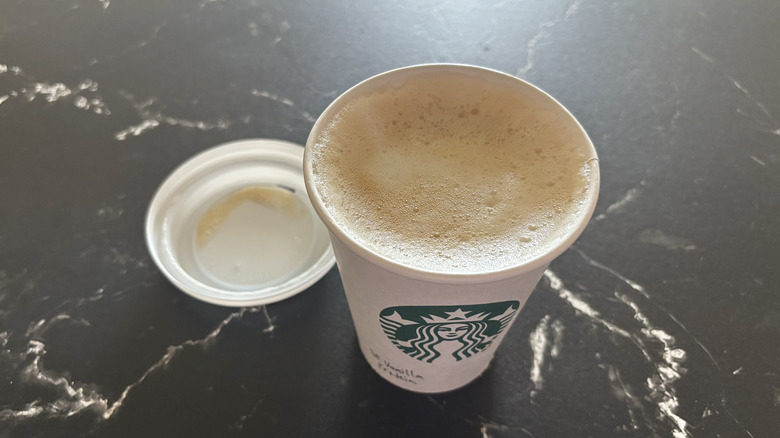
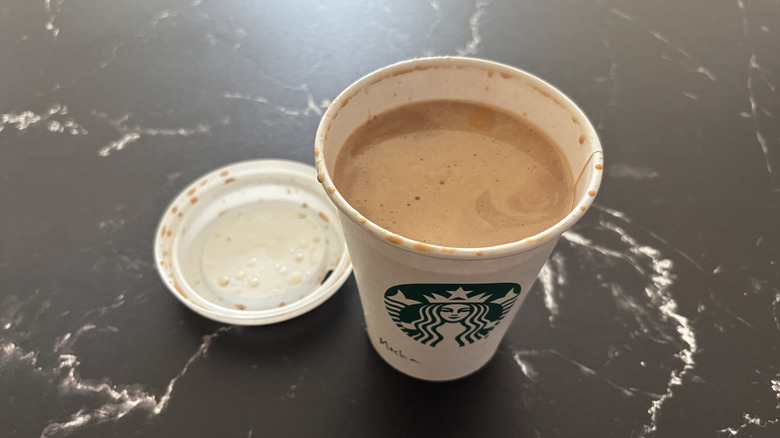
The mocha category, including the traditional Mocha and the White Chocolate Mocha, represents a long-standing segment of the Starbucks menu. However, these drinks often struggle with the "sweetness threshold." While the classic Mocha is designed to highlight the marriage of dark cocoa and espresso, recent iterations have been noted for an unbalanced bitterness, potentially due to changes in syrup formulation or preparation standards. The White Chocolate Mocha, conversely, remains a high-sugar favorite that, while popular for its decadent texture, serves as a point of contention for those prioritizing a more traditional coffee experience.
The Role of Functional and Dietary Modifications
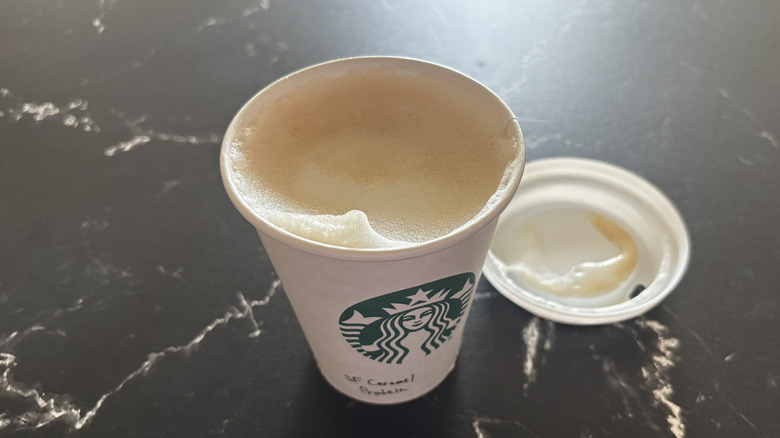
In response to the growing "protein-forward" health trend, Starbucks has integrated protein-infused milk options into its standard latte line. Products such as the Vanilla Protein Latte and the Caramel Protein Latte are designed to appeal to health-conscious commuters. However, the incorporation of these additives often alters the mouthfeel of the beverage, frequently resulting in a subtle, chalky aftertaste that differentiates them from their traditional counterparts.
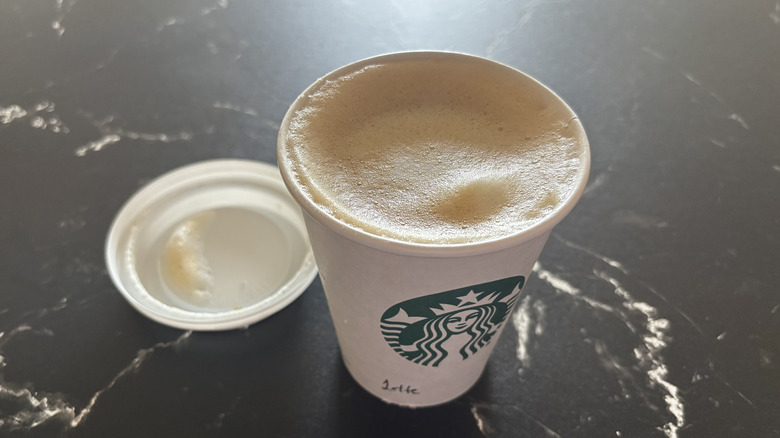
The existence of sugar-free variants for these protein-infused drinks highlights the company’s effort to cater to diverse dietary requirements, including keto-friendly and low-glycemic diets. Yet, from a sensory standpoint, the removal of sucrose often exposes the limitations of the underlying sugar-free syrups, which lack the syrupy viscosity that many consumers associate with premium coffee shop experiences.
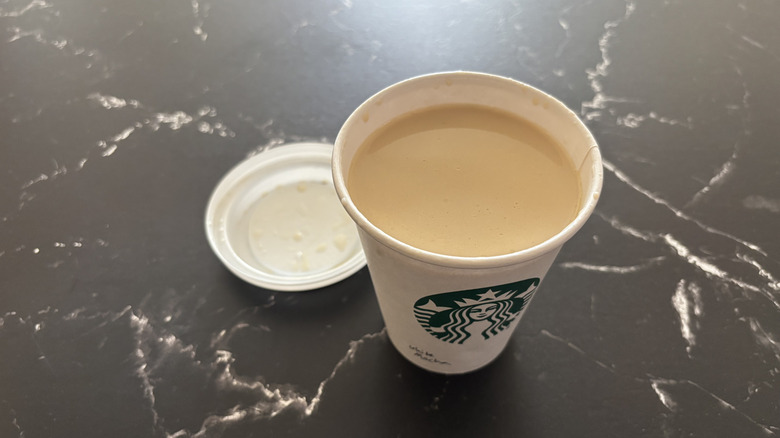
The Standard-Bearers: Consistent Performers
The mid-to-high-tier rankings within the Starbucks latte portfolio are dominated by beverages that successfully integrate flavor with the structural integrity of the latte. The Caffe Latte serves as the objective baseline; while some find it lacking in complexity, its simplicity allows for an unadulterated evaluation of the chain’s espresso roast.
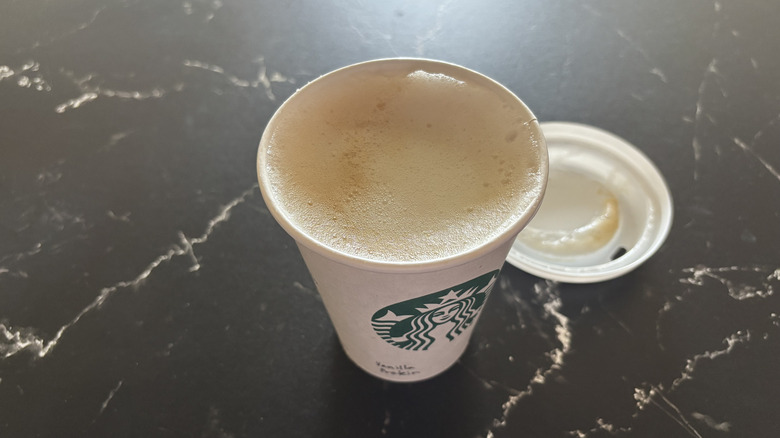
The Caramel Macchiato remains a cornerstone of the brand’s identity. Despite being essentially an "upside-down" latte, its popularity is supported by the strategic placement of caramel drizzle, which provides a consistent sensory reward with every sip. This beverage acts as a primary revenue driver, illustrating the success of layering flavors to create a "cozy" consumer experience.
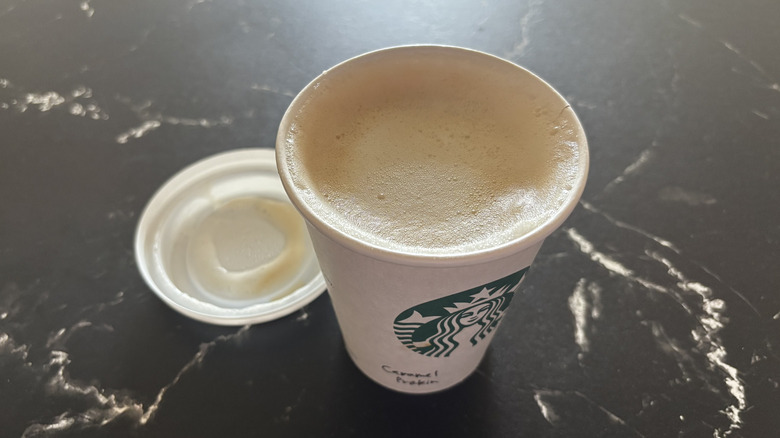
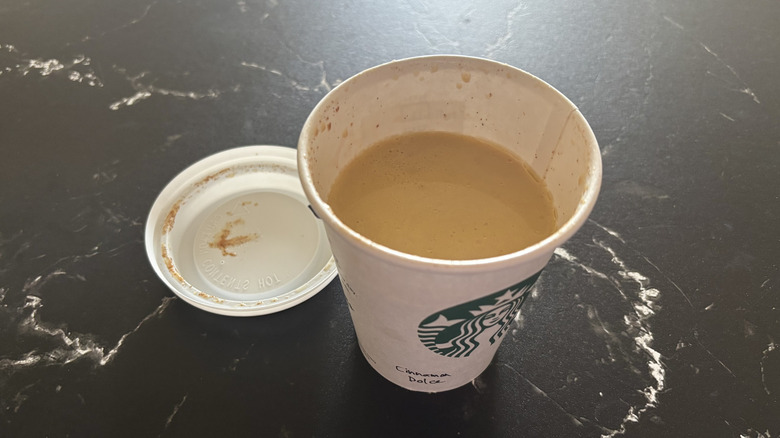
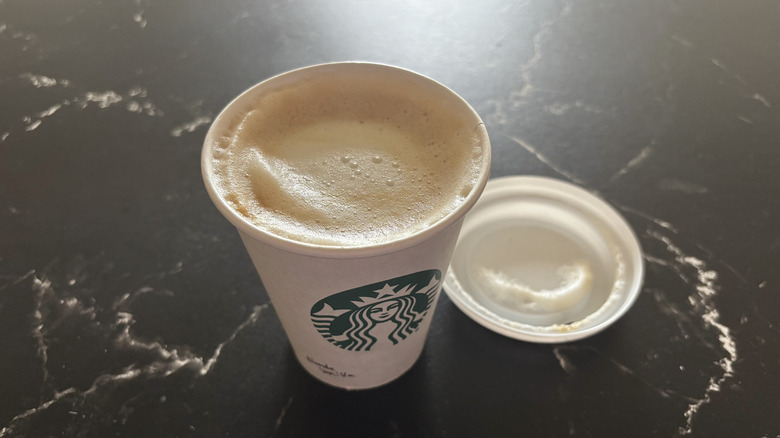
The Cinnamon Dolce Latte and the Blonde Vanilla Latte consistently receive high marks for balance. The Cinnamon Dolce, in particular, avoids the artificial "Red Hots" candy profile that often plagues cinnamon-flavored products, opting instead for a buttery, spice-forward finish. The Blonde Vanilla Latte benefits from the use of lighter-roast espresso, which provides a smoother, less acidic profile that complements the vanilla syrup without overwhelming the palate.
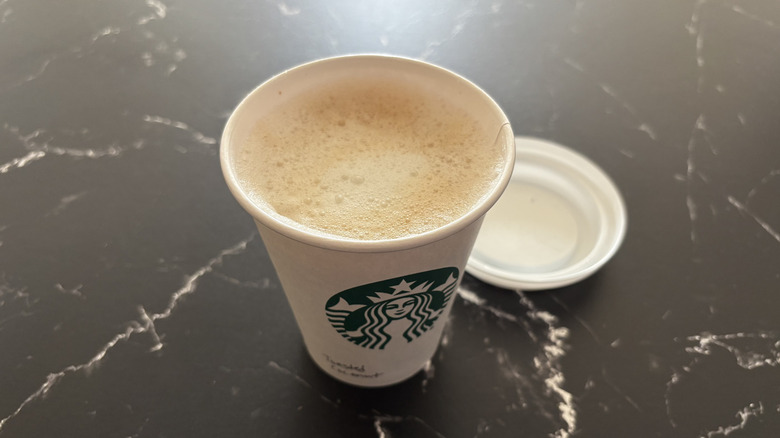
The Emergence of Seasonal Innovation
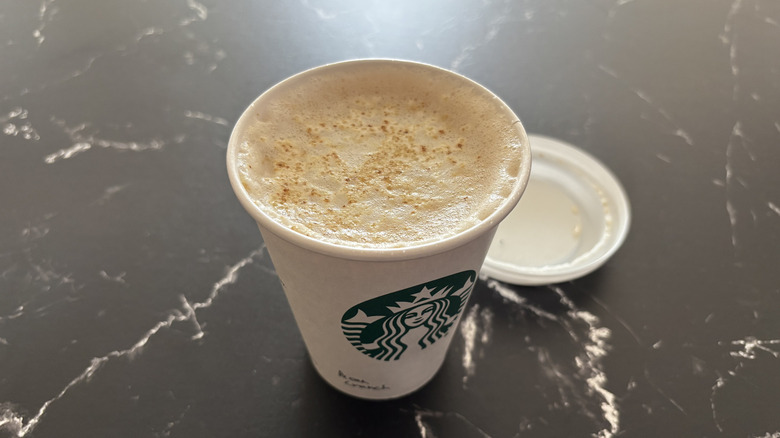
The top-ranked position of the Pecan Crunch Latte suggests a shifting consumer preference toward more grounded, earthy flavor profiles. This beverage stands out for its ability to mimic the natural nuttiness of pecans while maintaining a sophisticated level of sweetness. Its success indicates that Starbucks’ product development team is increasingly effective at creating seasonal items that feel premium and intentionally crafted, rather than merely relying on sugar volume to drive appeal.

Operational Challenges and Consistency
A critical factor in the quality of any Starbucks latte is the operational variability between individual baristas and locations. The methodology for preparing these drinks is standardized, yet variables such as milk aeration techniques, the cleanliness of the espresso machine, and the freshness of the syrups can introduce significant inconsistencies.
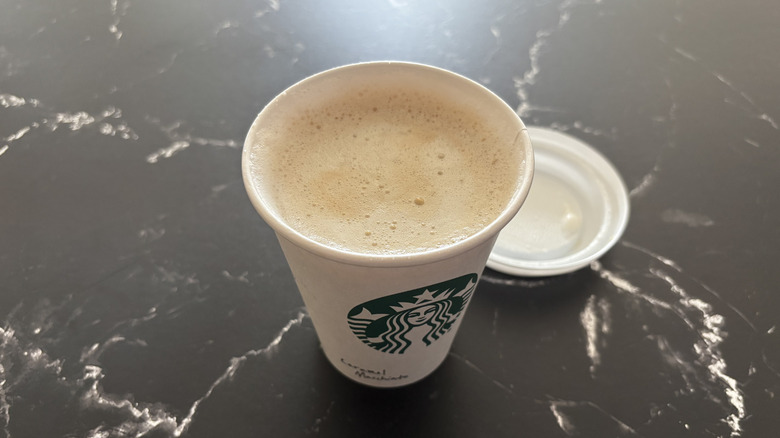
Furthermore, the omission of expected ingredients—such as whipped cream on mocha or dolce lattes—highlights potential training gaps or supply chain fluctuations. When a flagship drink is missing a key component, the balance of the beverage is fundamentally altered. Despite these occasional lapses, the structural consistency of the espresso-to-milk ratio remains the primary reason for the chain’s continued dominance in the global market.
Economic and Market Implications
The data regarding these rankings reflects broader trends in the quick-service restaurant (QSR) sector. Consumers are increasingly viewing coffee not just as a source of caffeine, but as a customizable "treat" experience. Starbucks’ ability to pivot between traditional lattes and experimental, protein-boosted, or seasonal varieties allows it to capture multiple demographics simultaneously.
From an economic perspective, the high margins on customized lattes are essential for the company’s bottom line. As inflationary pressures impact the price of raw ingredients like coffee beans and dairy, Starbucks relies on the perceived value of these complex drinks to maintain pricing power. The continued success of the core menu, anchored by the vanilla and caramel offerings, provides the financial stability required to experiment with more volatile seasonal products.
Conclusion
The Starbucks hot latte menu is a testament to the brand’s ability to maintain a massive, global operation while attempting to satisfy an increasingly sophisticated consumer base. While some experimental flavors may struggle to achieve the balance found in the classics, the overall stability of the menu remains a benchmark for the industry. As the market continues to evolve, the challenge for Starbucks will be to maintain the "third place" atmosphere—a space between home and work—while adapting its core beverage lineup to meet the shifting dietary and sensory expectations of a new generation of coffee drinkers. The hierarchy of these lattes is not static; it is a living reflection of consumer taste, operational capacity, and the enduring appeal of a well-steamed cup of espresso.
