
Navigating the world of red wine can often feel like an exercise in deciphering a complex, centuries-old code. While many casual consumers rely on the binary choice of red or white, the reality is that the vast landscape of viticulture offers a spectrum of flavor profiles, textures, and chemical compositions. These variations are driven by a combination of grape genetics, regional climate—often referred to as terroir—and specific winemaking techniques such as maceration times and oak aging. To move beyond the basics, one must understand how these variables align with individual palate preferences.
The Anatomy of the Red Wine Market
Historically, global wine consumption has shifted significantly over the past two decades. According to data from the International Organisation of Vine and Wine (OIV), global wine production fluctuates annually based on climate conditions, yet consumer demand for diverse, high-quality red varietals has remained resilient. The market is currently characterized by a trend toward "premiumization," where drinkers are increasingly willing to pay higher prices for bottles with distinct regional provenance. For the average consumer, however, the challenge remains: identifying a bottle that matches their culinary habits and sensory expectations.
Cabernet Sauvignon: The Benchmark for Steak Pairings
For those whose wine consumption is tethered to the steakhouse experience, Cabernet Sauvignon stands as the industry-standard choice. Often referred to as the "King of Red Grapes," this variety is noted for its high tannin levels and structural integrity. Tannins, which are phenolic compounds found in grape skins, seeds, and stems, provide the characteristic astringency that helps "cleanse" the palate after consuming high-protein, high-fat foods like a rib-eye or a tomahawk steak.
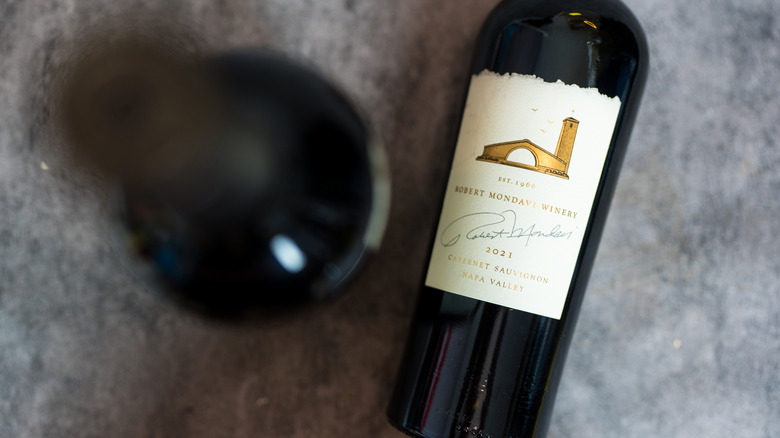
From a biochemical perspective, the acidity in Cabernet Sauvignon functions as a vital counterpoint to the lipids in beef. When the acidity of the wine cuts through the richness of the meat, it creates a balanced sensory experience. Most experts suggest that beginners look for bottles from established regions like Napa Valley, California, or the Coonawarra region in Australia, as these areas consistently produce wines that embody the classic bold, full-bodied characteristics required for heavy protein pairings.
Blaufränkisch: A Refined Alternative for White Wine Enthusiasts
While Pinot Noir is frequently marketed as the quintessential "gateway" red for white wine drinkers, oenologists have increasingly highlighted the virtues of Blaufränkisch. Originating in Central Europe—specifically Austria and Hungary—this grape offers a bridge for those who appreciate the crisp acidity and herbal nuances common in white wines like Sauvignon Blanc or Grüner Veltliner.
Blaufränkisch typically presents a lighter body and a profile dominated by bright red fruits rather than the deep, jammy characteristics of hotter-climate reds. Because it lacks the heavy tannin load of a Cabernet or a Zinfandel, it provides a refreshing, nuanced drinking experience. Its rise in popularity in international markets has been bolstered by its accessibility, as many producers currently offer high-quality examples at a lower price point compared to prestigious French or Californian varietals.
The Case for Chilling: Beaujolais Nouveau and Gamay
The long-held social convention that red wine must be served at "room temperature"—a legacy from pre-central heating European homes—is being challenged by modern sommeliers. Serving lighter-bodied reds at a slight chill (approximately 55–60 degrees Fahrenheit) can heighten the perception of fruit aromas and mitigate the impact of alcohol on the palate.
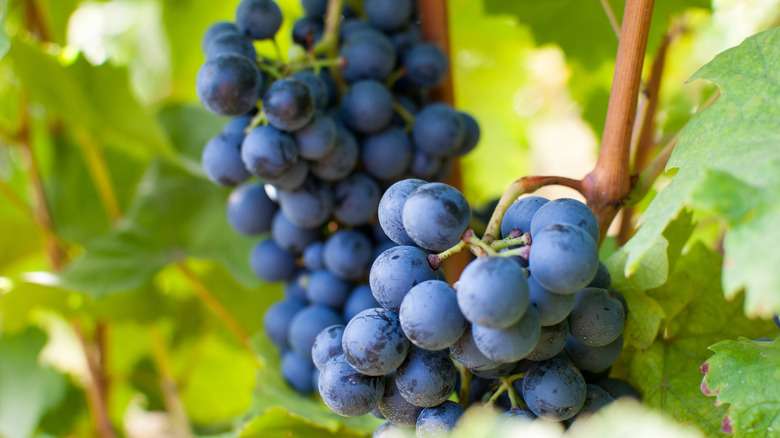
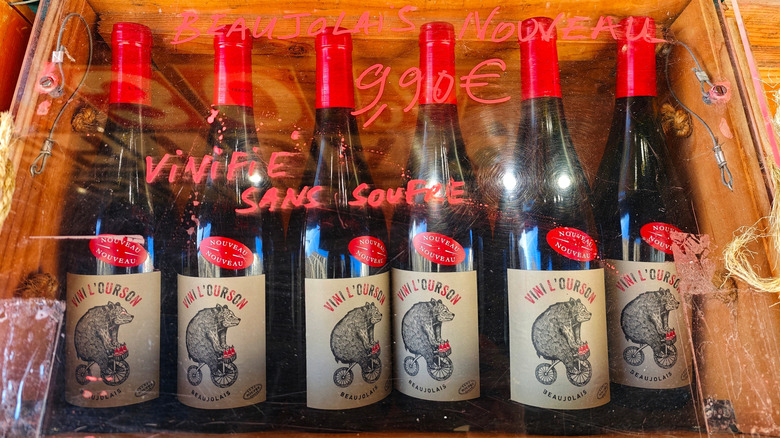
Beaujolais Nouveau, produced from the Gamay grape in France, is perhaps the most famous exponent of this style. These wines undergo a process called carbonic maceration, which ferments the grapes inside their skins, resulting in a low-tannin, highly aromatic wine with notes of strawberry, bubblegum, and banana. Because these wines are bottled quickly after harvest, they offer a fresh, uncomplicated profile that is ideal for warm-weather consumption.
Sparkling Red Wines: The Lambrusco Renaissance
Sparkling wines are often exclusively associated with white or rosé varieties, yet the Italian tradition of Lambrusco challenges this oversight. Hailing from the Emilia-Romagna region, Lambrusco is a frizzante (lightly sparkling) red that offers a unique combination of acidity and effervescence.
Industry reports indicate that consumers are increasingly seeking "sessionable" wines—those with a lower alcohol-by-volume (ABV) that can be enjoyed over a longer duration. Lambrusco, which often sits in the 8% to 11% ABV range, fits this category perfectly. It is traditionally paired with the rich, salty cured meats and fatty cheeses of its native Italian region, making it an ideal candidate for casual dining, particularly with pizza or charcuterie boards.
Zinfandel: Defining the Fruity and Robust Profile
For the drinker who gravitates toward intense, fruit-forward profiles, Zinfandel serves as a premier selection. Known for its ability to develop high sugar content in the vineyard, Zinfandel is typically characterized by bold, jammy flavors, high alcohol levels, and significant tannin structure.
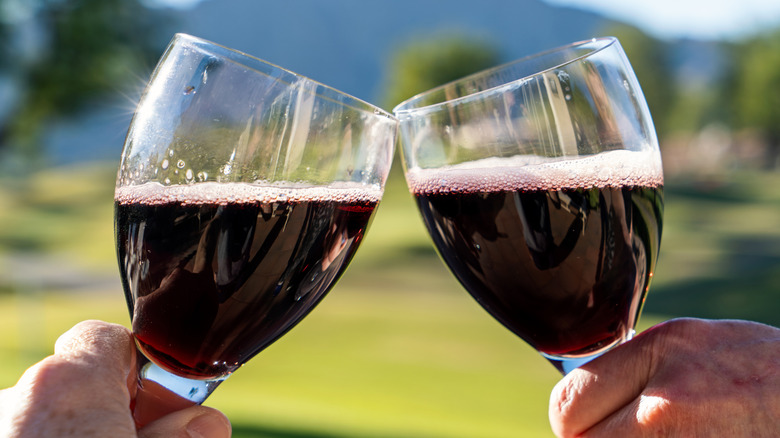
While Zinfandel can be polarizing due to its intensity, it is a masterclass in "plush" mouthfeel. Unlike the earth-driven profiles of Old World wines, Zinfandel is quintessentially New World, with its best expressions often coming from older vines in regions like Lodi or Sonoma. It is most effective when paired with foods that match its intensity, such as barbecued meats or dishes featuring heavy tomato-based reductions.
Dessert and Sweetness: The Role of Brachetto d’Acqui
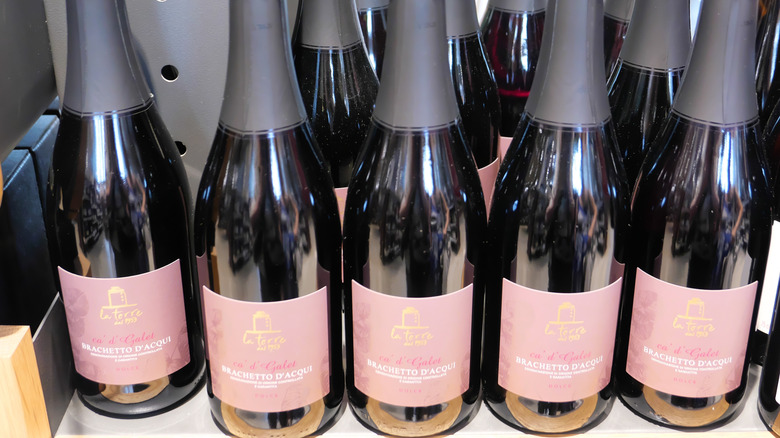
Sweetness in red wine is a specialized niche. While many novice drinkers seek out sweet wines, they often struggle to find quality examples, as the majority of mass-market red wines are produced to be dry. Brachetto d’Acqui, from Italy’s Piedmont region, represents the pinnacle of this category. It is an aromatic, semi-sweet, lightly sparkling wine that pairs exceptionally well with chocolate or berry-based desserts. Its low ABV and candied fruit profile make it a popular celebratory beverage that serves as an effective counterpoint to high-sugar culinary creations.
Pinot Noir and the Quest for Complexity
Complexity in wine is often defined by the evolution of secondary and tertiary aromas—flavors that emerge not from the grape itself, but from fermentation and aging. Pinot Noir is widely regarded by wine critics as the benchmark for complexity. Its thin skins make it difficult to cultivate, leading to lower yields and higher market prices, yet the reward is a wine of unparalleled elegance.
As Pinot Noir ages, it develops notes of forest floor, truffle, leather, and dried flowers. This shifting flavor profile requires patience and a degree of connoisseurship, as younger bottles may seem austere compared to the lushness of Zinfandel or the power of Cabernet. For the drinker seeking an intellectual experience in their glass, Pinot Noir offers a depth that few other grapes can replicate.
Sangiovese: The Savory Standard
For those who find fruity wines cloying or overly simplistic, Sangiovese provides a savory alternative. Dominated by notes of tomato leaf, dried herbs, and earth, it is the cornerstone of Tuscan winemaking. Whether labeled as a Chianti or as a varietal wine, it brings a rustic, high-acid, high-tannin profile that is designed specifically for food pairing. The savory qualities of Sangiovese allow it to harmonize with the acidity in tomato sauces, making it the definitive wine for traditional Italian pasta dishes.
Merlot: The Universal Starting Point
For the consumer who remains uncertain about their preferences, Merlot remains the most effective starting point. Often disparaged in popular culture, Merlot is actually one of the most versatile grapes in existence. Depending on the soil type and the winemaker’s intervention, it can range from a light, fruit-driven wine to a dense, structured, and age-worthy powerhouse.
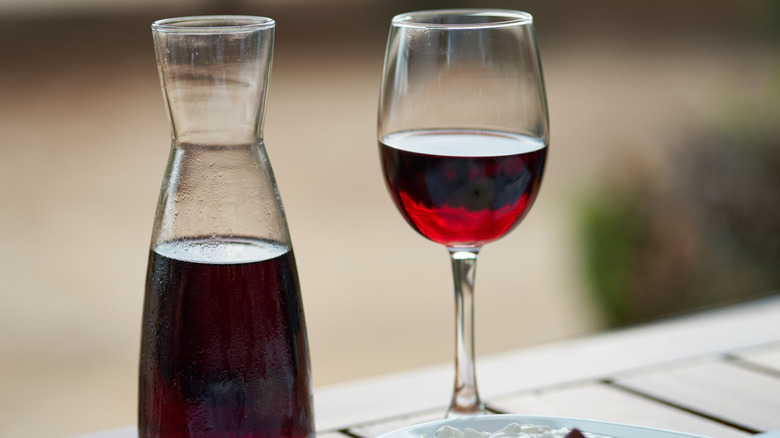
By starting with Merlot, a drinker can calibrate their palate. If the wine feels too light, the consumer can progress toward Cabernet Sauvignon; if it feels too intense, they can shift toward Gamay or Pinot Noir. It is this chameleon-like quality that makes Merlot an essential tool for any drinker attempting to define their personal taste in the vast and ever-evolving world of viticulture.
