
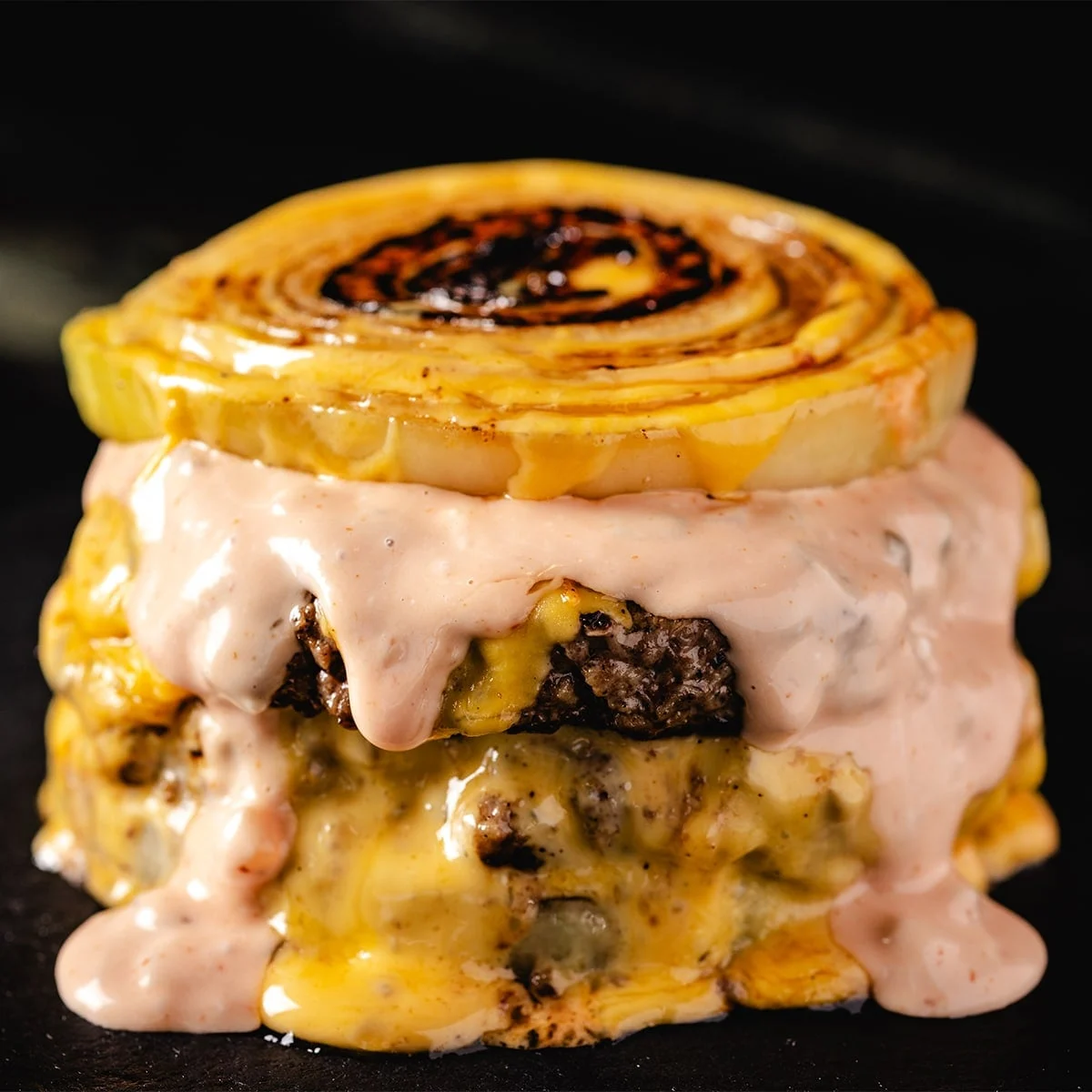
The Flying Dutchman, a staple of the West Coast fast-food phenomenon known as the In-N-Out Burger secret menu, has transcended its origins as a niche, off-menu request to become a global culinary trend. By replacing traditional flour-based buns with thick, griddled onion rounds, this low-carb, high-protein alternative has garnered a dedicated following among keto enthusiasts and burger purists alike. While historically confined to the physical storefronts of the California-based chain, the democratization of high-quality home grilling equipment has allowed culinary enthusiasts to replicate this specific preparation method in their own backyards.
The Origins and Evolution of the Secret Menu
The concept of the secret menu—a list of unlisted variations on standard menu items—originated in the mid-20th century, primarily within the burgeoning fast-food culture of Southern California. In-N-Out Burger, founded in 1948 by Harry and Esther Snyder, became the primary architect of this subculture. The Flying Dutchman, which consists simply of two beef patties and two slices of American cheese, was reportedly conceived for customers seeking a gluten-free or low-carbohydrate experience.

Over the decades, the item shifted from a word-of-mouth curiosity to a widely recognized cultural artifact. As social media platforms gained prominence in the 2010s, the "secret" nature of the menu effectively vanished. Today, the Flying Dutchman is a baseline expectation for any serious burger aficionado, and its preparation has been standardized by home cooks utilizing flat-top griddles and cast-iron surfaces to achieve the specific Maillard reaction required for both the meat and the onions.
Anatomy of the Preparation
To successfully execute a Flying Dutchman at home, one must adhere to the fundamental principles of high-heat cooking. The dish relies on the structural integrity of the onion slices, which serve as the "bookends" for the meat and cheese.
The process begins with selecting high-quality ground beef, typically with an 80/20 lean-to-fat ratio to ensure moisture retention during the rapid searing process. The onions are sliced into thick, uniform rounds, which are then placed onto a preheated griddle until they reach a state of caramelization—softening the sharp sulfurous bite of the raw vegetable while developing a sweet, charred exterior.

The patties are "smashed" onto the cooking surface, a technique that maximizes surface area contact to create a crisp, browned crust. According to culinary experts, this physical compression is essential for the texture of a diner-style burger. Once flipped, a slice of American cheese—chosen for its high meltability and specific emulsifying salts—is placed atop each patty. The stack is completed by sandwiching these components between the charred onion rounds, effectively turning the onion into a functional, flavor-forward delivery system.
Nutritional Implications and Dietary Shifts
The rise of the Flying Dutchman mirrors a broader shift in consumer behavior toward low-carbohydrate and ketogenic diets. According to a 2023 market analysis by the International Food Information Council, nearly 30% of American consumers have actively reduced their intake of refined carbohydrates over the past three years.
By removing the bun, the caloric profile of the burger is significantly altered. A standard fast-food cheeseburger can contain anywhere from 40 to 60 grams of carbohydrates; the Flying Dutchman effectively eliminates the vast majority of these, leaving only the trace carbohydrates found in the onions and cheese. However, nutritionists caution that while the carbohydrate count is low, the sodium and saturated fat content remain significant. A typical double-patty, double-cheese configuration can contain upwards of 1,800 milligrams of sodium, highlighting the necessity for moderation in any diet.

The Role of the "Spread"
Central to the identity of this burger is the signature "spread," a condiment that has become synonymous with the California burger experience. While the exact formulation of the original chain’s sauce remains a closely guarded corporate secret, food science experts have identified its primary components through chemical analysis. The sauce is essentially a emulsified blend of mayonnaise, ketchup, and sweet pickle relish, often enhanced with a splash of white vinegar to provide a sharp, acidic counterpoint to the richness of the cheese and beef.
In the home kitchen, the preparation of this spread serves as a critical component in balancing the flavors of the dish. The acidity of the sauce cuts through the fat of the ground beef, providing the palate with a refreshing contrast that prevents the meal from feeling overly heavy.
Technical Requirements for Backyard Success
For those looking to replicate the results of a professional kitchen, the choice of equipment is paramount. The use of a flat-top griddle—specifically one made of heavy-gauge steel—allows for consistent heat distribution. This is essential for the "smashed" technique, which requires an initial blast of high heat to facilitate rapid browning.

Temperature management is equally vital. The United States Department of Agriculture (USDA) mandates that ground beef must reach an internal temperature of 160 degrees Fahrenheit to ensure the elimination of foodborne pathogens. Because the patties used in a Flying Dutchman are thin, they typically reach this temperature within five to six minutes. The use of a digital, instant-read thermometer is considered the industry standard for verifying that the meat has reached the safe threshold without overcooking, which would result in a loss of juiciness.
The Broader Cultural Impact
The popularity of the Flying Dutchman speaks to a growing desire for customization and personal agency in food preparation. By removing the constraints of a traditional menu, the "secret" burger culture empowers the consumer to act as a co-creator of their meal.
Furthermore, the accessibility of these recipes through digital platforms has fostered a community of home cooks who share techniques for perfecting everything from the caramelization of the onions to the precise ratio of ingredients in the homemade sauce. This phenomenon has spurred a secondary market for high-quality outdoor cooking accessories, such as professional-grade spatulas and seasoning blends designed specifically for smash-style burgers.

Conclusion and Future Outlook
As the food industry continues to evolve, the distinction between "fast food" and "home cooking" is becoming increasingly blurred. The Flying Dutchman represents a perfect intersection of these two worlds: it is a dish born from the convenience-driven culture of the drive-thru, but one that is best enjoyed when prepared with the care and precision of a home kitchen.
Whether one is motivated by a desire to reduce carbohydrate intake or simply by an appreciation for the specific flavor profile of charred onions and seared beef, the Flying Dutchman remains an essential subject of study for the modern backyard chef. By mastering the fundamentals of heat, fat, and seasoning, the home cook can elevate a simple, two-ingredient concept into a sophisticated culinary experience that rivals any commercial counterpart. As more enthusiasts engage with these techniques, it is likely that the Flying Dutchman will remain a permanent fixture in the pantheon of classic American burgers, evolving in step with the changing preferences and tools of the modern home cook.
