
The Evolution of the Breakfast Casserole
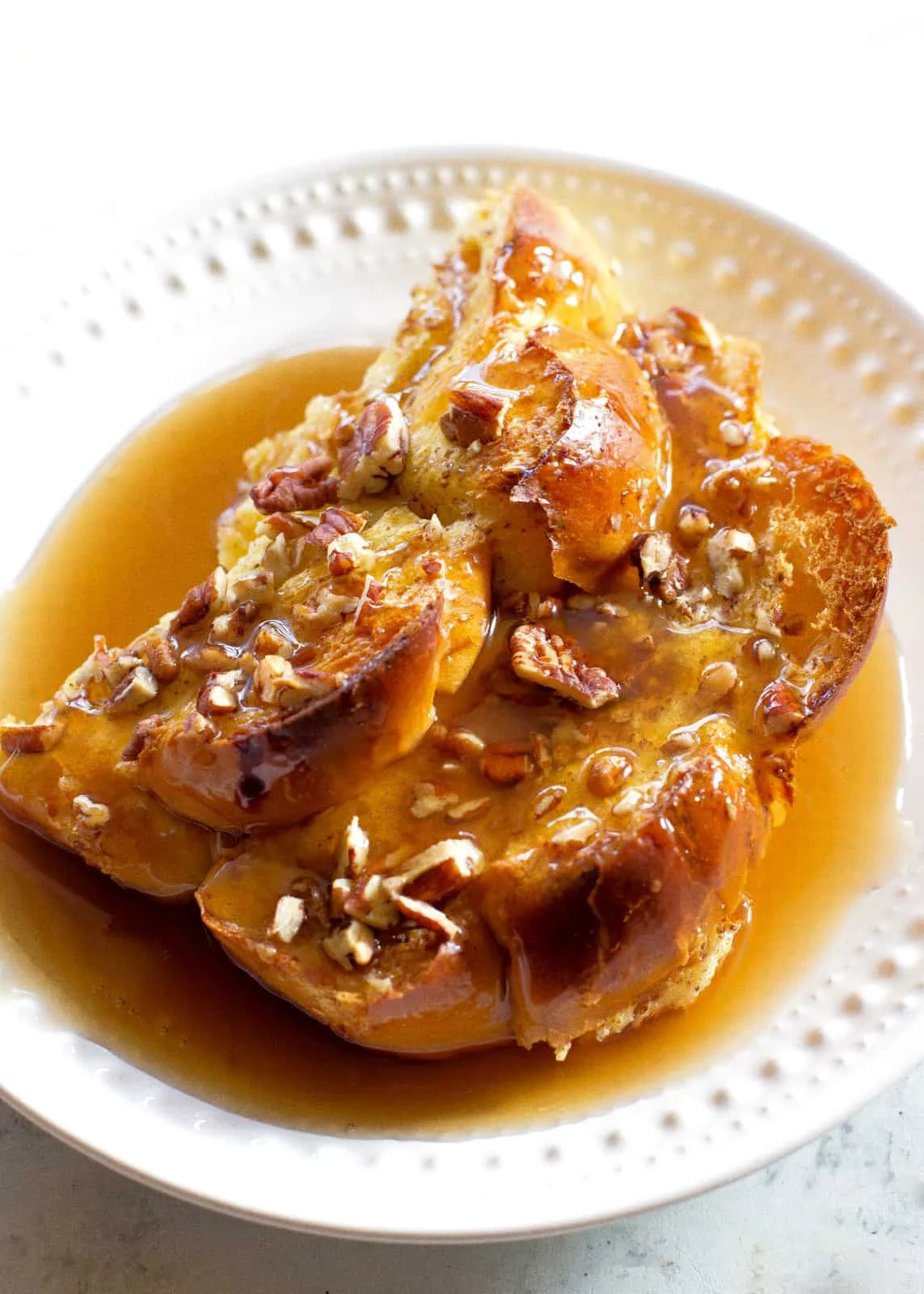
The breakfast casserole, specifically the French toast variant, represents a significant departure from traditional stove-top preparation. Historically, French toast—often referred to as pain perdu or "lost bread"—was a method of utilizing day-old bread to minimize food waste. In the early 20th century, the dish was largely prepared on an individual, per-slice basis.
The transition to a casserole format emerged as a response to the logistical demands of larger families and the rise of commercial catering in the mid-to-late 20th century. By shifting the cooking process from a labor-intensive, pan-by-pan method to a single, oven-baked vessel, home cooks gained the ability to serve multiple individuals simultaneously. The "overnight" designation serves a distinct functional purpose: it allows for the structural integrity of the bread to be maintained through the uniform absorption of an egg-and-custard base, effectively transforming stale or dense bread into a cohesive, pudding-like consistency.
Ingredient Profiles and Culinary Science
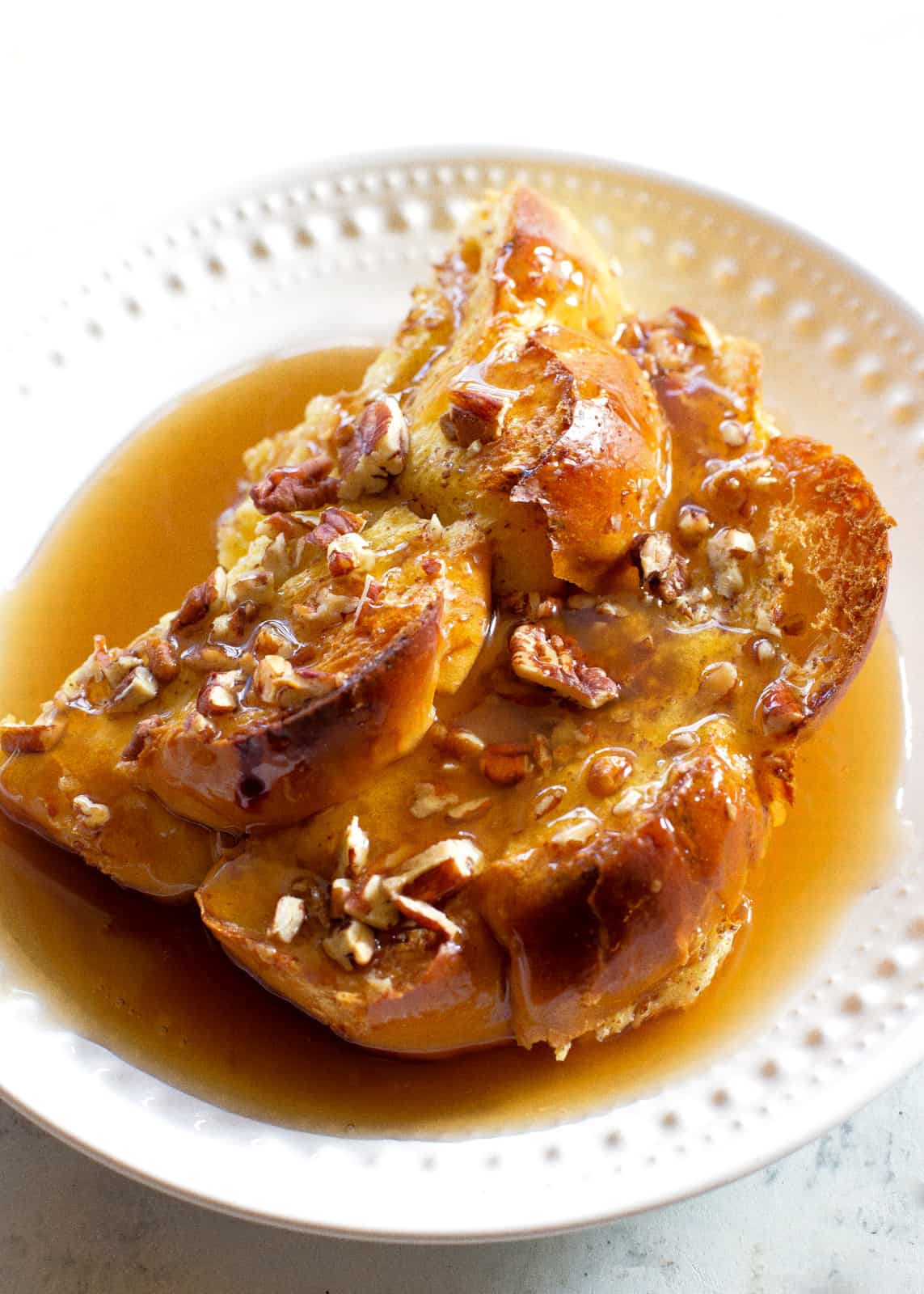
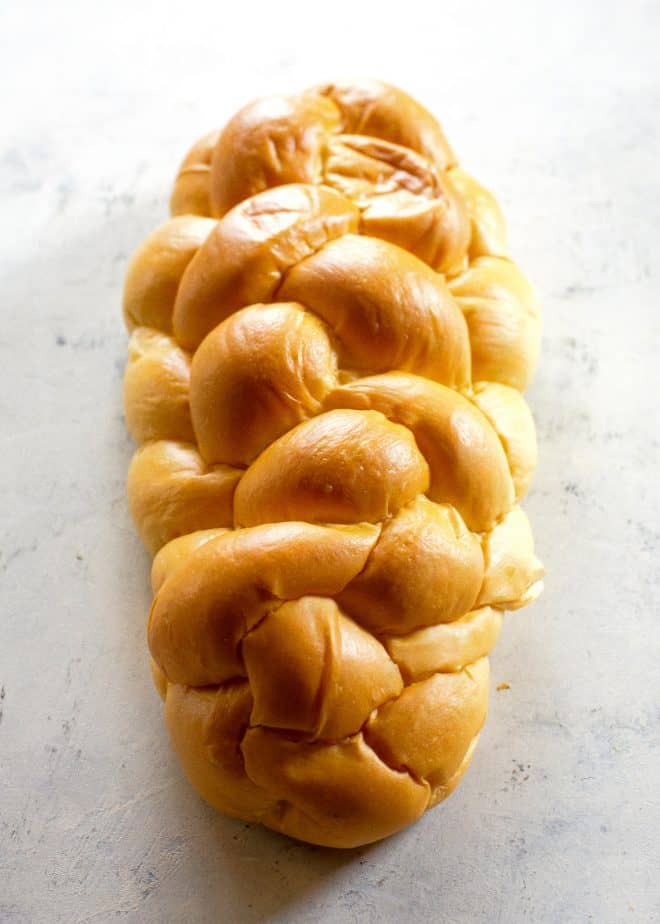
The structural success of an overnight French toast casserole is rooted in the interplay between starch and hydration. The choice of bread is the most critical variable in the recipe’s success. While traditionalists may opt for standard white sandwich bread, modern culinary standards favor more robust, high-protein loaves such as Challah, Brioche, or Sourdough.
Challah, an enriched, egg-based bread, is widely considered the gold standard for this application. Its internal crumb structure is sufficiently porous to absorb the liquid custard—comprised of eggs, milk or cream, and flavorings—without disintegrating into a gelatinous mass. Brioche offers a higher butter content, contributing to a richer final profile, while Sourdough provides a subtle acidity that balances the inherent sweetness of the dish.
The chemical reaction during the soaking period is vital. When bread is submerged in the custard mixture for 4 to 12 hours, the proteins in the eggs and the sugars in the milk penetrate the cellular structure of the bread. This creates a uniform texture that, when subjected to the Maillard reaction in a high-heat oven, results in a caramelized exterior and a stable, custard-like interior.
Chronology of Preparation and Efficiency
For the modern consumer, the appeal of the overnight casserole lies in its temporal efficiency. The typical workflow is as follows:
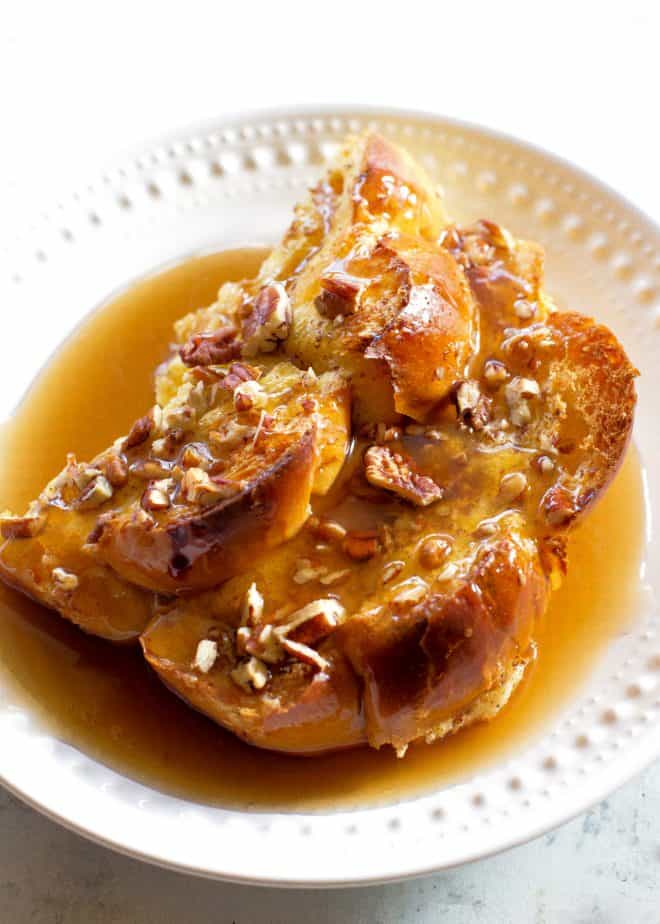
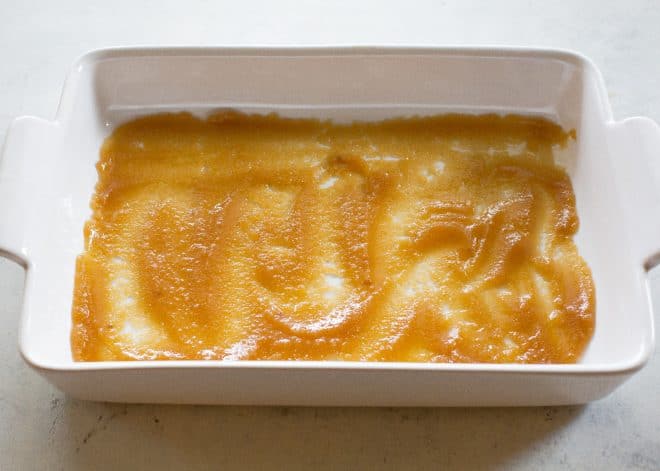
- Evening Preparation (15–20 minutes): The preparation begins with the creation of a brown sugar and butter base, which is distributed across the bottom of the baking dish to provide a caramelizing agent. The bread is then cubed or sliced and arranged in the vessel.
- The Infusion Phase (4–12 hours): The custard mixture is poured over the bread. The dish is refrigerated to facilitate the absorption process. This phase is scientifically beneficial as it allows for the hydration of the starches, ensuring an even bake.
- The Morning Bake (45–60 minutes): Upon removal from the refrigerator, the casserole is placed directly into a preheated oven. The transition from cold to heat is a standard practice that, when managed correctly, does not impact the safety or quality of the dish.
While the "overnight" moniker is a standard industry convention, culinary testing has demonstrated that the dish retains its integrity even without the extended refrigeration period. This flexibility is a key factor in the dish’s versatility for unplanned brunch gatherings or time-sensitive schedules.
Nutritional and Economic Implications
From a household management perspective, the overnight French toast casserole functions as a cost-effective meal solution. By utilizing bread that might otherwise be discarded due to its age, consumers engage in an informal form of sustainable kitchen practice.
However, the dish has faced criticism in recent years regarding its nutritional profile. Traditional recipes, which often incorporate high amounts of refined sugar and heavy cream, have been labeled by some health advocates as overly decadent. In response, contemporary versions of the dish often feature adjustments such as lower-sugar custard bases, the addition of nuts like pecans for fiber and protein, and the integration of fresh fruit to lower the glycemic index of the meal.
Broader Impact on Brunch Culture
The rise of the "brunch casserole" is inextricably linked to changing lifestyle patterns. As the lines between work and leisure become increasingly blurred, the weekend morning meal has transitioned from a simple daily requirement to a social event. The ability to prepare a sophisticated, warm breakfast ahead of time allows the host to participate in social interactions rather than being confined to the kitchen.
Industry data from food retailers suggests that sales of baking dishes and specialized bread loaves peak during holiday weekends and seasonal celebrations, indicating that these dishes serve as a centerpiece for communal dining. Furthermore, the adaptability of the recipe—allowing for the substitution of ingredients such as gluten-free bread or dairy-free milk—has ensured its longevity in a market that is increasingly focused on dietary inclusivity.
Analysis of Consumer Sentiment
Public sentiment toward the dish remains overwhelmingly positive, as evidenced by its prevalence in online culinary forums and food-focused media. Critics of earlier, more sugar-heavy iterations of the dish have noted that the "candy for breakfast" perception is largely a result of excessive topping usage—such as syrupy additives—rather than the base recipe itself.
Professional chefs suggest that the key to elevating the dish lies in tempering the sweetness. By using high-quality vanilla bean, a pinch of sea salt, and fresh, tart berries, the casserole can be transformed from a dessert-like breakfast into a balanced, savory-leaning meal. The addition of toasted pecans or other nuts also provides a necessary textural contrast to the soft, custard-soaked bread.
Concluding Considerations
The Overnight French Toast Casserole remains an essential element of the home-cooking repertoire. Its endurance is not merely a product of its flavor profile, but of its inherent utility. By bridging the requirements of efficiency, cost-consciousness, and aesthetic appeal, it addresses the fundamental needs of the modern, time-strapped household. As food technology and ingredient availability continue to evolve, the casserole is likely to undergo further refinements, continuing to serve as a reliable, scalable, and customizable staple of the morning menu. Whether utilized for a solitary weekend breakfast or a large-scale gathering, the dish’s core value—a seamless combination of preparation and satisfaction—remains unchanged. Its history reflects a broader movement in culinary arts toward convenience without the sacrifice of tradition, a trend that is expected to persist in the coming years.
