
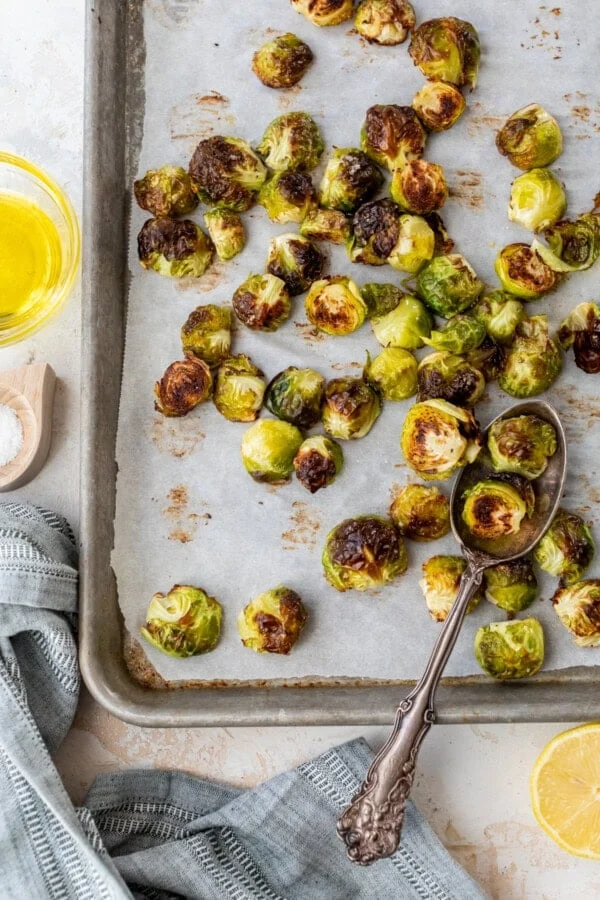
The humble Brussels sprout has undergone a significant culinary transformation over the past two decades, evolving from a frequently maligned vegetable to a staple of modern, health-conscious, and gourmet dining. Central to this resurgence is the refinement of oven-roasting techniques, which unlock the vegetable’s natural sugars through the Maillard reaction. By applying consistent high heat to halved sprouts, home cooks and professional chefs alike are able to achieve a signature profile: a deep, charred exterior and a tender, buttery interior. This report examines the technical methodology for preparing this cruciferous vegetable, the nutritional implications of its consumption, and the broader context of its role in contemporary dietary habits.

Historical Context and Culinary Evolution
Brussels sprouts (Brassica oleracea var. gemmifera) have been cultivated since at least the 13th century in the region now known as Belgium. Historically, the vegetable suffered from a reputation for bitterness, largely due to traditional boiling methods that released high concentrations of sulfur-containing compounds. When overcooked in water, these compounds—glucosinolates—can produce an unappealing odor and texture.

However, the shift toward roasting as the primary preparation method has fundamentally altered public perception. As culinary science matured in the early 21st century, the emphasis moved toward dry-heat methods. By roasting, the glucosinolates are neutralized or transformed, while the vegetable’s natural sugars undergo caramelization. This process has contributed to a surge in popularity, making Brussels sprouts a standard feature on menus ranging from casual farm-to-table establishments to high-end steakhouses.

Technical Methodology: The Science of the Roast
The efficacy of the roasting process is rooted in thermal conduction and moisture control. Culinary experts, including those who specialize in home-cooking methodology, emphasize specific physical requirements to ensure optimal results.

- Surface Area Preparation: Halving the sprouts is the most critical step. This exposes the internal layers of the vegetable, creating a flat surface that maximizes contact with the hot metal of a baking sheet.
- The Cut-Side Down Technique: Placing the cut surface against the pan allows for direct heat transfer. This facilitates the Maillard reaction—a chemical reaction between amino acids and reducing sugars that gives browned food its distinctive flavor.
- Temperature Control: A standard oven temperature range of 400°F to 425°F (200°C to 220°C) is generally recommended. This range is high enough to induce rapid charring before the center of the sprout becomes mushy.
- Fat Distribution: A light coating of high-smoke-point oil, such as olive oil or avocado oil, is essential for even heat distribution across the surface of the vegetable.
Nutritional Profile and Dietary Implications
From a nutritional standpoint, Brussels sprouts represent a high-density source of essential micronutrients. According to data from the United States Department of Agriculture (USDA), one cup of cooked Brussels sprouts provides significant portions of the recommended daily intake for Vitamin C and Vitamin K.

- Fiber Content: Brussels sprouts are an excellent source of dietary fiber, which is linked to improved digestive health and sustained satiety.
- Antioxidant Capacity: They contain high levels of kaempferol, an antioxidant that has been the subject of numerous studies regarding its potential to reduce cellular damage and inflammation.
- Low Caloric Density: With approximately 138 calories per serving, the vegetable is often favored in weight-management programs, such as those promoted by WeightWatchers, due to its ability to provide high volume and nutrient density with minimal caloric impact.
Broader Economic and Market Impact
The increased demand for fresh produce that is both nutritious and versatile has bolstered the agricultural sector specializing in cruciferous vegetables. Market analysts have observed that the popularity of roasted Brussels sprouts has influenced retail purchasing trends. Supermarkets now frequently offer pre-trimmed and halved versions of the vegetable, responding to consumer demand for convenience in preparation.

Furthermore, the versatility of the dish—allowing for the integration of secondary ingredients such as balsamic glazes, pancetta, toasted nuts, or citrus zest—has made it a "base" recipe for culinary experimentation. This adaptability allows the dish to remain relevant in a variety of culinary contexts, from vegetarian, low-carb, and ketogenic diets to traditional meat-based meal pairings.

Chronology of Culinary Adoption
- Pre-2000s: Brussels sprouts were largely prepared through boiling or steaming, leading to a negative association with the vegetable in many households.
- 2000–2010: The rise of food media and cooking blogs catalyzed the adoption of roasting techniques. Chefs began highlighting the importance of high heat to overcome the vegetable’s bitter reputation.
- 2010–2020: The "vegetable-forward" dining movement solidified the role of the roasted sprout as a staple side dish. Large-scale retail chains began marketing them as a quick-prep convenience item.
- 2020–Present: The refinement of home-roasting techniques, including the use of air fryers and convection roasting, has made the preparation even more accessible, with a focus on quick, 30-minute turnarounds.
Expert Recommendations for Quality Assurance
To ensure consistent results, culinary professionals suggest several best practices:

- Avoid Overcrowding: Overcrowding the baking sheet creates a "steaming" effect rather than a "roasting" effect, resulting in soggy leaves. Providing adequate space between each sprout allows moisture to evaporate, which is necessary for achieving a crisp texture.
- Seasoning Timing: While salt can be added before roasting to help draw out excess moisture, delicate herbs or acidic glazes (like balsamic) are best added toward the end of the cooking process to prevent burning.
- Equipment: Heavy-duty rimmed baking sheets are preferred for their heat retention, which helps maintain a stable temperature throughout the roasting period.
Summary of Impact
The transition of the Brussels sprout from a seasonal side dish to a year-round kitchen essential reflects a broader shift in consumer preferences toward whole-food, plant-based cooking. By mastering the fundamental techniques of roasting, home cooks can produce a result that balances texture—the juxtaposition of the crispy exterior against the tender, cooked-through interior—with flavor complexity.

As public health initiatives continue to emphasize the consumption of cruciferous vegetables, the role of simple, effective cooking methods becomes increasingly significant. The roasted Brussels sprout serves as a primary example of how basic culinary science can bridge the gap between nutritional requirements and consumer palatability. Future trends suggest that while the fundamental method of roasting remains the gold standard, the emphasis will likely continue to move toward global flavor infusions, such as the incorporation of miso, chili oils, or international spice blends, further cementing the vegetable’s place in the modern pantry.
