
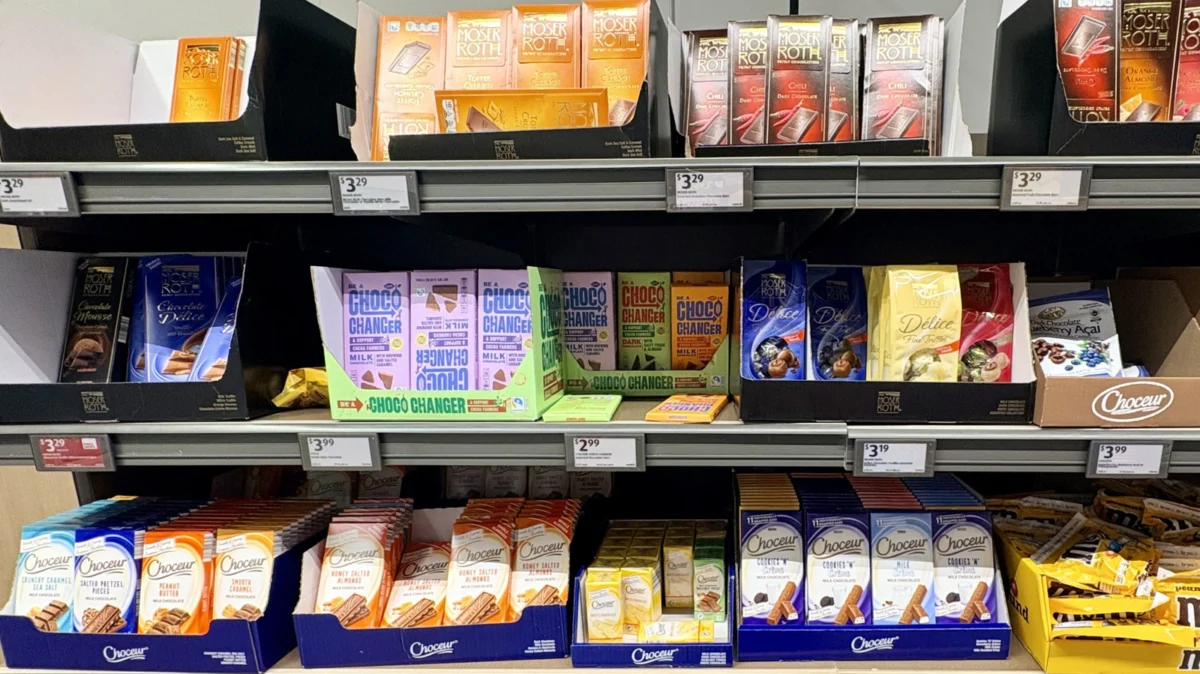
Aldi, a global grocery chain renowned for its commitment to affordability and efficiency, has quietly cultivated a significant following for its in-house chocolate offerings. While shoppers often flock to Aldi for its budget-friendly staples, from prepared meals to frozen goods, the retailer also presents a compelling alternative for those seeking high-quality sweet treats without the premium price tag often associated with popular candy bars. Aldi’s chocolate selection, characterized by its diverse flavor profiles and European origins, offers consumers a unique experience that challenges conventional perceptions of budget-friendly confectionery. This article delves into lesser-known aspects of Aldi’s chocolate products, exploring their provenance, variety, ethical considerations, and unique characteristics that set them apart in the competitive confectionery market.
The European Roots of Aldi’s Confectionery
A significant factor contributing to the distinctive quality of Aldi’s chocolates is their European heritage. As a company with German origins, Aldi predominantly sources its chocolate from established European manufacturers, a practice that imbues its products with the rich chocolate-making traditions of the continent. This strategy allows Aldi to offer consumers an authentic European chocolate experience at accessible price points, bypassing the higher costs often associated with imported specialty brands.
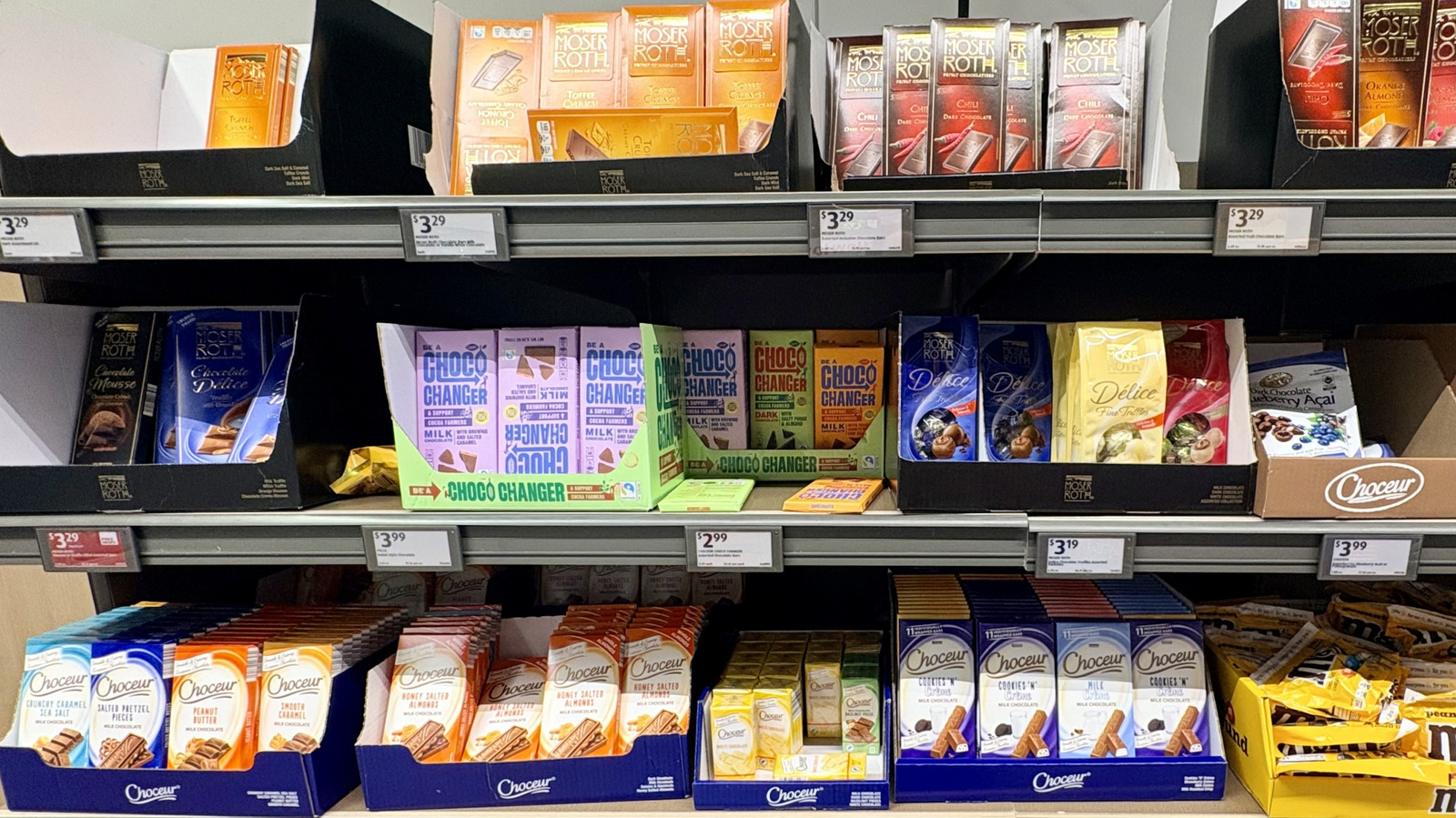
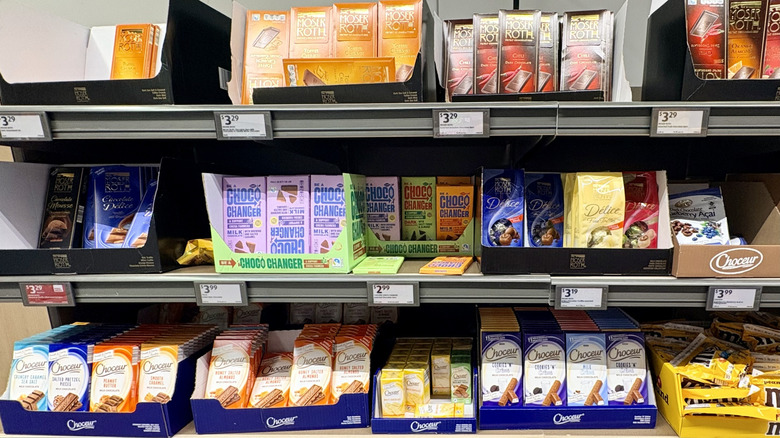
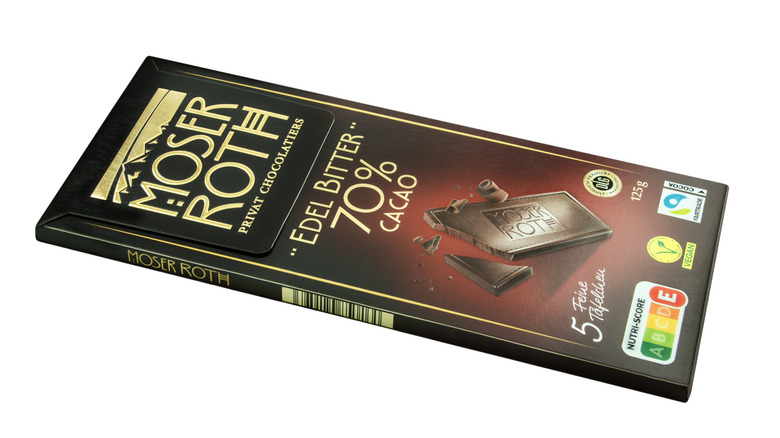
Among the most prominent European brands featured at Aldi is Moser Roth, a German confectionery company with a history dating back to 1841. Aldi offers a wide array of Moser Roth chocolate bars, which are celebrated for their smooth texture and balanced flavors, reflecting meticulous German craftsmanship. Another key supplier is Choceur, a brand that, despite operating out of Germany and Austria, produces chocolates inspired by Belgian styles. This dual influence underscores Aldi’s ability to curate a diverse European chocolate portfolio. Additionally, Schogetten, another German brand, contributes to Aldi’s selection, further solidifying the chain’s European confectionery identity. The prevalence of these brands ensures that Aldi shoppers have access to chocolates that often exhibit a superior quality and flavor profile compared to many mass-produced American candy bars, without incurring the expense typically associated with artisanal European imports. This strategic sourcing not only enhances product quality but also reinforces Aldi’s brand promise of delivering value without compromise.
A Surprisingly Diverse Chocolate Assortment
Aldi’s business model is famously built upon a curated selection of products, a strategy that streamlines operations and maintains competitive pricing. Unlike conventional supermarkets that often present an overwhelming array of choices for every product category, Aldi typically offers a limited, yet carefully chosen, range. This approach extends to many product lines, from condiments to frozen foods, where shoppers will find one or a few well-selected options rather than dozens.
However, the realm of chocolate appears to be a notable exception to this rule. Despite the retailer’s general product limitation philosophy, Aldi’s chocolate aisle often boasts a surprisingly extensive variety. During a survey of available products, it was observed that over 20 distinct types of chocolate were offered, spanning from classic milk chocolate varieties to more adventurous flavor combinations, such as dark chocolate infused with chili. This extensive offering suggests a deliberate strategy by Aldi to cater to a broad spectrum of chocolate preferences within its otherwise streamlined product environment. The abundance of chocolate choices, in contrast to the limited options in many other categories, highlights the retailer’s success in carving out a significant niche for its confectionery line, appealing to a wide consumer base that seeks both novelty and familiarity in their sweet indulgences.
Aldi’s Commitment to Ethical Chocolate Sourcing
The global chocolate industry has long been scrutinized for its ethical challenges, including issues of low wages for cocoa farmers, child labor, and various labor rights abuses that have implicated some of the world’s most recognized chocolate brands. In response to these concerns, Aldi has publicly stated its commitment to responsible chocolate sourcing. The company aims to ensure that 100% of its chocolate products are sourced from Fairtrade certified origins, a significant undertaking that seeks to promote fairer trading conditions and empower cocoa-growing communities.
A tangible manifestation of this commitment is Aldi’s "Choco Changer" line, a collaborative initiative with Tony’s Open Chain. Tony’s Open Chain is an extension of Tony’s Chocolonely, a prominent chocolate brand dedicated to eradicating modern slavery and child labor in the cocoa industry. This partnership focuses on working directly with farmer cooperatives in Ghana and Côte d’Ivoire, key cocoa-producing regions, to ensure ethical practices throughout the supply chain. While the complexities of ethical certification and labeling can be challenging for consumers to navigate, and "Fairtrade" certification itself has faced critiques, Aldi’s concerted efforts to embrace and promote ethically sourced chocolate represent a notable step forward. For consumers concerned about the social impact of their purchases, Aldi’s chocolates, particularly those within the Choco Changer line, may offer a more responsible alternative to products from brands that have faced greater scrutiny regarding their labor practices. This focus on ethical sourcing not only aligns with growing consumer demand for sustainable and fair-trade products but also positions Aldi as a more conscious player in the global food market.
A Past Recall and Food Safety Considerations
Despite its efforts in ethical sourcing and quality control, Aldi has experienced instances of product recalls. In December 2025, the retailer had to recall certain chocolate bark products due to a packaging error that posed a risk to consumers with food allergies. The issue involved Aldi’s Choceur brand, specifically its Pecan, Cranberry & Cinnamon Holiday Bark and Cookie Butter Holiday Bark. It was discovered that these two products had been inadvertently placed in each other’s packaging, meaning that the allergen information on the label did not accurately reflect the contents of the bark.
This oversight highlights the critical importance of accurate allergen labeling, especially for individuals with severe food allergies, who must meticulously check product packaging to avoid accidental ingestion of harmful ingredients. The recall, while demonstrating Aldi’s eventual action to rectify the situation, underscored the potential risks associated with such errors. For consumers with life-threatening allergies, the possibility of such mistakes, even if infrequent, can be a significant concern. While Aldi has since committed to rigorous safety standards, this incident serves as a reminder that even well-intentioned retailers can face challenges in maintaining absolute product integrity. It also prompts consumers with specific dietary restrictions to remain vigilant and to consider consulting with retailers or manufacturers directly when uncertain about product safety. The company’s proactive communication about the recall, however, aimed to mitigate potential harm and reinforce its commitment to consumer safety.
The Rise of Affordable "Dubai Chocolate" at Aldi
The phenomenon of "Dubai chocolate" has taken the culinary world by storm, captivating chocolate enthusiasts with its distinctive texture and rich flavors. Characterized by a crunchy, kadayif-wrapped exterior and a creamy pistachio filling, these bars offer a decadent and unique sensory experience. However, this sought-after treat has historically come with a considerable price tag. High-end versions of Dubai-style chocolate can retail for upwards of $20 to $35 per bar, with even grocery store varieties often priced around $15.
Aldi has emerged as a notable provider of an accessible alternative to this premium confection. The retailer’s Picca Dubai Style chocolate bar offers consumers the signature flavor and textural experience associated with Dubai chocolate at a significantly lower price point, typically around $3.99. This competitive pricing makes the trendy treat more attainable for a broader consumer base. Online reviews and social media discussions, particularly on platforms like Reddit, have indicated that Aldi’s rendition is a solid interpretation of the viral chocolate bar, with many users commending its texture and overall quality. This offering from Aldi underscores the retailer’s ability to identify and capitalize on emerging food trends, making them available to a wider audience without compromising on perceived value. For consumers eager to explore the Dubai chocolate craze without a significant financial outlay, Aldi’s offering presents an appealing entry point.
Enhanced Cocoa Butter Content: A Hallmark of European Chocolate
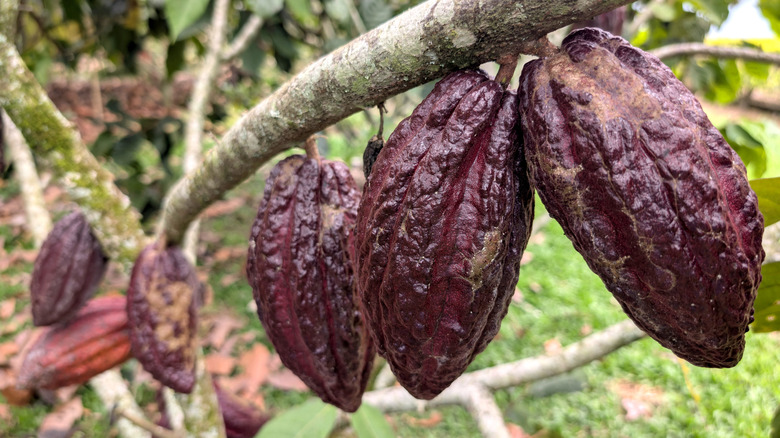
A key characteristic that distinguishes Aldi’s chocolates, and indeed European chocolate in general, is their typically higher cocoa butter content compared to many American chocolate bars. This difference in formulation contributes significantly to the distinct flavor and luxurious texture that consumers have come to associate with European confectionery.
The presence of more cocoa butter in Aldi’s chocolates results in a smoother, more "slippery" mouthfeel on the palate. This richer, more luscious texture is a direct consequence of the increased fat content derived from cocoa butter. While the definition of what constitutes "chocolate" can vary by region, with stricter regulations regarding cocoa butter content in Europe, American standards sometimes allow for higher proportions of other fats, such as vegetable oils. Aldi’s adherence to or emulation of European chocolate-making standards means that its products often deliver a more intense cocoa flavor and a melt-in-your-mouth quality that is highly prized by connoisseurs.
For consumers who have primarily experienced American-style chocolate, trying Aldi’s offerings can be an enlightening introduction to the nuances of European chocolate. The difference in texture and flavor intensity can be quite pronounced, leading many to discover a new preference for this style of chocolate. The accessibility of these high-quality, European-style chocolates at Aldi makes it easier for consumers to explore and appreciate these distinct confectionery traditions without the need for expensive specialty purchases. This emphasis on quality ingredients, particularly cocoa butter, is a testament to Aldi’s strategy of delivering premium taste experiences at affordable prices, reinforcing its position as a destination for discerning yet budget-conscious shoppers.
