
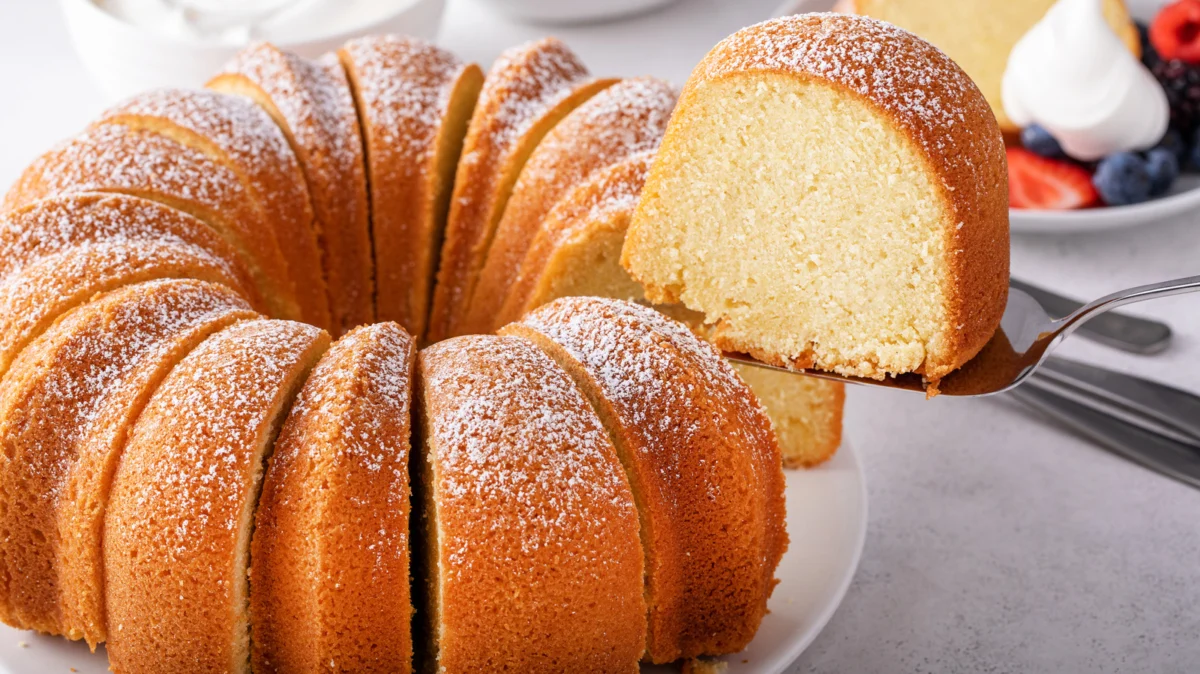
For bakers of all levels, the elegant and intricate design of a Bundt cake can sometimes present a surprisingly steep learning curve, leading to less-than-perfect results. Common pitfalls range from uneven baking and premature browning to the dreaded scenario of a cake refusing to release from its ornate pan, shattering the visual appeal that makes Bundt cakes so desirable. As experienced recipe developers and culinary professionals, we’ve encountered our share of Bundt cake mishaps. Through years of dedicated testing and inevitable failures, we’ve honed the techniques necessary for achieving consistently beautiful Bundt cakes. Fortunately, you can bypass this extensive trial-and-error process by understanding and proactively avoiding a few critical errors that frequently trip up bakers.
The allure of a new, elaborately designed Bundt pan is undeniable, but it’s important to approach its use with a clear understanding of the unique challenges it presents. Even seasoned bakers can attest to the frustration of a cake clinging stubbornly to intricate crevices. However, with the right knowledge and preparation, mastering the art of the Bundt cake is well within reach. This guide aims to equip you with the insights needed to transform your Bundt cake aspirations into delicious realities by highlighting and addressing the most common mistakes.
The Pitfalls of Pan Selection: Size Matters
One of the most fundamental yet often overlooked aspects of successful Bundt baking is selecting the correct pan size. Unlike standard round or square cake pans, which have more standardized volume measurements, Bundt pans can vary significantly in capacity, often advertised by diameter. This can be misleading, as the depth and intricate patterns of the pan’s design also play a crucial role in how much batter it can hold.
The Importance of Cup Measurements: To circumvent this ambiguity, it is highly recommended to prioritize Bundt pans that are measured by their volumetric capacity in cups. This measurement offers a far more accurate indication of how much batter the pan will accommodate, directly influencing the final cake’s structure and bake.
Consequences of an Oversized Pan: Opting for a Bundt pan that is too large for a standard recipe can lead to a "short" cake. Without sufficient batter to fill the pan adequately, the cake may bake too quickly and dry out, resulting in an overbaked texture. For instance, a 15-cup pan, significantly larger than the common 10- or 12-cup varieties, will require a substantially larger quantity of batter to achieve the desired height and consistent bake. A 12-cup pan, such as those offered by reputable brands like Nordic Ware, generally serves as a reliable benchmark for most cake recipes and mixes, ensuring a well-proportioned and evenly cooked outcome.
The Crucial Role of Pan Preparation: Greasing and Flourishing
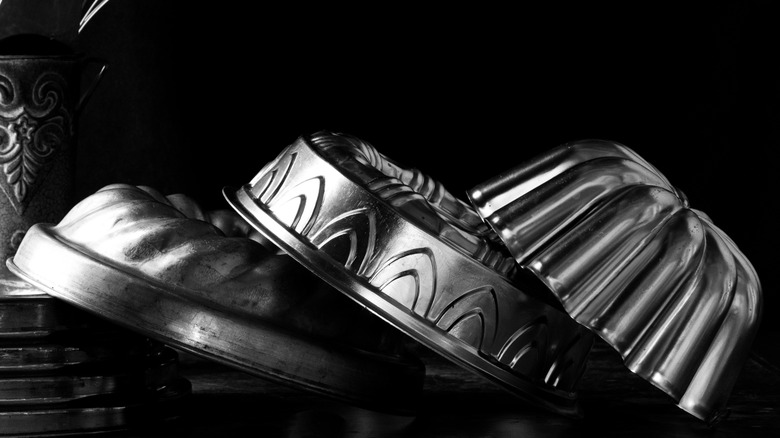
The most frequent cause of Bundt cake failure, leading to heartbreakingly fractured cakes, is inadequate preparation of the pan. The intricate details of a Bundt pan, designed to create beautiful patterns, also present numerous opportunities for batter to adhere, making a clean release paramount.
Generosity is Key in Greasing: Whether employing butter, oil, or a non-stick baking spray, a liberal application is essential. It’s not merely about coating the surface; the grease must penetrate every crevice, ridge, and detail of the pan.
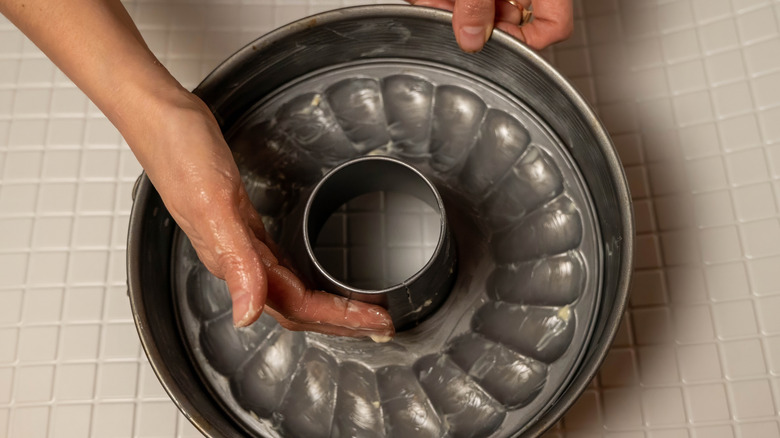
The Hands-On Approach: While brushes and sprays can be used, utilizing your fingers for greasing offers a tactile advantage. This method allows you to feel for any dry spots, particularly along the edges of the intricate patterns, ensuring complete coverage. Even when using a non-stick spray, a post-spray massage with your hands helps to distribute the coating evenly.
Timing is Everything: A common oversight is applying the grease too early in the baking process. If a pan is greased and left to sit for an extended period before the batter is ready, the grease can slowly drip down the sides, pooling at the bottom. This can lead to a greasy residue and an uneven release. Therefore, the greasing and flouring process should be performed immediately before the batter is poured into the pan.
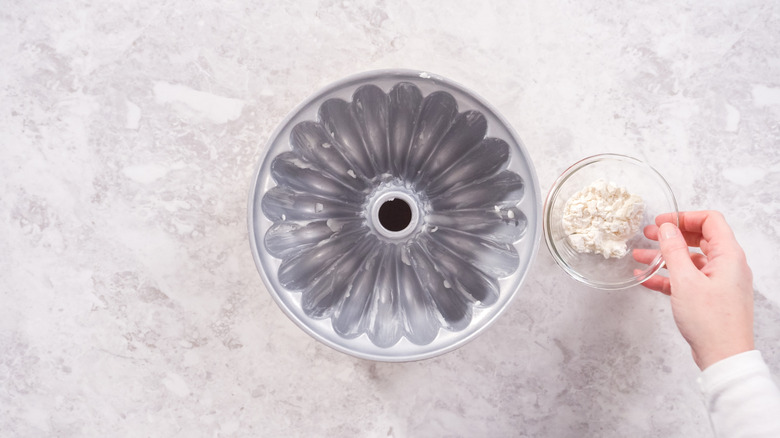
The Two-Layer Defense: Grease and Flour
While thorough greasing is vital, it is often not sufficient on its own for Bundt pans. A secondary layer of protection, typically a dusting of flour, significantly enhances the chances of a clean release. This two-pronged approach provides a robust barrier against sticking.
Beyond Wheat Flour: For those with gluten sensitivities or simply seeking alternative options, this flour dusting can be replaced with ingredients like almond flour or, for chocolate Bundt cakes, cocoa powder. Both have been found to perform comparably to wheat flour in terms of release and can even impart subtle flavor notes.
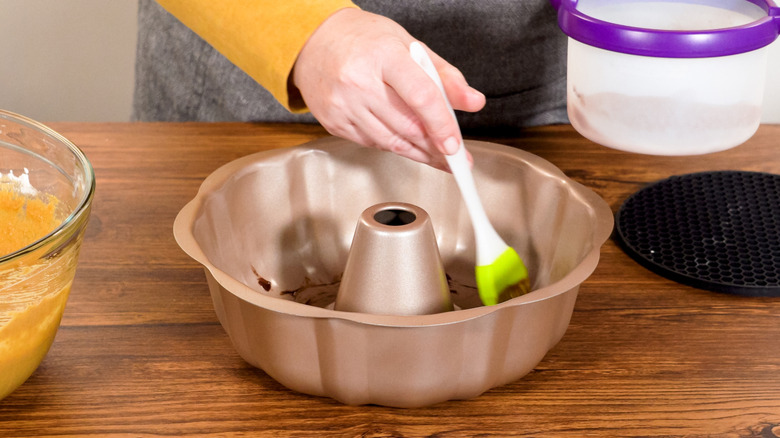
Don’t Forget the Center: A particularly critical, yet sometimes forgotten, area is the central tube of the Bundt pan. This prominent feature, which creates the cake’s signature hole, also comes into contact with the batter and requires the same diligent greasing and flouring as the outer walls. Failing to adequately prepare this central column can result in a cake that tears or sticks in the middle, marring the overall presentation.
Batter Management: The Sweet Spot
The quantity of batter introduced into the Bundt pan is another critical factor influencing the final cake’s success. Both underfilling and overfilling can lead to undesirable outcomes.
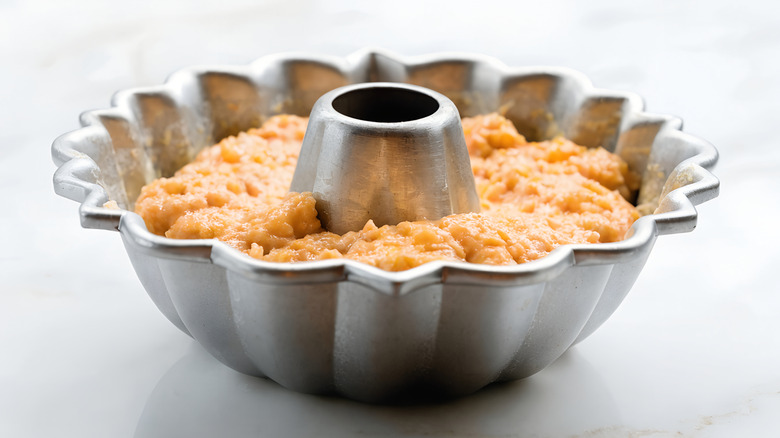
The Perils of Underfilling: Similar to using an oversized pan, too little batter will result in a cake that is too short, potentially leading to overbaking due to the pan’s internal heat distribution. Bundt pans are designed to cook from the inside out, meaning insufficient batter can cause the cake to become dry and dense.
The Risks of Overfilling: Conversely, overfilling the pan can cause the batter to overflow during baking, resulting in a misshapen cake with a rounded, uneven bottom. This also increases the likelihood of the cake being undercooked in the center.
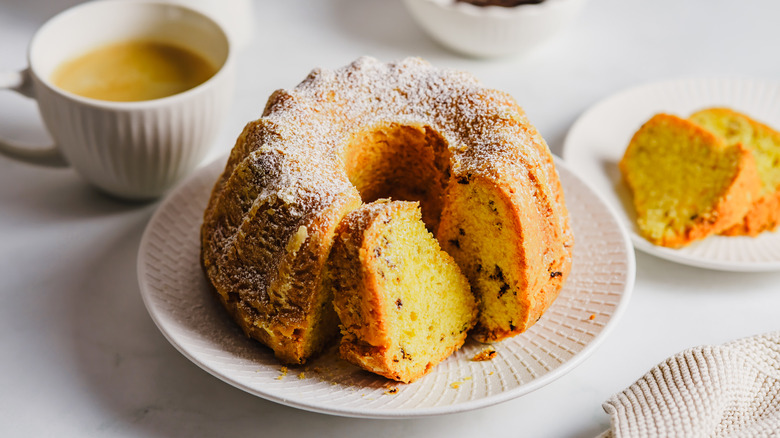
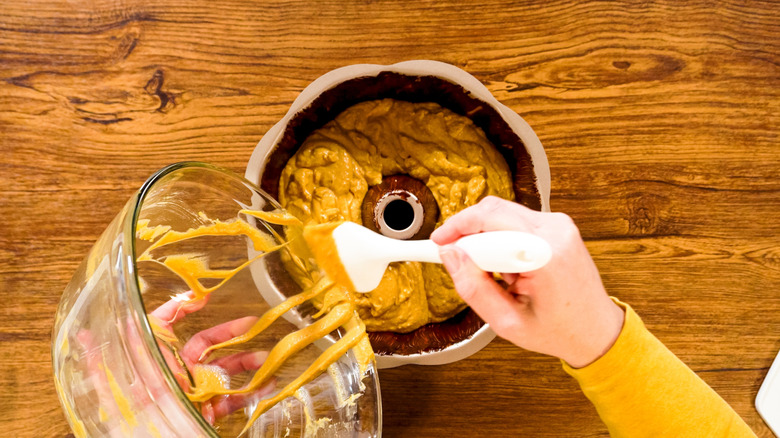
The Two-Thirds Rule: A reliable guideline to ensure even baking and a well-formed cake is to fill the Bundt pan no more than two-thirds of its capacity with batter. This allows for adequate expansion during baking without overwhelming the pan, promoting a beautiful, flat bottom and evenly cooked interior.
Recipe Selection: The Foundation of Success
While the allure of a beautiful Bundt pan might tempt bakers to use any cake recipe, this approach can be a recipe for disaster. The unique baking dynamics of Bundt pans necessitate specific types of cake batters.
Denser is Better: Cakes with a finer crumb and lighter structure, such as delicate sponge cakes or chiffon cakes, are more prone to breaking and crumbling when baked in a Bundt pan. The intricate shape and the need for the cake to release cleanly require a more robust structure.
Recommended Batters: Denser cake recipes, such as traditional pound cakes, fruitcakes, or even banana bread batters, are far better suited for Bundt pans. These recipes tend to have a more stable crumb that can withstand the baking process and the inversion required for release.
The Art of Unmolding: Patience is a Virtue
The moment of truth for any Bundt cake is its release from the pan. This delicate operation is fraught with potential pitfalls, the most common being impatience.
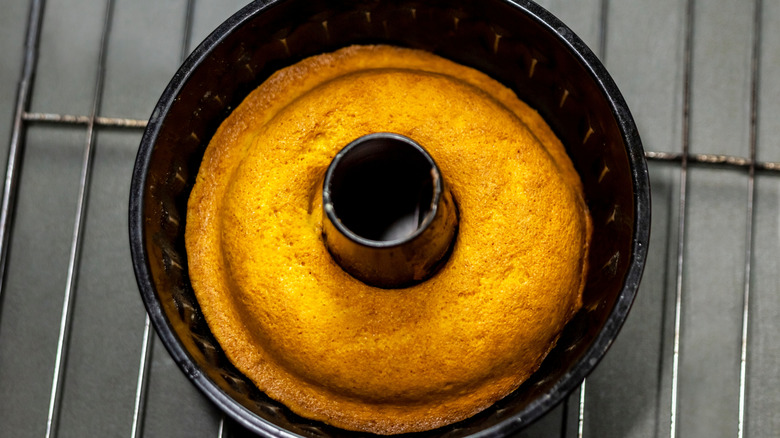
The Danger of Hot Unmolding: Attempting to unmold a Bundt cake while it is still excessively hot is a primary cause of breakage. While the aroma of a freshly baked cake is tempting, the cake’s structure is still fragile when hot. Allowing it to cool sufficiently provides the cake with the necessary stability to withstand the inversion process.
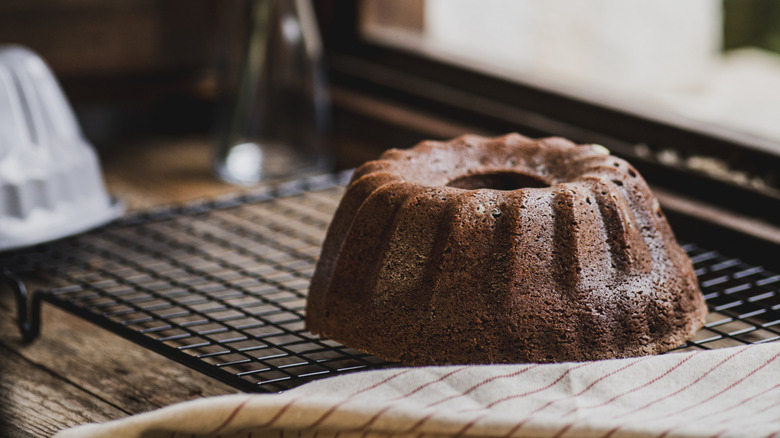
The Waiting Game: A cooling period of at least 15 minutes after removing the cake from the oven is generally recommended. This allows the cake to firm up, making it less likely to adhere to the pan or break apart. It is also crucial to wear oven mitts, as the pan will likely still be too warm to handle with bare hands.
Tools of the Trade: When it comes to gently coaxing a cake from a stubbornly detailed pan, using a knife is strongly discouraged. Knives can scratch the non-stick coating of the pan and damage the cake’s intricate details. Instead, a thin silicone spatula can be employed to carefully loosen any areas that might be sticking. Alternatively, lightly banging the inverted pan on the countertop can help dislodge the cake before flipping.
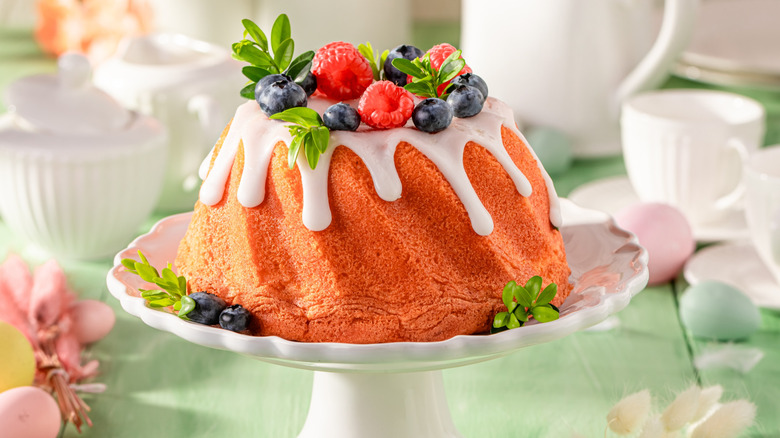
Beyond the Bake: Finishing Touches and Pan Care
Even after a successful bake and release, further steps can impact the final presentation and the longevity of your Bundt pan.
Glazing at the Right Temperature: Applying glaze to a warm cake is a common mistake that leads to a runny, uneven finish. The heat from the cake will melt the glaze, causing it to thin out and drip off, rather than setting in a beautiful cascade. Ensure the cake is completely cool to the touch before applying any glaze.
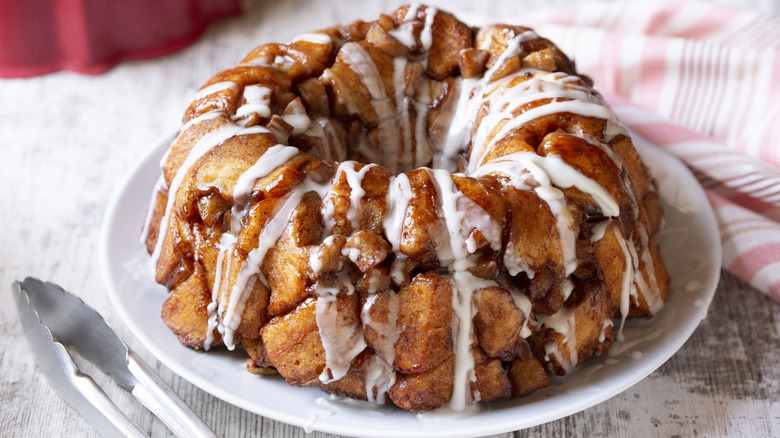
Embracing Flavor Innovation: While classic vanilla, chocolate, and coffee Bundt cakes are beloved, bakers should not shy away from more adventurous flavor profiles. Denser cake recipes lend themselves well to incorporating ingredients like fruits, liqueurs, or even spices. Exploring recipes such as sticky toffee, spiced rum, or chocolate cream cheese Bundt cakes can yield spectacular and delicious results.
Salvaging Imperfect Releases: In the event that a cake does not release perfectly, it is not a lost cause. Minor imperfections can often be artfully concealed with frosting, ganache, or decorative fruit. This approach ensures that even a slightly flawed cake can be transformed into a visually appealing dessert.
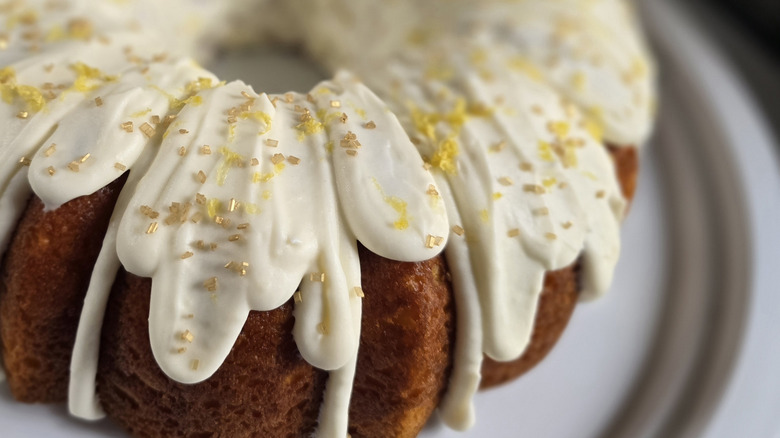
Meticulous Pan Cleaning: The intricate nature of Bundt pans makes cleaning a critical step often overlooked. Residual cake batter, even in small amounts, can bake onto the pan and affect subsequent bakes. After use, thoroughly clean the pan with warm, soapy water and a soft sponge. Pay close attention to all crevices and ridges, using your fingers to ensure no crumbs remain. Even after dishwashing, a tactile check is recommended to catch any missed spots. Avoid abrasive scrubbers, which can damage the non-stick surface. Proper care and cleaning will ensure your Bundt pan remains a reliable tool for creating beautiful cakes for years to come.
