
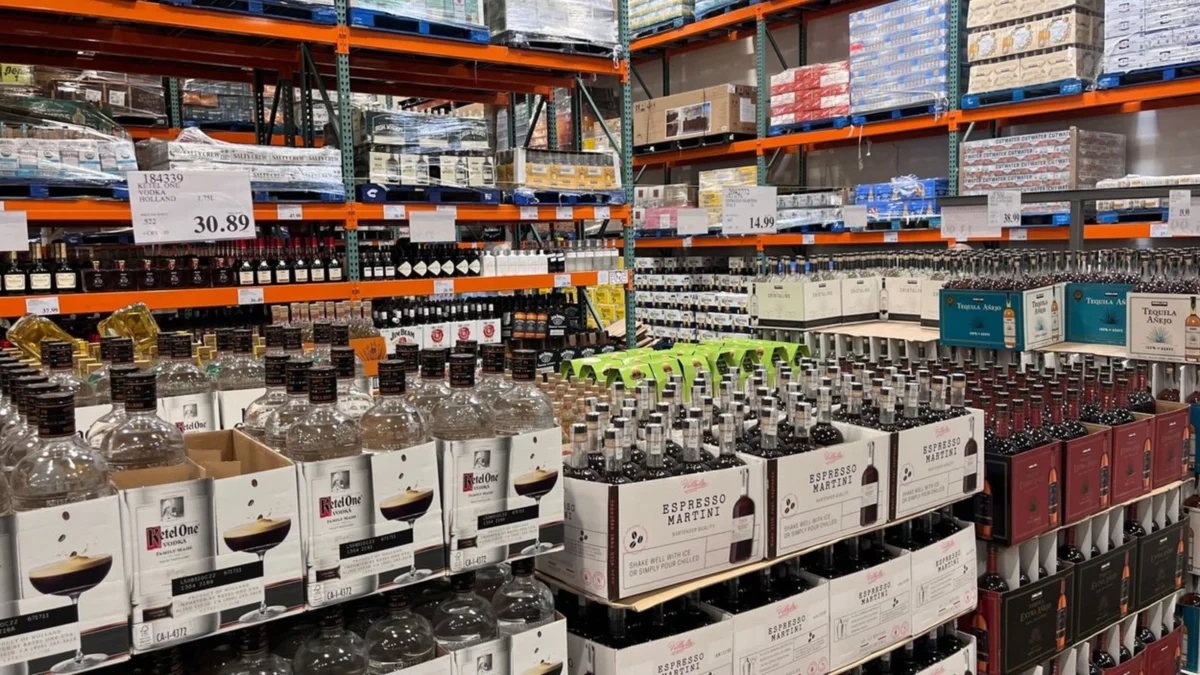
The shelves of Costco, a retail giant renowned for its value and extensive Kirkland Signature brand offerings, have recently seen the disappearance of several popular alcohol products. These discontinuations, often occurring without prior announcement, have left some loyal shoppers disappointed and questioning the future of their favorite Kirkland Signature beverages. From budget-friendly beers to convenient frozen cocktails and pre-mixed margaritas, these exits from Costco’s alcohol lineup offer a glimpse into the complex dynamics of product lifecycle management within a major retail environment. This article delves into the specific Kirkland Signature alcohol products that have ceased to be available at Costco, exploring the reported reasons behind their departure, the consumer reactions, and the broader implications for both the retailer and its dedicated customer base.
The Unfolding Narrative of Discontinued Kirkland Signature Alcohol
Costco’s Kirkland Signature brand has cultivated a significant following due to its reputation for delivering quality products at competitive prices. This extends to its diverse range of alcoholic beverages, which includes everything from spirits and wine to beer and ready-to-drink cocktails. However, the retail landscape is dynamic, and even established brands can face the challenge of product obsolescence or underperformance. The discontinuation of specific Kirkland Signature alcohol items is not merely a matter of empty shelves; it represents a strategic decision by Costco, influenced by consumer demand, production costs, market trends, and potentially, internal brand strategy.
The absence of these items prompts a closer examination of what leads to such decisions. Factors such as declining sales figures, negative consumer feedback, shifts in market preferences, or even supply chain disruptions can all contribute to a product’s eventual removal from a retailer’s offerings. For consumers who have incorporated these beverages into their regular shopping habits, the disappearance can be jarring. It highlights the ephemeral nature of product availability and the importance of appreciating beloved items while they are still on the shelves.
Kirkland Signature Light Beer: A Case of Unpopularity
One of the most notable departures from Costco’s alcohol selection was the Kirkland Signature Light Beer. Introduced to cater to the mass market demand for lighter, more affordable beer options, this product ultimately failed to resonate with a significant portion of the consumer base. The decision to cease its production and sale was reportedly made in August 2018, a move attributed directly to its profound lack of popularity.
At the time of its discontinuation, the Kirkland Signature Light Beer was positioned as an exceptionally attractive value proposition. A 48-pack could be purchased for a mere $22, a price point that significantly undercut many competing light beer brands. This aggressive pricing strategy, a hallmark of Costco’s approach, typically draws a considerable customer base. However, in this instance, the allure of affordability was not enough to overcome fundamental issues with the product itself.
Consumer reviews and anecdotal evidence suggest that the taste of the Kirkland Signature Light Beer was a significant deterrent. Reports described the flavor profile as highly unappealing, with some consumers drawing comparisons to unpleasant tastes, even likening it to urine. Such stark criticisms, while perhaps extreme, indicate a widespread dissatisfaction with the product’s palatability. Even with numerous strategies available to enhance the taste of budget-friendly beers, this particular offering apparently proved unsalvageable for a substantial segment of the market. The failure of Kirkland Signature Light Beer underscores the critical balance between price and quality; while value is a key driver for Costco shoppers, a baseline level of product satisfaction is indispensable for sustained sales.
Kirkland Signature Frozen Cocktails: A Nostalgic Concept That Missed the Mark
In a bid to tap into consumer nostalgia and the growing market for convenient, ready-to-consume alcoholic beverages, Costco introduced Kirkland Signature Frozen Cocktails. These products mirrored the familiar format of childhood frozen popsicles, offering a boozy twist in a convenient, freezer-ready format. Each unit was designed to be frozen and then consumed directly from its plastic sleeve, promising a refreshing and mildly intoxicating adult treat.
The appeal of these frozen cocktails was further amplified by their relatively low calorie count, reportedly around 100 calories per serving. This positioned them as a potentially appealing alternative for calorie-conscious consumers, especially in comparison to higher-calorie alcoholic beverages like many hard seltzers. The product also offered accessible flavor profiles, including popular options like watermelon hibiscus and lime drop, aiming to appeal to a broad audience.
Despite these promising attributes, the Kirkland Signature Frozen Cocktails did not achieve lasting success and were reportedly discontinued around 2023. The primary reason cited for their failure was a significant disconnect in taste and texture. Consumers frequently complained that the frozen cocktails were excessively sweet, to the point where some found them difficult to finish without mixing them with other beverages to dilute the overpowering sweetness. Beyond the flavor issues, some customers also noted an undesirable icy texture, suggesting a suboptimal frozen consistency. This product’s journey illustrates that while innovative concepts and familiar formats can attract initial interest, the execution of flavor and quality remains paramount for sustained consumer acceptance. The inability to deliver a satisfying taste experience ultimately led to this nostalgic concept failing to capture the market.
Kirkland Signature Strawberry Margarita: The "Death Star" and Its Departure
The Kirkland Signature Strawberry Margarita, a pre-mixed cocktail that offered a convenient and affordable way to enjoy a popular flavor, also found itself on the chopping block. Its discontinuation was signaled by a subtle yet significant indicator within Costco’s retail environment: the asterisk on product signage. This symbol, often referred to by savvy shoppers as the "death star," serves as a harbinger of a product’s impending removal from shelves. While not always a definitive sign of immediate discontinuation, its appearance on the Kirkland Signature Strawberry Margarita in late 2022 served as a strong indication of its imminent departure from Costco’s alcohol inventory.
The beverage was formulated with a blend of lime juice, sugar, and agave, and was notably priced affordably, with a full bottle costing under $10. This value proposition made it an attractive option for those seeking a convenient and budget-friendly margarita experience. While the product garnered a following among some consumers who appreciated its sweetness and ease of use, it also faced criticisms for being overly sweet, echoing some of the concerns raised about the frozen cocktails.
The discontinuation of the Strawberry Margarita in early 2023 left a void in Costco’s ready-to-drink margarita offerings. However, it is important to note that Costco has continued to offer a similar, non-strawberry flavored ready-to-drink margarita. This alternative beverage also maintains a competitive price point, providing a viable option for consumers who still desire a low-effort, budget-friendly margarita. The potential for the return of the strawberry variant, or the introduction of new flavored options, remains a possibility, as Costco occasionally reintroduces discontinued products based on market demand and strategic considerations.
Behind the Scenes: The Mechanics of Product Discontinuation at Costco
The decision to discontinue any product, especially within a high-volume retailer like Costco, is a multifaceted process. It involves rigorous data analysis, market research, and strategic planning. For Kirkland Signature products, the stakes are particularly high, as the brand represents a significant portion of Costco’s private label success.
Data-Driven Decisions: Costco heavily relies on sales data to inform its purchasing and stocking decisions. A consistent decline in sales volume for a particular product is a primary indicator that it may not be meeting consumer expectations or market demand. This data is meticulously tracked for every item on its shelves.
Consumer Feedback and Market Trends: Beyond raw sales figures, Costco monitors consumer feedback through various channels, including in-store interactions, online reviews, and customer service inquiries. Emerging market trends, such as shifts towards healthier options, different flavor profiles, or specific beverage categories (like hard seltzers or craft beers), also play a crucial role.
Profitability and Margin Analysis: Retailers like Costco operate on tight margins. If a product is not selling well, or if its production and distribution costs become prohibitive relative to its sales price, it can negatively impact overall profitability. Discontinuing such items frees up valuable shelf space and capital for more successful products.
Supply Chain Considerations: The reliability and cost-effectiveness of the supply chain are paramount. If a supplier experiences production issues, significantly increases prices, or if the logistics of distributing a particular product become too complex or expensive, it can lead to its removal.
Brand Strategy and Portfolio Management: Costco continuously evaluates its Kirkland Signature portfolio to ensure it aligns with the brand’s overall image and strategic goals. This involves identifying gaps in the market, capitalizing on emerging opportunities, and culling products that no longer fit the brand’s vision or performance expectations.
The "death star" asterisk, while a shopper-friendly indicator, is merely the visible tip of a complex iceberg of analysis and decision-making that occurs behind the scenes at Costco.
Implications for Consumers and the Retail Landscape
The discontinuation of these Kirkland Signature alcohol products has several implications for Costco’s vast customer base. Firstly, it underscores the need for consumers to remain adaptable and open to trying new products. What is a staple today might be a memory tomorrow. This can lead to a sense of urgency among shoppers to stock up on items they particularly enjoy, potentially creating temporary shortages.
Secondly, it highlights the power of consumer voice. The negative feedback regarding the taste of the light beer and frozen cocktails directly contributed to their removal. This reinforces the idea that even with competitive pricing, product quality and consumer satisfaction are non-negotiable. For brands and retailers, actively soliciting and responding to consumer feedback is crucial for long-term success.
For Costco itself, these discontinuations are part of a continuous process of portfolio optimization. By removing underperforming products, the retailer can allocate resources to more successful lines, introduce innovative new items, and maintain the perceived value and quality of the Kirkland Signature brand. This strategic agility is a key factor in Costco’s enduring success.
The broader implication for the retail alcohol market is the constant evolution of consumer preferences and the competitive pressure to innovate. Retailers and manufacturers must stay attuned to changing tastes, health consciousness, and convenience factors to remain relevant. The success of ready-to-drink options, for example, has led to a proliferation of similar products, making it challenging for any single offering to stand out without exceptional quality.
While the absence of these specific Kirkland Signature alcohol products may be a disappointment for some, it also signifies a dynamic and responsive retail environment. The ongoing assessment and refinement of product offerings ensure that Costco’s shelves continue to reflect the evolving demands and preferences of its discerning customer base. The possibility of these items returning, or new and improved versions emerging, remains a constant undercurrent in the ever-changing world of retail.
