
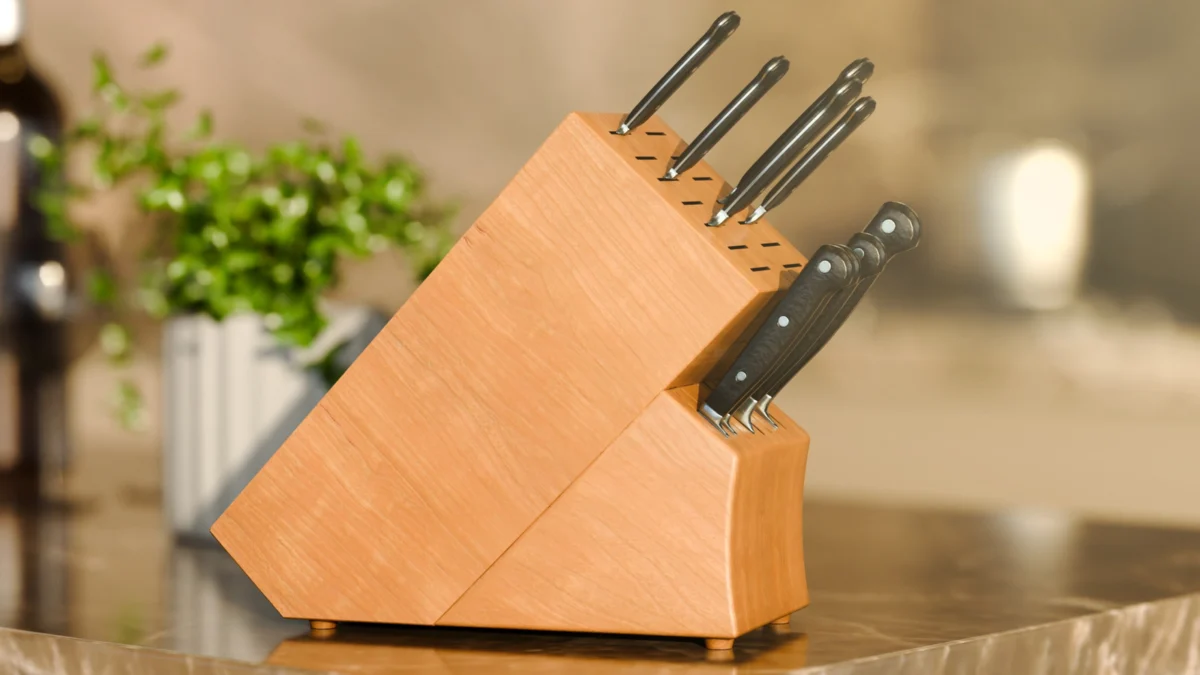
The modern kitchen, a space often envisioned as a streamlined hub of culinary creativity, can surprisingly become a casualty of excessive accumulation. In an era where online retail offers an endless array of specialized gadgets and a burgeoning interest in home cooking has fueled the market for kitchenware, many households find themselves grappling with a surplus of items. While the necessity of a cherry pitter or seventeen different types of pots and pans remains a personal decision, one ubiquitous kitchen accessory is now being widely re-evaluated: the traditional knife block. Once a symbol of a well-equipped kitchen, the knife block is increasingly being viewed as an outdated, inefficient, and even unhygienic storage solution.
The genesis of the knife block’s prominence can be traced back to the mid-20th century. Following the televised culinary revolution in the United States, spearheaded by influential figures like Julia Child, home cooking experienced a significant surge in popularity. This cultural shift prompted manufacturers to market kitchen knives not just as individual tools but as sets, often bundled and presented within a wooden block. Advertisements from the 1970s promoted these blocks as both practical for safeguarding blades and aesthetically pleasing additions to the countertop. For decades, they served this dual purpose, becoming a standard fixture in kitchens across America. However, contemporary culinary professionals and home cooks alike are questioning their utility, with many now considering them a relic of marketing past and a questionable investment.
The argument against the knife block extends beyond its considerable footprint on kitchen counter space. A significant concern among chefs is the potential for improper storage to compromise the integrity of knife blades. Unlike more modern storage solutions that allow knives to rest freely, the slots within a knife block can cause blades to rub against each other or the interior surfaces. This friction, particularly if the knife is dragged along the bottom of the slot, can lead to dulling and premature wear on the knife’s edge. This is a critical point, as maintaining a sharp edge is paramount for both safety and efficiency in the kitchen. A dull knife requires more force to cut, increasing the risk of slippage and injury.
Furthermore, the hygiene aspect of knife blocks has come under intense scrutiny. Recent studies and observations by health organizations have highlighted knife blocks as potential breeding grounds for bacteria. The narrow, often deep slots are notoriously difficult to clean thoroughly. Food particles, moisture, and residues can become trapped within these crevices, creating an environment conducive to bacterial growth. A study conducted by NSF International, a public health organization that sets standards for food safety and other areas, identified knife blocks as one of the top 10 kitchen items harboring the most bacteria. This finding underscores a significant drawback for a tool directly involved in food preparation, raising concerns about cross-contamination and the overall safety of food handled by knives stored in such a manner.
The Evolution of Knife Storage: From Blocks to Magnetic Strips
The growing dissatisfaction with traditional knife blocks has paved the way for the adoption of more innovative and practical storage methods. Chefs and culinary experts have increasingly advocated for alternative solutions that prioritize blade preservation, space efficiency, and superior hygiene. This shift reflects a broader trend in kitchen design and organization, moving towards minimalist, functional, and health-conscious approaches.
What Knives Do You Actually Need?
A core tenet of the argument against comprehensive knife sets, often sold within blocks, is that the average home cook rarely utilizes the full spectrum of knives provided. The vast majority of culinary tasks can be effectively accomplished with a select few high-quality knives. Culinary professionals generally agree that a functional kitchen can be equipped with just three essential knives:
- Chef’s Knife: This is the workhorse of the kitchen, indispensable for a wide range of tasks including chopping, slicing, mincing, and dicing vegetables, fruits, and meats. Its broad, tapering blade and comfortable handle allow for a secure grip and precise control.
- Paring Knife: With its small, sharp blade, the paring knife is designed for intricate tasks such as peeling fruits and vegetables, deveining shrimp, and making precise cuts or garnishes. Its compact size allows for excellent maneuverability.
- Serrated Bread Knife: The distinctive saw-like edge of a serrated knife is crucial for cleanly slicing through items with a tough exterior and soft interior, such as bread, tomatoes, and citrus fruits, without crushing them.
Beyond these three essentials, the need for additional knives becomes more specialized. For those who frequently work with smaller ingredients or require more delicate precision than a chef’s knife offers, a petty knife (a smaller, narrower utility knife) can be a valuable addition. Individuals who regularly process large quantities of meat or tough vegetables might find a cleaver beneficial for its weight and chopping power. For enthusiasts of Japanese cuisine, a Santoku knife is a popular choice, often lauded for its versatility and ease of use, bridging the gap between a chef’s knife and a utility knife. However, the acquisition of extensive, multi-piece knife sets, often presented in blocks, is widely considered by many in the culinary community to be an unnecessary expense, as many of the included knives are seldom used.
The Rise of the Magnetic Knife Strip
In direct contrast to the perceived shortcomings of knife blocks, magnetic knife strips have emerged as a preferred storage solution among professional chefs and increasingly, home cooks. This method of storage offers several compelling advantages:
- Enhanced Accessibility: Magnetic strips allow knives to be stored openly on a wall, providing immediate and easy access to the desired blade. This eliminates the need to rummage through a block or drawer, streamlining the cooking process.
- Space Optimization: By utilizing vertical wall space, magnetic strips free up valuable counter and drawer real estate, contributing to a less cluttered and more organized kitchen environment. This is particularly advantageous in smaller kitchens.
- Blade Preservation: When properly installed and used, magnetic strips ensure that knife blades do not come into contact with each other or with abrasive surfaces. This significantly reduces the risk of dulling and extends the lifespan of the knives. The blade edge remains exposed, preventing the wear and tear associated with sliding into tight slots.
- Superior Hygiene: Unlike the enclosed nature of knife blocks, magnetic strips offer a much more hygienic storage solution. The exposed blades are easily visible and can be wiped clean after each use. This eliminates the hidden nooks and crannies where bacteria can proliferate, as identified in studies like the one by NSF International. The ability to thoroughly clean the storage surface is a critical advantage in maintaining food safety standards.
Historical Context and Market Trends
The proliferation of knife blocks in the mid-to-late 20th century coincided with a broader consumer culture that embraced mass-produced, comprehensive sets for various household items. This marketing strategy aimed to position certain products as essential for a modern, aspirational lifestyle. The televised cooking boom provided the perfect catalyst for manufacturers to promote knife sets as a means for home cooks to emulate professional chefs.
However, the landscape of consumer expectations and product design has evolved. There is a growing appreciation for quality over quantity, and a greater emphasis on practical functionality and sustainability. This has led to a re-evaluation of many traditional kitchen items. Data from market research firms indicates a steady increase in the sales of individual, high-quality knives and specialized storage solutions like magnetic strips and in-drawer knife organizers, while the market share for traditional knife blocks has seen a relative decline over the past decade. This trend suggests a conscious shift in consumer priorities, moving away from perceived obsolescence towards more efficient and health-conscious kitchen practices.
Alternative Storage Solutions
While magnetic strips have gained significant traction, other viable alternatives exist for those who prefer not to install wall-mounted storage. Martha Stewart, a renowned lifestyle icon, has publicly advocated for utilizing kitchen drawers for knife storage. This method involves employing specially designed drawer inserts or organizers that provide individual slots for each knife, ensuring that blades are protected and kept separate. These inserts are often made of wood or acrylic and are designed to fit within standard kitchen drawers, offering a discreet and clutter-free storage option.
Another practical solution is the use of a knife roll or knife bag. These are typically made of durable fabric, often canvas or leather, and feature individual pockets or slots for each knife. Knife rolls are particularly popular among professional chefs who transport their tools to different kitchens or catering events. For home cooks, a knife roll offers a compact and portable way to store knives, keeping them organized and protected when not in use.
Implications and Broader Impact
The movement away from knife blocks signifies a broader shift in how consumers approach kitchen organization and tool selection. It reflects a growing awareness of hygiene, efficiency, and the importance of investing in quality tools that serve specific purposes.
For the Home Cook: This transition empowers home cooks to make more informed decisions about their kitchen purchases. Instead of being swayed by the idea of owning a large set, individuals can focus on acquiring the few essential knives that best suit their cooking style and needs. This can lead to significant cost savings and a more functional kitchen. The emphasis on proper storage also promotes safer cooking practices by ensuring blades are kept sharp and accessible.
For the Culinary Industry: The professional culinary world has long recognized the limitations of knife blocks. The widespread adoption of magnetic strips and other efficient storage methods by chefs sets a standard that influences home kitchen trends. This ongoing dialogue about best practices in kitchen organization contributes to a higher overall awareness of food safety and tool maintenance.
For Manufacturers: The evolving consumer preferences present an opportunity for manufacturers to innovate and adapt. Companies that focus on producing high-quality individual knives, versatile knife accessories, and user-friendly storage solutions are likely to see continued success. The demand for aesthetically pleasing yet highly functional storage options, such as sleek magnetic strips or well-designed in-drawer organizers, is expected to grow.
In conclusion, the traditional knife block, while once a staple of the modern kitchen, is increasingly being recognized as an inefficient, unhygienic, and ultimately unnecessary item. The culinary world’s embrace of more practical and health-conscious alternatives, such as magnetic knife strips, in-drawer organizers, and knife rolls, signals a significant evolution in kitchen practices. This shift not only benefits the home cook by promoting better organization and food safety but also reflects a broader consumer trend towards mindful consumption and the prioritization of quality and functionality over perceived completeness. The future of kitchen knife storage appears to be one of intelligent design, individual needs, and a steadfast commitment to the principles of culinary excellence and hygiene.
