
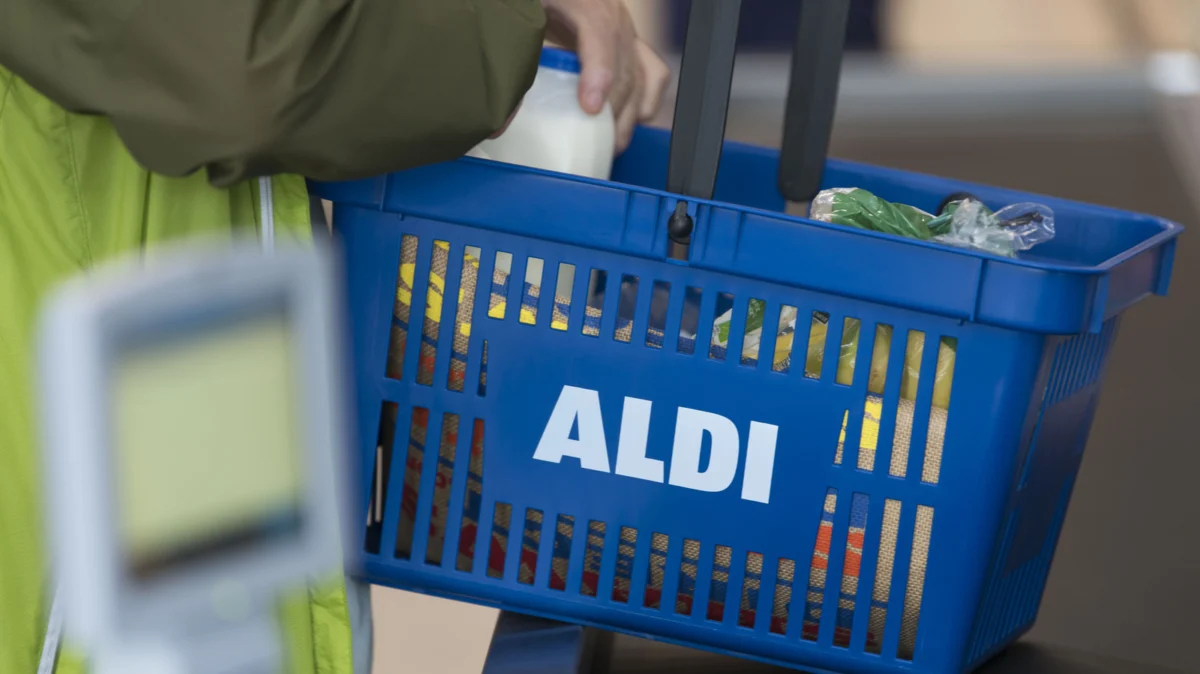
Low prices don’t always mean low quality, and Aldi is a prime example of this retail phenomenon. Renowned as one of the most budget-friendly grocery chains, Aldi consistently offers a surprising array of high-quality products. The question that often arises for consumers is how the retailer manages to maintain such competitive pricing without a perceived compromise on the quality of its offerings. A significant portion of this success can be attributed to Aldi’s strategic reliance on its private label brands, a cornerstone of its business model that allows for greater control over both production and pricing.
The Power of Private Labels: A Cornerstone of Aldi’s Affordability
Aldi’s operational strategy is deeply intertwined with its extensive portfolio of private brands. According to the company’s official website, over 90% of the items stocked on its shelves are exclusive to Aldi. This deliberate choice enables the retailer to bypass the substantial costs often associated with national brands, such as extensive marketing campaigns, advertising expenditures, and third-party distribution markups. By controlling the entire process from product development to the retail shelf, Aldi can significantly reduce overheads.
This vertical integration allows Aldi to maintain tighter margins and, consequently, offer lower prices to its customers. The savings generated from eliminating these external costs are passed directly on to the consumer, creating a compelling value proposition. This approach is a key reason why shoppers will find it rare to encounter traditional name-brand groceries within Aldi’s aisles; the focus is squarely on their own meticulously developed and curated brands.
Furthermore, the exclusivity of these private brands fosters a unique market dynamic. By offering products that are only available in Aldi stores, the company cultivates a sense of distinction and encourages customer loyalty. This strategy builds a dedicated customer base that may find the value and quality of Aldi’s own brands to be on par with, or even superior to, national competitors, thereby creating a powerful competitive advantage that transcends mere price point.
While the emphasis is on private labels, Aldi does maintain a degree of flexibility. The company acknowledges that it may occasionally carry a national brand if it is unable to source an exclusive brand that meets or surpasses the quality and taste of the established national product. This pragmatic approach underscores that quality remains a paramount consideration, even if it necessitates a deviation from the primary private-label strategy. This commitment to quality, coupled with its cost-saving measures, has solidified Aldi’s reputation as a retailer that delivers exceptional value.
Efficiency as a Driving Force Behind Low Prices
Beyond its private label dominance, Aldi’s commitment to operational efficiency is another critical factor in its ability to maintain low prices. The company has meticulously streamlined its processes to minimize unnecessary labor costs and operational expenditures, which are often significant for conventional grocery stores.
One of the most visible examples of this efficiency is the shopping cart system. Aldi employs a quarter-based system for its shopping carts, requiring customers to insert a small deposit (typically 25 cents) to unlock a cart. This ingenious method incentivizes shoppers to return their carts to designated corrals after use, effectively turning customers into unpaid cart collectors. This eliminates the need for dedicated staff to retrieve stray carts, a considerable labor saving.
The company’s approach to in-store services is also deliberately minimalist. Unlike many other grocery retailers, Aldi typically does not offer services such as complimentary baggers. Customers are expected to bag their own groceries, a practice that further reduces staffing requirements. This streamlined approach to customer service, while potentially requiring customers to adapt, directly contributes to lower operational costs, which are then reflected in product prices.
The rationale behind the reduced visibility of employees in Aldi stores is directly linked to this efficiency model. By optimizing tasks and minimizing the need for extensive customer-facing roles beyond checkout, Aldi can operate with a leaner workforce. This strategic decision, rooted in a deep-seated focus on efficiency, is a fundamental component of its low-price strategy.
Streamlined Store Operations and Product Merchandising
The philosophy of simplicity extends to the physical infrastructure and operational flow of Aldi stores. The retail spaces are intentionally designed to be smaller than those of many conventional supermarkets, resulting in lower real estate and operating costs. This more compact footprint also contributes to a more efficient shopping experience for customers, reducing the time and effort required to navigate the aisles.
Furthermore, Aldi’s store interiors are characterized by a lack of extraneous decoration or elaborate brand-specific displays. This minimalist aesthetic not only contributes to a cleaner and more focused shopping environment but also saves the company money on visual merchandising and promotional materials. By avoiding costly in-store advertising and elaborate displays, Aldi can redirect those savings into maintaining lower product prices.
A notable aspect of Aldi’s merchandising strategy is its practice of displaying products directly in their shipping cartons. This method simplifies the stocking process for employees, as it eliminates the need to individually unpack and arrange items on shelves. Products are often placed directly on the shelves within the boxes they arrived in, allowing for quicker replenishment and reducing the labor associated with restocking. This efficient inventory management system further contributes to reduced operational costs.
This distinct operational philosophy, often described as "Germanic efficiency," is a departure from the more elaborate and labor-intensive models prevalent in many American grocery chains. Despite these differences, Aldi’s approach has proven remarkably successful, demonstrating that a focus on streamlined operations and cost-consciousness can resonate with consumers even in diverse markets.
The Broader Impact and Consumer Implications
Aldi’s success in offering high-quality products at consistently low prices has had a significant impact on the grocery retail landscape. It has challenged traditional notions that affordability must come at the expense of quality, forcing other retailers to re-evaluate their own pricing and operational strategies. The rise of discount grocers like Aldi has contributed to increased price competition across the sector, benefiting consumers by driving down overall grocery costs.
For consumers, Aldi’s model presents a compelling choice. It offers an avenue for budget-conscious shoppers to access a wide range of everyday essentials and even premium-quality goods without straining their finances. The retailer’s commitment to rigorous quality control for its private brands means that shoppers can often find products that rival or exceed the quality of national brands, but at a fraction of the price.
The implications of Aldi’s strategy extend beyond individual savings. By promoting efficient business practices, Aldi contributes to a more sustainable and cost-effective food supply chain. Its focus on minimizing waste through efficient inventory management and packaging also aligns with growing consumer demand for environmentally responsible retail practices.
A Look at Aldi’s Growth Trajectory
Aldi’s journey to becoming a global grocery powerhouse is a testament to its enduring business model. Founded in Germany in 1913, the company expanded internationally, with its U.S. operations beginning in 1976. Over the decades, Aldi has experienced consistent growth, driven by its unwavering commitment to its core principles of low prices and high quality.
The company’s expansion in the United States has been particularly notable. As of recent reports, Aldi operates thousands of stores across the country, with ambitious plans for further growth and store openings. This rapid expansion is a direct reflection of the strong consumer demand for its unique value proposition. The retailer has consistently invested in store renovations, technology upgrades, and the expansion of its product lines, including a growing emphasis on organic and specialty items, further enhancing its appeal to a wider demographic.
This sustained growth is not merely a result of aggressive expansion but also a testament to the effectiveness of its operational efficiencies. For instance, a 2022 report highlighted that Aldi’s private label brands consistently outperform national brands in blind taste tests, reinforcing the company’s claim of delivering quality alongside affordability. This ongoing validation from consumers and independent evaluations continues to fuel Aldi’s success and its position as a leader in the budget grocery segment.
Conclusion: A Model of Strategic Success
In conclusion, Aldi’s ability to offer high-quality products at remarkably low prices is not a result of chance but a carefully orchestrated strategy. The company’s unwavering dedication to its private label brands, coupled with an obsessive focus on operational efficiency, forms the bedrock of its success. From incentivizing customer participation in cart retrieval to streamlining store operations and merchandising, every aspect of Aldi’s business is designed to minimize costs and maximize value for the consumer.
This model has not only allowed Aldi to thrive in a competitive market but has also fundamentally influenced consumer expectations regarding price and quality in the grocery sector. As consumers continue to seek out value without compromising on the quality of their food, Aldi’s innovative and efficient approach is likely to remain a benchmark for retail success for years to come. The retailer’s consistent ability to deliver on its promise of affordability and quality solidifies its position as a trusted and indispensable part of the modern grocery landscape.
