
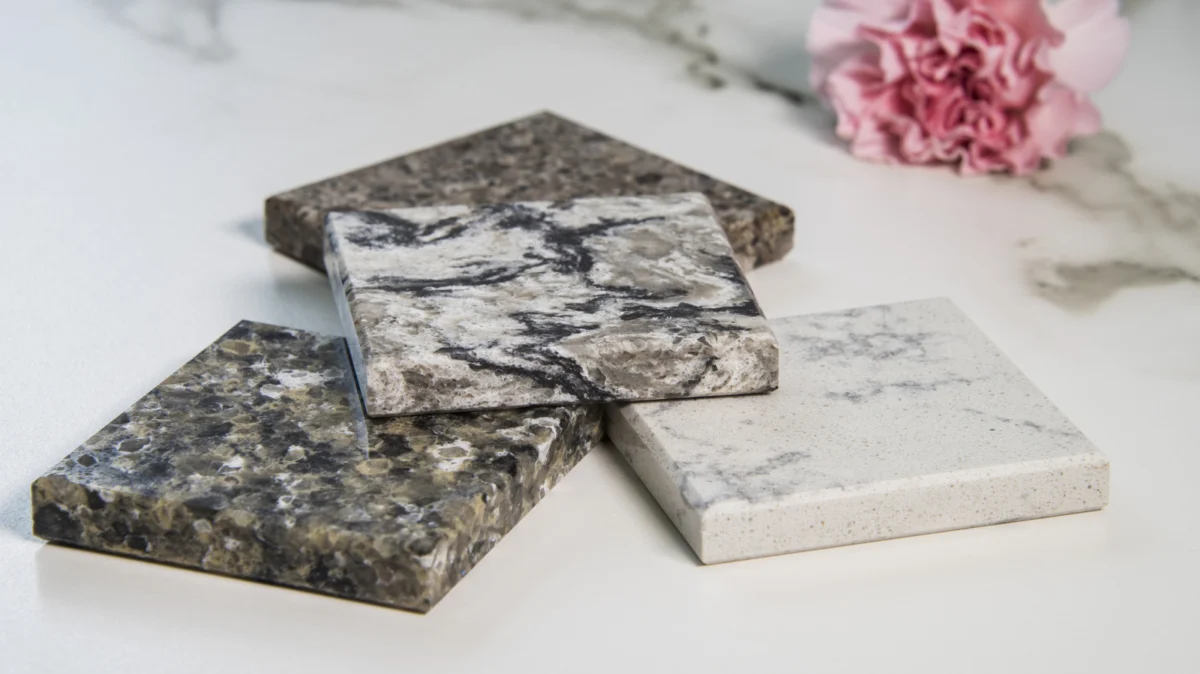
The Rise and Fall of the Modular Granite Trend
To understand why modular granite has become a contentious subject, one must examine the evolution of the stone countertop industry. Historically, granite installation was an exclusive, high-end service. Fabricators would visit a home, take precise measurements, create templates, and cut massive, heavy slabs in specialized shops before transporting them to the job site. This process ensured a seamless, durable, and highly stable surface.
In the mid-2000s, as the home improvement DIY (Do-It-Yourself) movement gained momentum, a niche market emerged for "modular" granite. These products were designed to be mass-produced in standardized dimensions—typically 24 inches deep with varying lengths—to fit common base cabinet configurations. The intent was to bypass the high costs of professional fabrication and installation. By the 2010s, home improvement retailers and third-party liquidators began stocking these pieces, marketing them as an accessible entry point for middle-class renovation projects.
However, the rapid adoption of these products was quickly followed by a wave of consumer complaints. By 2018, industry reports began highlighting a recurring pattern: modular installations were experiencing seam failure, cracking, and surface delamination at rates significantly higher than traditional custom-cut slabs.
Structural Deficiencies and Material Integrity
The primary criticism of modular granite lies in its physical construction. A standard custom slab of granite is typically 1.25 inches (3 centimeters) thick, providing the structural mass necessary to bridge gaps between cabinets without excessive deflection. In contrast, many modular granite products are manufactured at a reduced thickness—often 2 centimeters or less—to facilitate easier shipping and handling for the average consumer.
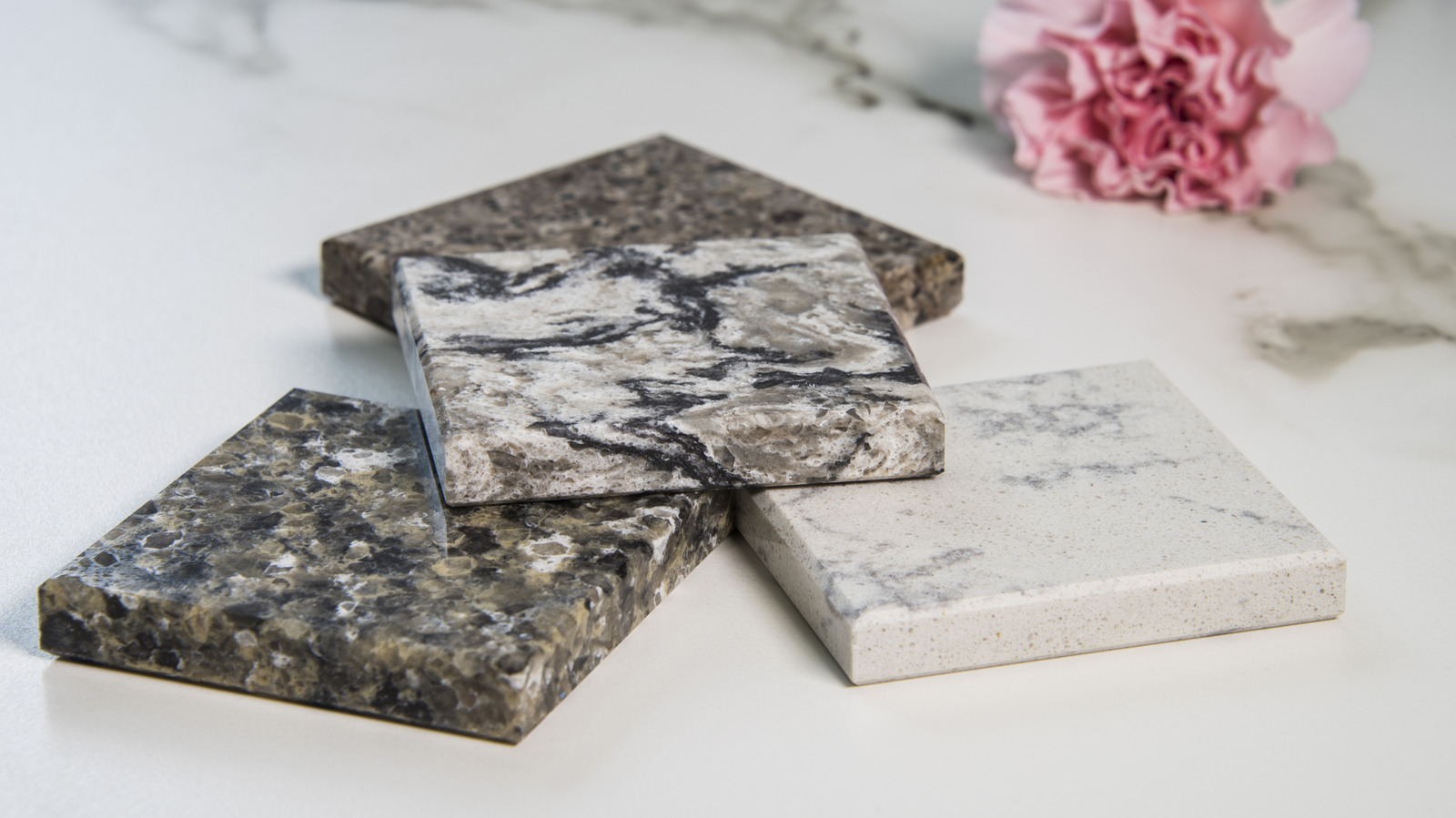
This reduction in thickness has profound implications for structural integrity. Natural stone, while hard, is brittle. A thin slab of granite lacks the tensile strength of a thicker piece, making it highly susceptible to fractures when subjected to the weight of heavy kitchen appliances, pots, or accidental impacts. Furthermore, because modular granite is designed in pre-cut sections, the installation requires a significantly higher number of seams compared to a custom installation.
Seams represent the weakest point of any stone countertop. In a professional fabrication setting, seams are joined using high-quality epoxy resins color-matched to the stone and polished until they are nearly invisible. Modular installations, often performed by less experienced installers or homeowners, frequently rely on inferior adhesives or improper leveling techniques. When the granite pieces are not perfectly flush or the cabinets beneath are slightly uneven, the resulting stress at the seam often leads to hairline cracks that migrate across the slab over time.
The Economic Implications of "DIY Savings"
Homeowners often gravitate toward modular granite based on the assumption that they are saving money. A typical custom granite installation can cost between $95 and $150 per square foot, depending on the rarity of the stone and the complexity of the edge profile. Modular granite is often marketed at a significantly lower price per square foot.
However, a fact-based analysis of the total cost of ownership reveals a different picture. When calculating the expense, homeowners must account for:
- Shipping and Handling: Due to the fragility of the stone, specialized crating and freight shipping are often required, which can negate the initial price savings.
- Waste Factor: Modular slabs come in fixed sizes. Unlike custom fabrication, where a slab is cut to fit the exact dimensions of a kitchen, modular granite often results in high levels of material waste, as homeowners must purchase more square footage than they actually need to accommodate their specific counter layout.
- Maintenance and Repair: The high frequency of seams in a modular kitchen requires periodic maintenance of the sealant. If a seam fails or a slab cracks, professional repair is often more expensive than the original cost of the slab itself, as few fabricators are willing to take on the liability of repairing inferior, pre-cut products.
Market Limitations and Aesthetic Constraints
Beyond the structural concerns, modular granite significantly limits the design potential of a kitchen renovation. Because these pieces are mass-produced, they are typically limited to a narrow selection of common colors and patterns. Homeowners looking for the unique veining, dramatic movement, or exotic color profiles found in natural stone are rarely satisfied with the bland, homogenous options available in modular formats.
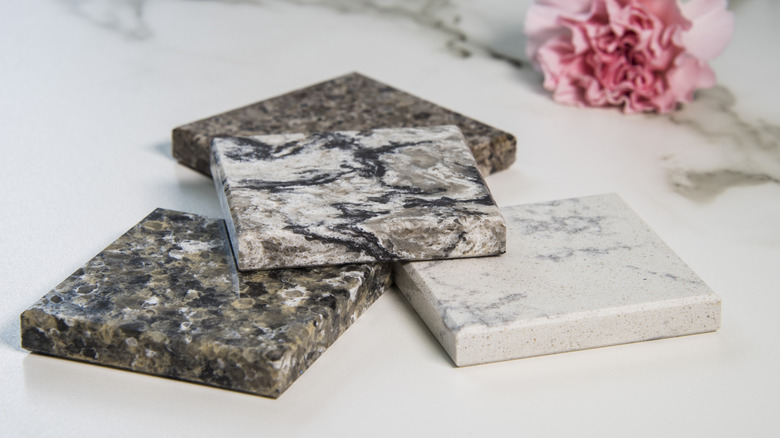
Furthermore, the lack of customization extends to the edge profile. Most modular pieces come with a standard "bullnose" or "eased" edge, which cannot be modified without specialized equipment. This prevents homeowners from achieving a cohesive look with the rest of their cabinetry or home architecture.
Professional Perspectives and Industry Standards
Stone fabrication experts and interior designers consistently advise against the use of modular granite for primary kitchen surfaces. The consensus among professionals is that the "hidden costs"—specifically the risk of structural failure and the inability to repair the stone—make it a poor long-term investment.
"When you buy a custom slab, you are buying the expertise of the fabricator who understands the internal crystalline structure of that specific piece of stone," says a representative from a regional stone trade association. "Modular granite is a commodity product. It is treated like tile, but it behaves like a stone slab. It is an engineering mismatch that almost always leads to a loss of value for the homeowner."
Better Alternatives for the Value-Conscious Homeowner
For homeowners aiming to renovate on a budget without sacrificing quality, industry experts suggest several more viable alternatives:
- Entry-Level Custom Granite: Rather than choosing modular, consult a local stone yard for "entry-level" custom granite. These are often high-volume stones that are plentiful and affordable. By selecting a standard color and an eased edge, the cost of custom fabrication is often much closer to the price of modular products than homeowners might assume.
- Engineered Quartz: Quartz is an engineered material that offers the aesthetic of natural stone with increased durability. Because it is manufactured with resins, it is non-porous and significantly less likely to crack or stain than natural granite. Many manufacturers offer price-competitive options that include professional installation.
- Island-Only Upgrades: A popular trend for budget-conscious renovators is the "dual-material" kitchen. Homeowners can invest in a high-end, eye-catching natural stone slab for a central island—where the impact is greatest—and pair it with a more cost-effective, simple stone or quartz for the perimeter countertops. This allows for a luxury aesthetic while managing the total project budget.
Conclusion: The True Cost of Convenience
The shift toward modular granite was driven by the desire for quick, inexpensive home upgrades. However, the experience of many homeowners suggests that the convenience of modular stone is deceptive. The increased susceptibility to cracking, the lack of aesthetic variety, and the structural weakness introduced by multiple seams make it a less-than-ideal choice for a high-traffic area like a kitchen. For those seeking long-term value, the data suggests that investing in professional, custom-fabricated surfaces—or choosing engineered alternatives—remains the superior path for protecting one’s home equity and ensuring the longevity of a kitchen renovation. When it comes to kitchen infrastructure, the initial investment in quality installation is almost always lower than the eventual cost of replacing a failed surface.
