
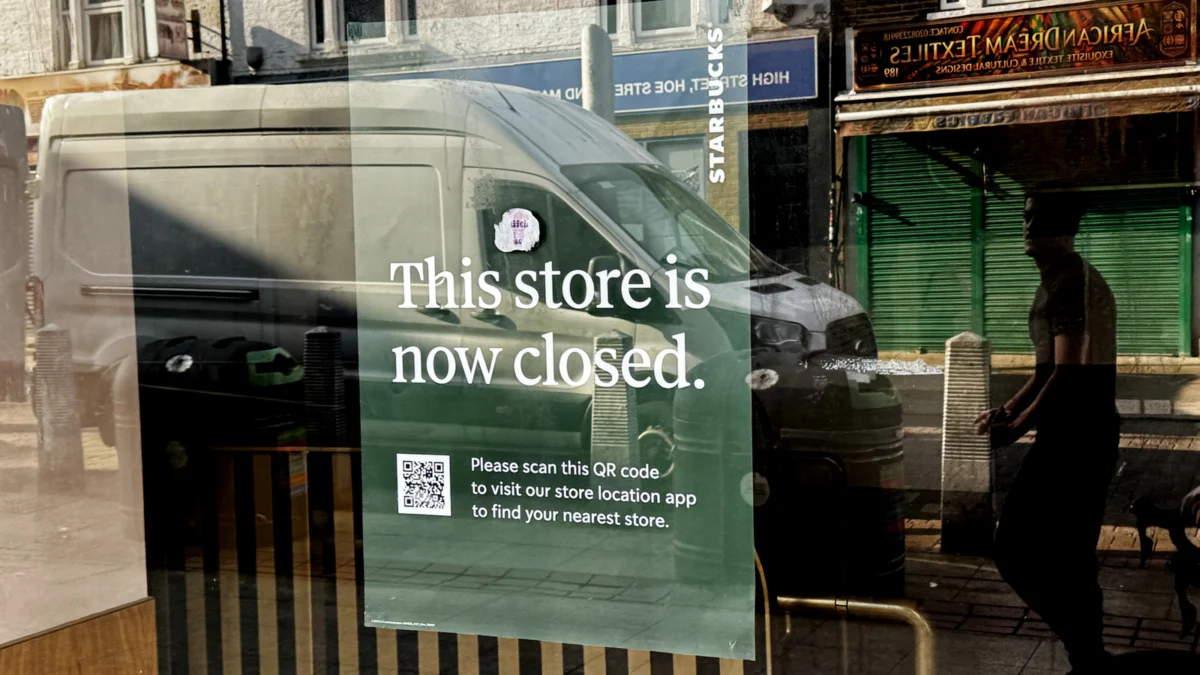
On September 24, Starbucks Corporation issued an official communication outlining a major strategic pivot, framing the shift under the optimistic banner of a "Back to Starbucks" initiative. While the company emphasized its commitment to "accelerating the pace toward completing 1,500 coffeehouse uplifts," the underlying reality of this corporate restructuring was stark: the permanent closure of 250 locations across North America. This move, which took effect by the end of that same week, marks a significant consolidation of the company’s footprint, raising questions about market saturation, operational efficiency, and the shifting habits of the modern coffee consumer.
The Chronology of the Restructuring
The announcement arrived as the culmination of months of internal evaluation. Reports of impending layoffs and store closures had begun to surface as early as mid-September, signaling that the coffee giant was preparing for a leaner operational model. By September 25, the internal strategy became a public reality as hundreds of employees received notice of store shutterings.
The "Back to Starbucks" strategy is designed to streamline the company’s operations, focusing on core store performance rather than aggressive expansion. This shift represents a departure from the rapid growth model that defined the brand for much of the last decade. Instead, the company is pivoting toward "coffeehouse uplifts," an effort to modernize existing stores, enhance the partner (employee) experience, and improve the efficiency of mobile ordering and delivery workflows. However, for 250 communities, this strategy has resulted in the immediate loss of access to their local Starbucks.
Regional Impact and Distribution of Closures
The closures are not distributed evenly across the United States. A data-driven analysis of the shutterings reveals that the states with the highest density of Starbucks locations have borne the brunt of the reduction.
California, which maintains the largest footprint of Starbucks locations in the nation, has been impacted the most severely, losing 43 stores. This figure represents a notable contraction in a state where the brand has been a ubiquitous feature of urban and suburban landscapes for years. New York followed with 16 closures, while Texas saw 14 locations shuttered.
Outside of these primary markets, the impact is spread across the country, with most other states losing 10 or fewer locations. Canada has also been subject to this restructuring, losing 17 of its locations. These figures highlight a clear strategy of pruning underperforming stores in high-density areas to optimize the company’s real estate portfolio.
The Disproportionate Burden on Smaller Markets
While the raw numbers in California and New York attract the most attention, the impact on states with smaller total store counts is arguably more significant in terms of local accessibility. For states with limited Starbucks infrastructure, the loss of even a few stores represents a substantial percentage of their total retail presence.
Vermont serves as a primary example. As a state with one of the most expensive average prices for a Starbucks beverage and a relatively low number of stores, the loss of a single location is statistically significant for the local consumer base. Similarly, North Dakota—which operated only 29 locations—saw two stores close. In Rhode Island, the loss of two stores out of a total of 35 represents a meaningful reduction in the state’s total availability. When a market loses nearly 10% of its footprint, the shift in consumer experience is palpable, moving the brand further from its goal of being an "accessible third space."
Contextualizing the "Back to Starbucks" Strategy
The decision to close these locations is rooted in the company’s recent financial performance and a desire to return to its roots as a premium coffeehouse experience. Starbucks has faced increasing pressure from competitors in the specialty coffee sector, as well as a post-pandemic shift in consumer behavior that favors mobile orders over the traditional "sit-down" cafe experience.
Management has publicly stated that these closures are necessary to ensure the long-term sustainability of the brand. The "uplift" program, which involves significant capital investment in store renovations, requires a level of resource allocation that necessitates the trimming of stores that fail to meet productivity benchmarks. By consolidating the store count, Starbucks aims to focus its human and financial capital on locations that offer the highest return on investment and the most consistent operational standards.
Broader Economic and Labor Implications
The closure of 250 stores has clear implications for the labor market. While Starbucks has not released a comprehensive breakdown of the number of employees affected, the closures inherently involve a reduction in workforce or the necessity of relocating staff to neighboring stores. For many local communities, the loss of a Starbucks is more than just a retail change; it represents the loss of a hub for social interaction and a source of employment.
Economists observing the move note that this is part of a broader trend among major quick-service restaurant (QSR) chains. Faced with rising labor costs, supply chain volatility, and a saturated market, many brands are prioritizing "quality over quantity." By reducing the number of locations, companies can theoretically reduce overhead costs and improve the quality of service at remaining sites. However, this strategy carries the risk of alienating customers who may find the nearest store now significantly less accessible.
Official Responses and Future Outlook
In its official press release, Starbucks management framed the decision as a necessary step for the future. "Our Back to Starbucks strategy is working," the company stated, emphasizing that the focus remains on "creating coffeehouses customers love and partners are proud of." The official tone suggests that while the closures are difficult, they are viewed as a prerequisite for the company’s long-term financial health.
Industry analysts are watching to see if this consolidation will be sufficient to curb the headwinds facing the company. The "uplift" initiative is expected to continue through the coming fiscal year, and investors will be looking for data in the next quarterly report to see if the store closures correlate with improved margins and higher per-store profitability.
Conclusion
The closure of 250 Starbucks locations is a reflection of a rapidly maturing market. As the company transitions from a phase of massive, continuous expansion to one of strategic refinement, the landscape of coffee retail in the United States is changing. While the raw numbers tell a story of regional concentration—with California and New York experiencing the most substantial physical loss—the reality for smaller states is one of diminished accessibility.
As Starbucks moves forward with its "Back to Starbucks" strategy, the focus will likely remain on enhancing the efficiency of its remaining stores. For the consumer, the immediate impact is a smaller network of locations; for the company, it is a test of whether a smaller, more optimized footprint can indeed foster the loyalty and performance that the brand requires to maintain its dominant position in the global coffee industry. The success of this strategy will be determined not by the number of stores closed, but by the performance and customer satisfaction levels of those that remain open.
