
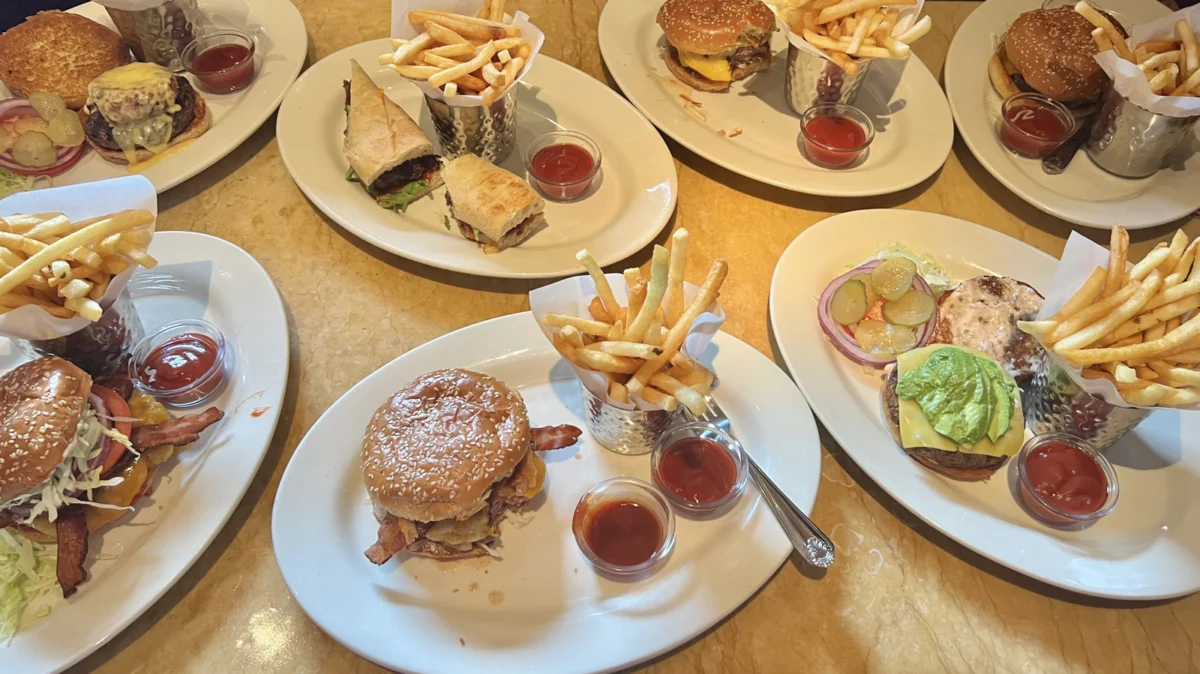
The Cheesecake Factory, a titan in the American casual dining landscape, has long been recognized for a menu of unprecedented scale. While the brand’s namesake cheesecakes—boasting 35 distinct flavor profiles—often dominate public discourse, the chain’s savory offerings, particularly its proprietary line of "Glamburgers," represent a significant portion of its culinary identity. These burgers, crafted from premium Certified Angus Beef in the company’s signature scratch kitchens, are designed to reflect the brand’s commitment to high-volume, high-quality dining. To understand the consistency and quality of these offerings, a comprehensive assessment of 10 signature burger varieties was conducted, evaluating criteria such as ingredient integration, textural balance, and overall culinary execution.
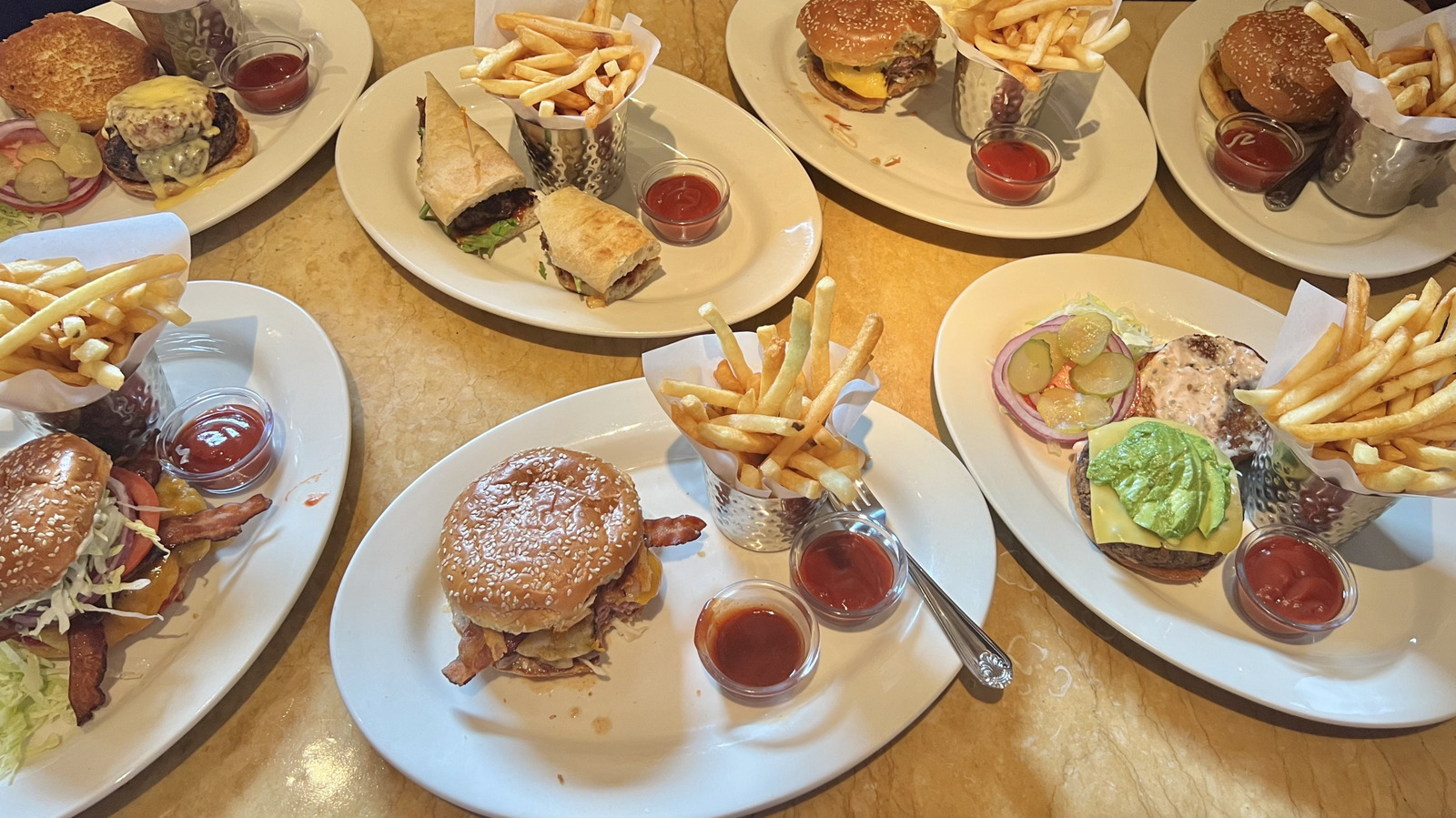
The Evolution of the Glamburger
The term "Glamburger" was coined by Cheesecake Factory founder David Overton to distinguish the chain’s offerings from standard, mass-market burgers. The marketing strategy behind the name suggests that the complexity and quality of the toppings elevate the product beyond the scope of a traditional fast-food sandwich. The chain’s operational model relies heavily on a centralized scratch-cooking philosophy, which ensures that sauces, dressings, and many toppings are prepared in-house. This strategy is essential for a brand that serves millions of guests annually across hundreds of locations, as it maintains a level of perceived "freshness" that separates it from standard quick-service competitors.
Evaluation Criteria and Methodology
The assessment of these 10 burgers involved a controlled tasting of the current menu, excluding turkey or alternative protein variants. Each burger was evaluated on its structural integrity—specifically how well the bun held the weight of the patty and toppings—the quality of the beef, and the synergy of the flavor profiles. It is important to note that the sheer volume of ingredients in a Cheesecake Factory burger poses a unique challenge: the "meat-to-bun" ratio must be meticulously managed to avoid a disjointed dining experience.
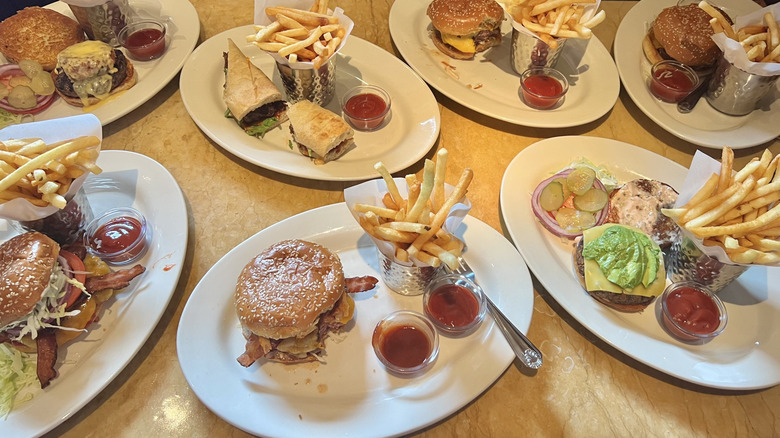
Ranked Analysis of the Menu
The ranking reflects a spectrum from standard, traditional options to more experimental, texture-heavy creations.
-
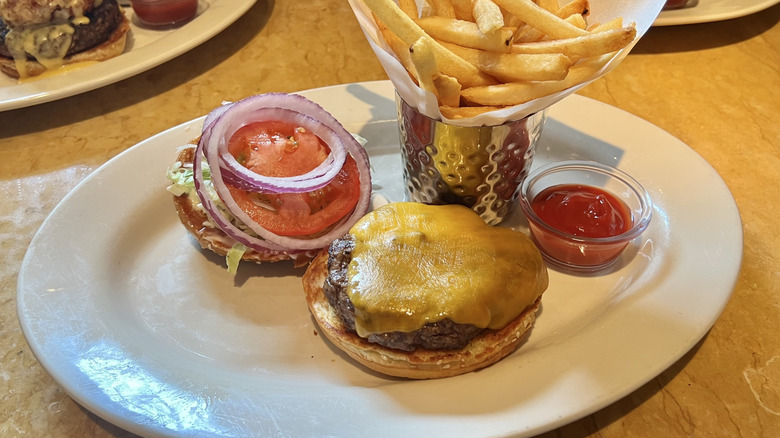
Old Fashioned Burger: This entry serves as the baseline. Featuring a standard charbroiled patty with lettuce, tomato, onion, and mayonnaise on a brioche bun, it fulfills the basic requirements of a classic burger. However, in the context of the wider menu, its reliance on standard condiments renders it somewhat monotonous. It serves as a reliable option for conservative palates but lacks the "glamour" suggested by the brand’s marketing.
-
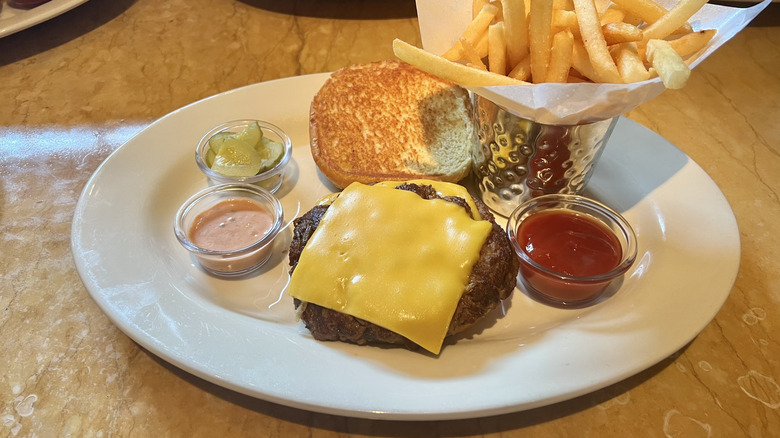
Double Smash Cheeseburger: By utilizing smash-style patties, this burger attempts to capitalize on a current culinary trend. While it features high-quality American cheese and caramelized onions, the execution of the crust—a defining feature of a true smash burger—was inconsistent. The DIY-style side service of condiments, while appreciated for customizability, resulted in a less cohesive final product.
-
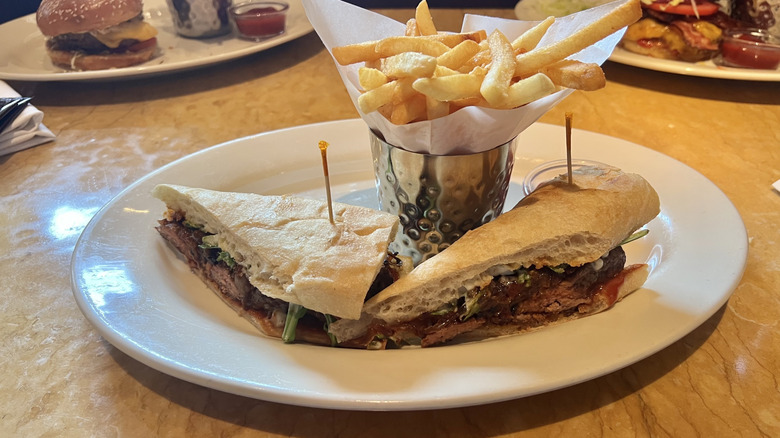
Bistro Burger: Attempting to bridge the gap between a French dip sandwich and a burger, this option features a baguette-style bun, garlic aioli, and bacon. While the components are high quality, the lack of an au jus component for dipping and the use of ground beef rather than shaved steak left the concept feeling slightly confused.
-
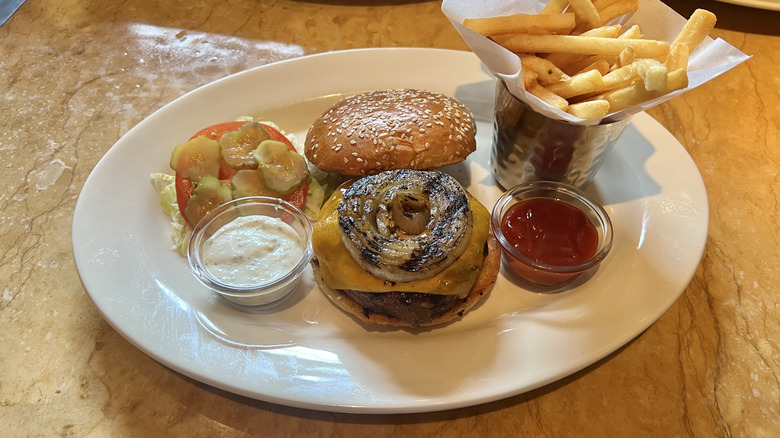
Classic Burger: An upgrade to the Old Fashioned, this burger utilizes a "Chop House" patty that is notably thicker and more seasoned. The inclusion of hibachi-style grilled onions provides a depth of flavor that the raw onion rings in the entry-level burger lack.
-
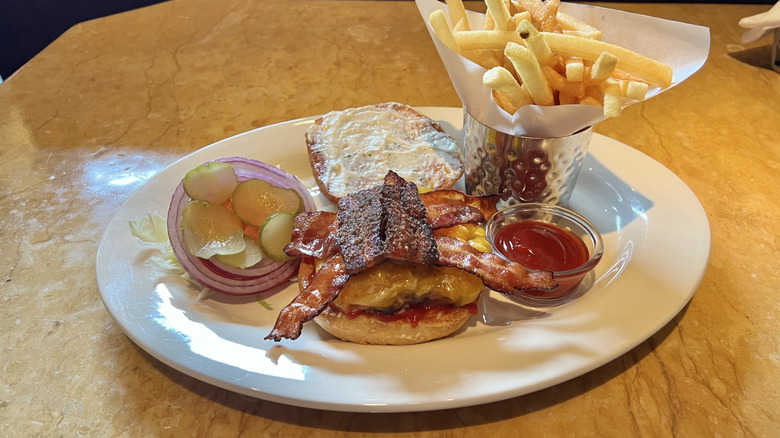
Bacon-Bacon Cheeseburger: This item distinguishes itself by utilizing two distinct types of bacon: standard crispy strips and thick-cut, slow-roasted smoked bacon. This variety in texture and fat content elevates it above simpler bacon cheeseburgers, though the condiment profile remains somewhat standard.
-
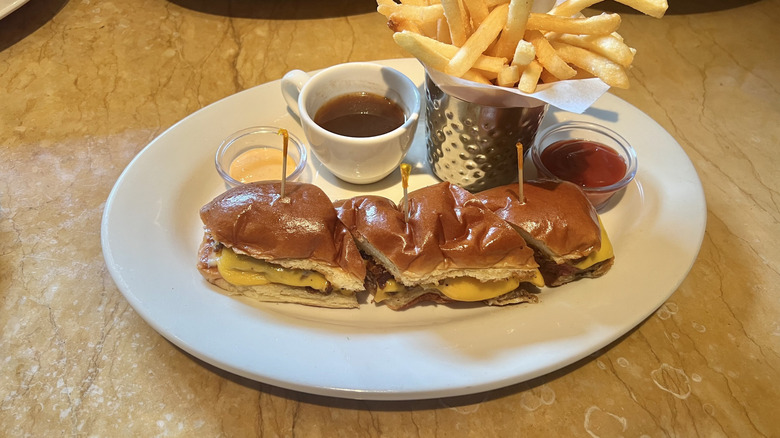
French Dip Cheeseburger: This burger successfully incorporates the au jus experience absent in the Bistro Burger. By pairing a medium-cooked patty with caramelized onions and a side of concentrated beef gravy, the dish offers a high-umami experience. The addition of sriracha mayo, however, remains a polarizing stylistic choice that detracted slightly from the traditional savory profile.
-
Smokehouse B.B.Q. Burger: Representing the quintessential American chain burger, this item is defined by its scale. The inclusion of crispy onion strings provides a crucial textural contrast to the soft brioche bun and juicy patty. The BBQ ranch sauce is the defining element, balancing the smokiness of the bacon.
-
Americana Cheeseburger: This burger succeeds by refining the "classic" formula. The use of potato strips—a unique addition—mimics the experience of eating a burger and fries simultaneously. The combination of dual-sauce application and a blend of American and cheddar cheeses creates a harmonious balance of salt, acid, and fat.
-
Veggie Burger: Often overlooked in favor of beef, the current iteration of the Cheesecake Factory’s veggie burger represents a significant R&D success. Composed of brown rice, farro, black beans, and mushrooms, the patty avoids the "meat-mimic" trap and instead focuses on earthy, robust vegetable flavors. The addition of avocado and melted white cheese provides a necessary creamy element that elevates the dish.
-
Macaroni and Cheese Cheeseburger: Despite the initial skepticism surrounding the pairing of two heavy comfort foods, this burger ranks highest due to its technical execution. The fried macaroni and cheese ball remains structurally sound, providing a crunchy exterior and a soft, cheesy interior that complements the beef patty. It is a bold, cohesive example of culinary excess that manages to balance its textures successfully.
Operational Context and Industry Impact
The Cheesecake Factory’s menu strategy is a textbook example of "variety-driven" customer retention. By offering 10 distinct burger variations, the chain appeals to a wide demographic, from those seeking a nostalgic "old-fashioned" experience to those looking for novelty. This broad appeal is a primary factor in the company’s sustained success in the competitive "polished casual" dining sector.
Data from the company’s recent annual reports indicate that food cost management remains a priority. The use of premium ingredients like Certified Angus Beef, while increasing cost of goods sold (COGS), is a calculated investment to justify the higher price points associated with the brand’s reputation. Furthermore, the reliance on scratch kitchens allows for greater menu flexibility, enabling the brand to iterate on items like the Veggie Burger based on consumer feedback.
Conclusion
The "Glamburger" lineup serves as a microcosm of The Cheesecake Factory’s overall strategy: an emphasis on portion size, variety, and the "glamorous" elevation of simple, familiar ingredients. While some iterations are more successful than others, the consistency of the core protein—the thick, quality-controlled beef patty—remains the foundation upon which the brand’s reputation for reliable, indulgent dining is built. As consumer tastes evolve toward more plant-forward or texturally complex options, the chain’s ability to refine and update these offerings, as seen in the success of the current Veggie Burger and the innovative Macaroni and Cheese Cheeseburger, will be critical to its continued relevance in the American restaurant industry.
