
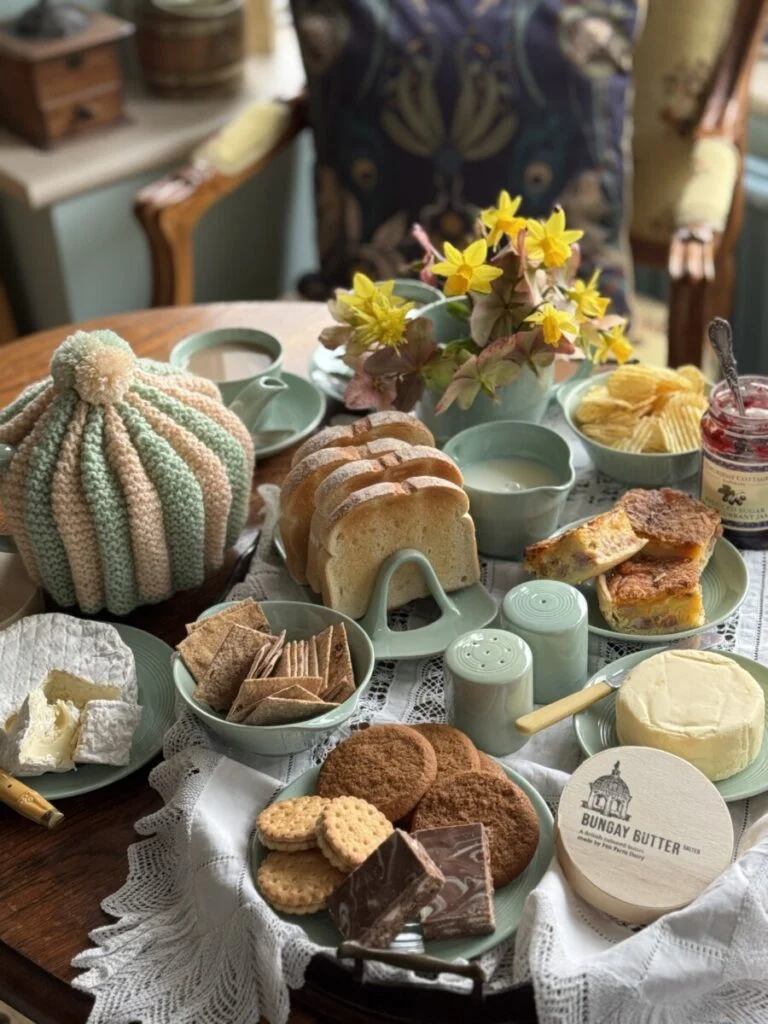
As England prepares to mark St. George’s Day on Thursday, April 23, 2026, culinary expert Karen Burns-Booth of Lavender and Lovage is championing a resurgence of traditional English fare, lamenting the day’s status as the least observed national saint’s day in the United Kingdom. In a timely release, Burns-Booth has curated an extensive collection of classic English recipes, aiming to inspire a nation to celebrate its patron saint through the rich tapestry of its gastronomic heritage. This initiative seeks to elevate St. George’s Day to a prominence more akin to the spirited observances of St. Patrick’s Day, St. Andrew’s Day, and St. David’s Day across the British Isles.

Historical and Cultural Significance of St. George’s Day

St. George’s Day, celebrated annually on April 23rd, commemorates Saint George, the patron saint of England. Historically, St. George was a Roman soldier of Greek origin and a Christian martyr who was executed in the early 4th century. His legend, most famously involving the slaying of a dragon, symbolises courage, chivalry, and the triumph of good over evil. The tale gained widespread popularity in England during the Middle Ages, particularly after the Battle of Agincourt in 1415, where English soldiers rallied under his banner. Edward III officially made him the patron saint of England in 1348, establishing the Order of the Garter in his name.

Despite this storied past, St. George’s Day often passes with less public fanfare than other national days within the UK. While St. Patrick’s Day sees global celebrations marked by parades and the consumption of Guinness, and St. Andrew’s Day and St. David’s Day are typically observed with cultural events and traditional foods in Scotland and Wales, respectively, England’s equivalent remains largely a quiet affair. This disparity, as highlighted by Burns-Booth, underscores a broader discussion about national identity and the preservation of cultural traditions. English Heritage, a charity responsible for managing over 400 historic buildings, monuments, and sites, actively promotes St. George’s Day, offering educational resources and events to re-engage the public with the saint’s history and legend, including a fascinating podcast detailing the story of St. George and the Dragon.

Adding another layer of historical depth to April 23rd is its widely accepted designation as William Shakespeare’s birthday. Although the precise date of the Bard’s birth in 1564 is unknown, historical records from Holy Trinity Church in Stratford-upon-Avon show his baptism on April 26, 1564. According to the Shakespeare Birthplace Trust, baptisms typically occurred within three days of birth, making April 23 a strong candidate for his birth date. Intriguingly, Shakespeare is also believed to have died on April 23, 1616, making the date a dual cornerstone of English cultural heritage, celebrating both its mythical protector and its literary titan.

The Culinary Revival: A Call to the Kitchen

Karen Burns-Booth’s initiative is not merely a nostalgic nod to the past but a pragmatic call to action, urging individuals to embrace England’s culinary identity. "You don’t have to be English to enjoy these recipes," she asserts, drawing parallels with the widespread adoption of Irish, Scottish, and Welsh culinary traditions on their respective national days. This sentiment underscores the universal appeal of comfort food and the shared experience of celebrating cultural diversity through gastronomy.

The importance of food in national identity cannot be overstated. Traditional dishes serve as edible archives, preserving historical narratives, agricultural practices, and social customs. They evoke a sense of belonging and continuity, connecting generations through shared meals and cherished flavours. In an increasingly globalised world, the deliberate act of preparing and consuming traditional dishes becomes a powerful statement of cultural pride and preservation.

A Feast for St. George: Exploring English Cuisine

Burns-Booth’s extensive collection spans a wide array of English culinary staples, catering to both savoury and sweet palates. The recipes are thoughtfully categorised, providing inspiration for every part of a celebratory meal, from appetisers to desserts.

Savoury Delights:
The savoury section features a robust selection of hearty and comforting dishes that epitomise English cooking. Salads, often overlooked in the context of traditional English food, are given their due, with options like Elizabethan English Herb and Flower Salad with Honey Dressing, Old Fashioned Roses and an English Garden Salad with Cheese and Eggs, and English Apple and Walnut Salad. These dishes highlight the historical use of fresh, seasonal ingredients and herbs in English kitchens.

Pies, a cornerstone of British cuisine, are heavily represented. "Plate Pies" include classics such as 1950’s Picnic Pie, a versatile offering perfect for outdoor gatherings, Cheese & Onion Plate Pie, a testament to simple, robust flavours, and Corned Beef Potato Pie, a hearty, economical dish reflecting historical resourcefulness. For smaller, more portable options, the "Small Pies & Pasties" category features Coronation Pork & Pickle Picnic Pies, Lincolnshire Sausage, Sage & Onion Pies, and Cheese, Onion and Potato Pasties. These showcase regional variations and the enduring popularity of pastry-encased fillings.

Stews and casseroles, the quintessential British comfort foods, include Traditional Oxtail Stew, a rich and deeply flavoured classic, Farmhouse Chicken & Vegetable Stew with Dumplings, offering warmth and sustenance, and Sausage, Apple and Cider Casserole, a delightful combination of sweet and savoury. Other main courses feature substantial dishes like Beef Wellington, a celebrated centrepiece, Peppered Steak and Chips, a beloved pub classic, and the Suffolk Gold Double Cheese Burger, demonstrating the evolution of English fast food with local ingredients.

English cheese, renowned for its diversity and quality, forms the basis for several recipes. These include Wild Garlic & Three Cheese Tomato Tart and Sourdough Cheese Wild Garlic Scones, showcasing seasonal ingredients and versatile applications of cheese in baking. The inclusion of dishes featuring wild garlic and Jersey Royal new potatoes underscores the strong tradition of seasonal eating in England, where ingredients like spring asparagus and rhubarb are eagerly anticipated.

Sweet Indulgences:
The sweet section is a celebration of classic English baking and desserts. Scones, a quintessential element of English afternoon tea, appear in various forms, such as Buckingham Palace Fruit Scones, Be-Ro Victoria Scones, and Small Batch Cream Tea Scones. These recipes underscore the importance of baking in daily life and special occasions.

Tea loaves, perfect for an afternoon cuppa, include Sticky Marmalade Tea Loaf, Gingerbread Tea Loaf, and Old-Fashioned Ovaltine Tea Loaf, each offering unique flavours and textures. Fruit cakes, a long-standing tradition, are represented by Fruit and Cherry Afternoon Tea Cake, Wartime Eggless Fruit Cake (Vinegar Cake), and other unnamed fruit cake variations, demonstrating adaptability and historical context in baking.

Victoria Sandwich & Sponge Cakes, epitomising elegant simplicity, feature prominently with Spring Posy Victoria Sandwich Cake with Lemon Curd and Madeira Cake. Smaller, charming treats like Fairy Cakes, Buns & Small Cakes include Vanilla Butterfly Cakes, Princess Elizabeth Cakes, and Fantasy Fairy Cakes, evoking childhood memories and simple pleasures.

Fruit Pies & Tarts range from the bright Old-Fashioned Lemon Meringue Pie to the regional Bilberry Plate Pie and Northumberland Gooseberry Plate Pie, celebrating local produce. English Puddings, a category synonymous with hearty, comforting desserts, offer options like Railway Pudding and Traditional Spotted Dick Pudding, showcasing steaming and suet-based preparations.

Finally, Biscuits and Chocolate Recipes complete the sweet offering. Traditional Easter Biscuits, Betty’s Fat Rascals, and Empire Biscuits highlight a range of baked goods perfect for snacking or tea. Chocolate lovers can indulge in 1960’s Evaporated Milk Chocolate Cake, Fry’s Condensed Milk Chocolate Cake, and The Queen’s Chocolate Biscuit Cake, revealing the enduring popularity and evolution of chocolate in English baking. The collection also includes classic English Bread Recipes such as Overnight Farmhouse Wholemeal Bread Loaf, Traditional Mothering Buns, and Farmhouse "Spit Tin" Crusty Loaf, reaffirming the fundamental role of bread in English culinary life.

The Threat to Culinary Heritage

Burns-Booth’s passion for preserving these traditions is underscored by a sobering observation: many classic British recipes are reportedly "at risk of becoming extinct over the next few years." Citing an online list from Ninja Kitchen, she highlights the alarming inclusion of staples like Victoria sponge cake, rock cakes, scones, and jam tarts. This report, if accurate, points to a concerning trend where changing lifestyles, preferences for convenience, and the dominance of international cuisines may lead to the gradual disappearance of historically significant dishes.

Food historians and culinary experts often point to several factors contributing to this decline. Modern diets, influenced by global trends and a fast-paced lifestyle, often favour quick, easy-to-prepare meals over traditional dishes that might require more time and effort. The diminishing art of home baking among younger generations also plays a role, as recipes once passed down through families are no longer regularly practiced. Furthermore, the sheer volume of new culinary influences can overshadow the appreciation for indigenous cuisine.

"The idea that a Victoria sponge, a cornerstone of British tea time, could be at risk is a stark wake-up call," states Dr. Eleanor Vance, a food anthropologist specializing in British culinary history. "These aren’t just recipes; they are cultural artifacts, embodying centuries of social evolution, economic conditions, and regional identities. Losing them means losing a part of our collective story."

Preserving the Palate: Initiatives and Impact

Efforts to combat this culinary erosion are multifaceted. Food bloggers like Karen Burns-Booth play a crucial role in documenting, sharing, and revitalising old recipes for a contemporary audience. Culinary schools and community workshops also contribute by teaching traditional cooking and baking techniques. Organisations like English Heritage and the National Trust often feature traditional recipes in their cafes and gift shops, and host food festivals that highlight regional specialities.

The broader impact of preserving culinary heritage extends beyond the kitchen. It supports local producers who cultivate traditional ingredients, contributes to local economies through food tourism, and reinforces a sense of national pride and cultural distinctiveness. For instance, the resurgence of interest in artisanal British cheeses, regional charcuterie, and heritage vegetable varieties demonstrates a growing appreciation for the unique flavours and stories embedded in local food systems.

As St. George’s Day 2026 approaches, Karen Burns-Booth’s comprehensive collection offers a timely and delicious invitation to celebrate England’s often-understated culinary richness. From robust pies and comforting stews to delicate scones and classic cakes, these recipes provide a tangible link to England’s past and a vibrant way to honour its patron saint. By actively engaging with these "old and much-loved English recipes," individuals can contribute to the preservation of a precious cultural heritage, ensuring that the flavours of England continue to thrive for generations to come. Happy St. George’s Day!
