
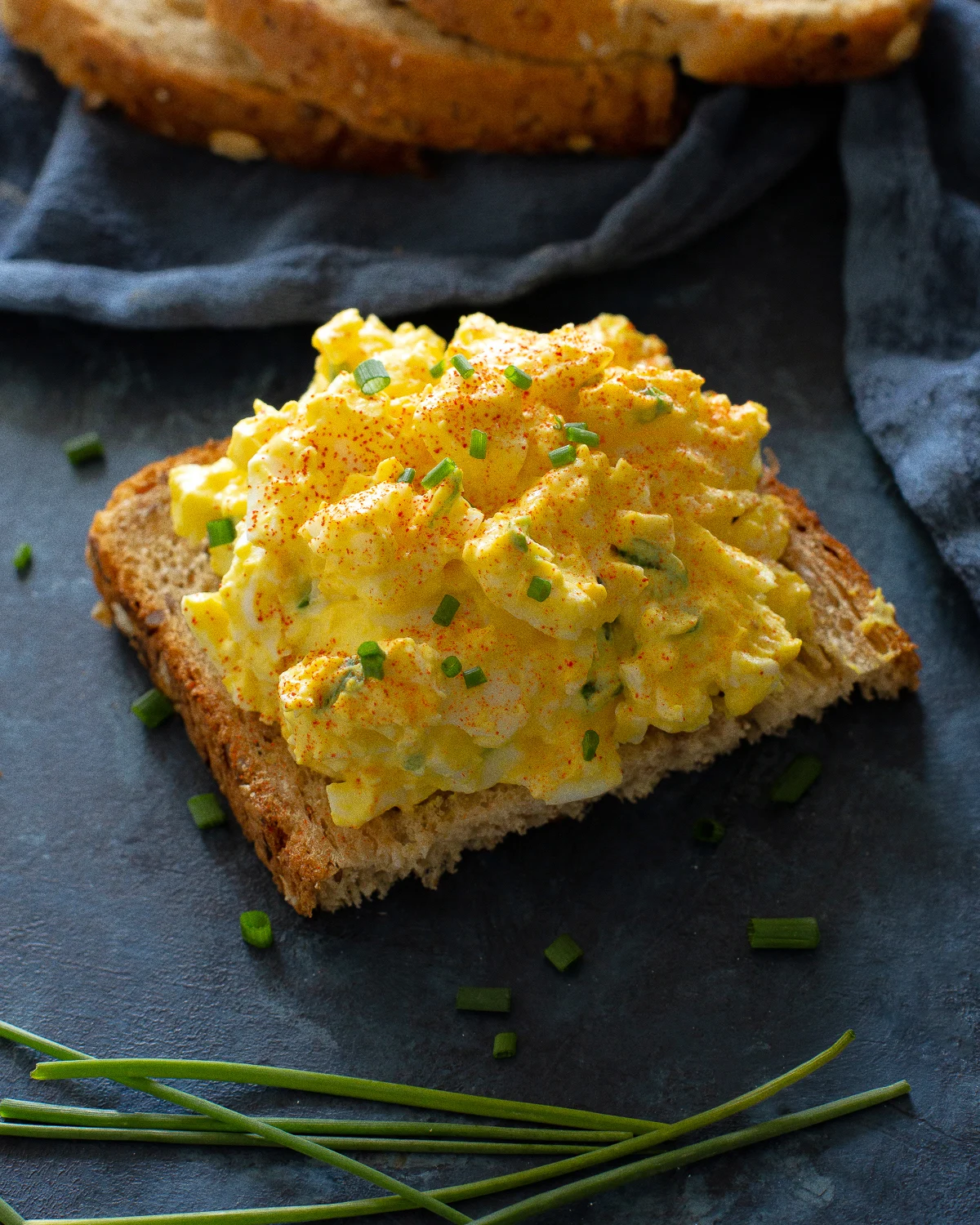
There’s an undeniable comfort that comes with a perfectly crafted egg salad. It’s a dish that evokes nostalgia, transporting many back to simpler times, perhaps to childhood lunches or family gatherings. This particular recipe, celebrated for its creamy, savory, and utterly delicious profile, stands as a testament to the enduring appeal of classic flavors. At its core, this egg salad is a harmonious blend of hard-boiled eggs, creamy mayonnaise, a subtle kick from mustard, a bright touch of lemon juice, and the fresh, herbaceous notes of chives. While variations abound, this recipe champions a timeless approach, proving that sometimes, the most beloved dishes are those that remain true to their roots.
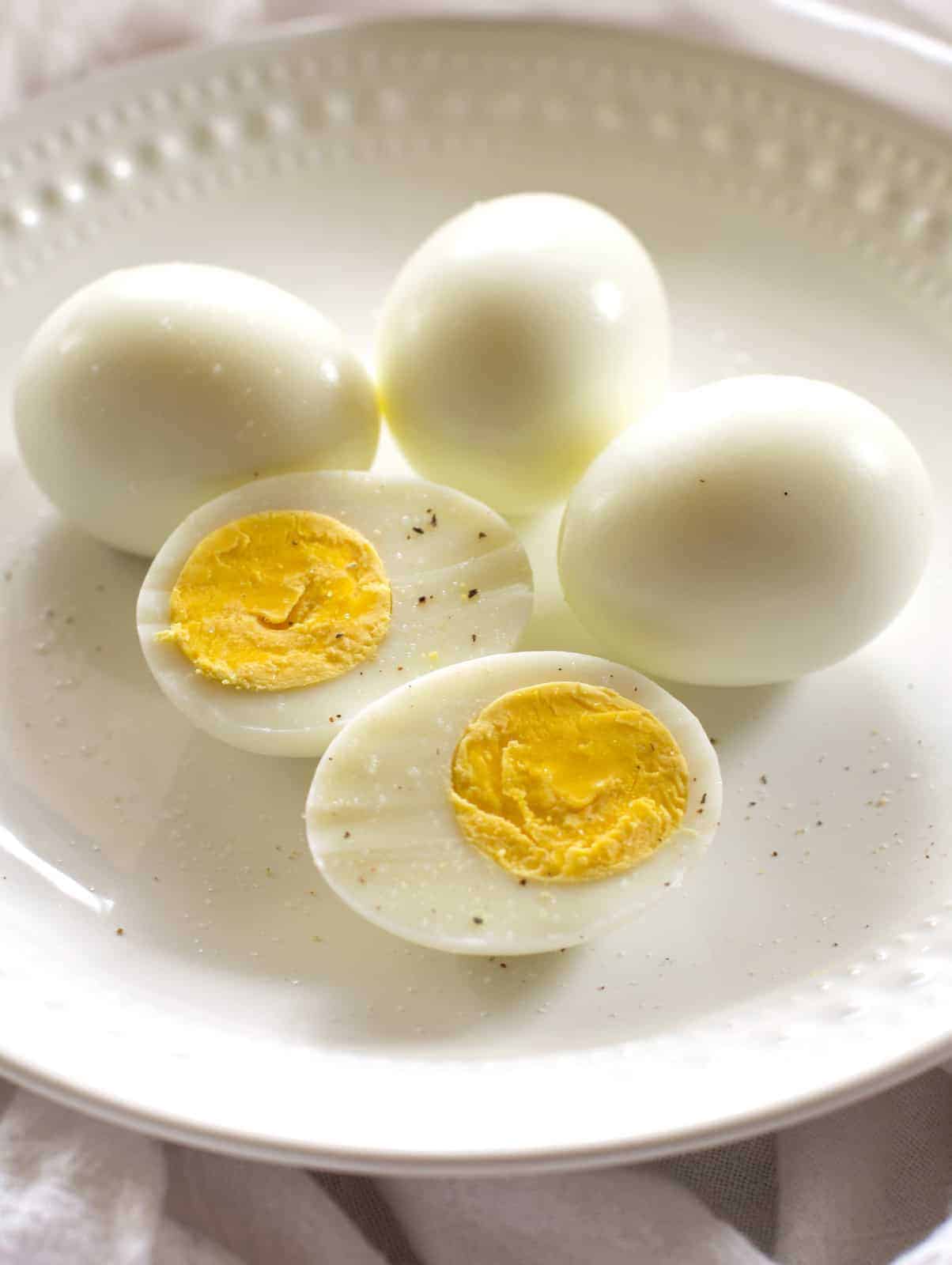
The journey to this quintessential egg salad begins with the foundational element: perfectly hard-boiled eggs. The process of achieving that ideal texture – a firm yet yielding white and a creamy, fully cooked yolk – is crucial. Overcooking can lead to rubbery whites and a chalky yolk, while undercooking leaves the yolk unset. Achieving this balance is often a matter of precise timing and temperature control. For those seeking to master this fundamental culinary skill, understanding the science behind it is key. Typically, eggs are brought to a rolling boil, then removed from heat and allowed to sit in the hot water for a specific duration, usually around 9-12 minutes, depending on the size of the eggs and desired yolk consistency. Cooling them rapidly in an ice bath stops the cooking process and makes them easier to peel. This meticulous preparation ensures that each egg contributes its best to the final dish.
The Art of the Classic Egg Salad
This recipe’s strength lies in its simplicity and the quality of its core ingredients. The foundation is, of course, the hard-boiled eggs, which are gently mashed to create a creamy base. The choice of mayonnaise is paramount; a good quality, full-fat mayonnaise provides the essential richness and binding quality. The mustard, often a Dijon or yellow mustard, introduces a subtle tang that cuts through the richness of the mayonnaise and eggs, adding a layer of complexity. Lemon juice, a seemingly small addition, plays a significant role. Its acidity brightens the entire mixture, lifting the flavors and preventing the egg salad from tasting heavy or one-dimensional. Finally, fresh chives offer a delicate oniony flavor and a vibrant splash of green, adding both visual appeal and a fresh, herbaceous note that complements the other ingredients beautifully.
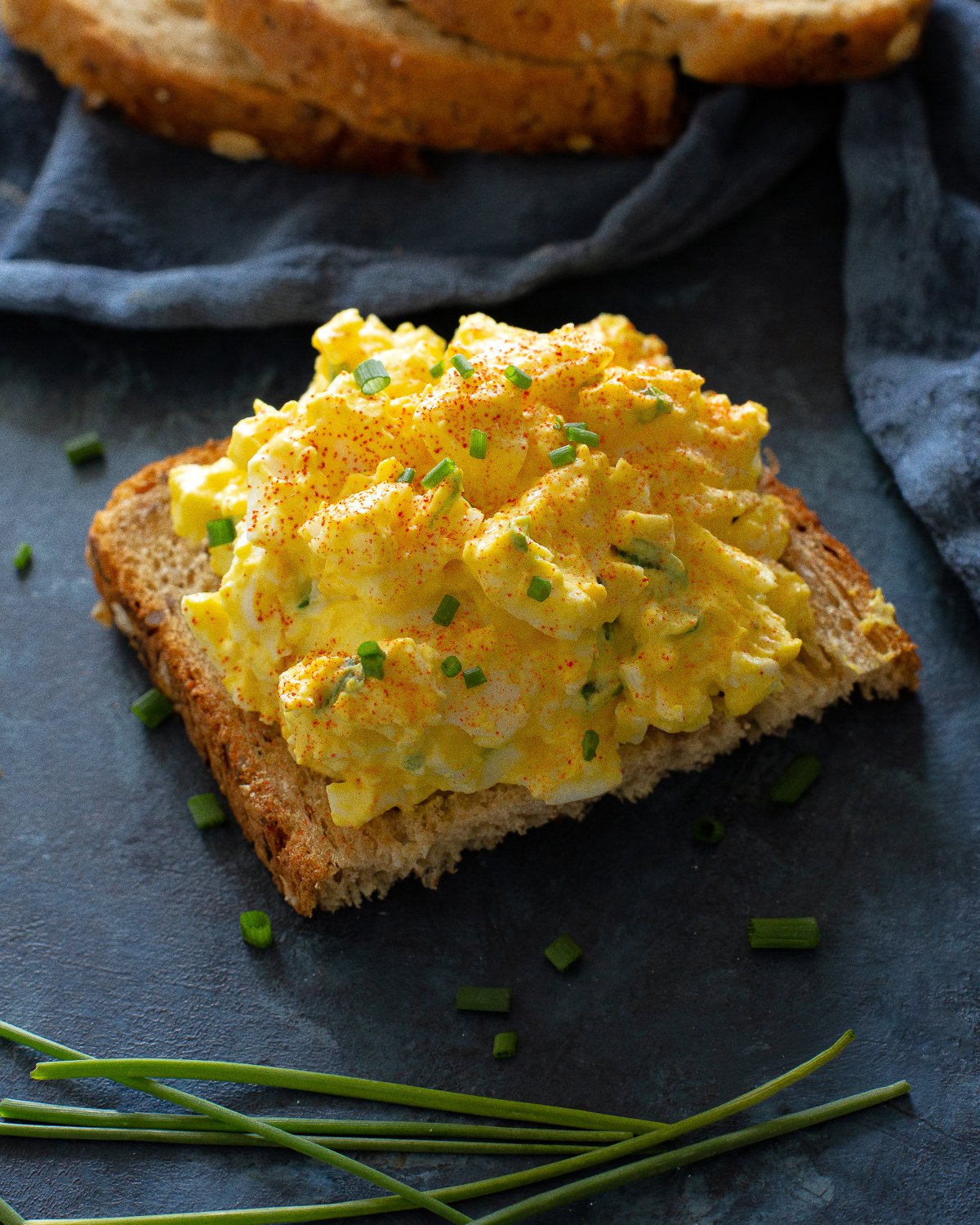
While this recipe adheres to a classic rendition, it’s important to acknowledge the vast landscape of egg salad variations. Some enthusiasts incorporate finely diced celery for a satisfying crunch, while others might add a hint of sweetness with a touch of relish or a pinch of sugar. The debate over pickle relish versus sweet relish is a long-standing one among egg salad aficionados. For those who prefer a spicier profile, a dash of hot sauce or a sprinkle of cayenne pepper can be introduced. However, this particular recipe intentionally bypasses these additions, focusing on a pure, unadulterated flavor experience that allows the natural taste of the eggs and the carefully selected seasonings to shine.
Why This Recipe Resonates
The enduring appeal of this egg salad recipe can be attributed to several factors. Firstly, its simplicity makes it accessible to cooks of all skill levels. The ingredient list is short, and the preparation steps are straightforward, requiring minimal culinary expertise. This accessibility ensures that anyone can recreate this comforting dish in their own kitchen.
Secondly, its versatility is a significant advantage. Egg salad is not confined to a single serving method. It excels as a sandwich filling, traditionally served between slices of soft white bread or toasted whole wheat. It also pairs wonderfully with crackers, offering a delightful appetizer or light snack. Beyond these common uses, it can be dolloped onto a bed of crisp lettuce for a lighter meal, used as a filling for deviled eggs, or even incorporated into larger salads for added protein and creaminess. This adaptability makes it a go-to option for various dining occasions, from quick lunches to casual gatherings.
Furthermore, the nostalgic quality of egg salad cannot be overstated. For many, it’s a taste of home, a culinary anchor to cherished memories. This emotional connection lends the dish a warmth and familiarity that transcends mere sustenance. It’s a comfort food in the truest sense, providing a sense of security and well-being with every bite. The "best" egg salad, in many respects, is the one that evokes these positive associations.
The Core Components: A Closer Look
The success of any egg salad hinges on the quality of its ingredients. For this recipe, the key components are:
- Hard-Boiled Eggs: The star of the show. The ideal texture is paramount – firm whites and creamy, fully cooked yolks. Achieving this requires careful cooking and cooling techniques.
- Mayonnaise: The binder and source of creaminess. A good quality, full-fat mayonnaise is recommended for the best flavor and texture.
- Mustard: Typically Dijon or yellow mustard, providing a subtle tang and depth of flavor that balances the richness.
- Lemon Juice: A crucial element for brightness. Freshly squeezed lemon juice adds a refreshing acidity that elevates the overall taste profile.
- Chives: Freshly chopped chives offer a delicate oniony flavor and a vibrant visual appeal.
The quantity and proportion of these ingredients are finely tuned to create a balanced flavor. While specific measurements are provided in the recipe, the beauty of egg salad lies in its adaptability to personal preference. Some may prefer a tangier salad with more mustard or lemon, while others might opt for a richer, creamier version with extra mayonnaise.
Crafting the Perfect Egg Salad: A Step-by-Step Guide
The preparation of this classic egg salad is remarkably straightforward, making it an ideal dish for busy individuals or novice cooks. The process typically involves the following steps:
- Prepare the Hard-Boiled Eggs: The first and arguably most critical step is to perfectly hard-boil the eggs. This involves bringing them to a boil, then allowing them to sit in hot water for a precise duration before being plunged into an ice bath to halt the cooking. This ensures the yolks are cooked through but remain creamy, and the whites are firm but tender.
- Mash the Eggs: Once cooled and peeled, the hard-boiled eggs are placed in a medium bowl. The degree of mashing can be adjusted to personal preference. For a creamier texture, some eggs can be mashed more thoroughly, while others can be left in larger chunks for textural variation.
- Combine the Ingredients: The remaining ingredients – mayonnaise, mustard, lemon juice, and chopped chives – are added to the bowl with the mashed eggs.
- Season and Mix: Salt and freshly ground black pepper are added to taste. The mixture is then gently stirred until all ingredients are well combined and the salad achieves a uniform, creamy consistency.
- Chill: It is essential to chill the egg salad for at least 30 minutes before serving. This allows the flavors to meld and develop, resulting in a more cohesive and delicious final product.
Serving Suggestions and Storage
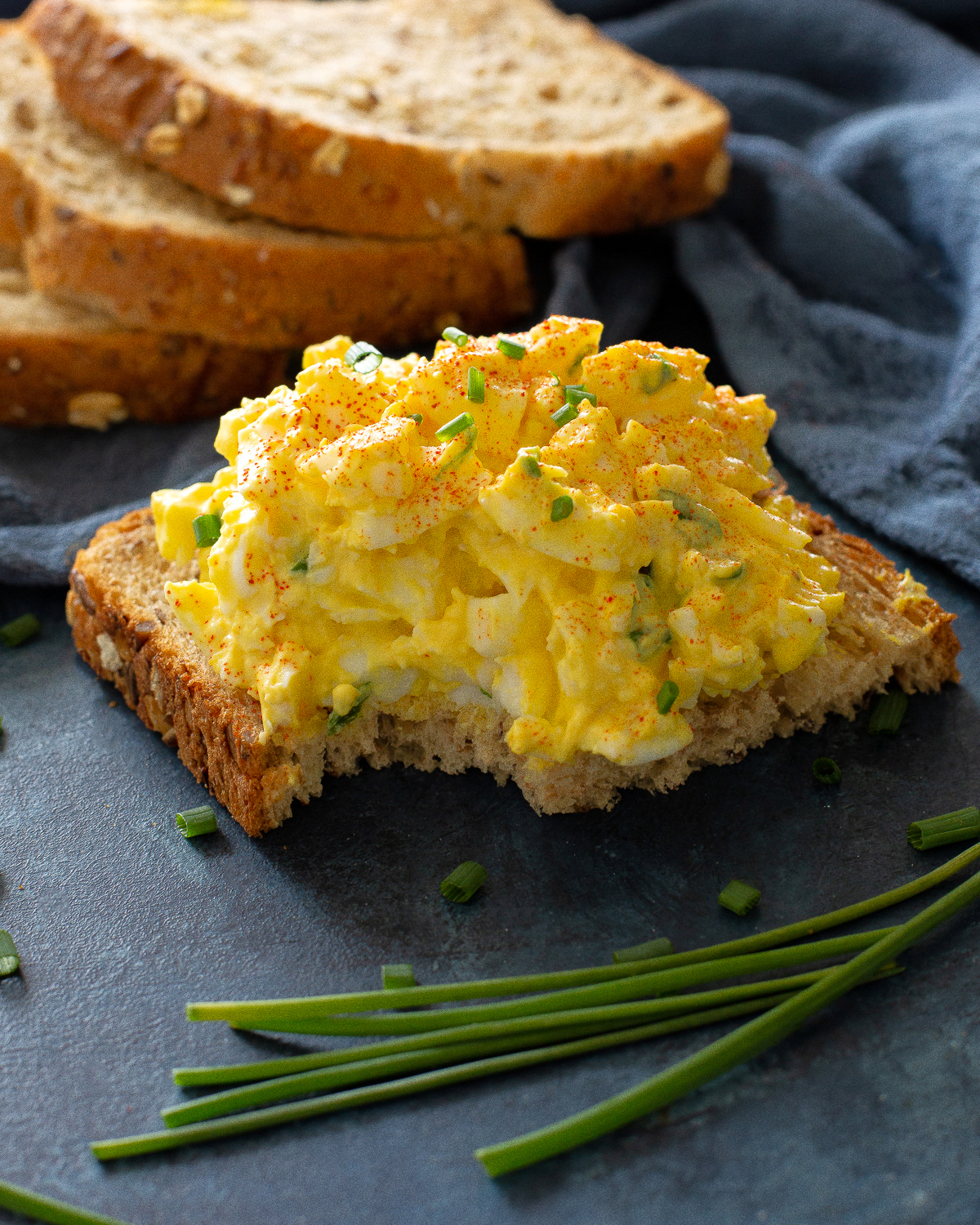
The versatility of egg salad extends to its serving possibilities. As mentioned, its most common application is as a sandwich filling, where it can be paired with a variety of breads, from soft white to hearty whole wheat or rye. Toasted bread can add an extra layer of texture and flavor. It also makes an excellent accompaniment to crisp crackers, providing a satisfying crunch. For a lighter option, a scoop of egg salad can be placed atop a bed of fresh greens, such as romaine lettuce or mixed greens, creating a refreshing salad. It can also be used as a base for more elaborate dishes, such as stuffed tomatoes or avocados.
Proper storage is crucial for maintaining the freshness and safety of egg salad. Due to the presence of mayonnaise, which contains raw egg, it is important to refrigerate egg salad promptly. It should be stored in an airtight container in the refrigerator. When stored correctly, homemade egg salad typically remains fresh and safe to consume for 3 to 4 days. It is advisable to consume it within this timeframe to ensure optimal quality and safety.
Beyond the Basic: Exploring Variations and Complementary Dishes
While this recipe champions the classic approach, the culinary world offers a rich tapestry of egg salad variations. For those who enjoy an added textural element, finely diced celery or red onion can be incorporated. A touch of sweetness can be achieved by adding a small amount of sweet pickle relish, a contentious yet popular addition for some. For those who prefer a hint of spice, a dash of hot sauce or a pinch of cayenne pepper can be introduced. Some recipes also call for dill pickles, finely chopped, to add a briny, tangy note.
Beyond egg salad itself, there are numerous complementary dishes that enhance the overall dining experience. A simple green salad with a light vinaigrette provides a fresh contrast to the richness of the egg salad. Crisp breadsticks or crostini can serve as excellent dippers. For a more substantial meal, egg salad can be served alongside a bowl of tomato soup or a hearty vegetable stew. When considering a brunch spread, mini quiches or a fruit salad would pair beautifully. The possibilities are as vast as one’s culinary imagination.
The enduring popularity of egg salad is a testament to its comforting nature, its straightforward preparation, and its remarkable versatility. This recipe, by focusing on the timeless combination of quality ingredients and balanced flavors, offers a delightful experience that appeals to both seasoned food lovers and those simply seeking a taste of familiar comfort. Whether enjoyed in a classic sandwich or reimagined in a new way, egg salad continues to hold a cherished place in the hearts and kitchens of many.
