
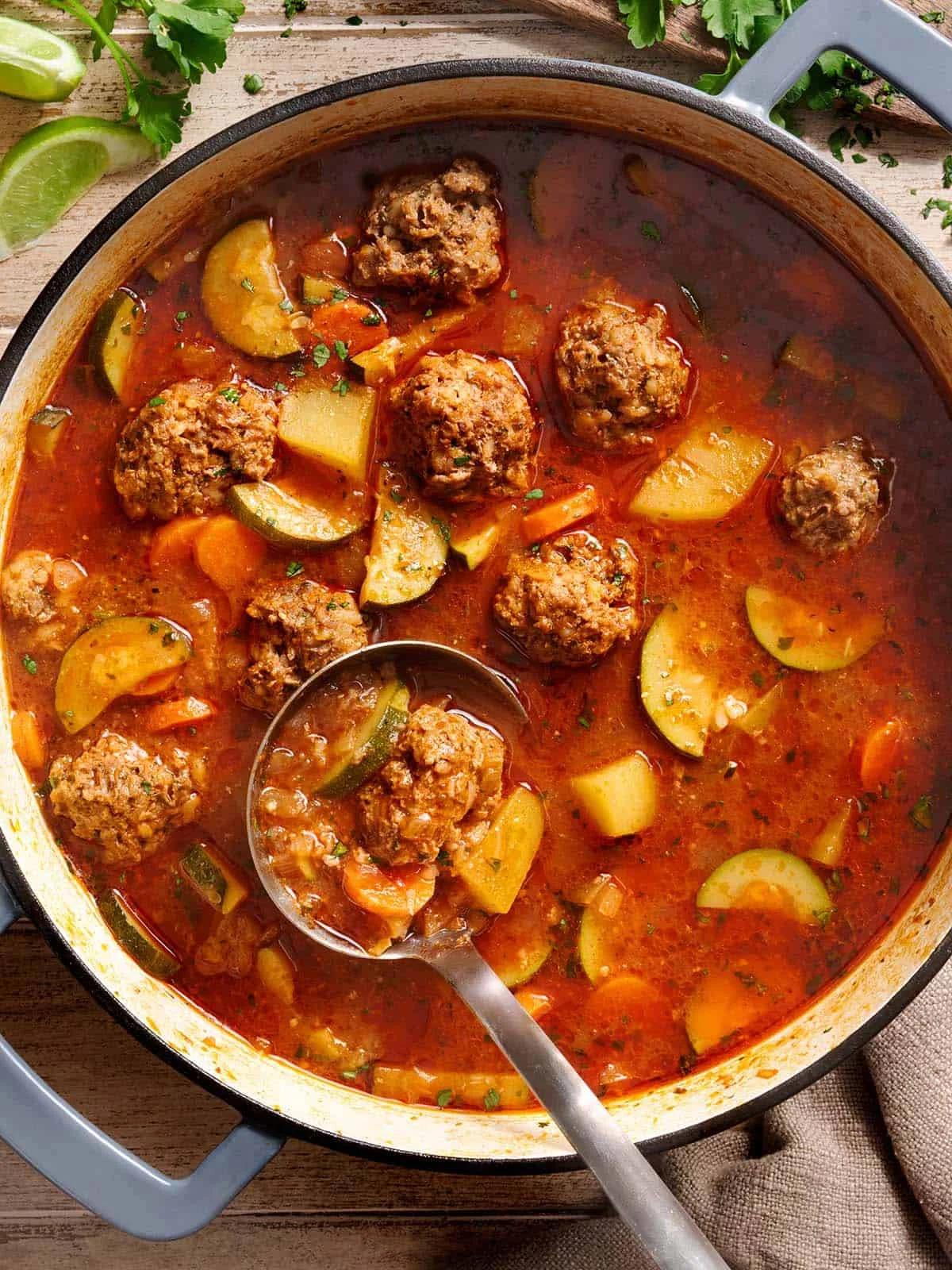
The culinary landscape of North America has been profoundly shaped by the integration of traditional Mexican comfort foods, among which Albóndigas soup—commonly known as Mexican Meatball Soup—stands as a premier example of cross-cultural evolution. This dish, characterized by its tender rice-infused meatballs and a light yet nutrient-dense tomato broth, represents a historical journey spanning three continents. As home cooks increasingly seek out nutritious, budget-friendly, and gluten-free alternatives to processed meals, the resurgence of Albóndigas highlights a broader trend toward "comida casera," or home-style cooking, that prioritizes both economic efficiency and deep-layered flavor profiles.
Historical Chronology: From the Middle East to the Mexican Table
The etymology and preparation of Albóndigas reveal a complex history rooted in the Islamic Golden Age. The word "albóndiga" is derived from the Arabic "al-bunduq," which originally referred to a hazelnut or a small, round object. This linguistic marker points to the dish’s origins in the Middle East, where minced meat was shaped into small balls and served in various stews. During the Moorish occupation of the Iberian Peninsula, which lasted from the 8th to the 15th century, these culinary techniques were introduced to Spain.
In Spain, albóndigas evolved into a staple of the tapas tradition, typically served in a thick almond or tomato sauce. However, following the Spanish conquest of the Americas in the 16th century, the dish underwent a secondary transformation. Upon reaching Mexico, the recipe was adapted to include local ingredients and a more fluid, soup-based presentation. The incorporation of rice into the meatball mixture—a hallmark of the Mexican variation—served a dual purpose: it acted as a budget-friendly extender for expensive meat and provided a unique texture as the grains absorbed the savory broth during the simmering process.
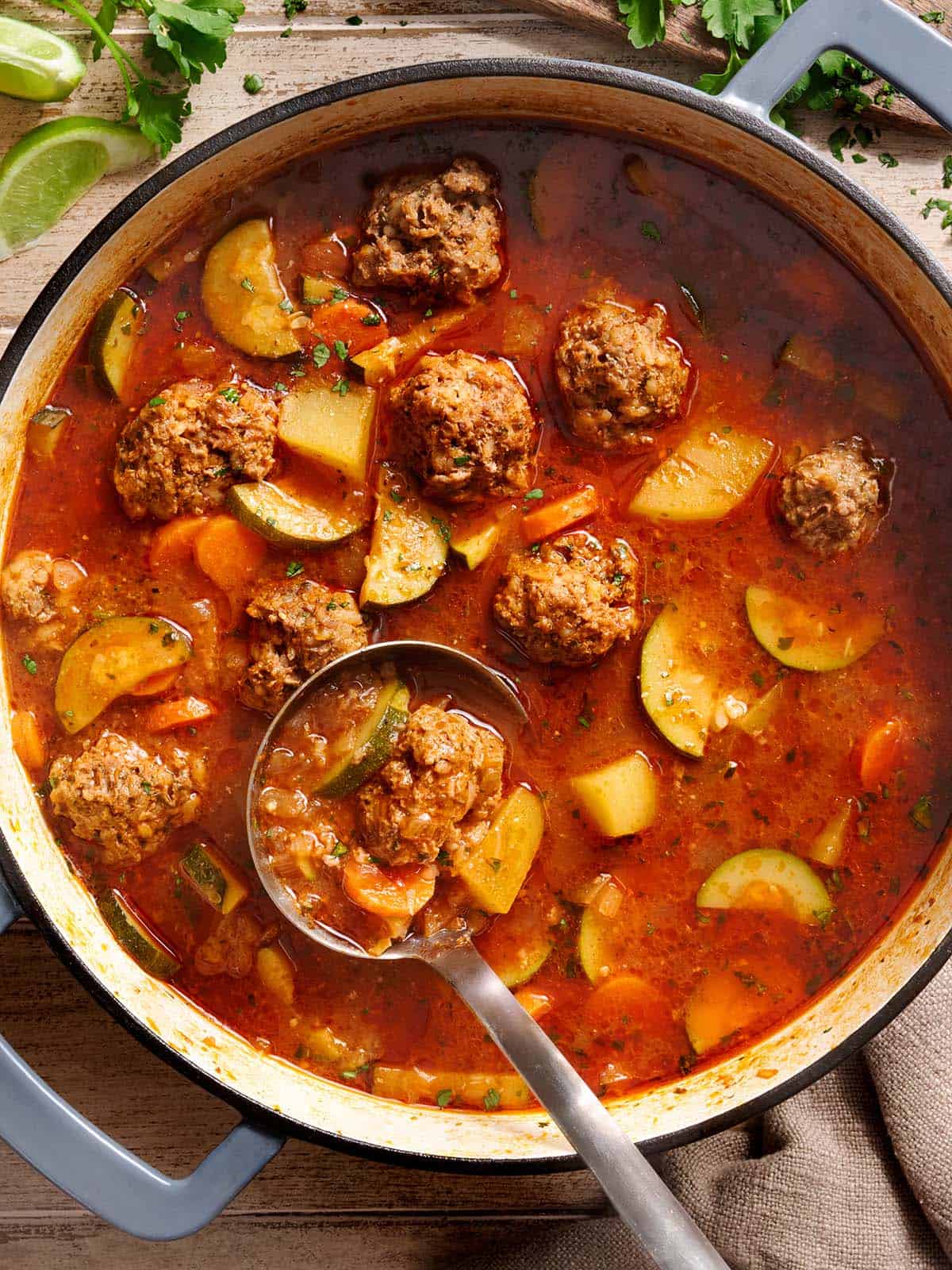
By the 20th century, Albóndigas soup had become a foundational element of Mexican domestic life, often cited as a "remedy" for ailments and a standard Sunday family meal. Today, the dish is celebrated in professional test kitchens, such as the Nashville Test Kitchen, where culinary developers refine the proportions to ensure the dish remains accessible for modern, time-constrained households.
Culinary Mechanics: The Science of the Rice-Bound Meatball
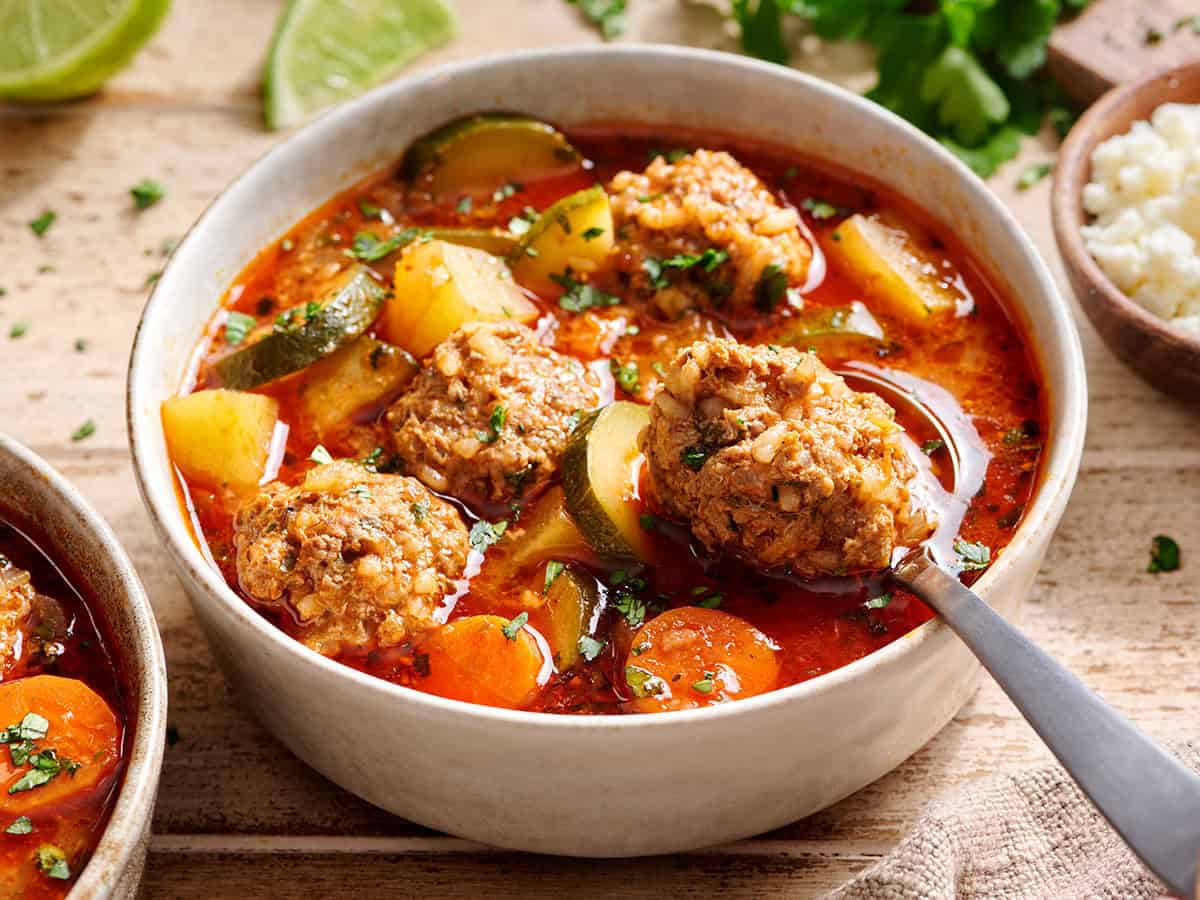
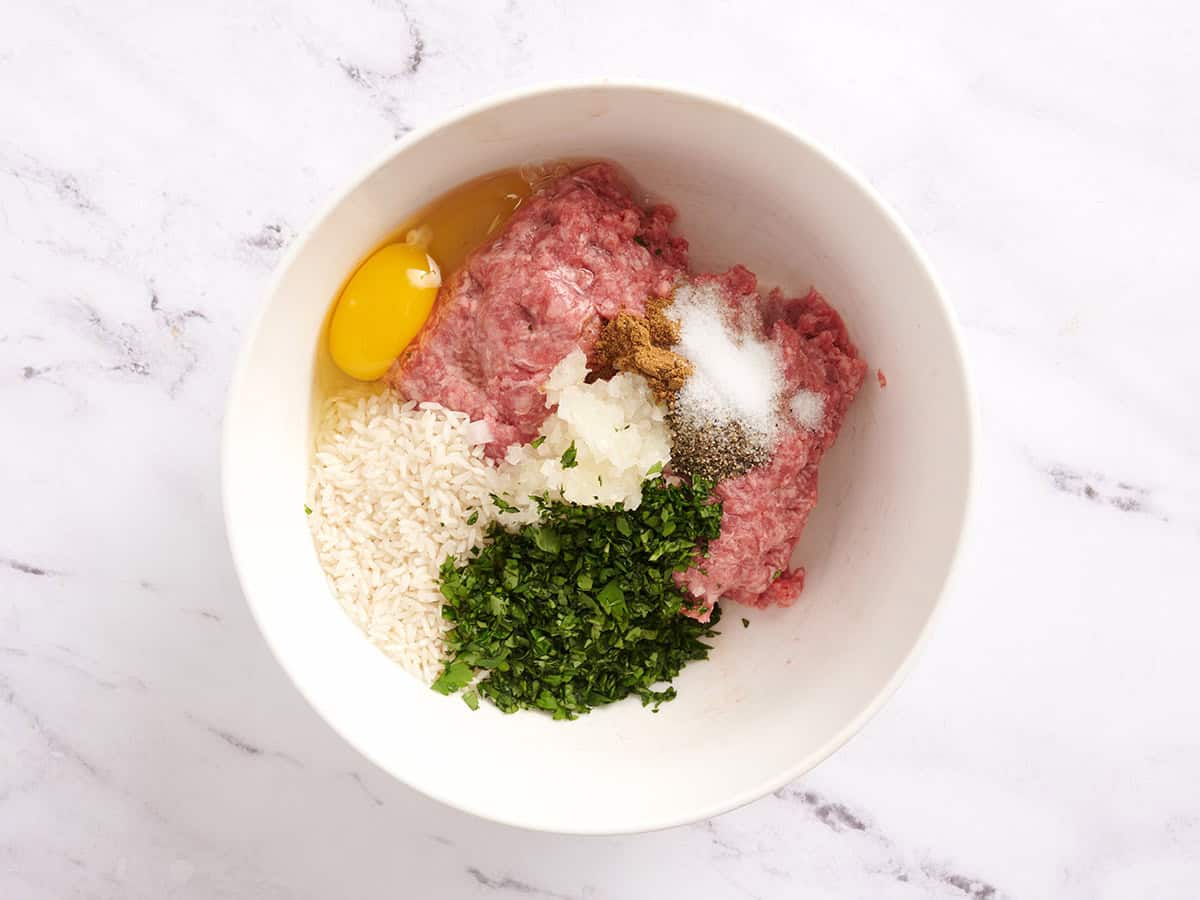
The primary differentiator between Mexican albóndigas and their Italian or Swedish counterparts is the binding agent. While many Western meatball recipes rely on breadcrumbs or soaked bread to provide structure, the traditional Mexican recipe utilizes uncooked long-grain white rice. This substitution is not merely a matter of taste; it is a functional culinary technique. As the meatballs simmer in the broth, the rice expands, creating "tender pockets" within the beef. This prevents the meatballs from becoming overly dense or tough, a common pitfall in meatball preparation.
Furthermore, the use of rice naturally renders the dish gluten-free, catering to contemporary dietary requirements without sacrificing the integrity of the original recipe. The inclusion of a single large egg provides the necessary protein structure to prevent the meatballs from disintegrating upon contact with the simmering liquid.
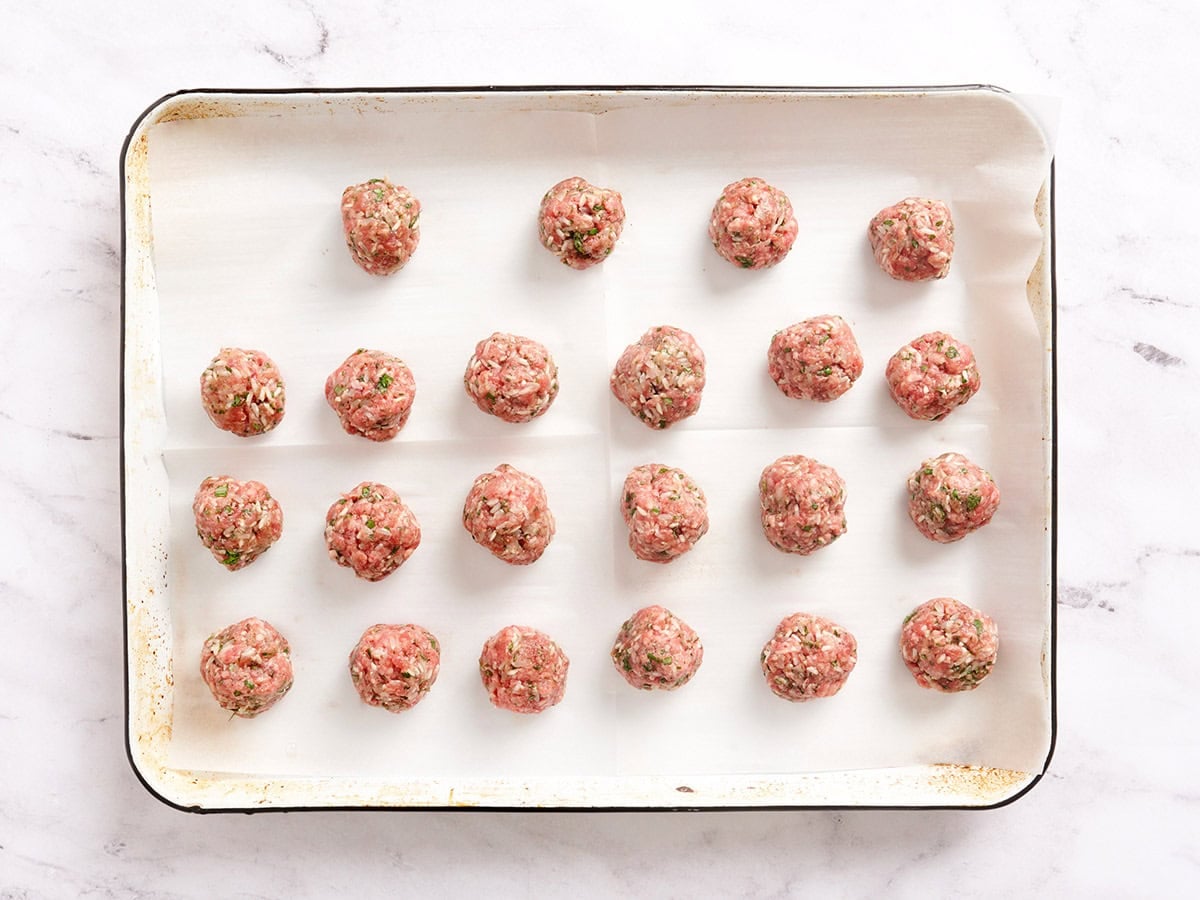
The flavor profile of the meatball is traditionally established through a combination of aromatics and spices. Finely minced onions and garlic provide a foundational pungency, while ground cumin offers an earthy warmth. Fresh cilantro is essential, contributing a citrusy brightness that cuts through the richness of the ground beef. In the Nashville Test Kitchen’s rigorous testing process, it was determined that a 1.5-inch diameter for the meatballs provides the optimal surface-area-to-volume ratio, ensuring the interior rice is fully cooked by the time the beef reaches a safe internal temperature.
Economic Analysis: Nutritious Dining Under Inflationary Pressure
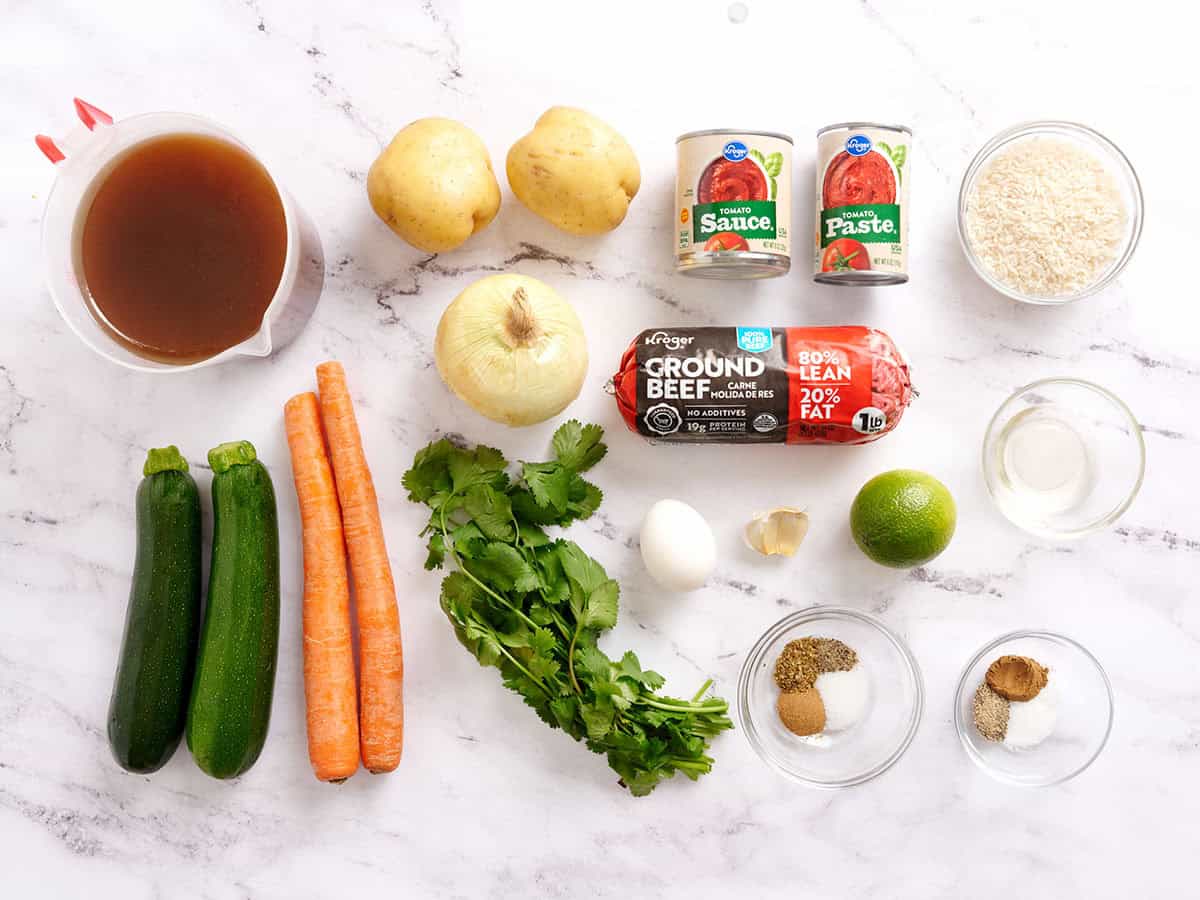
In the current economic climate, where food inflation has significantly impacted household budgets, Albóndigas soup emerges as an exceptionally cost-effective meal. Based on recent data and recipe testing, the total cost for a six-serving batch is approximately $12.78. This breaks down to roughly $2.13 per serving, a price point significantly lower than the average cost of a fast-food meal or a pre-packaged frozen dinner.
The affordability of the dish is driven by its reliance on "pantry staples" and hardy, low-cost vegetables. Ground beef, while often the most expensive component, is extended by the addition of rice and egg. The vegetable components—carrots, Yukon gold potatoes, and zucchini—are typically available year-round at stable prices.
Cost Breakdown per Component (Estimated):
- Protein (Ground Beef): $5.50 – $6.50
- Vegetables (Potatoes, Carrots, Zucchini, Onion): $3.00 – $4.00
- Aromatics & Broth (Beef Broth, Tomato Sauce, Spices): $2.00 – $3.00
- Total Serving Cost: ~$2.13
This economic efficiency does not come at the expense of nutritional density. A standard two-cup serving provides approximately 390 calories, with a robust 21 grams of protein and 4 grams of dietary fiber. While the sodium content is relatively high at 1799mg (largely due to the use of commercial beef bouillon), culinary experts suggest that home cooks can mitigate this by using low-sodium stocks or "Better Than Bouillon" bases, which allow for more precise seasoning control.
Step-by-Step Methodology and Technical Execution
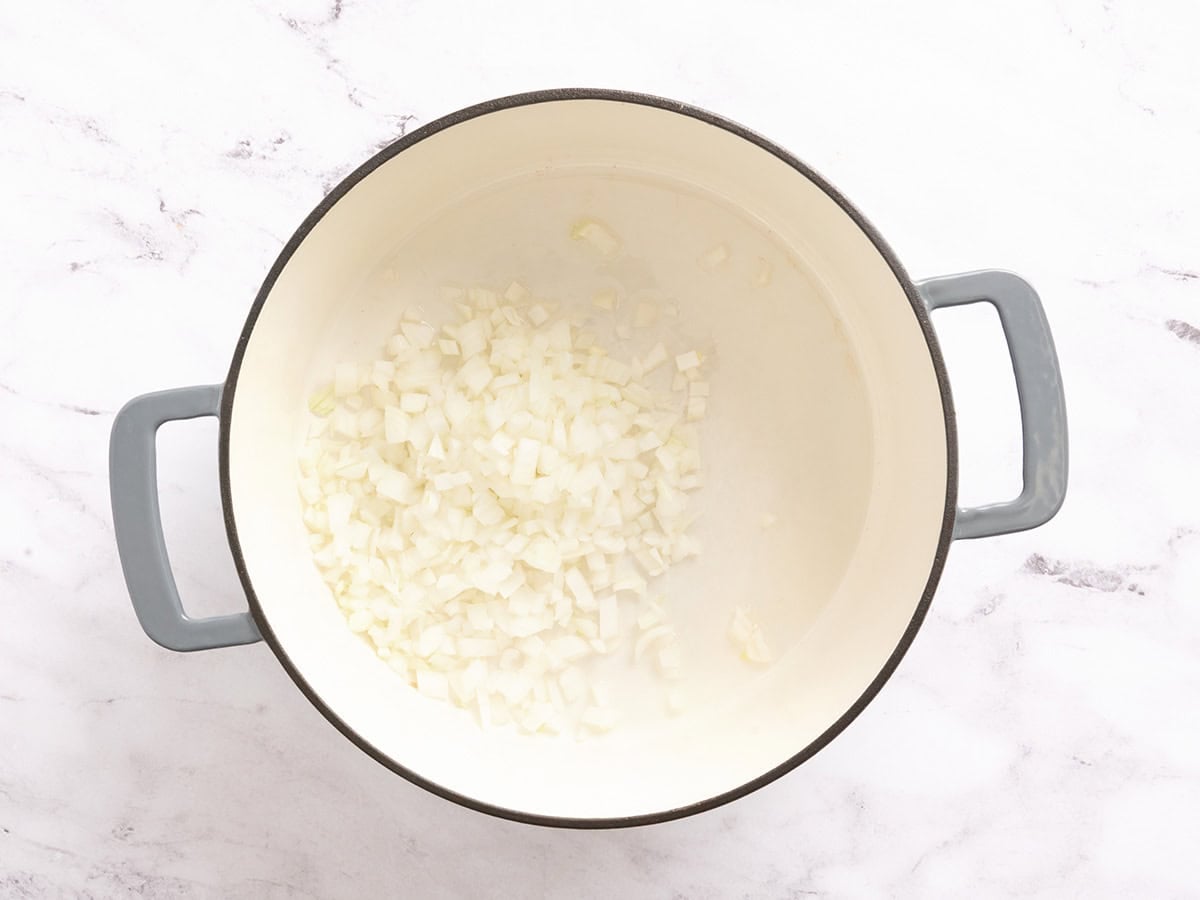
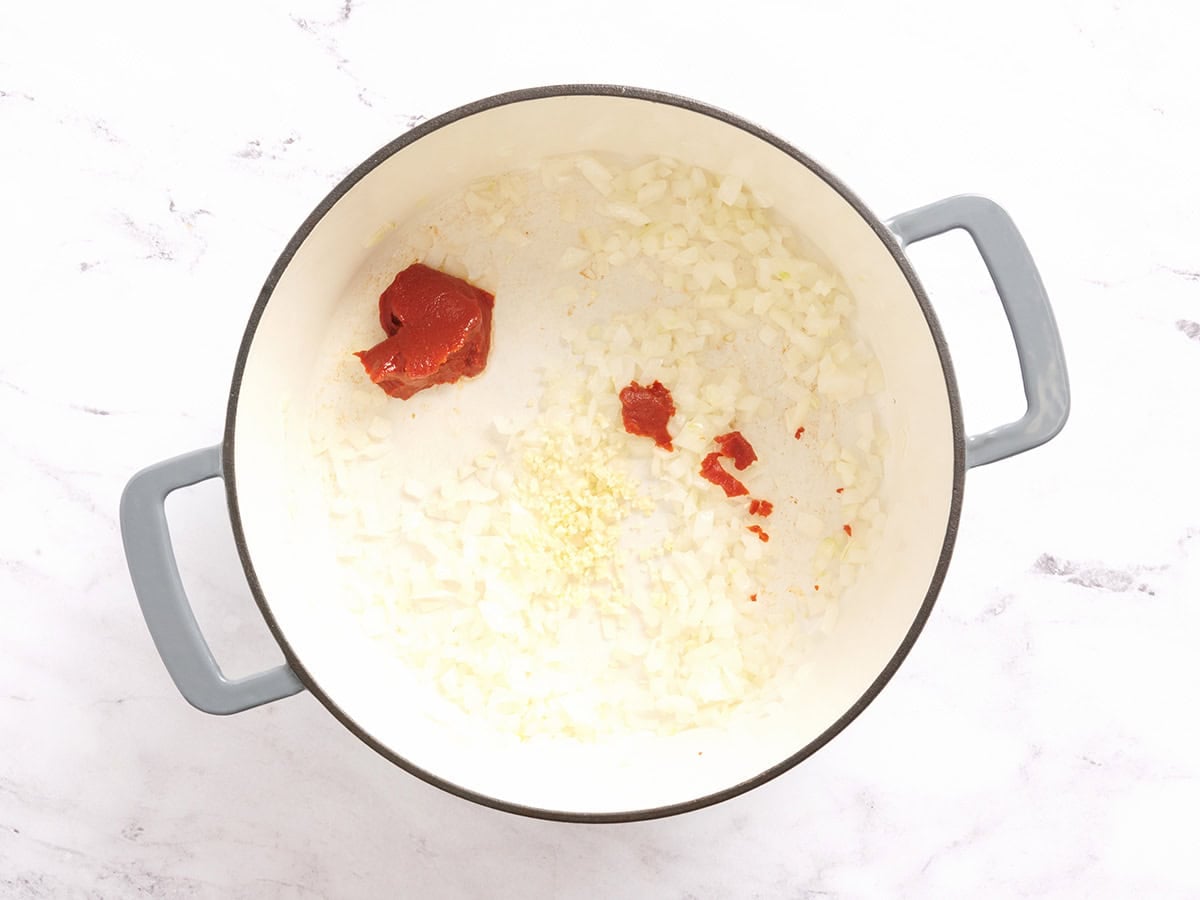
The preparation of Albóndigas soup requires a sequenced approach to ensure that each ingredient reaches its ideal texture simultaneously. The process begins with the "sofrito" phase, where onions are sautéed in cooking oil until translucent. The addition of tomato paste and minced garlic at this stage is crucial; the "blooming" of the tomato paste—cooking it until it deepens in color—caramelizes the natural sugars and provides a rich, umami-heavy base for the broth.
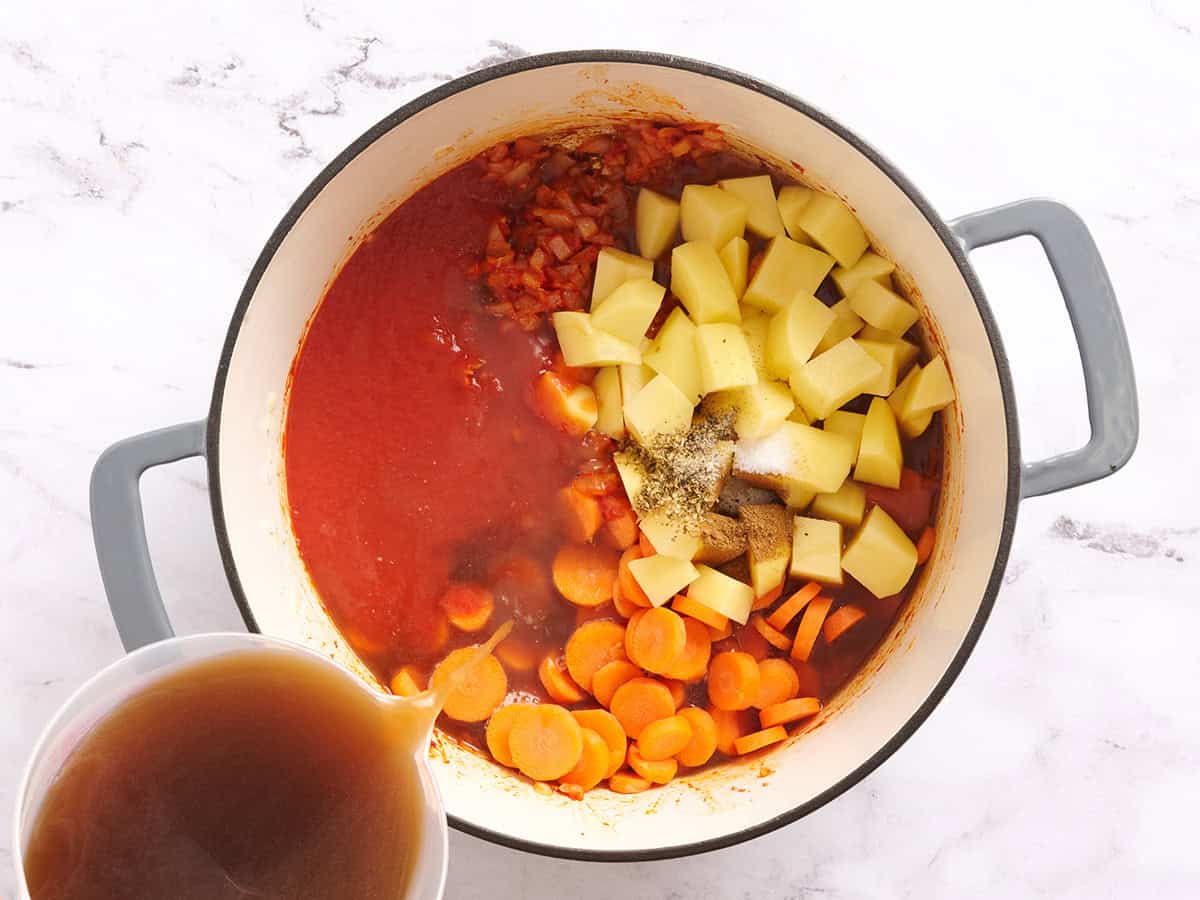
Once the liquid base (beef broth and tomato sauce) is established, the hardier vegetables, such as carrots and potatoes, are introduced. Yukon gold potatoes are preferred in this context due to their waxy texture, which allows them to maintain their shape during a long simmer, unlike starchy Russet potatoes which may dissolve and cloud the broth.
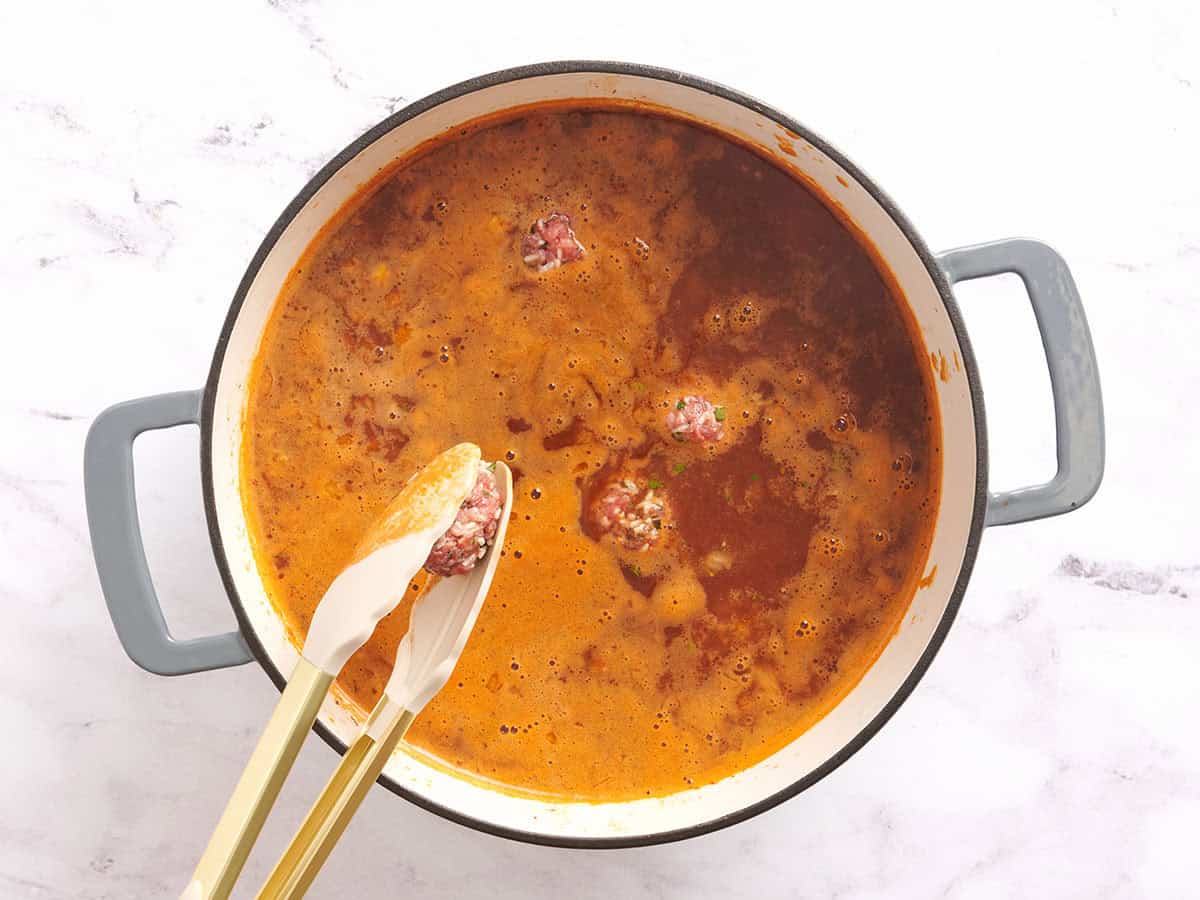
The most delicate phase of the process is the introduction of the meatballs. They must be lowered into a gentle simmer—not a rolling boil—to prevent mechanical breakage. A critical "no-stir" period of five minutes is required immediately after the meatballs are added. This allows the exterior proteins to denature and "set," locking the rice and aromatics inside.
The final stage involves the addition of zucchini. Because zucchini has a high water content and softens quickly, it is added only in the last five to seven minutes of cooking. This ensures the vegetable retains a slight "al dente" bite, providing a textural contrast to the soft potatoes and tender meatballs. A final squeeze of fresh lime juice is added just before serving; the citric acid acts as a flavor enhancer, sharpening the spices and balancing the savory depth of the beef broth.
Statements and Reactions: The Role of the Modern Test Kitchen
Recipe developers, including Jennie Alley of the Nashville Test Kitchen, emphasize that the success of such traditional dishes in a modern setting depends on rigorous testing and clear communication. "All recipes are rigorously tested to ensure they are easy, affordable, and delicious," Alley noted in a summary of the development process. The focus on "easy and affordable" reflects a shift in the culinary industry toward democratizing high-quality cooking for the average consumer.
Observers in the food industry have noted that the "Nashville Test Kitchen" model represents a new standard in recipe publishing. By providing not only the "how" but also the "how much" (cost per serving), these organizations are addressing the practical realities of 21st-century domestic life. The reaction from the home-cooking community has been overwhelmingly positive, with many citing the "next-day flavor" of brothy soups like Albóndigas as a major factor in their popularity for meal prepping.
Broader Impact and Cultural Implications
The enduring popularity of Albóndigas soup is indicative of a larger cultural movement toward "slow food" and authentic regional cuisine. In an era dominated by ultra-processed foods, the return to a dish that requires hand-rolling meatballs and chopping fresh vegetables is seen by many as a form of cultural preservation.
Furthermore, the adaptability of the dish allows it to transcend socioeconomic boundaries. While the base recipe is affordable, it can be "upgraded" with the addition of Queso Fresco, avocado slices, or handmade tortillas, making it suitable for both a simple weeknight dinner and a celebratory gathering.
The dish also serves as a gateway for home cooks to explore the nuances of Mexican cuisine beyond the ubiquitous taco or burrito. It introduces the concept of "caldos" (soups/stews), which are central to the Mexican diet but often overlooked in international fast-food representations. By understanding the history of the albóndiga—from its Arabic roots to its Spanish transition and its Mexican perfection—consumers gain a deeper appreciation for the global exchange of ingredients and ideas.
As we look toward the future of home cooking, dishes like Mexican Meatball Soup provide a blueprint for how traditional recipes can be maintained and modernized. They prove that a meal can be gluten-free, high in protein, and economically viable without losing the "comforting and layered" qualities that first made it a staple centuries ago. Whether enjoyed in a small local bodega or prepared in a high-tech test kitchen, Albóndigas remains a testament to the power of simple ingredients treated with historical respect and culinary precision.
