
The humble kitchen utensil, often overlooked in the pursuit of modern culinary gadgets, is experiencing a quiet resurgence, particularly among thrifting enthusiasts and dedicated brunch hosts. The vintage egg poacher, a seemingly simple metal tray designed to cradle eggs in simmering water, is emerging as a valuable find in second-hand stores, offering a practical and economical solution for perfectly poached eggs. While many single-purpose kitchen appliances clutter the shelves of thrift shops, this particular tool stands out for its enduring utility and cost-effectiveness, especially when compared to its contemporary electric counterparts.
For those who have ventured into the art of poaching eggs, the traditional method—gently swirling boiling water infused with a splash of vinegar and then carefully cracking an egg into the vortex—is often accompanied by a degree of anxiety. The delicate nature of the egg yolk makes it susceptible to breakage, a common pitfall that can transform a desired breakfast delicacy into a culinary disappointment. Mastering this technique requires patience and practice, and for many, the inherent uncertainty can add an unnecessary layer of stress to an already demanding morning, especially when entertaining guests.
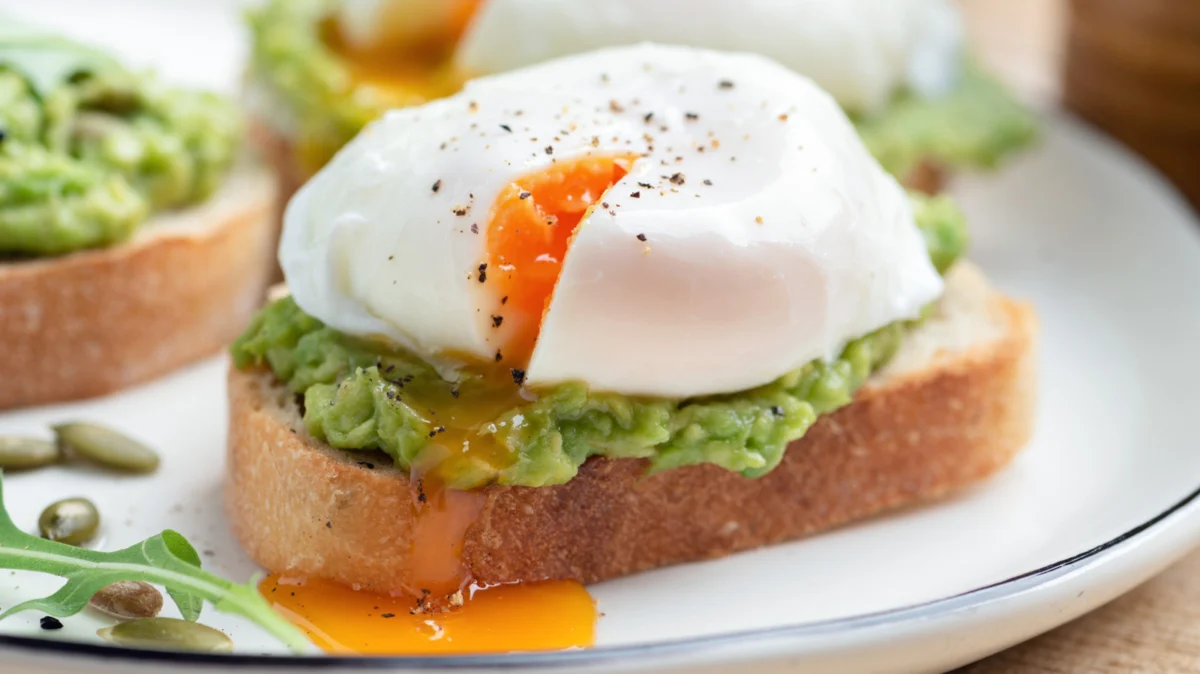
This is precisely where the vintage egg poacher, typically constructed from durable aluminum or stainless steel, proves its worth. These ingenious devices feature a series of individual cups, each designed to hold a single egg. Before use, these cups are lightly greased, creating a non-stick surface. The tray is then placed over a pan of simmering water, and eggs are cracked directly into the prepared cups. The metal construction of the poacher efficiently distributes heat, ensuring the eggs cook evenly and consistently. Crucially, the individual cups make it remarkably easy to slide the perfectly formed poached eggs onto a plate once they are ready, minimizing the risk of yolk rupture and ensuring a visually appealing presentation.
The Underrated Advantage for Culinary Hosts
While minimalist adherents might argue that an egg poacher is an unnecessary addition to an already crowded kitchen, citing the possibility of repurposing other tools like strainers for simpler poaching needs, its true value shines when preparing multiple eggs simultaneously. The laborious process of poaching eggs one by one can become a significant bottleneck, particularly when time is of the essence, toast is cooling, and hungry guests are anticipating their meal. In such scenarios, the vintage egg poacher transforms from a quaint relic into an indispensable kitchen ally.
The availability of these vintage poachers at thrift stores presents a significant financial advantage. Modern electric egg poachers, while offering convenience, can often retail for anywhere from $30 to $40. In stark contrast, a well-maintained aluminum or stainless steel poacher found at a second-hand store can be acquired for a mere fraction of that cost. This economic benefit, coupled with the tool’s inherent efficiency, makes it a prudent investment for anyone who frequently cooks for a family or regularly hosts brunch gatherings. The decision to acquire one, when spotted on a crowded thrift shelf, becomes a clear choice for savvy home cooks looking to enhance their culinary repertoire without breaking the bank.
A Historical Perspective on Kitchen Efficiency
The design of the egg poacher dates back to a time when kitchenware was built for longevity and practicality, often prioritizing functionality over fleeting trends. The mid-20th century, in particular, saw a surge in the production of specialized kitchen gadgets designed to simplify common cooking tasks. The egg poacher, emerging in various forms from stovetop metal trays to more elaborate electric models, reflects this era’s focus on making home cooking more accessible and efficient. Many of these older designs, crafted from robust materials like cast aluminum, are known for their superior heat conductivity and durability, often outperforming their modern, mass-produced counterparts.
The appeal of vintage kitchenware extends beyond mere cost savings. For many consumers, these items evoke a sense of nostalgia and an appreciation for simpler times. The tactile experience of using a well-made, vintage tool can also be more satisfying than operating a plastic, battery-operated gadget. In the context of the egg poacher, the metallic sheen and the weight of a vintage aluminum or stainless steel tray can lend a certain gravitas to the cooking process, elevating the preparation of even a simple breakfast.
The Economics of Thrifting Kitchenware
The burgeoning popularity of thrifting has significantly impacted the availability and perception of second-hand goods. What was once considered merely "used" is now often rebranded as "vintage," "retro," or "pre-loved," carrying connotations of unique style, sustainability, and affordability. The kitchenware section of thrift stores, in particular, has become a treasure trove for home cooks seeking high-quality items at a fraction of their original price. Durable cookware, well-crafted utensils, and even specialized gadgets like egg poachers can often be found in excellent condition, having been lightly used or simply stored away by previous owners.
The economic implications of this trend are significant. For individuals and families on a budget, thrifting offers a pathway to equipping a kitchen with quality tools that would otherwise be prohibitively expensive. This democratizes access to better cooking equipment, allowing more people to experiment with different recipes and techniques. Furthermore, by giving these items a second life, thrifting contributes to a more sustainable consumption model, reducing waste and the demand for new manufacturing. The vintage egg poacher is a prime example of this phenomenon, offering a functional and stylish addition to any kitchen at an exceptionally low cost.
Expert Opinions and Culinary Community Buzz
While specific endorsements from renowned chefs for vintage egg poachers are rare, the culinary community generally acknowledges the effectiveness of such tools. Food bloggers and home cooking enthusiasts frequently share their "thrift store finds" and highlight the practical benefits of older kitchenware. Online forums and social media groups dedicated to cooking and thrifting are rife with discussions about the merits of vintage egg poachers. Users often share tips on identifying well-made models, cleaning and restoring them, and, of course, showcasing their perfectly poached eggs made with these rediscovered gems.
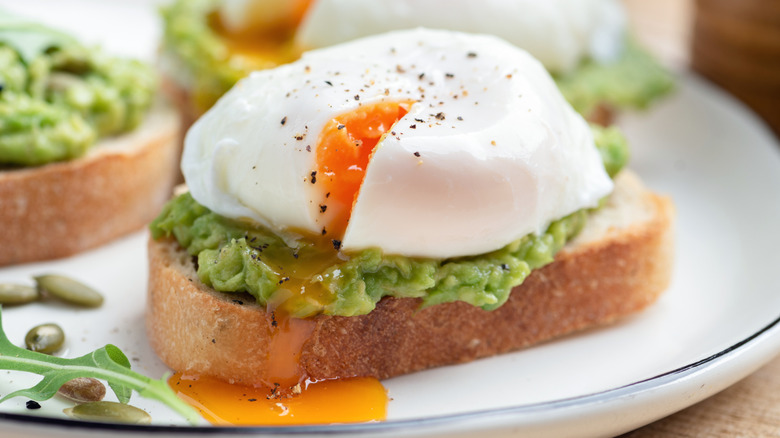
Anecdotal evidence from these communities suggests a widespread satisfaction with vintage egg poachers. Users frequently report that these tools are more reliable and produce more consistent results than some modern alternatives. The simple, robust design is often praised for its ease of use and cleaning. The narrative that consistently emerges is one of pleasant surprise and newfound appreciation for a tool that might have been overlooked in a more contemporary kitchenware setting.
Broader Impact and Future Implications
The resurgence of interest in vintage egg poachers is indicative of a broader cultural shift towards mindful consumption and a renewed appreciation for well-made, durable goods. As consumers become increasingly aware of the environmental and economic costs associated with fast fashion and disposable products, the appeal of vintage and second-hand items continues to grow. This trend is not limited to kitchenware; it extends to clothing, furniture, and countless other categories.
For the egg poacher, its journey from a common kitchen appliance to a sought-after thrift store find highlights the enduring value of practicality and quality craftsmanship. It serves as a reminder that sometimes, the most effective and economical solutions are not the newest or the most technologically advanced, but rather those that have stood the test of time. The implications of this trend are twofold: it encourages a more sustainable approach to consumerism by extending the lifespan of existing goods, and it empowers individuals to create functional and aesthetically pleasing living spaces and kitchens without excessive expenditure. As the thrifting movement gains further momentum, it is likely that other "forgotten" kitchen tools will also experience a similar revival, proving that timeless design and practical utility will always hold their place in the heart of the home. The vintage egg poacher, in its quiet efficiency, stands as a testament to this enduring principle, a small but significant victory for both the thrifty home cook and the planet.
