
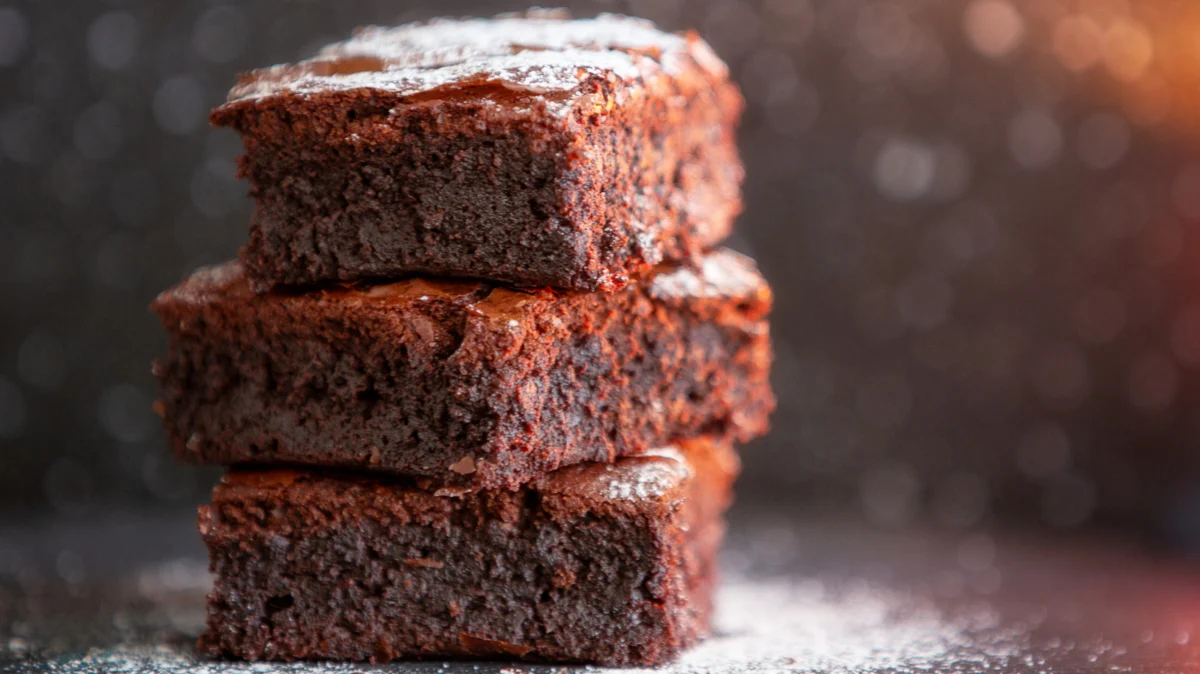
For many home bakers, the convenience of a boxed brownie mix offers a welcome shortcut to satisfying a chocolate craving. However, the journey from a convenient powder to a truly exceptional, bakery-quality brownie is often fraught with subtle yet significant missteps. From the moment the box is purchased to the final cooling period, a series of common errors can transform a promising dessert into a disappointing, dry, or overly cakey confection. This comprehensive guide delves into the ten most prevalent mistakes, offering practical advice and culinary insights to elevate your boxed brownie game to professional standards.
The Allure of the Boxed Brownie Mix
Boxed brownie mixes first emerged in the mid-20th century, revolutionizing home baking by simplifying the process and ensuring a degree of consistency. Companies like General Mills (with their Betty Crocker brand) and Pillsbury were early pioneers, making elaborate desserts accessible to a broader audience. The appeal lies in their minimal ingredient requirements—often just water, oil, and eggs—and their straightforward preparation instructions. Despite the rise of artisanal baking and scratch-from-scratch methods, boxed mixes continue to hold a significant market share, underscoring their enduring popularity. However, the inherent simplicity of these mixes means that any deviation from best practices, however minor, can have a pronounced impact on the final outcome.
The Crucial First Step: Verifying Freshness
One of the most overlooked yet critical factors in achieving superior brownies from a mix is the freshness of the product itself.
Mistake: Using Expired or Stale Brownie Mix.
Analysis: Ingredients within a boxed mix, such as cocoa powder, leavening agents, and flour, have a finite shelf life. Over time, their potency and quality degrade. Cocoa powder can lose its rich flavor, leavening agents like baking soda and baking powder can lose their effectiveness, leading to flatter brownies, and flour can develop off-flavors. Furthermore, prolonged storage, especially in non-airtight conditions, can introduce moisture, potentially leading to clumping or even mold, compromising both taste and safety.
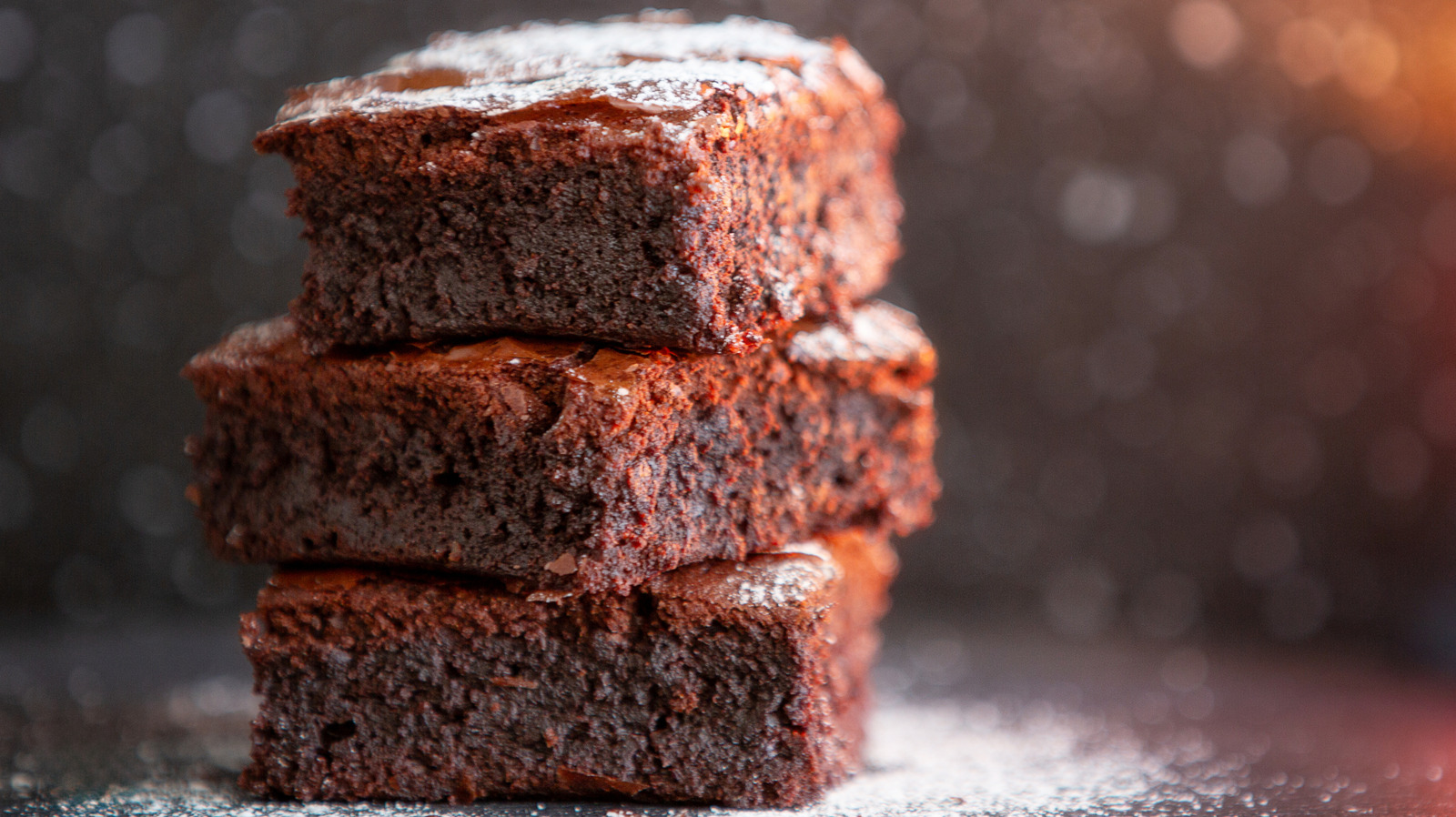
Data Point: The U.S. Food and Drug Administration (FDA) does not mandate expiration dates for most shelf-stable dry goods like brownie mixes. However, "best by" or "use by" dates are indicative of peak quality. Baking experts generally advise using mixes within one to two years of their production date for optimal results. Beyond this timeframe, the risk of diminished flavor and texture increases significantly.
Elevating the Base: Ingredient Quality Matters
While a boxed mix provides the foundational dry ingredients, the quality of the wet ingredients added can dramatically influence the final product.
Mistake: Not Using High-Quality Ingredients for Add-ins.
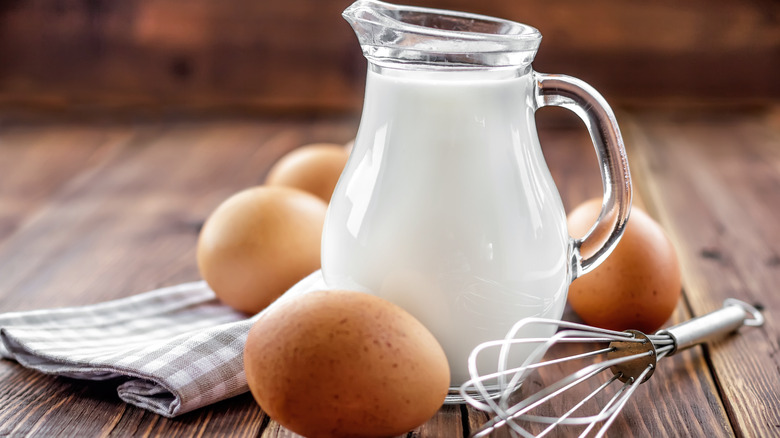
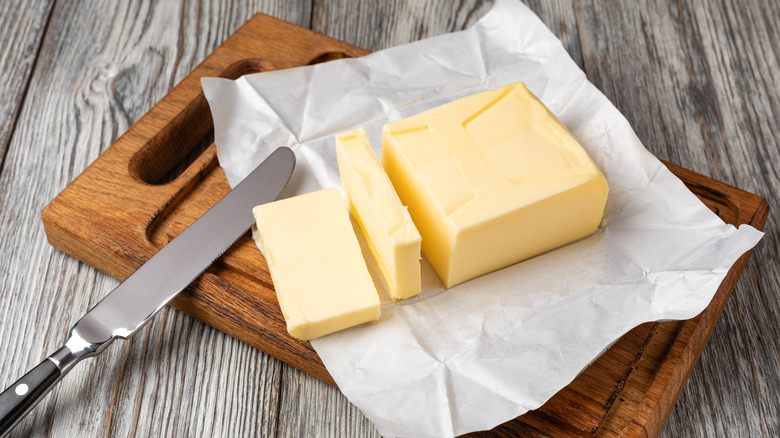
Analysis: The typical boxed brownie mix requires additions such as oil, butter, eggs, and water. Substituting these with superior alternatives can imbue the brownies with richer flavors and more desirable textures. For instance, using a premium, fruity extra virgin olive oil can impart subtle complexities that a generic vegetable oil cannot. Similarly, opting for European-style butter, with its higher butterfat content, contributes a more luxurious flavor and aroma.
Supporting Data: European-style butters, such as those from brands like Kerrygold or Plugra, typically contain around 82-84% butterfat, compared to standard American butter’s 80%. This higher fat content translates to a richer mouthfeel and more pronounced flavor. For eggs, pasture-raised eggs often feature deeper orange yolks due to a diet richer in carotenoids, which can translate to a more intense flavor and color in baked goods.
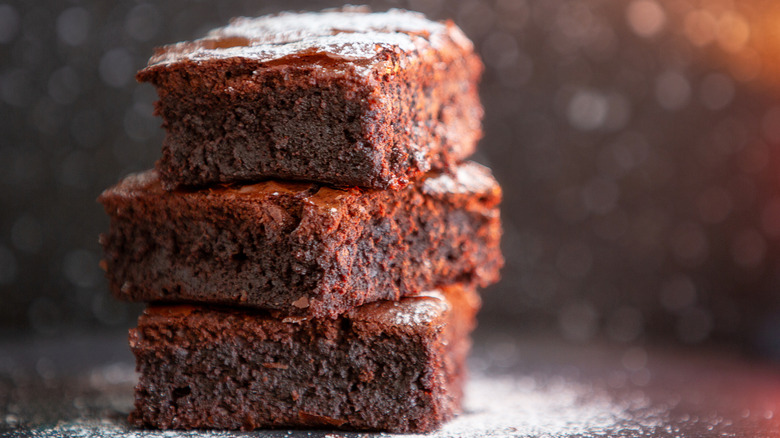
Fat Choices: Butter vs. Oil
The type of fat used in brownie batter is a key determinant of texture and flavor.
Mistake: Choosing Oil Exclusively Over Butter.
Analysis: Most boxed brownie mixes are formulated to use oil, as it is cost-effective and contributes to a fudgy texture. However, oil alone, particularly neutral-flavored varieties, primarily adds moisture without significant flavor enhancement. Butter, on the other hand, brings a distinct richness, a desirable aroma, and a complex flavor profile that can elevate boxed brownies considerably.
Culinary Insight: A common and highly effective strategy is to substitute half of the oil called for in the recipe with unsalted butter. This creates a balance, providing the fudginess associated with oil while introducing the depth of flavor that butter offers. For an even more sophisticated taste, browning the butter before adding it to the batter can introduce nutty, toasted caramel notes, a technique employed in many gourmet brownie recipes.
Unleashing the Chocolate’s Potential
The inherent chocolate flavor of a brownie mix can often be enhanced to achieve a more profound and satisfying chocolate experience.
Mistake: Not Enhancing the Chocolate Flavor.
Analysis: Boxed mixes are designed for simplicity, but this can sometimes result in a less intense chocolate profile than desired. By incorporating additional chocolate elements or complementary flavor enhancers, the chocolate notes can be amplified.
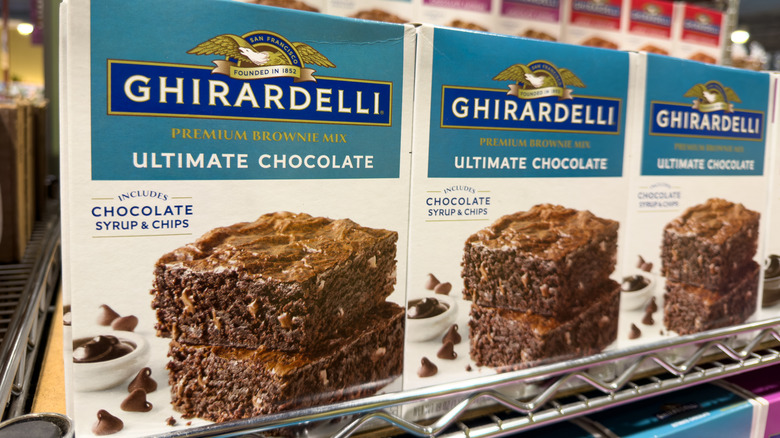
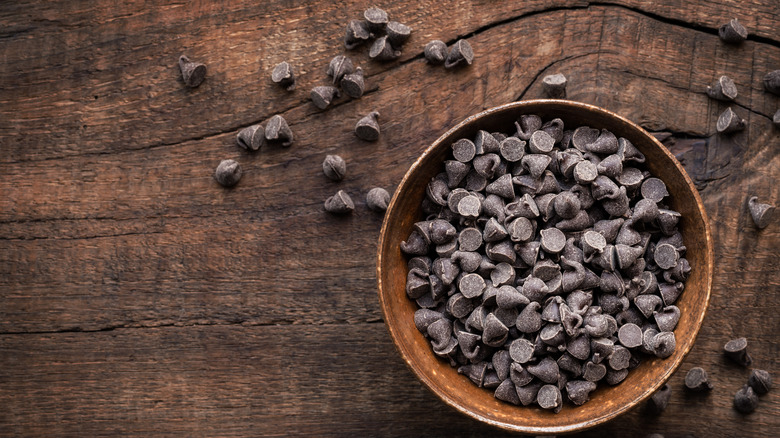
Practical Application: Adding chocolate chips to the batter is a straightforward method to boost chocolate intensity. Mini chocolate chips are often preferred as they tend to melt more evenly into the batter, creating pockets of melted chocolate rather than distinct chunks. The choice between semi-sweet and dark chocolate chips depends on personal preference; semi-sweet offers a balanced sweetness, while dark chocolate provides a more robust and less sugary flavor.
Another potent enhancer is brewed coffee. Substituting some or all of the water with strong brewed coffee does not impart a coffee flavor but rather intensifies the cocoa’s natural richness. This is because coffee and chocolate share flavor compounds that complement each other, creating a mocha-like depth. For those without brewed coffee, a teaspoon of instant espresso powder dissolved in the wet ingredients can achieve a similar effect.
The Delicate Balance of Mixing
The process of combining ingredients requires a nuanced approach to avoid compromising the brownie’s texture.
Mistake: Overmixing the Batter.
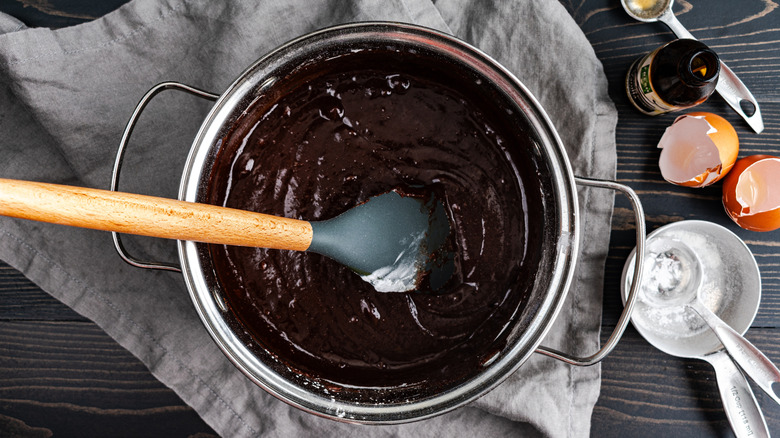
Analysis: Overmixing can lead to two primary issues: excessive gluten development and over-aeration. When flour and liquid combine, gluten proteins begin to form. While some gluten is necessary for structure, overworking the batter can create a tough, chewy texture. Additionally, excessive mixing can incorporate too much air into the batter. This excess air can cause the brownies to puff up dramatically during baking, only to collapse as they cool, resulting in a less dense, more cake-like consistency and a sunken center.
Best Practice: To mitigate overmixing, it is recommended to mix the batter by hand using a spatula or wooden spoon, rather than an electric mixer. Mix only until the dry ingredients are just incorporated into the wet. A few small lumps in the batter are generally acceptable and preferable to an overmixed, smooth consistency.
The Foundation of Baking: The Pan
The choice of baking pan plays a surprisingly significant role in the final texture and doneness of brownies.
Mistake: Using the Wrong Baking Pan.
Analysis: The size and material of the baking pan directly influence how heat is distributed and how quickly the batter cooks. Using a pan that is too large can result in thin, dry brownies that overbake easily. Conversely, a pan that is too small can lead to uneven baking, with the edges cooking too quickly while the center remains underdone.
Material Considerations: Light-colored aluminum pans are generally preferred for brownies because they conduct heat evenly and efficiently, promoting consistent browning without premature scorching of the edges. Darker pans absorb more heat and can lead to overbaked exteriors. Glass pans, while aesthetically pleasing, are poor heat conductors and tend to bake unevenly, often resulting in brownies that are cooked faster on the edges than in the center.
Pan Size Precision: It is crucial to adhere to the pan size specified on the brownie mix box or in the recipe. Subtle differences, such as an 8-inch square versus a 9-inch square, significantly alter the batter’s depth and, consequently, the baking time.
Preparing for Success: Pan Preparation
A well-prepared pan is essential for easy removal and a beautiful presentation.
Mistake: Not Prepping the Pan Correctly.
Analysis: Brownie batter is notoriously sticky. Failure to properly prepare the baking pan can result in brownies that adhere to the sides and bottom, making them difficult to remove cleanly and often leading to a crumbly or broken mess.
The Solution: The most effective method involves a two-step approach. First, lightly grease the bottom and sides of the baking pan with nonstick cooking spray or butter. Second, line the pan with parchment paper, ensuring there is an overhang on two opposite sides. These parchment overhangs serve as convenient handles, allowing the entire slab of cooled brownies to be lifted out of the pan in one piece. This not only simplifies removal but also makes for much easier cleanup.
The Heart of the Matter: Oven Temperature
Accurate oven temperature is paramount for achieving the desired brownie texture.
Mistake: Baking at the Wrong Temperature.
Analysis: Ovens can vary in their accuracy, and even a slight deviation from the recommended temperature can have a detrimental effect. If the oven is too hot, the brownie edges can overcook and become dry while the center remains underbaked. High temperatures can also cause the brownies to rise too quickly and then collapse, leading to a dense, gummy texture. Conversely, an oven that is too cool will result in longer baking times, which can dry out the brownies.
Data and Tools: To ensure accuracy, it is highly recommended to use an oven thermometer. These inexpensive devices can be placed inside the oven to provide a precise reading of the internal temperature, independent of the oven’s built-in thermostat. Calibrating your oven with a thermometer can eliminate a significant variable in achieving consistent baking results.
The Waiting Game: Patience in Cooling
The cooling process is as critical as the baking itself for developing the perfect brownie texture.
Mistake: Not Cooling the Brownies Long Enough.
Analysis: Freshly baked brownies are often too soft and gooey to cut cleanly. The internal structure needs time to set as the chocolate solidifies and the moisture redistributes. Cutting into hot brownies invariably results in messy, smushed slices, compromising their visual appeal and texture.
Optimal Cooling Strategy: Allow the brownies to cool in the pan at room temperature for at least an hour. For the cleanest cuts and best texture development, many bakers, including professional ones, recommend chilling the brownies in the refrigerator overnight. This allows the structure to fully firm up, making them easier to slice and enhancing their fudgy consistency.
Cutting Technique: When slicing, use a sharp chef’s knife. Wipe the knife clean between each cut, especially if crumbs adhere to the blade, to achieve sharp, defined edges characteristic of bakery-quality brownies.
Preserving Perfection: Proper Storage
Even the most perfectly baked brownies can lose their appeal if not stored correctly.
Mistake: Not Storing the Brownies Properly.
Analysis: The way brownies are stored directly impacts their moisture content and texture over time. Improper storage can lead to staleness, dryness, or an undesirable tough texture.
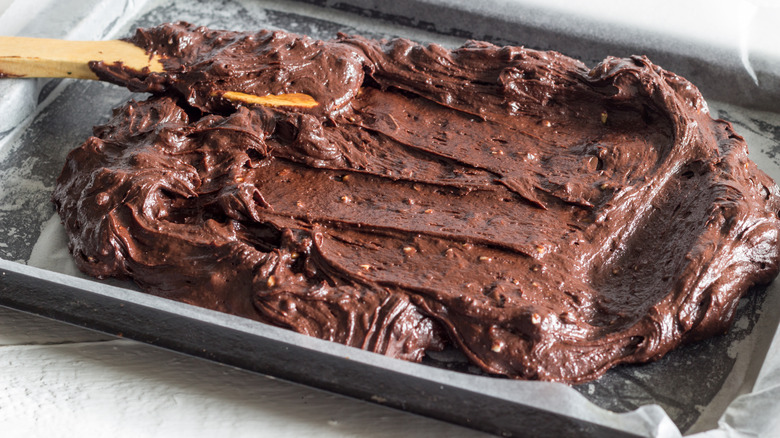
Storage Guidelines:
- Room Temperature: For short-term enjoyment (a few days), store brownies in an airtight container at room temperature. This helps retain moisture.
- Refrigeration: For longer storage (up to a week or two), refrigerating brownies in an airtight container is recommended. This helps maintain freshness and can prevent them from becoming too soft. Professional bakeries often stack brownies, wrap them tightly, and refrigerate them to preserve their quality.
- Freezing: For long-term preservation (up to three months), freezing is an excellent option. It is advisable to freeze the brownie slab whole or in larger pieces. Cutting them into small squares exposes more surface area to air, which can lead to drying and freezer burn. Wrap the slab tightly in plastic wrap, then in aluminum foil, and finally place it in an airtight container for optimal protection.
By understanding and avoiding these ten common mistakes, home bakers can significantly elevate their boxed brownie creations, transforming them from simple treats into genuinely bakery-worthy delights. The key lies in paying attention to detail, from selecting fresh ingredients to employing proper baking and cooling techniques, ultimately unlocking the full potential of the convenient boxed mix.
